

25 Innovative Biopharma Companies Secure Major Funding Rounds in September
Hyku Biosciences
Small Molecule Drug Developer

Generate Biomedicines
New Drug Developer
ROME Therapeutics
Developer of Cancer and Autoimmune Disease Therapies
Grit Biotherapeutics
Developer of Immunotherapy Drugs for Solid Tumors
Mariana Oncology
Targeted Radiopharmaceuticals Developer
▎Edited by the WuXi AppTec content team
According to the data statistics from WuXi AppTec Content Team, in September this year (as of September 28), there were a total of 207 financing events in the global biopharmaceutical industry. Among them,There were 25 large-scale financing events exceeding 50 million US dollars.The total amount of disclosed financing events exceeds 5.2 billion US dollars, mainly concentrated before Series C.
Small-molecule drugs remain highly favored:In September, among the companies that successfully raised over 50 million US dollars, nearly half are dedicated to the research and development of small molecule drugs. In addition, many companies have made strategic advances and breakthroughs in protein drugs, cell therapy, and gene therapy, fully demonstrating the diversity and innovation within this field.
Diversified Indications:Observing the research directions of these companies, the indications they focus on present a diversified pattern.The most focused disease areas include oncology, brain and neurological disorders, cardiovascular diseases, and rare disease treatments.
Notably, new technologies and R&D platform companies are gradually emerging.Among the companies that completed large-scale financing this month, three are platform-based companies, two of which focus on promoting the application of artificial intelligence in the pharmaceutical field.This article will introduce some companies that successfully raised over 50 million US dollars in September.
Hyku Biosciences: Tumor-Targeted Covalent Drug Development Company

September 19,Hyku Biosciences Announces $56 Million Seed Financing to Develop Precision Therapies for Cancer。
This round of financing was led by RA Capital Management, Droia Ventures, and the Novartis Venture Fund, with other investors such as the Mark Foundation for Cancer Research, KB Investment, and Eisai Innovation also participating.
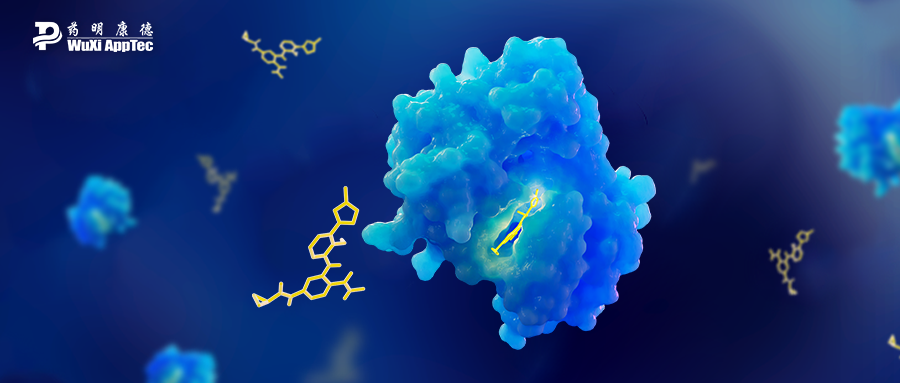
Hyku Bioscience is a biotechnology company,Dedicated to building a leading covalent drug discovery platform to inhibit disease targets that are difficult to target with traditional methods.Hyku Biosciences was incubated by RAVen, the creation engine of RA Capital Management, and is based on the groundbreaking chemical proteomics research conducted by its founder, Dr. Ku-Lung (Ken) Hsu, at the University of Virginia.The innovative chemical proteomics platform under the company selectively inhibits the activity of pathogenic proteins by covalently targeting linkable amino acids (such as histidine, tyrosine, or lysine).. This platform is expected to fundamentally expand the scope of small molecule drug discovery, greatly enhance the druggability of many target categories, and thereby bring significant therapeutic benefits to patients.
Dr. Milind Deshpande is the founder and acting CEO of Hyku Biosciences, with over 30 years of industry operational experience. He has held senior management positions in multiple venture capital firms and pharmaceutical companies. In addition to his extensive management experience, Dr. Deshpande has excelled in scientific research, authoring more than 80 academic articles and co-inventing 30 patents.
Generate Biomedicines: AI-Powered Drug Discovery Company
On September 14, Generate Biomedicines announced the completion of a $273 million Series C financing round. The company is dedicated to developing a machine learning-driven generative biology platform.Its proprietary machine learning platform utilizes generative AI to directly create proteins that do not exist in nature, according to the needs of researchers.
The company's generative AI technology platform is based on diffusion models algorithms. In a previously published study, to demonstrate its ability to generate protein structures according to researchers' requirements, the company's team used this platform to create entirely new protein structures mimicking the shapes of the 26 English letters and 10 Arabic numerals.。
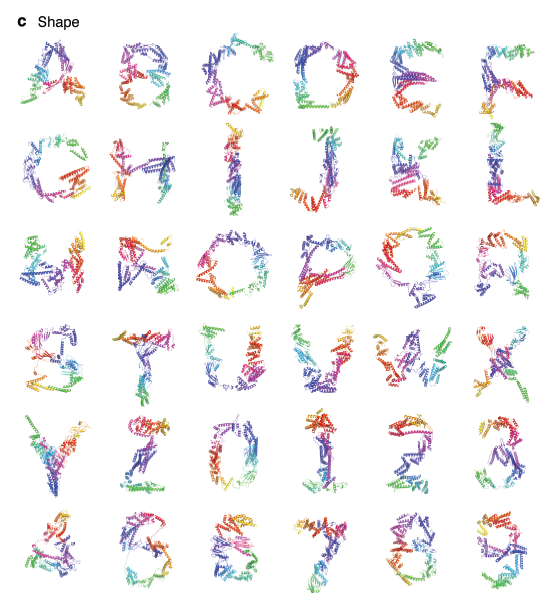
▲The platform of Generate Biomedicines can design novel protein structures based on the requirements for protein shapes (Image Source: Generate Biomedicines official website)
Generate Biomedicines has expanded the platform to new therapeutic modalities, including the development of bispecific molecules, enzyme proteins, T-cell engagers, and cell therapies, while achieving structural confirmation of de novo generated engagers.Currently, the company has 17 pipelines in the fields of anti-tumor, immune diseases, and infectious diseases, and its leading product GB-0669 has initiated its first human trial.。
Generate Biomedicines has garnered significant attention from investors. In addition to this round of financing, the company also completed a Series B financing round in 2021, raising up to $370 million.
Mr. Mike Nally is the Chief Executive Officer of Generate Biomedicines, and he is also the Chief Executive Officer and Partner of the well-known investment company Flagship Pioneering, with extensive experience in enterprise management.
ROME Therapeutics: Cancer and Immune Disease Therapy Development Company
On September 12, ROME Therapeutics completed a $72 million oversubscribed Series B extension financing, bringing the total Series B funding to $149 million.The proceeds from the financing will be used to advance the clinical research of its lead candidate drug, a LINE-1 reverse transcriptase inhibitor.。
The new investors in this financing round include Johnson & Johnson Innovation-JJDC, Bristol Myers Squibb, Eurofarma Ventures, Luma Group, Mirae Asset Capital, and family offices Raycap and Sigmas Group. Existing investors ARCH Ventures, GV, Section 32, Sanofi Ventures, Andreessen Horowitz, Mass General Brigham Ventures, Casdin Capital, and Alexandria Venture Investments also participated in this round.
ROME Therapeutics is dedicated to developing novel therapies for a range of serious diseases, including autoimmune disorders, cancer, and neurodegenerative conditions.The method involves elucidating the role of the dark genome in human health and disease — the dark genome refers to the vast genomic regions outside the scope of traditional genomic research, including virus-like repetitive elements and non-coding sequences.In order to achieve this goal, ROME Therapeutics has leveraged its data science platform to build a pipeline for therapy development targeting the dark genome.

Image Source: 123RF
In addition to continuing to advance the early clinical trials of its candidate drug, a LINE-1 reverse transcriptase inhibitor,The company also plans to continue advancing its early-stage product pipeline and its proprietary data science platform, which enables researchers to identify functionally active repetitive elements and evaluate their role in disease.。
Since its establishment, ROME Therapeutics has completed two rounds of financing. Prior to this extended Series B financing, the company completed a Series A financing of over 50 million US dollars in April 2020, and also completed a 77-million-US-dollar Series B financing in September 2021.
The current President and CEO of ROME Therapeutics is Dr. Rosana Kapeller, who is also a co-founder of the company. With over 25 years of valuable experience in the industry, she previously served as the founding Chief Scientific Officer of Nimbus Therapeutics.
Gravel Bio: Solid Tumor Immunotherapy Cell Therapy R&D Company
On September 8, Grit Biotechnology announced the completion of a 400 million yuan (approximately 54 million US dollars) B-round financing.This round of financing was led by a fund under CICC Capital, with follow-up investments from Qianhai Ark, Lian Dong Investment, Yuanhe Capital, Hefangtian Partnership, and existing shareholders Sherpa Healthcare Partners, Decheng Capital, and Matrix Partners China.
This round of financing will be used to support the development of the company's tumor-infiltrating lymphocyte (TIL) therapy pipeline, including the pivotal clinical trial of GT101 and the development of multiple next-generation gene-edited TIL pipelines.。
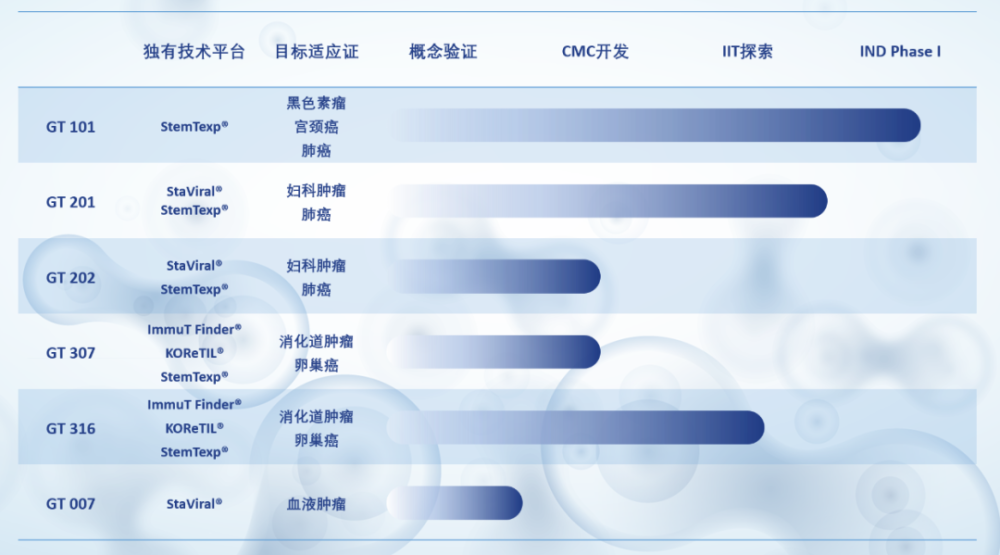
▲Grit Bio Product Pipeline
Grail Biotechnology was founded in 2019,An innovative pharmaceutical company focusing on tumor immunotherapy and cell therapy, with a representative R&D pipeline of TIL drugs.Grit Bio's self-developed GT101 injection has been approved for clinical registration in China and is about to enter the pivotal phase 2 clinical trial. According to Grit Bio's public data introduction,GT101 extracts TILs from tumor tissue obtained from patients, and then expands them to billions using the company's unique production platform before infusing them back into the patient to combat tumors.In the early clinical trials initiated by researchers, GT101 injection demonstrated good drug safety and significant tumor killing and clinical efficacy, showing potential to treat patients with solid tumors such as melanoma, cervical cancer, and non-small cell lung cancer.
In addition, GT201 developed by Gravel Biotech has also received tacit approval for clinical trials in China.This is a next-generation gene-edited TIL product expressing membrane-bound cytokines.The ROME Therapeutics research and development team compared and selected optimized structural designs in preclinical studies, and customized the retroviral system StaViral specifically for engineered TIL therapy. This system enables stable expression of target genes across multiple batches of TIL cells derived from various tumor types.GT201 demonstrates stronger proliferation ability, tumor killing, cytokine release, and better persistence both in vivo and in vitro compared to traditional TIL. It can also reduce dependency on IL-2, potentially lowering the clinical dosage of IL-2, thereby overcoming the challenges faced by traditional TIL therapies.
Dr. Yarong Liu is the co-founder and CEO of Gravel Bio, with extensive R&D experience.
Mariana Oncology: Radiopharmaceuticals Development Company
On September 7, Mariana Oncology announced the completion of a $175 million Series B financing round.The proceeds from the financing will be used to support the company in advancing the development of its next-generation radiopharmaceutical portfolio, including its lead candidate drug MC-339, while also supporting the company’s transition to a clinical-stage organization.。
This round of financing was co-led by Deep Track Capital and Forbion. Initial investors Atlas Venture, Access Biotechnology, and RA Capital Management, as well as new investors Nextech Invest, Surveyor Capital, and Eli Lilly and Company also participated.
Mariana Oncology is a fully integrated next-generation radiopharmaceuticals R&D company, focusing on pioneering a new class of peptide-based targeted radiopharmaceuticals.The radiopharmaceuticals under the company consist of conjugated molecules targeting selected biological sites, capable of delivering alpha or beta radionuclide payloads.By engineering the molecular structure, this class of drugs can more effectively penetrate into the interior of solid tumors, delivering a higher dose of radiation activity and thereby avoiding the common side effects associated with traditional chemotherapy and cytotoxic-based treatment strategies.
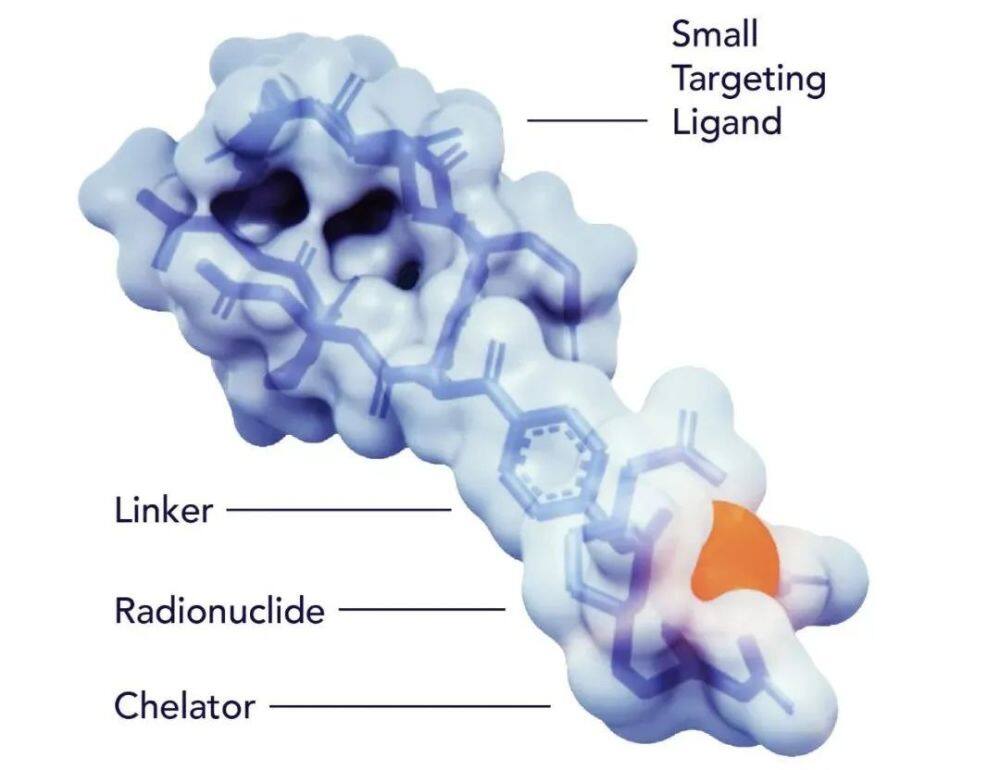
▲Schematic diagram of the molecular structure of Mariana Oncology's radiopharmaceuticals (Image source: Mariana Oncology's official website)
The main product of the company, MC-339, is a peptide small molecule that can carry an actinium payload for targeted therapy of small cell lung cancer. The target of this therapy has not been disclosed yet.
To date, Mariana Oncology has completed two rounds of financing. In addition to this Series B round, the company also completed a Series A round in December 2021, raising as much as $75 million.
The current CEO of Mariana Oncology is Dr. Simon Read, who is also the founder and president of the company. Dr. Read has over 25 years of R&D experience. Before joining Mariana Oncology, he held leadership positions at GSK, AstraZeneca, and Genentech.
Conclusion
With the continuous advancement of technology and medicine, the global biopharmaceutical industry has shown a prosperous financing scene this month. The past dominance of small-molecule drugs has now gradually expanded to a multi-field development pattern that includes protein drugs, cell and gene therapies, and medical devices. Particularly, the application of artificial intelligence in pharmaceutical research and development has demonstrated unprecedented potential. Major companies are also increasingly delving into research across various disease areas such as cancer, cardiovascular diseases, and rare disease treatments. Notably, new technologies and innovative treatment methods like covalent drugs, generative AI technology, and radiopharmaceuticals will have a profound impact on the future of pharmaceutical R&D. These cutting-edge technologies and strategies not only open up new treatment hopes for patients but also indicate that the future development of the pharmaceutical industry will be broader and more diversified.
In this regard, we firmly believe that the pharmaceutical industry in the future will better serve all humanity, bringing us more advanced treatment methods and a healthier future.