Lung Cancer | Precision Medicine, New Breakthrough in KRAS Mutation Targeted Therapy
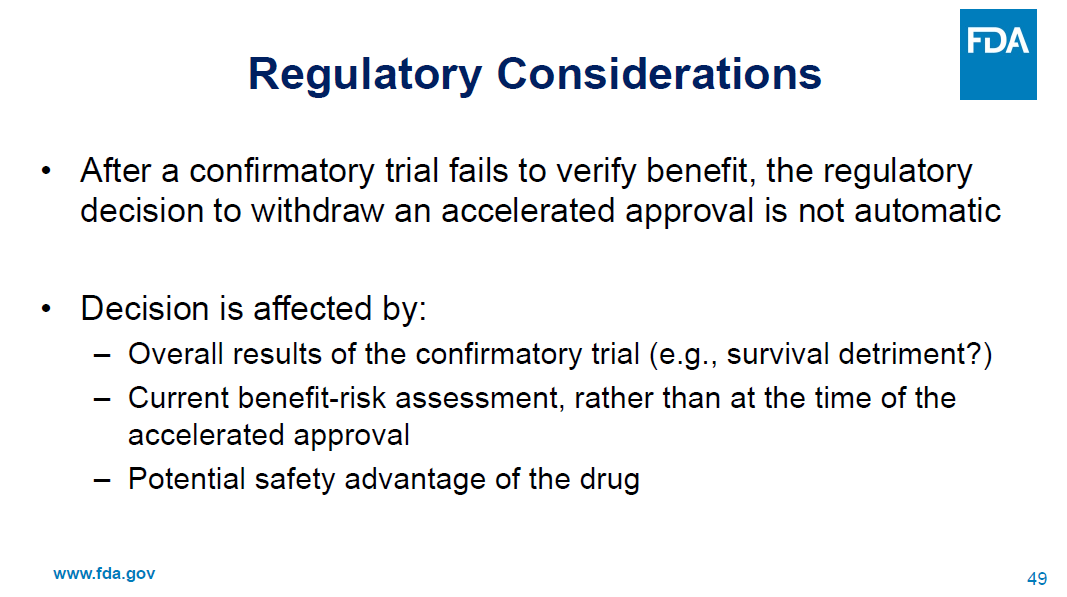
Due to the Phase 3 EXCLAIM-2 study not meeting its primary endpoint, on October 2, Takeda announced plans to initiate a voluntary withdrawal of Mobocertinib worldwide. For more details:Lung Cancer EGFR 20ins Mutation: Mobocertinib (TAK-788) to Be Withdrawn from the Market. SubsequentlyAfter Takeda's Mobocertinib, October 5Day,FDA ODAC (Oncologic Drugs Advisory Committee) with2 votes in favor, 10 votes againstThe result suggests that Amgen's KRAS inhibitor Lumakras (sotorasib) IIIThe progression-free survival (PFS) results of the CodeBreaK 200 study cannot be reliably interpreted. However, at the end of the meeting, the FDA indicated that it would not immediately withdraw drugs that failed in confirmatory studies but would make a decision based on the overall outcomes and the current treatment landscape.
In May 2021, sotorasib received FDA accelerated approval based on the Phase I/II CodeBreak100 study for patients with locally advanced or metastatic NSCLC harboring the KRAS G12C mutation who had previously received at least one systemic therapy. As part of the post-marketing requirement to verify the clinical benefit of sotorasib, Amgen initiated the Phase III CodeBreaK 200 study.Next,We reviewedsotorasibThe results of the two studies.
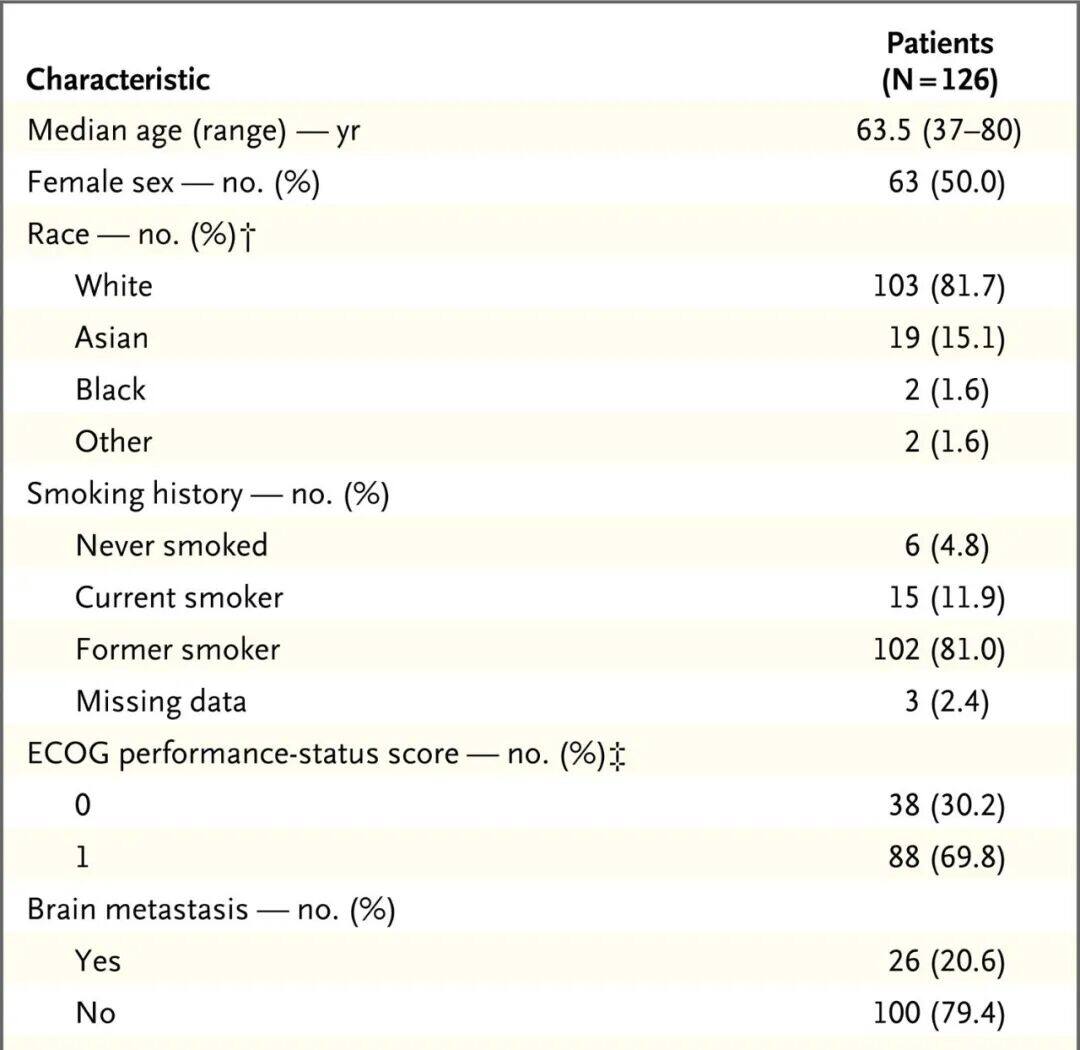
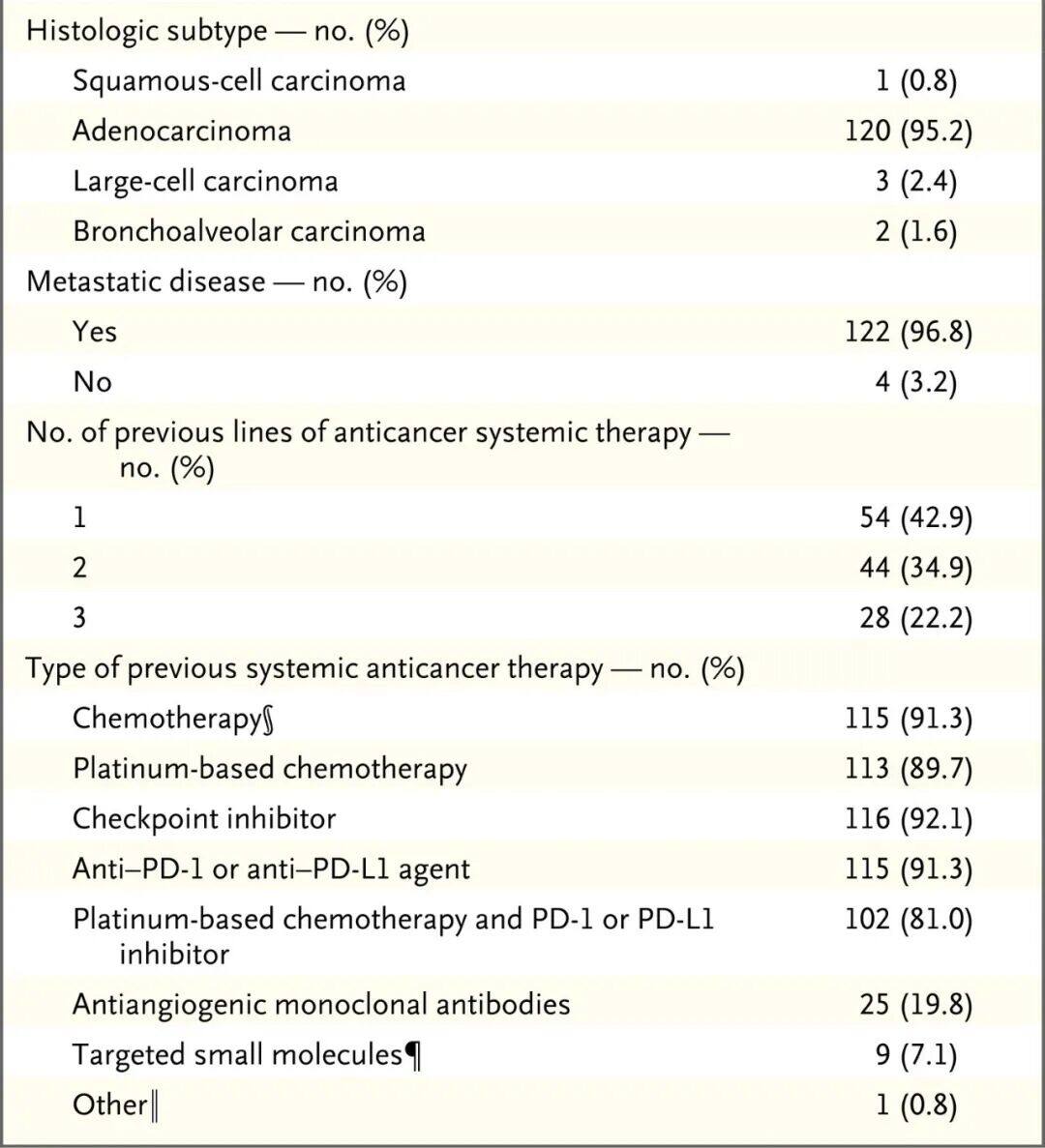
CodeBreaK100 Trial:A multicenter, single-arm, open-label, phase 2 trial aimed to evaluate in patients with locally advanced or metastatic KRAS p.G12C-mutant NSCLCsotorasibEfficacy and Safety of Monotherapy.Study InclusionPatients who experience disease progression after receiving immunotherapy or platinum-based combination chemotherapy, or after receiving both immunotherapy and platinum-based combination chemotherapy.The patient took sotorasib orally, 960 mg, once daily. The primary endpoint was objective response (complete or partial response); secondary endpoints included duration of response, disease control, time to response, progression-free survival, overall survival, and safety.From August 13, 2019, to February 5, 2020, a total of 126 previously treated patients with KRAS p.G12C-mutant NSCLC were enrolled and received at least one dose.sotorasibTreatment. Two patients had no measurable lesions at baseline and thus could not be evaluated for response.
Baseline Characteristics of Patients
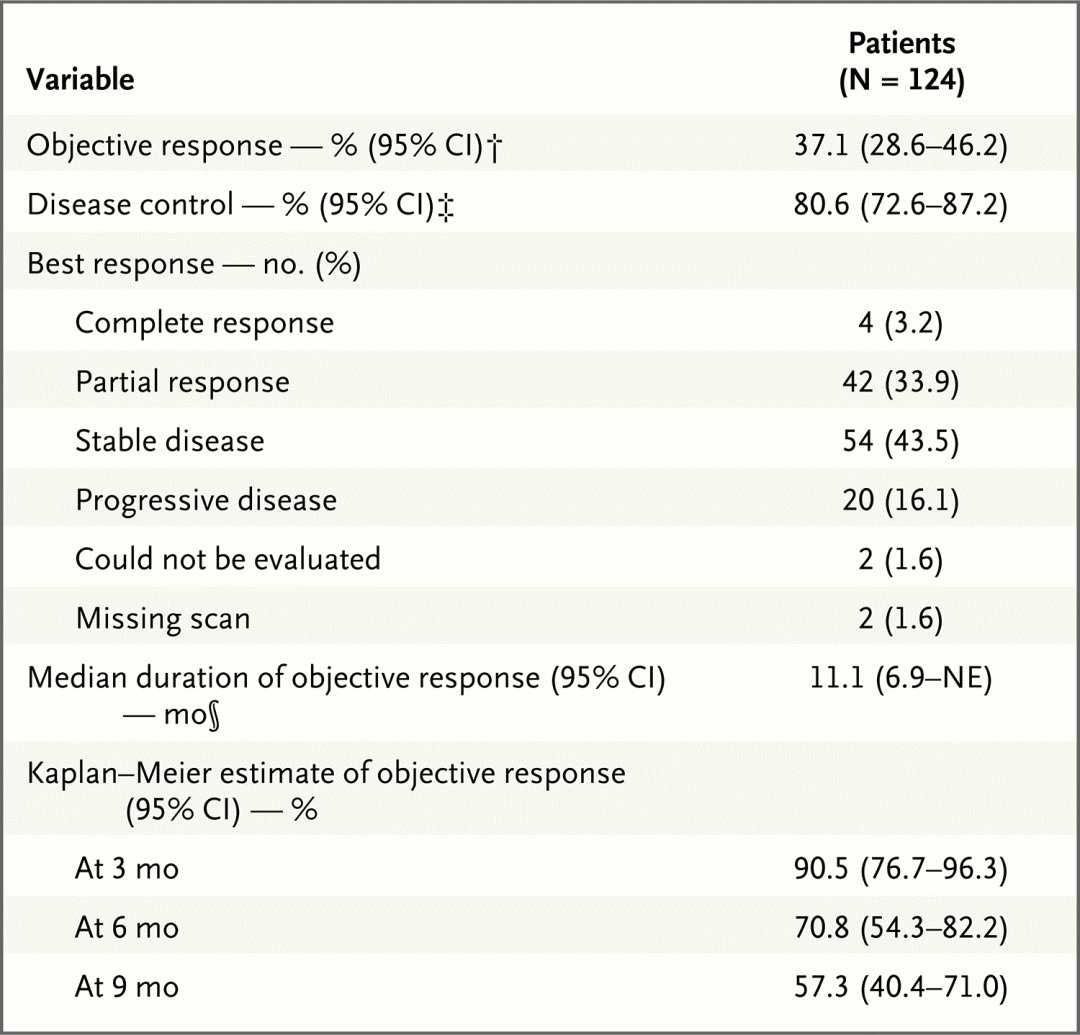
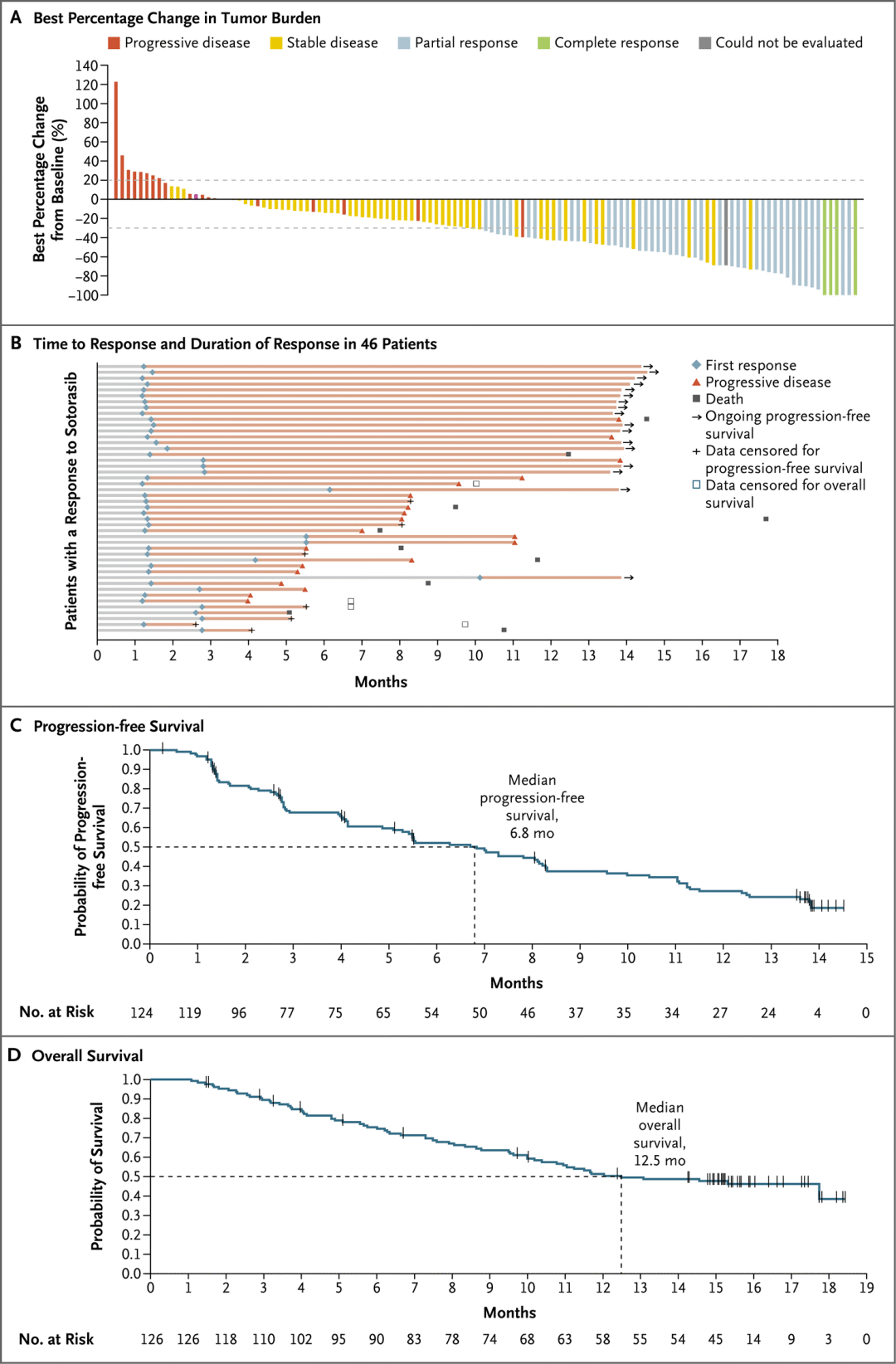
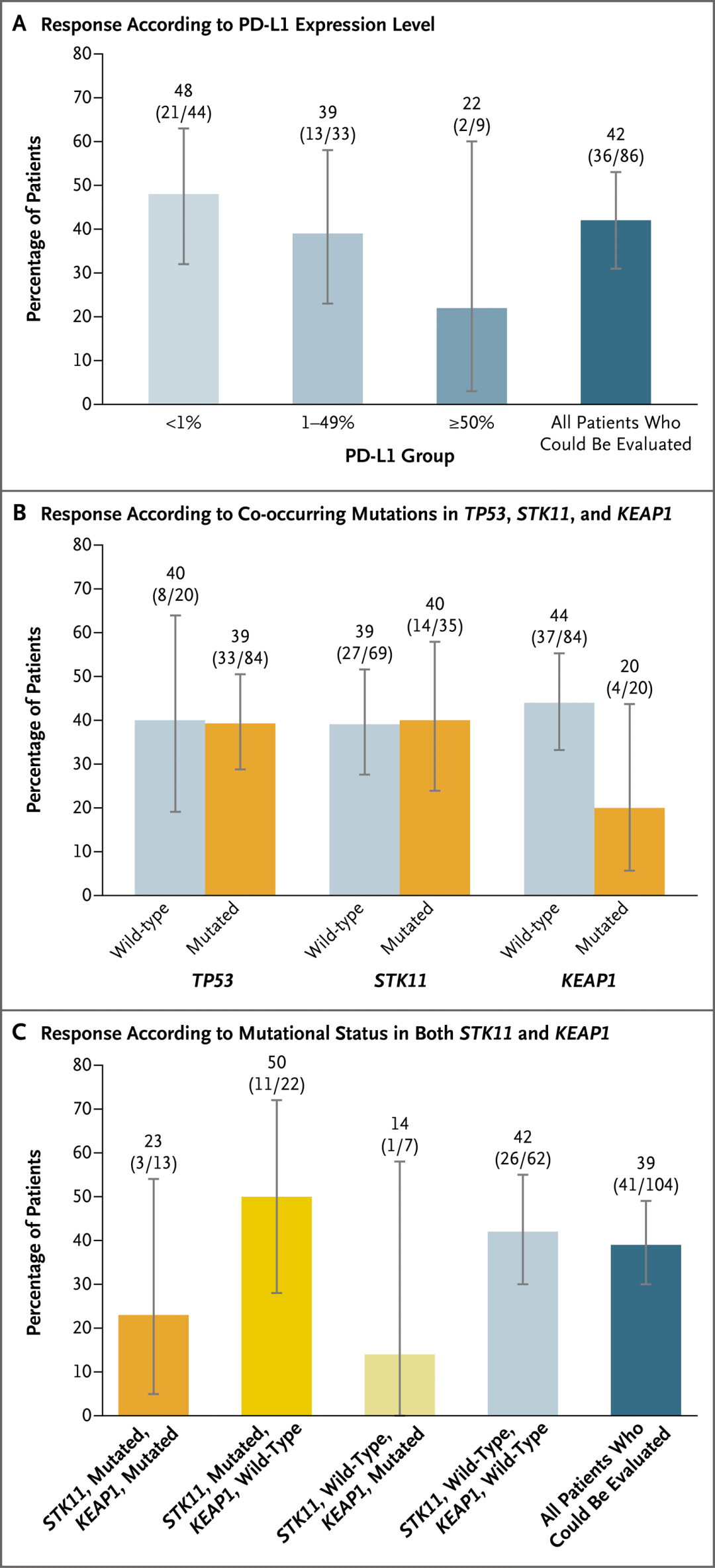
1. Data cutoff date was March 15, 2021, with a median follow-up time of 15.3 months.Among the 124 patients who underwent assessment for relief,ORR was 37.1% (95% CI,28.6-46.2), DCR was 80.6% (95% CI,72.6-87.2);PFS was 6.8 months (95% CI, 5.1-8.2)The progression-free survival rates at 6 months and 9 months were 52.2% (95% CI, 42.6-60.9) and 37.5% (95% CI, 28.4-46.5), respectively.The percentage of patients achieving objective response was consistent across predefined subgroups based on the number of prior treatment lines and prior receipt of anti-PD-1 or anti-PD-L1 therapy.2. Among the 46 patients who achieved objective response, the median time to response was 1.4 months (1.2-10.1), and the median duration of response was 11.1 months (95% CI, 6.9-not evaluable). Of the responding patients, 33 (71.7%)Relief was observed at the time of the first tumor assessment (approximately Week 6) in China.
3. All 126 patients,OS was 12.5 months (95% CI, 10.0-not evaluable)(Figure 1D)。
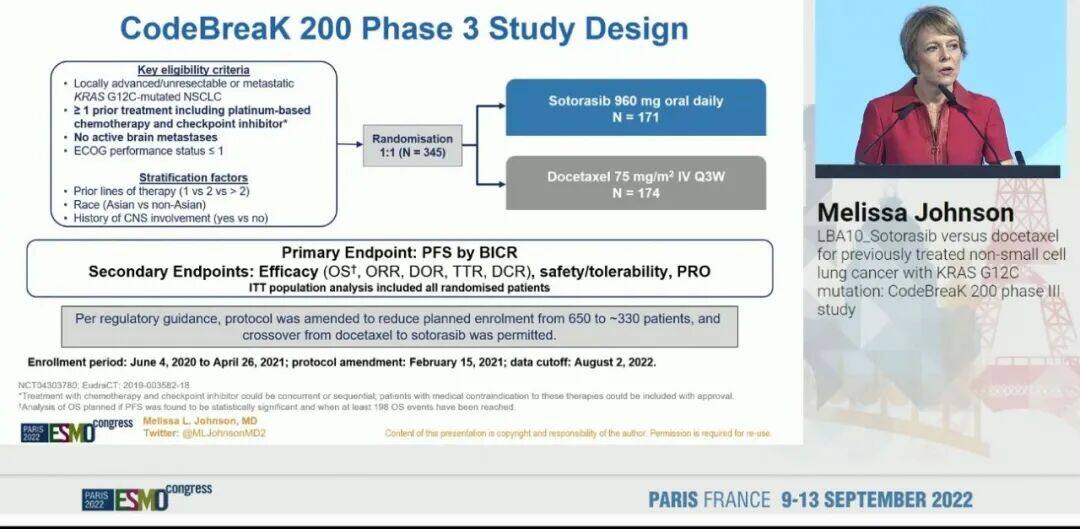
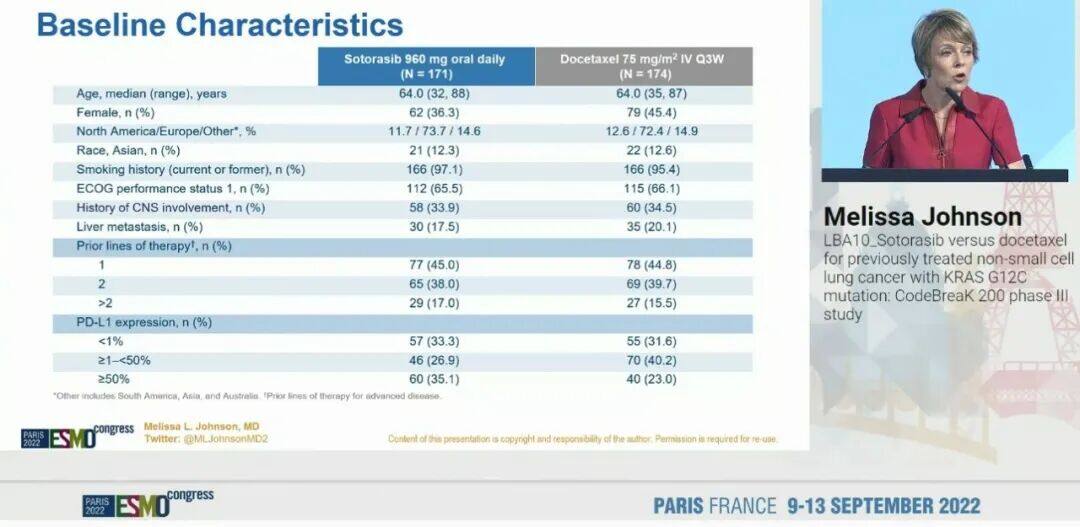
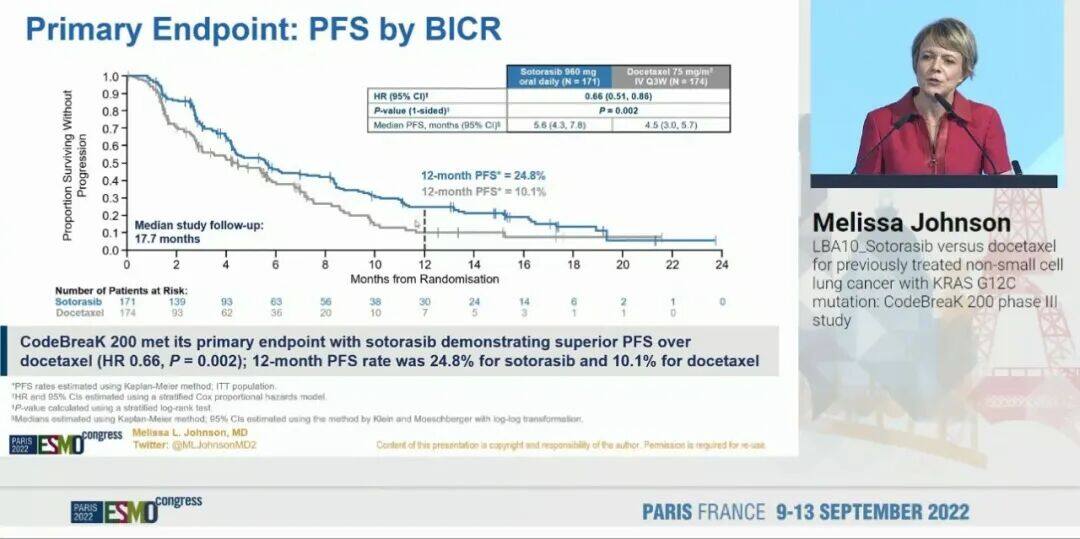
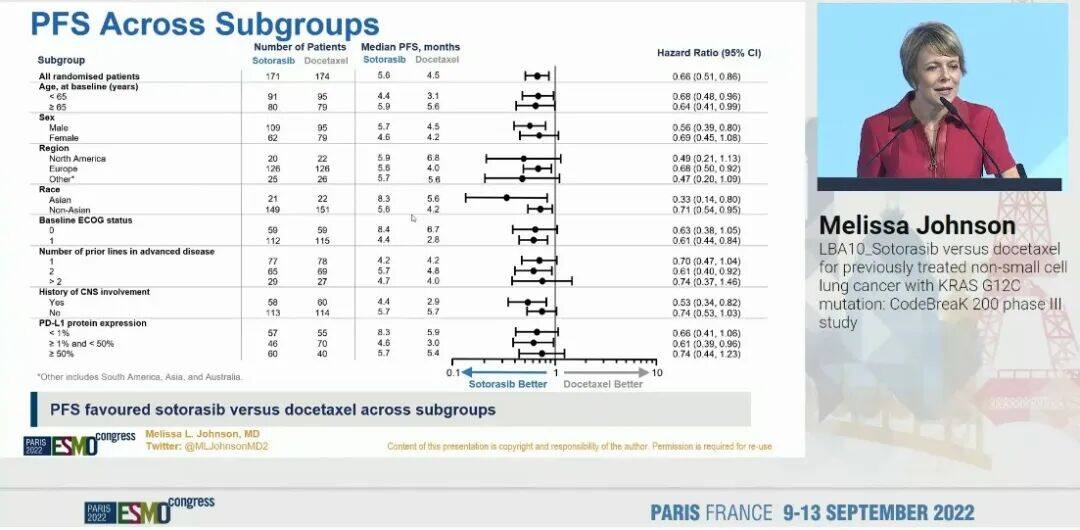
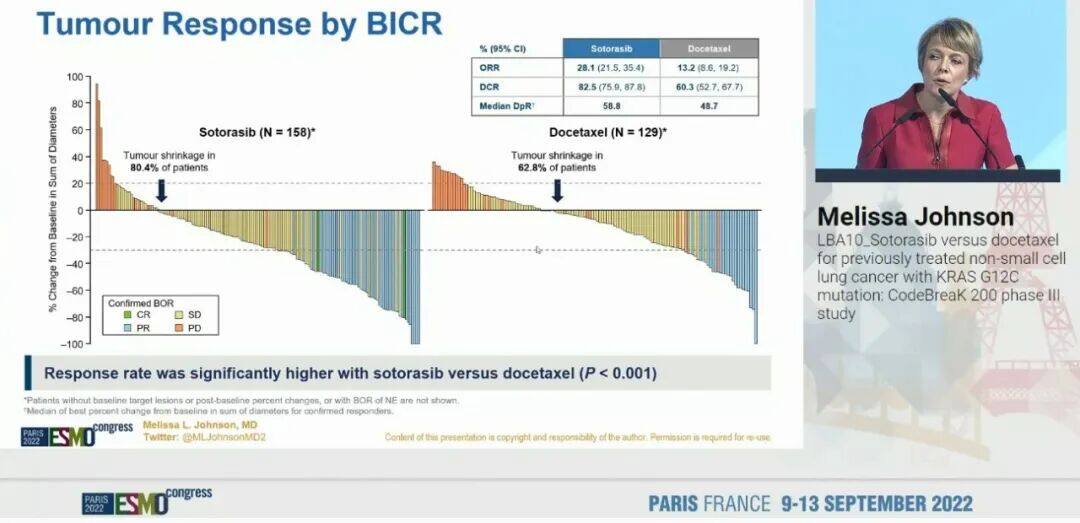
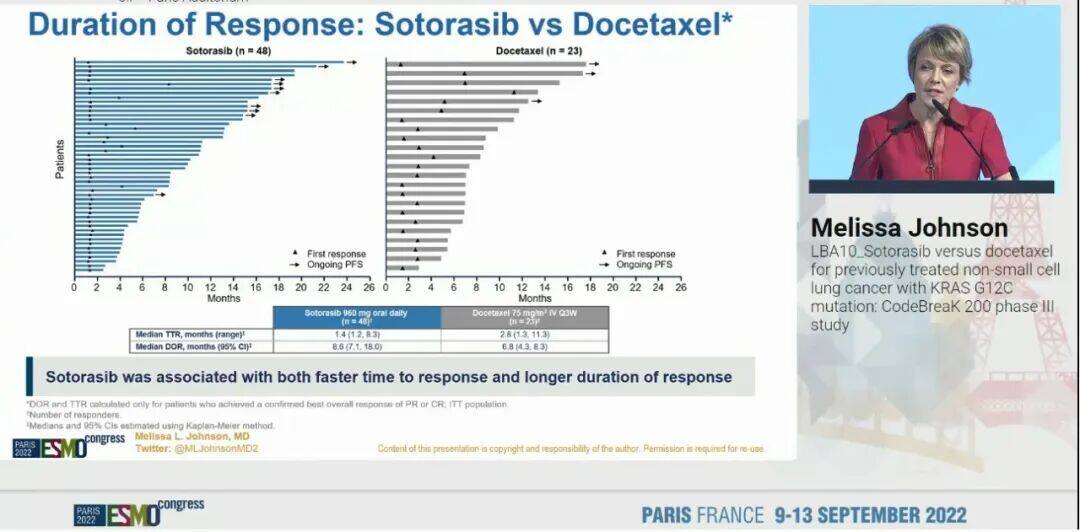
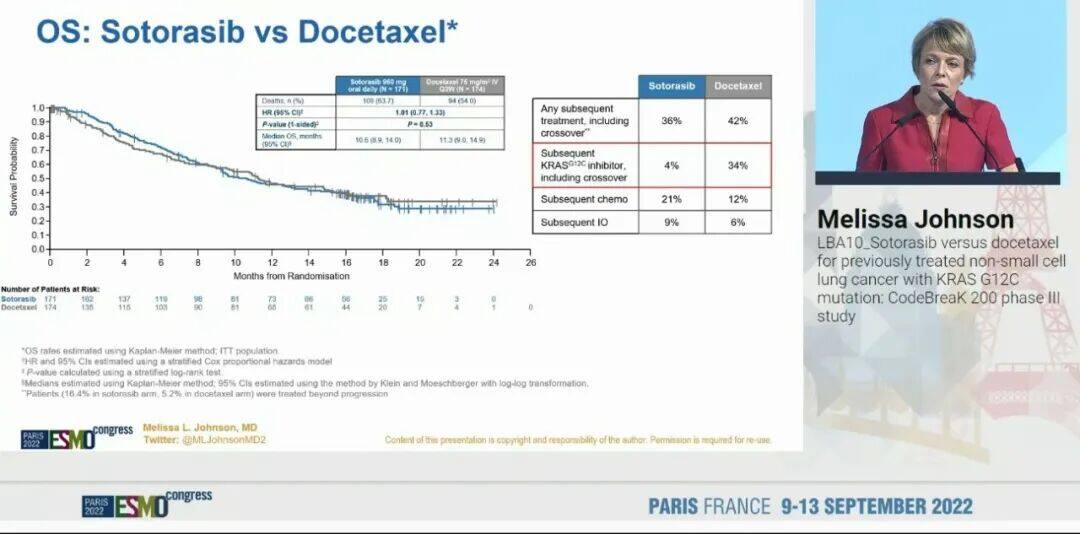
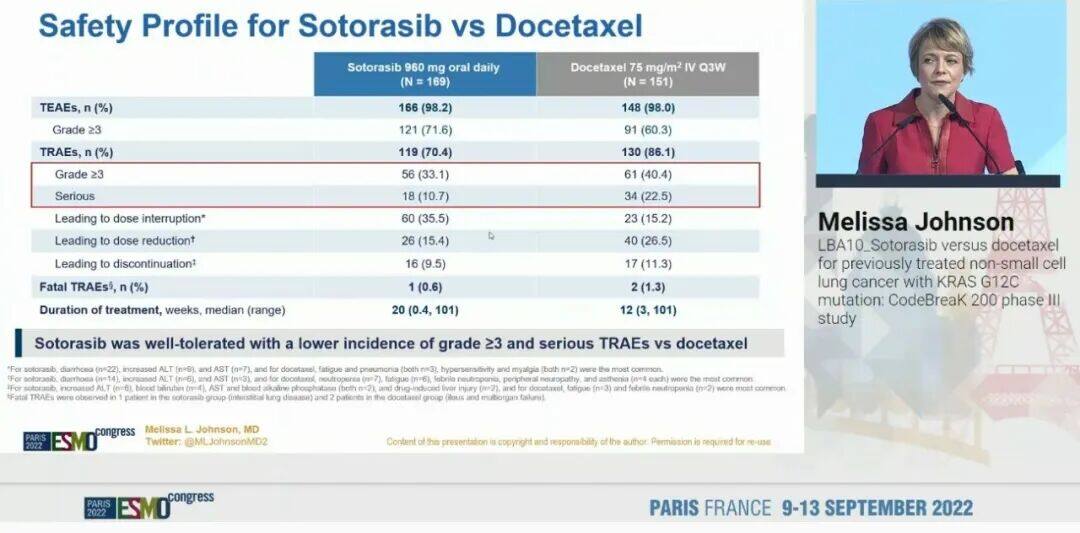
Safety: Adverse events occurred in 125 patients (99.2%); the most common adverse events included diarrhea (64 patients [50.8%]), nausea (39 patients [31.0%]), fatigue (32 patients [25.4%]), arthralgia (27 patients [21.4%]), elevated AST levels (27 patients [21.4%]), and elevated ALT levels (26 patients [20.6%]). The number of patients with the most severe adverse events classified as Grade 3, Grade 4, and Grade 5 were 53 (42.1%), 4 (3.2%), and 20 (15.9%), respectively.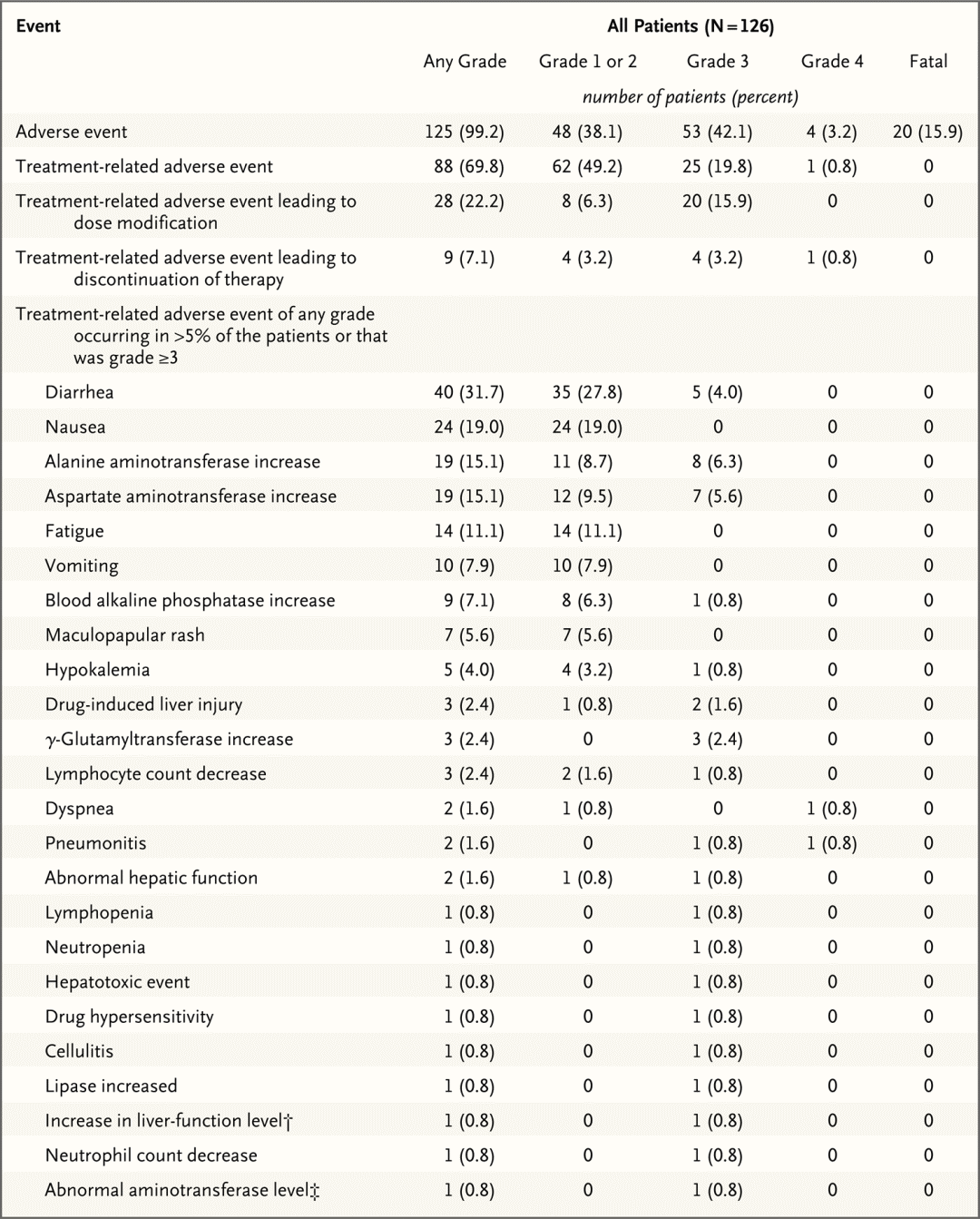 CodeBreaK 200 Study:It is a randomized, controlled, multicenter, open-label Phase III study aimed at evaluating the efficacy and safety of Sotorasib versus docetaxel in patients with NSCLC carrying the KRAS G12C mutation who have previously received platinum-based chemotherapy and immune checkpoint inhibitor treatment. The study enrolled 345 patients, with progression-free survival (PFS) as the primary endpoint and key secondary endpoints including overall survival, objective response rate, and patient-reported outcomes.Research Results:The study met its primary endpoint, showing a significant improvement in progression-free survival (PFS) with sotorasib treatment compared to docetaxel after a median follow-up of 17.7 months.The median PFS was 5.6 vs 4.5 months (HR 0.66; 95% CI: 0.51-0.86; p=0.002); The 1-year PFS rates were 24.8% vs 10.1%, with consistent PFS benefits across all subgroups.The ORR assessed by BICR was 28.1% (sotorasib, not impressive) and 13.2% (docetaxel), respectively.; Tumor shrinkage was observed in 80.4% and 62.8% of patients in the two groups, respectively; the disease control rates (DCR) were 82.5% and 60.3%, respectively.Overall survival (OS) showed no difference, with median OS of 10.6 months and 11.3 months in the sotorasib and chemotherapy groups, respectively (HR=1.01; p=0.53). The reason was that the study protocol allowed crossover, and subsequent treatments impacted OS.Safety:Sotorasib is superior to docetaxel, with the incidence of treatment-related adverse events (TRAE) of grade ≥3 being 33.1% and 40.4%, respectively, and the incidence of serious TRAE being 10.7% and 22.5%, respectively.
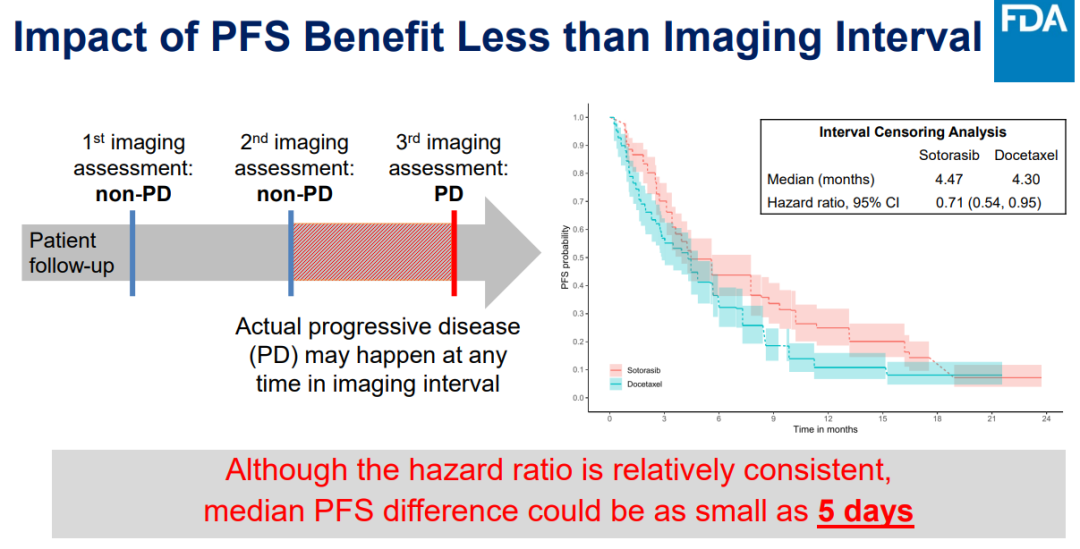
Although CodeBreaK 200 reached its primary endpoint, the FDA noted that the median PFS benefit in the sotorasib group (~5 weeks) was less than the interval between imaging follow-ups (6 weeks). Considering the inherent error in PFS assessment at the end of the imaging follow-up interval—given that progression could actually occur at any time point within the interval—the FDA based its evaluation on interval censoring.Interval censoring: For patients assessed as having disease progression during the follow-up interval, it is assumed that the event may occur at any time within the interval.Further analysis showed that the mPFS was 4.47 months in the sotorasib group and 4.3 months in the docetaxel group. Although a statistically significant difference was still observed, the difference between the two groups was only about 5 days. Additionally, no statistically significant difference in OS was found between the two groups, raising concerns from the FDA regarding the actual clinical benefit of the sotorasib group.