Illumina to Divest $8 Billion Grail Acquisition Amid Regulatory Pressure
Illumina
Diagnostic Product Developer

GRAIL
Early Cancer Diagnosis Technology Developer
The committee stated that Illumina, the leader in DNA sequencing, can now choose to sell Grail to another company or spin it off as a publicly listed entity, retaining the proceeds from such a move, provided that it is completed in a timely manner and restores Grail's independence and commercial viability to the level prior to Illumina's acquisition in August 2021.
Commissioner for Competition, Didier Reynders, stated in the press release that this decision to unwind the acquisition restores competition in the development of early cancer detection tests. These tests could represent a breakthrough in the fight against cancer.By ordering Illumina to restore GRAIL's independence, the Commission has ensured a level playing field in this crucial market, ultimately benefiting European consumers.
The European Commission orders Illumina to complete the divestiture as required, and both companies need to comply with transitional measures until Illumina unwinds the deal.
The following principles should be followed during the divestiture acquisition process:
The termination of the transaction must restore Grail's independence from Illumina to pre-acquisition levels.
After the divestiture, Grail must remain as commercially viable and competitive as it was prior to the acquisition, to ensure that Grail continues to engage in an innovation race with its competitors, similar to the state before the transaction.
Divestment must be executed within a strict timeframe with sufficient certainty to restore the pre-transaction status in a timely manner;
Illumina can choose an appropriate divestiture method as long as it adheres to the principles of the divestiture measures. However, the company must submit a divestiture plan and obtain approval from the European Commission.
In September 2020, Illumina announced an $8 billion cash-and-stock deal to acquire Grail. Since then, the company has faced a whirlwind of antitrust investigations by the European Commission and the U.S. Federal Trade Commission (FTC) over this merger.
In April 2021, Illumina delayed its acquisition of Grail after the FTC raised concerns that the proposed acquisition would stifle innovation in multi-cancer early detection tests. Weeks later, the European Commission announced it would also review Illumina's acquisition proposal.
In June 2021, a U.S. judge ruled in favor of the Federal Trade Commission's request to dismiss the case against the proposed merger. The ruling allows the European Commission to investigate the merger while the deal remains blocked.
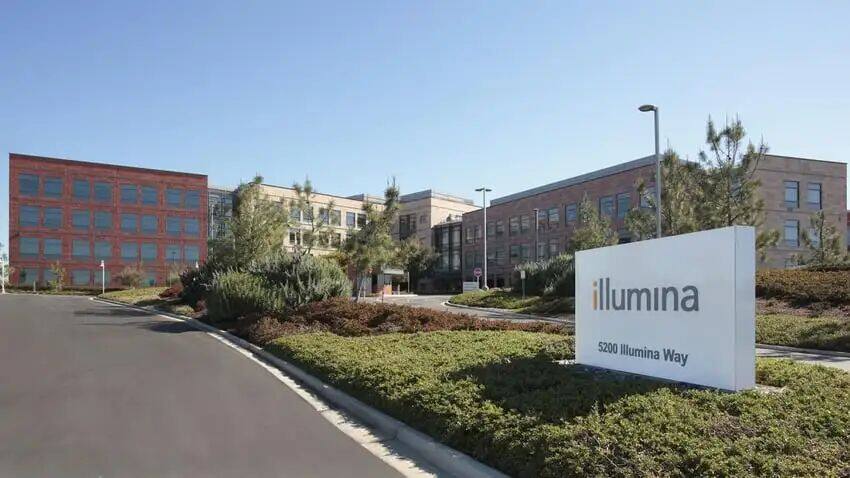
In August 2021, Illumina completed the $8 billion acquisition of Grail despite scrutiny from two regulatory agencies.However, before all reviews are completed, GRAIL will remain separate from Illumina.
In September 2022, Illumina cleared antitrust hurdles in the United States but was again blocked by the European Commission, which prohibited the company from acquiring GRAIL.
In July 2023, Illumina and Grail were fined heavily by the European Union due to the way they handled their merger. Illumina was fined $478.9 million (€432 million), and Grail was fined $1,108 (€1,000). The Commission claimed that the two companies implemented the proposed merger before obtaining approval from the Commission. Such actions violate the EU's merger control rules.
Grail, Inc. was founded in 2016 and is headquartered in Menlo Park, California, USA. Grail, Inc. is a leading company in early cancer screening in the United States. It was originally spun off from Illumina, Inc. In January 2016, Illumina, Inc. announced that it would spin off its liquid biopsy business and assets into Grail, Inc. At that time, liquid biopsy was already being used to detect drug responses in cancer patients and subsequently assist in cancer treatment.After the split, Grail clearly positioned its future research direction in disease screening and stated that it would focus on tracking DNA shed from tumor cells in the blood.
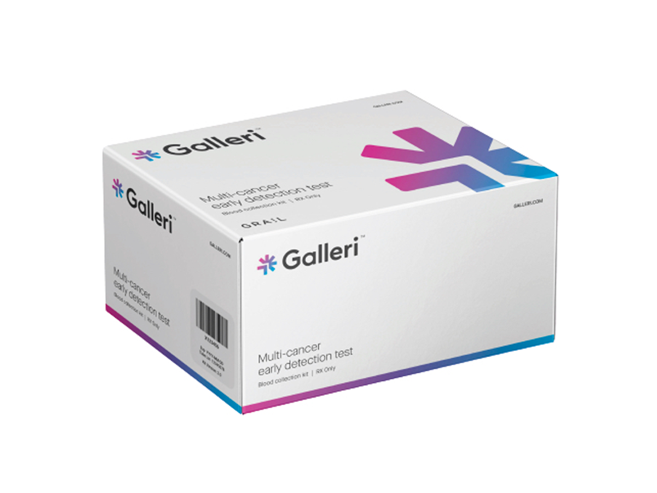
Grail's Latest Detection Product is Called Galleri™, a Multi-Cancer Early Detection Blood Test. It Uses Machine Learning Algorithms to Compare Blood Samples with Genomic Sequencing Data for Detection. Galleri Aims Not Only to Detect Cancer at the Earliest Stage but Also to Identify the Exact Organ Where Cancer Originates, Minimizing False Positive Rates to Avoid Unnecessary Repeat Testing and Treatment.On September 20, 2021, this early cancer detection product received approval from the New York State Department of Health, meaning local residents can access it through a prescription as a supplementary test for cancer screening.
In January 2023, Illumina's CEO Francis DeSouza (DeSouza resigned from his position as CEO on June 12 this year) shared insights in Davos regarding why Illumina decided to acquire GRAIL, shedding light on the background of the acquisition.
DeSouza said in the interview, "The acquisition of Grail will enable Illumina to provide affordable pan-cancer screening globally. The innovative Galleri test can help Illumina expand its market share in the global $44 billion cancer screening market."
Editor-in-Chief | Zhao Qing Reviewed by | Yi He Typeset by | Miya