

Pfizer's $6.7B Oral Ulcerative Colitis Drug Velsipity (etrasimod) Receives FDA Approval

Pfizer
Pharmaceutical R&D Developer
Statement:Due to limited proficiency, errors are inevitable, and some information may not be the most up-to-date. Please feel free to leave comments pointing them out.This article only provides an introduction to drugs related to healthcare, not a recommendation for treatment plans (if involved); this article does not constitute any investment advice.
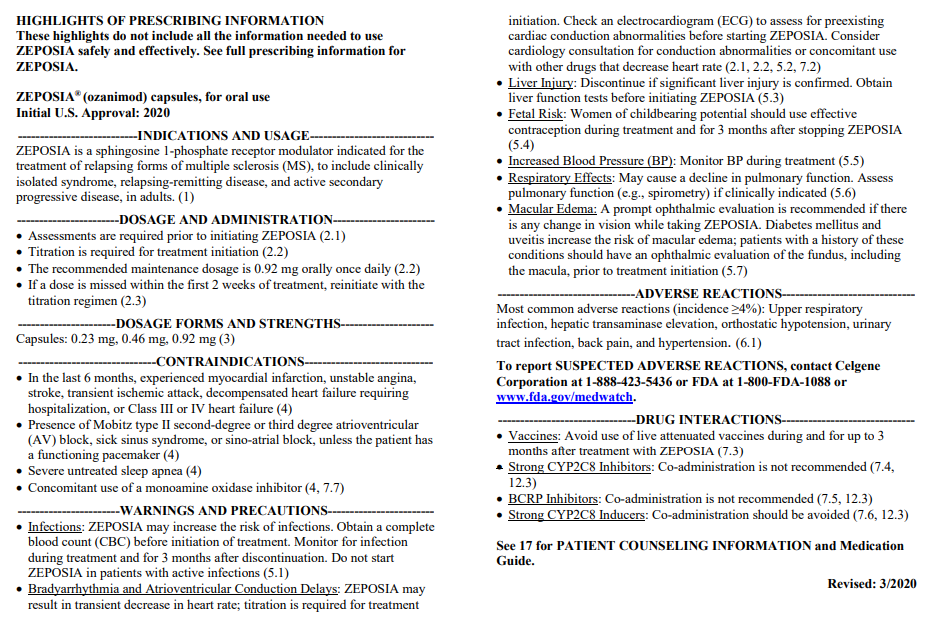
On October 13, Pfizer, Inc. announcedEtrasimod has been approved by the U.S. Food and Drug Administration(FDA)Approval for the treatment of moderate to severe ulcerative colitis. This followsBristol Myers Squibb(Bristol-Myers Squibb)TheZeposia® (ozanimod/0.92mg) is the second 1-phosphatidylsphingosine (S1P) receptor modulator to enter the ulcerative colitis market.

Etrasimod, marketed under the brand name Velsipity, is an oral S1P receptor modulator taken once daily.While competing with Zeposia, Pfizer must also differentiate this drug from many other therapies, including steroids and biologics.Pfizer set the wholesale acquisition cost of a 30-day bottle at $6,164, or $75,000 annually, which Evercore ISI noted is a mid-range price among existing options.A spokesperson said that the drug will begin to be marketed in the United States at the end of November.
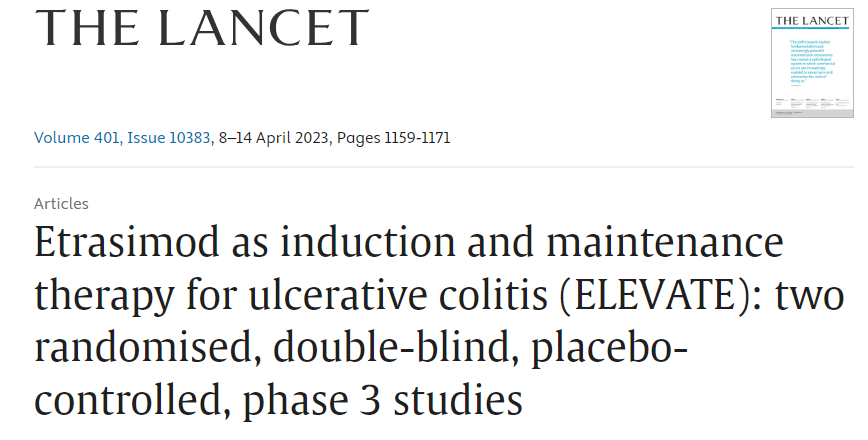
This approval is based on twoPositive Data from Phase III ELEVATE UC 52 and ELEVATE UC 12 Studies.
InIn ELEVATE UC 52, at Week 12, receiveVelsipityThe clinical remission rate of treated patients is27.0%, while the clinical remission rate for patients receiving placebo treatment was 7.0% (difference of 20.0%, P˂0.001); At week 52, the clinical remission rate in patients treated with VELSIPITY was32.0%, while the clinical remission rate for patients receiving placebo treatment was 7.0% (difference of 26.0%, P≤0.001)。
In ELEVATE UC 12, receiveVelsipityAmong the treated patients26.0%Achieved clinical remission, while only 15.0% of patients receiving placebo treatment achieved clinical remission (difference of 11.0%, P≤0.05). All key secondary efficacy endpoints were met at week 12, including endoscopic improvement and mucosal healing.
VelsipitySafety andPrevious researchConsistently, the most common adverse reaction is headache., Elevated liver function test results and dizziness(Incidence rate ≥5%).
Patients with certain heart problems or arrhythmias are contraindicated. Velsipity, which may cause serious infections or bradyarrhythmias leading to a temporary slowing of the heart rate. Zeposia also carries a similar warning on its FDA label.
The full data of the trial was published in The Lancet in April 2023.
References:
[1] Company Official Website
[2]https://endpts.com/