

Milestone Achieved: World’s First In Vivo Gene Editing Therapy NTLA-2001 Granted FDA Clearance for Phase III Clinical Trial

Intellia Therapeutics
Gene Editing Therapy Developer

Regeneron
Biopharmaceutical Manufacturer

On October 18, Intellia Therapeutics announced that the FDA had approved its in vivo CRISPR gene editing therapy NTLA-2001 for a pivotal Phase III clinical trial, which is expected to commence by the end of this year. NTLA-2001 isThe World's Most Advanced In Vivo CRISPR Gene Editing Therapy, used to treat transthyretin amyloidosis (ATTR amyloidosis).
Previously, Intellia has collaborated withRegeneron(Regeneron) reached an agreement, Intellia will lead the development and commercialization of NTLA-2001, and Regeneron will bear 25% of the cost in exchange for the same share of profits.

ATTR Amyloidosis is a life-threatening rare disease characterized by the progressive accumulation of misfolded transthyretin (TTR) protein in tissues, primarily nerves and the heart. NTLA-2001, as an in vivo gene editing therapy, can function throughReduce the concentration of TTR in serumTo treat ATTR amyloidosis.
NTLA-2001 utilizes an LNP liver delivery system, carrying a target for humansTTRThe sgRNA of the gene and the mRNA sequence of the optimized Streptococcus pyogenes Cas9 protein. The mechanism of action of NTLA-2001 in treating ATTR amyloidosis is shown in Figure 1.
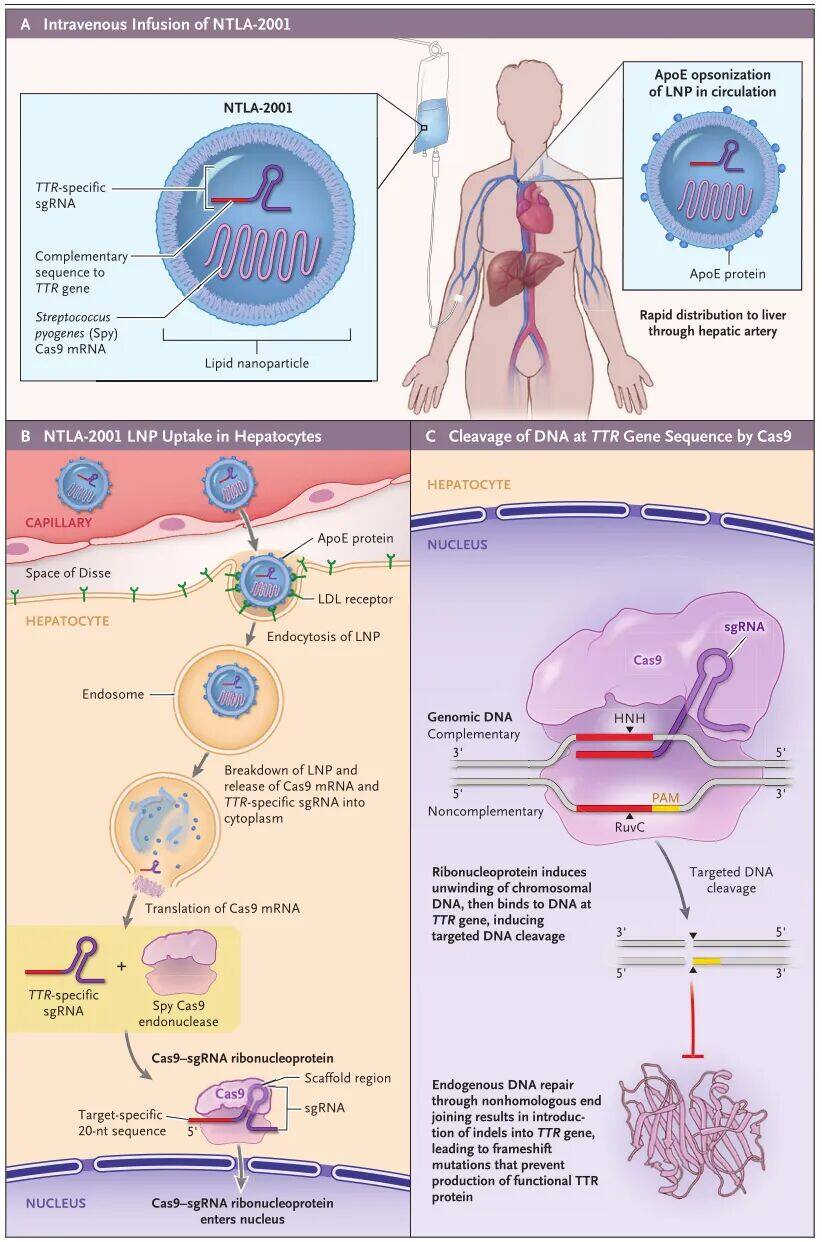
June 2021,N Engl J MedPublished partial preclinical data and Phase I clinical trial data of NTLA-2001.
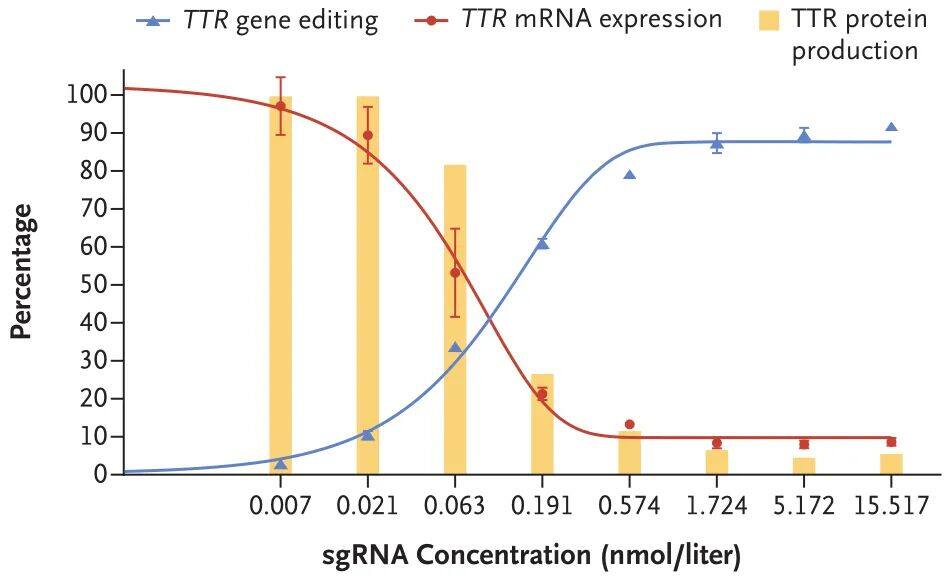
Preclinical DataAs shown in Figure 2, low concentrations of NTLA-2001 can produce high levels in primary human hepatocytes.TTREditing efficiency (≥93.7%),TTRmRNA expression reduced by 91%+, TTR protein production reduced by 95%+. Additionally, sequencing results show that NTLA-2001 can induceTTRThe gene was knocked out.
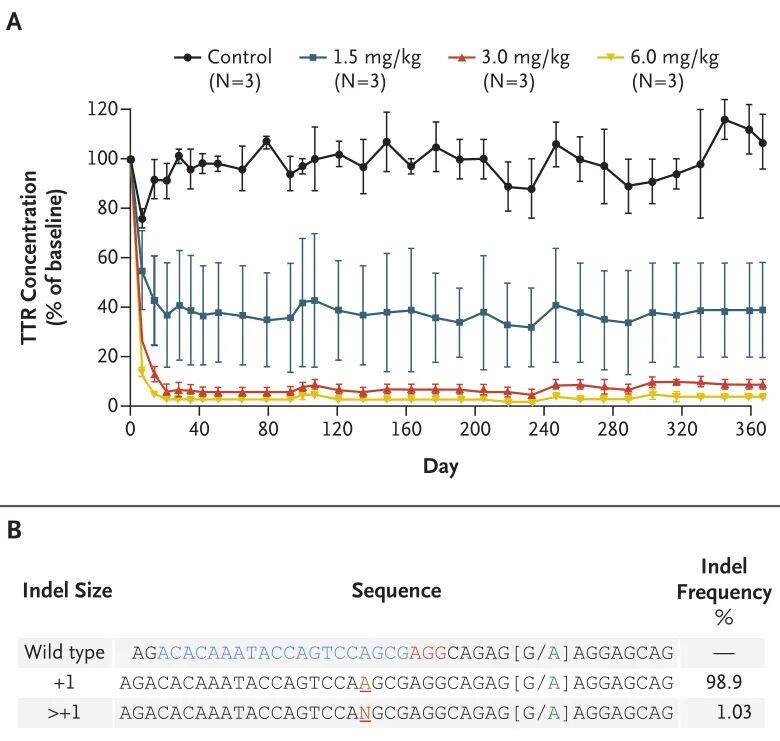
In addition, the efficacy of NTLA-2001 in gene editing in cynomolgus monkeys is shown in Figure 3. At two dose levels (3mg/kg, 6mg/kg), serum TTR protein was reduced and the effect lasted for 12 months. Sequencing results also confirmed that NTLA-2001 hasTTR GeneThe editing capability.
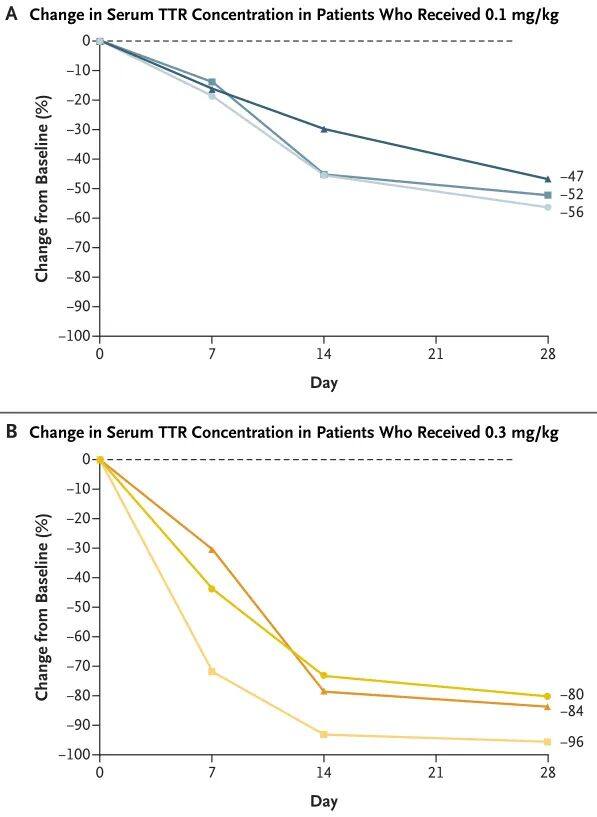
In terms of clinical dataThis Phase I clinical trial evaluated the safety and efficacy of six patients under single ascending dose conditions, with three patients in each of the two initial dose groups (0.1 mg/kg and 0.3 mg/kg).The results are shown in Figure 4. After treatment with NTLA-2001, serum TTR levels decreased by 52% in the 0.1 mg/kg dose group and by 87% in the 0.3 mg/kg dose group. Both dose groups were well-tolerated, with no serious adverse events or liver damage observed so far. This therapy demonstrates favorable efficacy and safety.
Intellia's recent statement did not disclose the design details of NTLA-2001's Phase III trial. However, Intellia's Chief Medical Officer, Dr. David Lebwohl, mentioned during a conference call in August that the scale of the study would be "very similar" to Alnylam's HELIOS-B study (Alnylam enrolled 655 patients with ATTR amyloidosis in the HELIOS-B Phase III trial).

In 2020, the Nobel Prize in Chemistry was awarded to American scientist Jennifer Doudna and French scientist Emmanuelle Charpentier for their contributions to the research field of genome editing methods. This gene editing method is the third-generation gene editing technology, CRISPR/Cas technology.
Based on the preliminary research of CRISPR technology, Doudna founded the CRISPR/Cas9 genome editing company Intellia Therapeutics in 2014. In 2016, Intellia Therapeutics went public on NASDAQ.
Currently, Intellia has multiple pipelines in in vivo/ex vivo CRISPR gene editing, with NTLA-2001 being the most advanced, soon entering Phase III clinical trials.
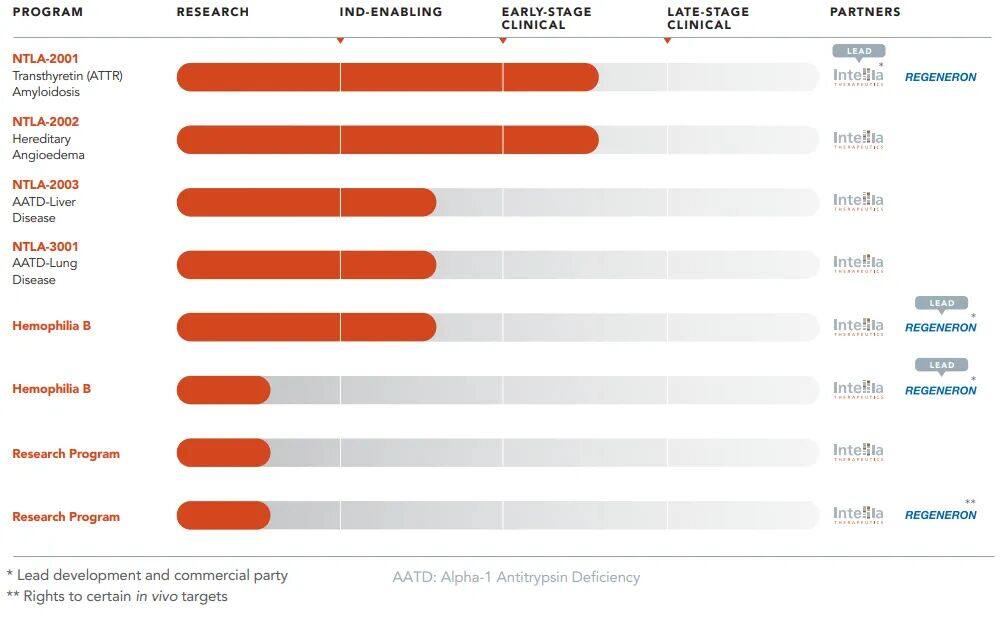
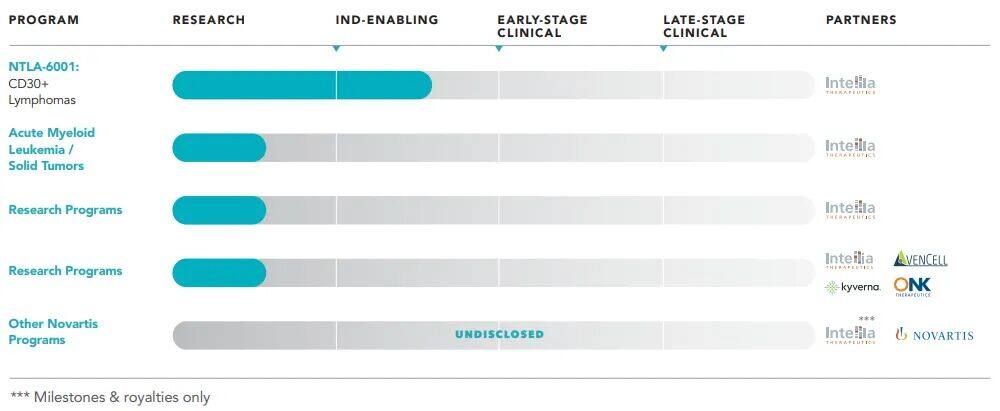
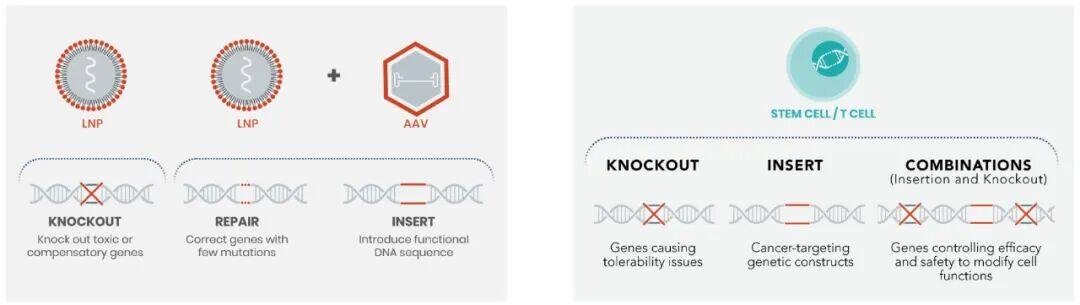
Gene editing hasIn Vivo Gene EditingAndIn vitro gene editingTwo types of in vivo gene editing therapies can use LNP or LNP+AAV combinations to deliver gene editing tools into the body. In vivo gene editing is expected to fundamentally change the treatment methods for many diseases, with the potential to achieve a one-time treatment that lasts a lifetime.
Intellia's NTLA-2001 Receives FDA Approval for Pivotal Phase III Clinical Trial, Marking the Entry of the World’s First In Vivo Gene-Editing Therapy into Late-Stage Clinical Development, with Potential to Revolutionize Treatment for Many Diseases.
References:
[1]Julian D. Gillmore. CRISPR-Cas9 In Vivo Gene Editing for Transthyretin Amyloidosis. The NEW ENGLAND JOURNAL of MEDICINE(2021)
[2]https://www.fiercebiotech.com/biotech/intellia-gets-fda-ok-trial-vivo-crispr-therapy-us-teeing-23-start-phase-3-trial


PharmaCube Pro
New Targets, New Technologies, New Therapies