

OX40 Target Breakthrough Poised to Deliver Blockbuster Therapies in Autoimmune Diseases

Ichnos Sciences
New Drug Developer

Sanofi
Pharmaceutical R&D Developer

Astria Therapeutics
Small Molecule Drug Developer

Amgen
Developer of Treatment Drugs for Serious Diseases
A breakthrough in the druggability of a popular target is brewing to become a blockbuster.
On October 13, Sanofi's targeted OX40-ligand monoclonal antibody Amlitelimab met the primary endpoint in the Phase 2b STREAM-AD trial, demonstrating significant relief of symptoms in adult patients with moderate to severe atopic dermatitis (AD). Based on this clinical data, Amlitelimab has the potential to become the first-in-class targeted OX40-ligand monoclonal antibody.
On October 12, Astria Therapeutics announced that it had entered into a licensing agreement with Ichnos Sciences to develop the OX40 portfolio. The deal terms include a $15 million upfront payment and potential milestones of $305 million, for the treatment of atopic dermatitis (AD) and other allergic & immune diseases.
The interest in the OX-40 target is increasing, but it is not an overnight achievement. In the field of oncology, Pfizer and Roche's OX-40 agonists failed due to insufficient efficacy, and Bristol-Myers Squibb, GSK, and AstraZeneca faced similar setbacks. Currently, Amgen and Sanofi’s OX-40 antibodies, which have entered the late clinical stages, have made breakthroughs in autoimmune diseases.
Amgen and Sanofi’s OX-40 molecules were all sourced externally. In June 2021, Amgen paid an upfront fee of $400 million and milestone payments of $850 million to introduce Rocatinlimab from Kyowa Kirin; Sanofi’s Amlitelimab was originally developed by Kymab, which Sanofi acquired for $1.45 billion in November 2021.
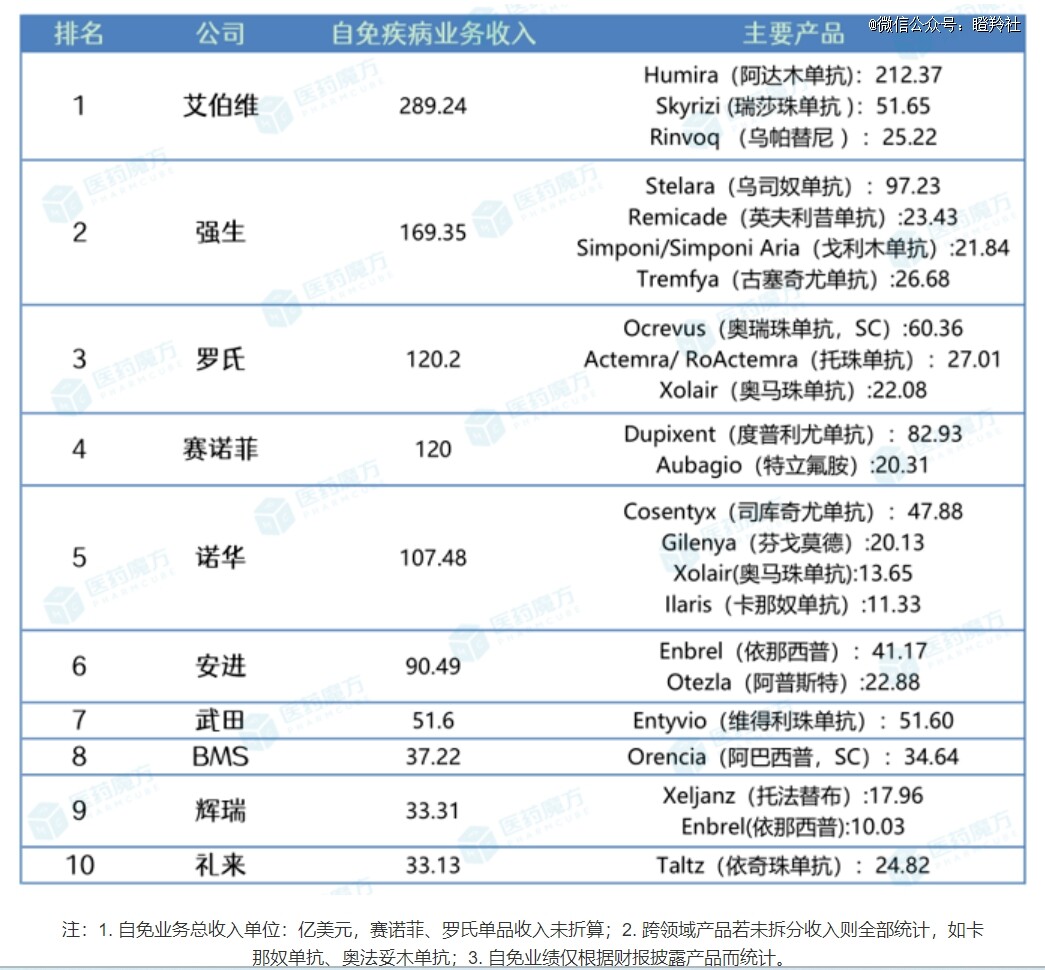
In the 2022 ranking of the top 10 pharmaceutical giants in the global autoimmune field, Sanofi and Amgen ranked fourth and sixth, respectively. Both have produced blockbuster drugs like Dupilumab and Etanercept, which adds more promise to their joint significant investment in the OX-40 target.
01
OX-40, A Multifaceted Player in Oncology and Autoimmunity
OX40 (also known as CD134) is a cell surface protein belonging to the tumor necrosis factor receptor superfamily (TNFRSF), primarily expressed on activated T cells.
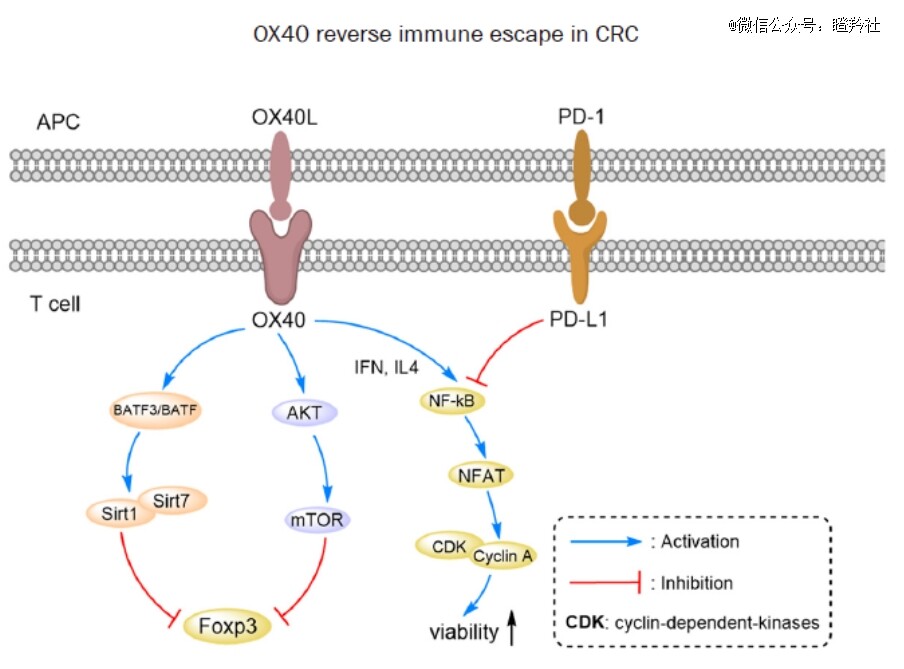
Some people have compared the role of PD-1 antibody and other immune checkpoint inhibitors to"Removing the brakes that suppress the immune system", while therapies that stimulate immune responses, such as OX-40 antibodies, are likened to"Step on the accelerator of the immune system"As we all know, the activation of T cells is at the core of the body's immune response. From the above analogy, it can be seen that OX-40 plays an important role in regulating the activity and survival of T cells.
The unique mechanism of OX40 itself determines its broad market potential and the diversity of development strategies by researchers. For example, OX40 can broadly inhibit multiple disease-related signaling pathways, demonstrating therapeutic potential across various indications; additionally, OX40 can suppress memory T cells, often allowing patients to maintain a sustained response even after discontinuation of treatment.
Currently, the global R&D direction of OX40 mainly focuses on two major fields: oncology and autoimmune diseases.
In the field of oncology,Tumor treatment through OX40 and OX40L co-stimulatory signaling is one of the main research directions, with most of the R&D pipelines being OX40 agonists. The primary principle is that the transmission of OX40 signals can promote the survival of conventional CD4+ and CD8+ T cells, increase the expression of cytokines such as IL-2, IL-4, and IL-5, and enhance tumor-specific effector T-cell immune responses, thereby playing a role in killing tumor cells.
Notably, OX40 is expressed on the surface of infiltrating lymphocytes in a variety of different tumor tissues, including breast cancer, melanoma, B-cell lymphoma, and head and neck cancer, among others, indicating a very high ceiling for the explorable indications market. Meanwhile, combination therapies involving immune checkpoint inhibitors and targeted co-stimulatory receptors (such as the combination of PD-1 and OX-40) have become a popular area of exploration, which not only helps remove the brakes for cancer patients but also steps on the accelerator to enhance the killing effect on tumors.
In the autoimmune field,The main R&D direction of the drug is antibodies targeting OX40 or its ligand OX40L, which improve autoimmune antigen-specific T-cell responses and reduce immune activity in autoimmune diseases by blocking the binding of OX40 to OX40L.
OX40, as an upstream regulatory protein, can modulate the proliferation, activation, and memory formation of various abnormally activated pathological T cells, and can suppress the initiation and amplification of inflammatory responses mediated by multiple T cell subsets such as Th1/Th2/Th17/Th22.
Thus, it can explain why OX40 antibody holds certain potential in treating various indications such as atopic dermatitis, alopecia areata, rheumatoid arthritis, psoriatic arthritis, graft-versus-host disease, asthma, and more.
02
In the field of atopic dermatitis, OX40 takes the lead in shining.
Whether it is Sanofi's OX40L antibody Amlitelimab or Amgen's OX40 antibody, both have made breakthrough progress in the indication of atopic dermatitis.
Given the current strength demonstrated by IL-4Rα antibodies in atopic dermatitis (AD), the market will inevitably compare Sanofi's Amlitelimab data with it.
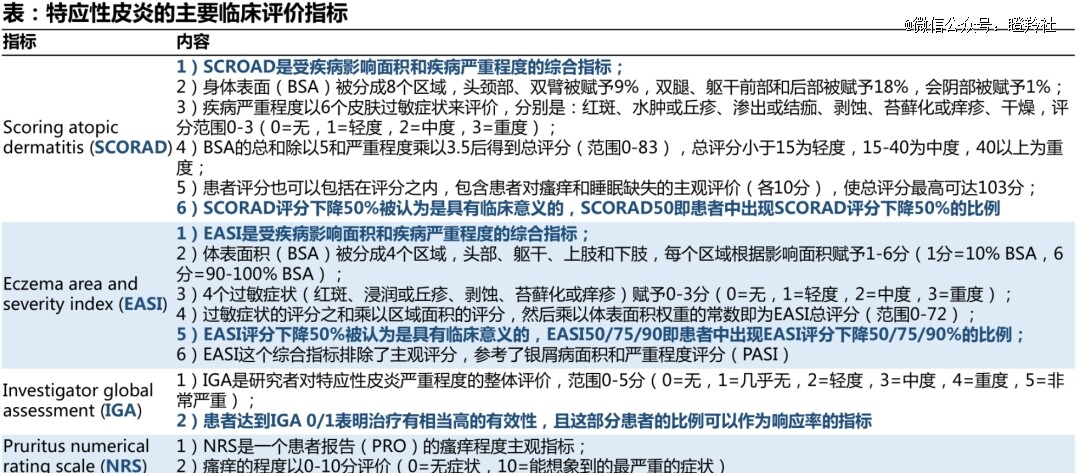
Let's compare Amlitelimab and Dupilumab (Sanofi's Dupixent) using two commonly used endpoints for atopic dermatitis: the Investigator's Global Assessment score (IGA) and the percentage of patients achieving ≥75% reduction in the Eczema Area and Severity Index (EASI-75), in a non-head-to-head manner (different clinical baselines, for reference only).
(Source: Guoxin Securities)
In the IGA scoring aspect, 22.1% and 45.5% of patients in the Amlitelimab treatment group achieved IGA 0/1 (complete clearance/near complete clearance) at weeks 16 and 24, respectively, compared to 5.1% and 11.4% in the placebo group. In contrast, Dupilumab's week 16 data from two clinical trials showed 38% vs. 10% and 36% vs. 9% compared to the placebo group. On paper, Amlitelimab's data appears slightly inferior to Dupilumab.
In the EASI-75 scoring aspect, 40.3% and 54.5% of patients in the Amlitelimab treatment group achieved more than 75% reduction in lesion area at Week 16 and Week 24, respectively, compared to 11.4% and 17.7% in the placebo group; in Dupilumab's Week 16 data, its EASI-75 results versus placebo were 51% vs 15% and 44% vs 12%; after excluding the placebo effect, both treatments showed similar efficacy from this data perspective.
It is also worth noting that, on some issues, the OX-40 antibody provided a better solution compared to the IL-4Rα antibody.
Itching accompanies almost all patients with atopic dermatitis, and the more they scratch, the itchier it becomes. This is mainly due to some cytokines produced by Th2 cells (such as IL-4, IL-13, etc.) stimulating the skin to produce IL-31 (an itching factor). IL-31 not only primarily causes itching but also scratching by hand can exacerbate the inflammatory response while further promoting the expression of IL-31, creating a cycle where the more they scratch, the itchier it gets.
IL-4Ra, as a downstream pathway, cannot be effectively addressed by related inhibitors. However, OX-40(L), acting as a secondary co-stimulatory signal for T cells, can block the interaction between the two and regulate the Th1/Th2/Th17/Th22 pathways, thus partially addressing the itching problem associated with atopic dermatitis. Amgen's Rocatinlimab demonstrated promising potential in Phase IIb clinical trials, outperforming Dupilumab on the NRS metric.
In addition, based on the mechanism of OX40 suppressing memory T cells described earlier, we can see that in clinical studies of OX40-related molecules such as Rocatinlimab, Amlitelimab, and Telazorlimab, most atopic dermatitis patients maintain good therapeutic effects for 4 months or even half a year after discontinuation, demonstrating the advantage of long-term relief without additional safety concerns.
03
The Fierce Battle of OX40 in China
Although domestic innovative pharmaceutical companies seem to be highly active in OX-40, nearly 90% of the indications being targeted are actually for cancer.
In the OX-40 target layout, Innovent Biologics' IBI-101 was the first to enter clinical trials in February 2019. Its main mechanism of action follows the agonist pathway, aiming to enhance the activation of effector T cells and mediate the clearance of regulatory T cells, thereby inhibiting the growth of tumor cells. Additionally, at that time, there was another OX40/PD-L1 bispecific antibody, IBI-327, in the preclinical stage. However, in the company's latest interim report for 2023, these two pipelines are no longer mentioned, most likely optimized due to unsatisfactory progress.
Another powerful * is BeiGene's BGB-A445. According to available data, BGB-A445 differs from most other OX40 antibodies under development as it does not function by blocking the OX40/OX40L interaction. BeiGene's 2023 mid-year report shows that the clinical trial exploring the use of BGB-A445 in combination with tislelizumab for solid tumor treatment has progressed to phase II, making it one of the fastest-progressing OX40 antibodies in China.
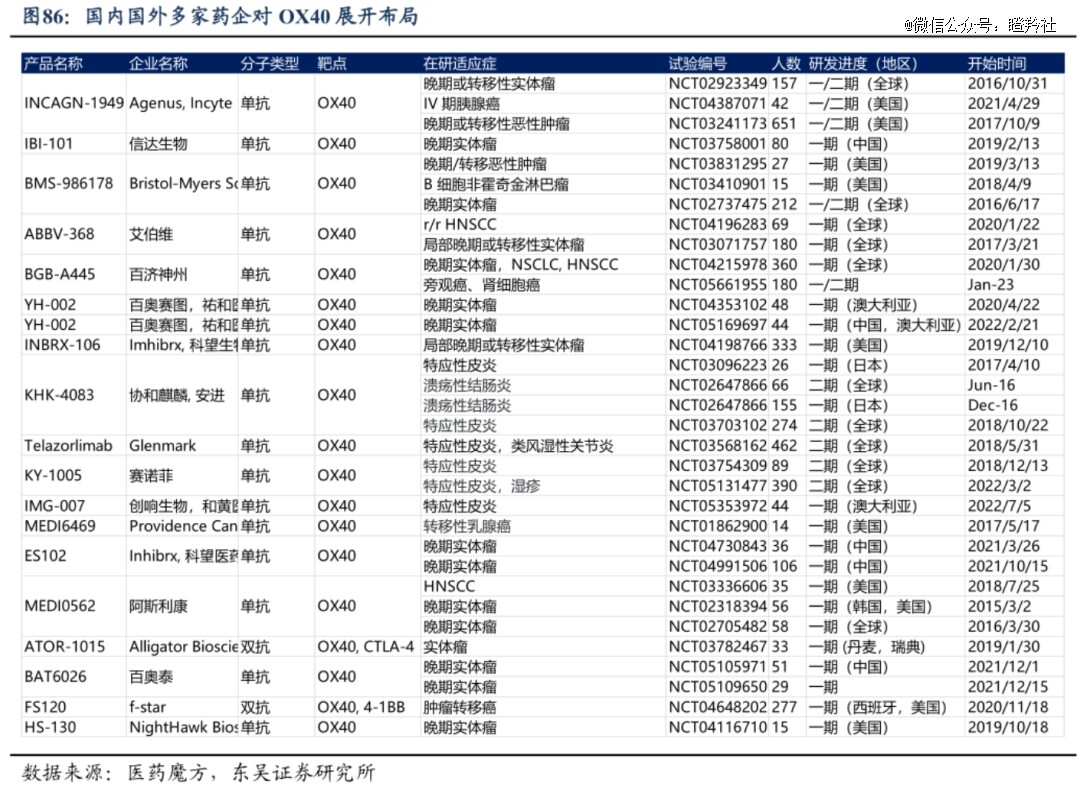
In China, there are hardly any biotech companies developing autoimmune indications through the OX-40 target. Currently, the disclosed molecule that has entered the clinical stage is IMG-007, developed by Hutchmed and Ichnos Sciences Inc. IMG-007 is a humanized IgG1 monoclonal antibody that specifically binds to the OX40 receptor and blocks the signaling between OX40 and OX40L. It is characterized by an ultra-long half-life and the absence of antibody-dependent cellular cytotoxicity (ADCC) effects. At present, IMG-007 is being clinically explored for its safety and lower dosing frequency in the field of atopic dermatitis (AD).
Overall, although a large number of pipelines are in the clinical stage (but a considerable part may be "zombies"), there are still significant differentiation opportunities for the development of domestic OX-40 antibodies for major autoimmune indications in China.
Conclusion:OX-40, this emerging target, is quietly shining beyond the field of oncology, which might be something that most Biotech companies focusing on OX-40 tumor indications as "me-too" drugs did not anticipate. Unfortunately, the lack of understanding of OX-40’s mechanisms in both tumor and autoimmune treatments has led to the current gap.
[This article is authorized for release by the WeChat Official Account "Dengling Society," a partner of Pedaily. This platform only provides information storage services.] If you have any questions, please contact (editor@zero2ipo.com.cn) for Pedaily to handle.