XtalPi and Merck & Co. Collaborate on Innovative Application of CSP-Lite Technology for Cocrystal Screening

XtalPi
Computation-Driven Innovative Drug R&D Provider

MSD
Pharmaceutical R&D and Manufacturer
Recently, XtalPi and researchers from Merck & Co., Inc. collaborated to explore new cocrystal forms of a potential drug molecule and another drug intermediate, aiming to improve their physicochemical properties. The innovative "experiment + computation" R&D model combines Merck's solid-state experimental capabilities with XtalPi’s latest CSP-Lite (lightweight crystal structure prediction) technology. The research findings from this collaboration have been published in the journal *Molecular Pharmaceutics*.
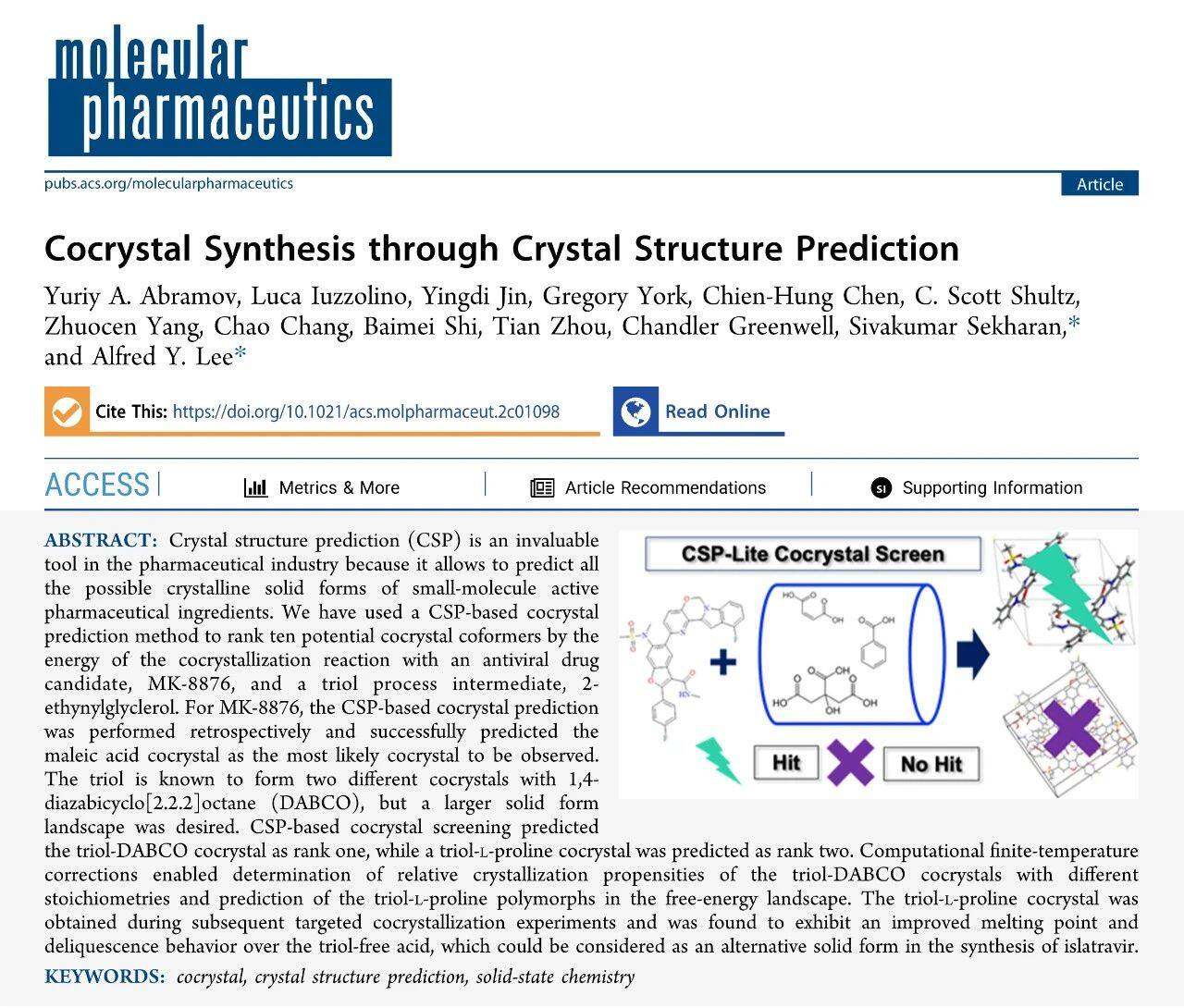
Image Source: XtalPi Official WeChat
XtalPi "CSP-Lite Assisted Co-crystal Screening" Technology
Empower MSD to Rapidly Acquire New Co-Crystals
Traditional Crystal Structure Prediction (CSP) technology focuses on the comprehensive stability evaluation of target molecules and crystal forms. It aims to predict as comprehensively as possible the thermodynamically stable crystal forms that may exist in the target system through crystal search algorithms, quantum chemical calculations, and molecular dynamics calculations, while also assessing the relative thermodynamic stability between several potentially stable crystal forms. The results of crystal structure prediction can also be used for various computational studies based on crystal structures.
Lightweight Crystal Form Prediction Technology (CSP-Lite) incorporates various advantages of crystal form prediction technology. While using relatively less computational power, it enables more analyses based on the calculated crystal structures and lattice energy, including XRD analysis, solid-state NMR analysis, pressure-free energy analysis, solubility assessment, and cocrystal propensity analysis, among others.
The eutectic propensity analysis based on CSP-Lite has its unique advantages [1]. Compared with rational eutectic design methods such as structural informatics, Hansen solubility parameter calculations, and COSMO-RS, the CSP-Lite method uses a physical model that not only quantitatively describes the energy contribution when the API and coformer mix in solution but also quantitatively evaluates the lattice energy contribution after crystallization.
In recent years, machine learning methods have also been able to evaluate the contribution of lattice energy to a certain extent, and the accuracy of their models is still continuously improving. XtalPi has also conducted corresponding research on the application of machine learning methods in cocrystal studies [2]. The combination of thermodynamic methods and machine learning has a higher recommendation success rate compared to pure thermodynamic (COSMO) methods.
Using CSP-Lite technology, XtalPi calculated the interactions of two compounds—2-ethynylpropane-1,2,3-triol (a triol intermediate) and the antiviral drug candidate MK-8876—with more than ten potential cocrystal coformers in the solid phase from the perspective of thermodynamic stability, predicting the API-coformer combinations most likely to form cocrystals. Through energy ranking based on virtual cocrystal binding energies, XtalPi determined the propensity of the compounds to form cocrystals with the coformers, and conducted a double-blind comparison with the final cocrystal experimental screening results. Based on the computational recommendations, experimental researchers successfully obtained a new crystal form of the triol intermediate with L-proline. The molecular structures of the two target compounds are shown in Figure 1(a) and (b).
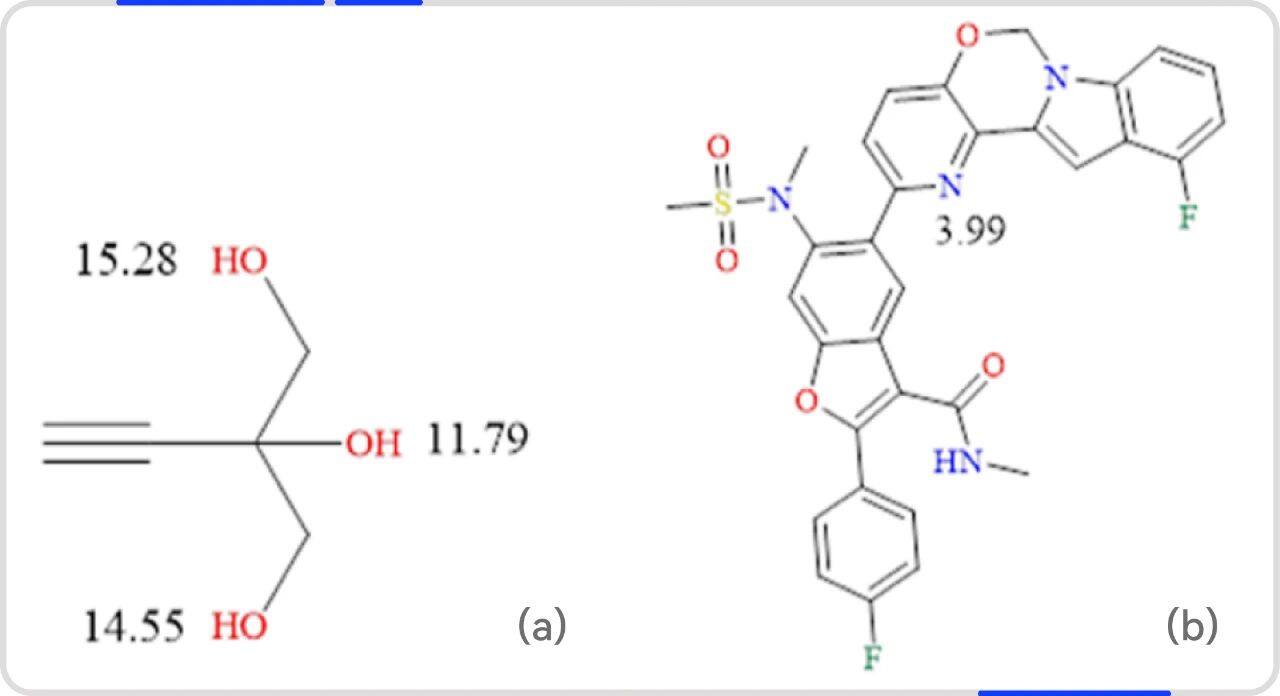
Figure 1. (a) Structure of 2-Ethynylglycerol and (b) Structure of MK-8876
Image Source: XtalPi Official WeChat
As a key intermediate for the synthesis of Istradefylline, 2-ethynylpropane-1,2,3-triol is expected by the industry to exhibit superior physical properties in its solid form. XtalPi utilized CSP-Lite technology to predict the virtual cocrystal binding energies of this triol intermediate with ten potential cocrystal coformers. The prediction results indicated that 1,4-diazabicyclo[2.2.2]octane (DABCO) and L-proline had a higher probability of forming cocrystals, and subsequent experiments were recommended. In synchronized double-blind experimental screening, researchers from MSD first verified that DABCO could form various cocrystals with the triol intermediate at different molar ratios. Subsequently, based on the computational recommendations from the cocrystal virtual screening, MSD researchers conducted further experimental screening on the combination of the target molecule and L-proline, eventually successfully obtaining the cocrystal of the target molecule with L-proline. This cocrystal matched well with the triol intermediate/L-proline cocrystal predicted by CSP-Lite (as shown in Figure 2). The newly obtained triol intermediate/L-proline cocrystal demonstrated improved melting point and deliquescence properties compared to the free pure triol intermediate, making it a preferred solid form for the subsequent synthesis of Istradefylline. This indicates that the use of CSP-Lite technology can accurately assess the cocrystallization tendencies between the target compound and different cocrystal coformers, providing effective guidance for experimental cocrystal screening.
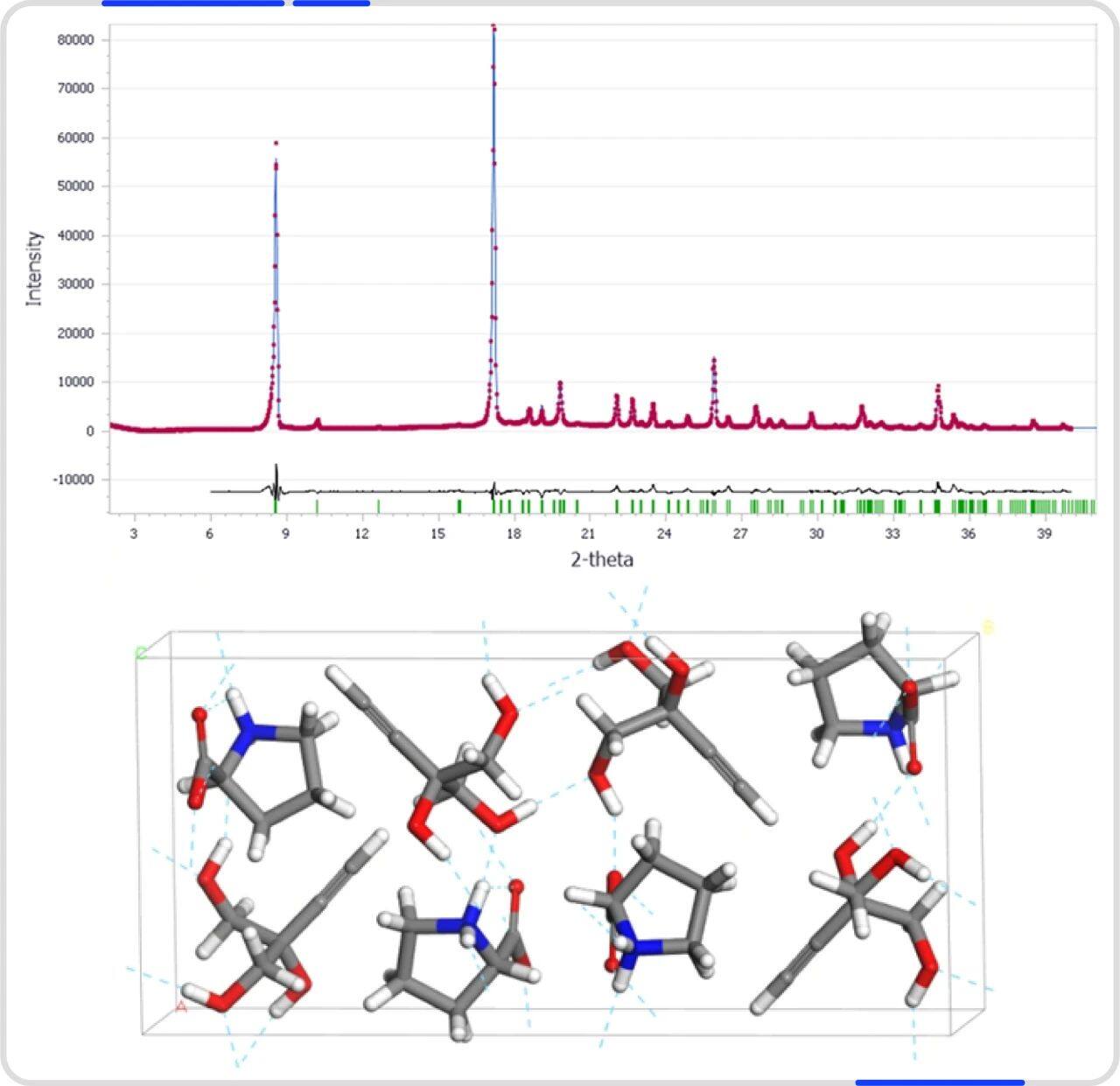
Figure 2. Powder of triol intermediate/L-proline cocrystal obtained from experimental screening
Image Source: XtalPi Official WeChat
Comparison of diffraction data with CSP-Lite diffraction data (above),
And the crystal structure of the triol intermediate/L-proline cocrystal obtained by CSP-Lite (below)
XtalPi used CSP-Lite technology to predict the virtual co-crystal binding energy of the compound MK-8876 with different ligands, in order to determine the propensity ranking for different ligands to form co-crystals with the target compound. The computational results indicated that maleic acid was the ligand with the highest probability of forming a co-crystal with MK-8876. After corresponding co-crystal experimental screening, researchers at Merck & Co., Inc. obtained a 1:1 co-crystal of maleic acid and MK-8876 (as shown in Figure 3), and the crystal structure of the experimental co-crystal matched the one predicted by polymorph screening. This demonstrates that using CSP-Lite for virtual co-crystal screening can successfully predict the type of co-crystal obtained experimentally as well as its crystal form.
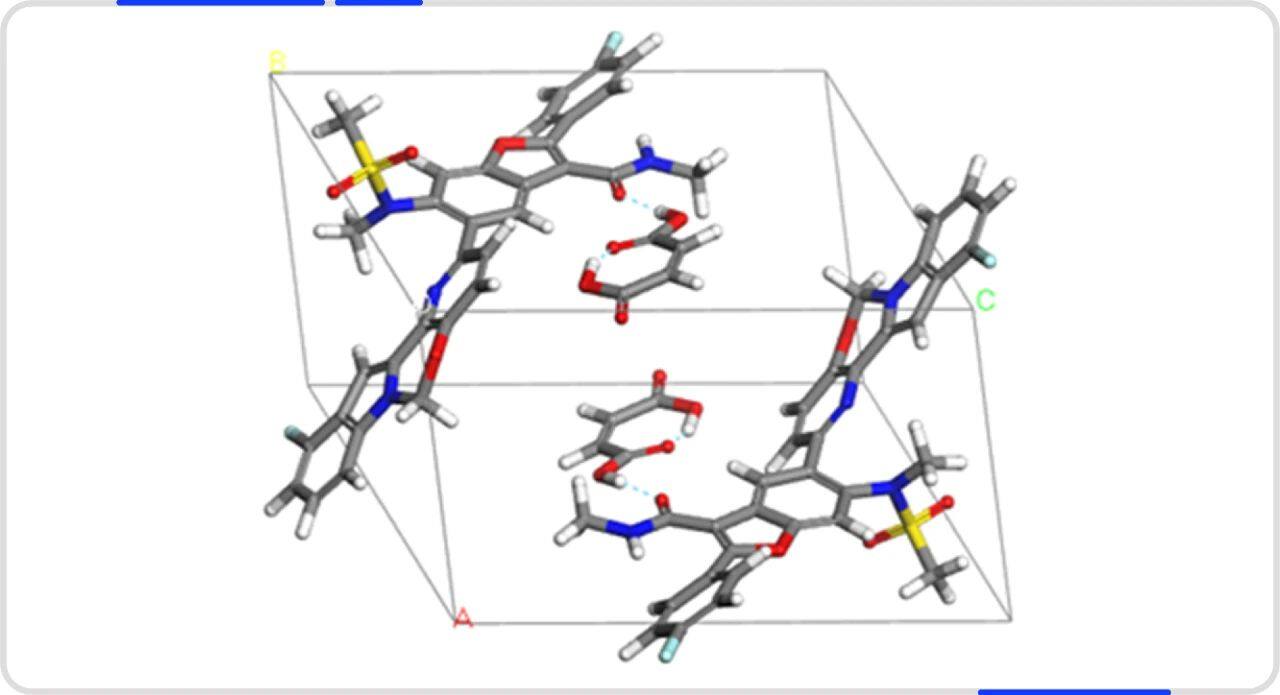
Figure 3. Experimentally obtained MK-8876 maleate cocrystal structure
Image Source: XtalPi Official WeChat
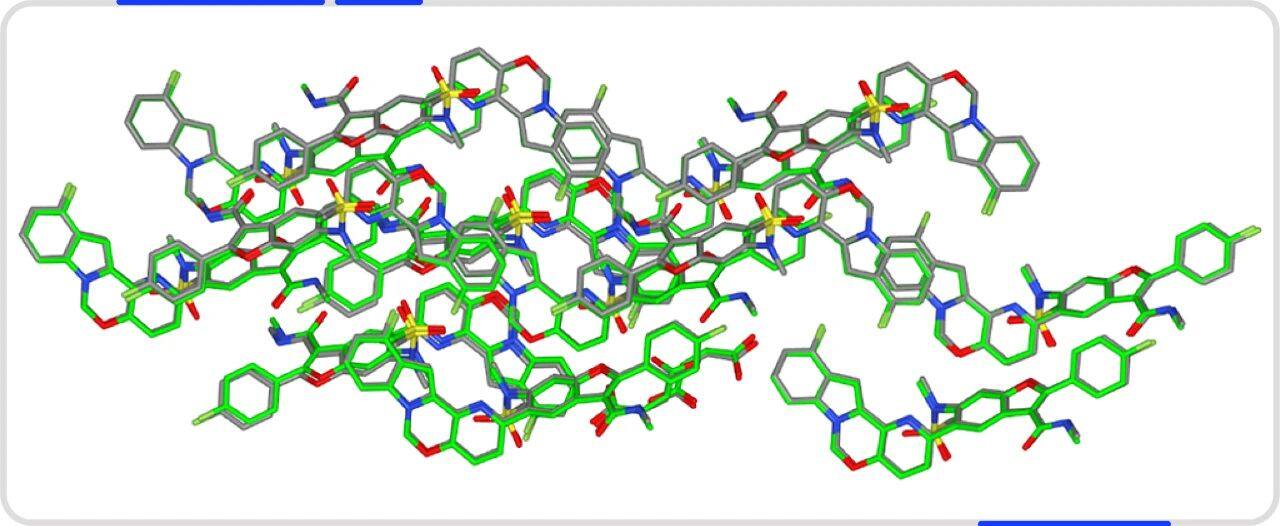
Figure 4 CSP-Lite predicted MK8876-maleate crystal
Comparison with Experimental Crystal Forms
Image Source: XtalPi Official WeChat
Computational Chemistry and Artificial Intelligence Technologies Empower Drug Solid State
Research Achieves "Discover by Design"
Crystal Structure Prediction (CSP) can be widely applied to predict and evaluate crystal structures and stability, screen for solid forms with better physicochemical properties, and also be utilized in various solid-state research fields. It helps researchers understand and interpret the solid-state behavior of target systems, accelerating the research and development process in areas such as pharmaceuticals and agrochemicals. XtalPi’s cocrystal virtual screening technology, based on CSP-Lite, combined with MSD’s experimental capabilities, has achieved a “1+1>2” R&D outcome.
Currently, the pharmaceutical R&D field is in a rapidly iterative research model, where R&D speed is particularly crucial. The combination of experimental and computational methods can systematically reduce the risk of incomplete solid-state research, advancing the traditional trial-and-error dominated solid-state research model into a new paradigm led by intelligent design (Discover by design), achieving more comprehensive research with less active pharmaceutical ingredient and shorter R&D cycles.
References
[1]https://doi.org/10.1021/acs.jpclett.0c02371
[2]https://doi.org/10.1039/D1CE00587A

Editor: Mu Mian
Disclaimer: This article is a reprint from PharmNet. The images and text are the original property of the author, and the purpose of the reprint is to convey more information. It does not represent the views of this platform. If there are any issues regarding the content, copyright, or other aspects, please leave a message on this platform, and we will address it promptly.