Post-Nobel Breakthrough: Lion TCR Pioneers Revolutionary In Vivo mRNA-Encoded TCR-T Therapies for Solid Tumors and Viral Diseases

Lion TCR
Developer of Novel Immunotherapies

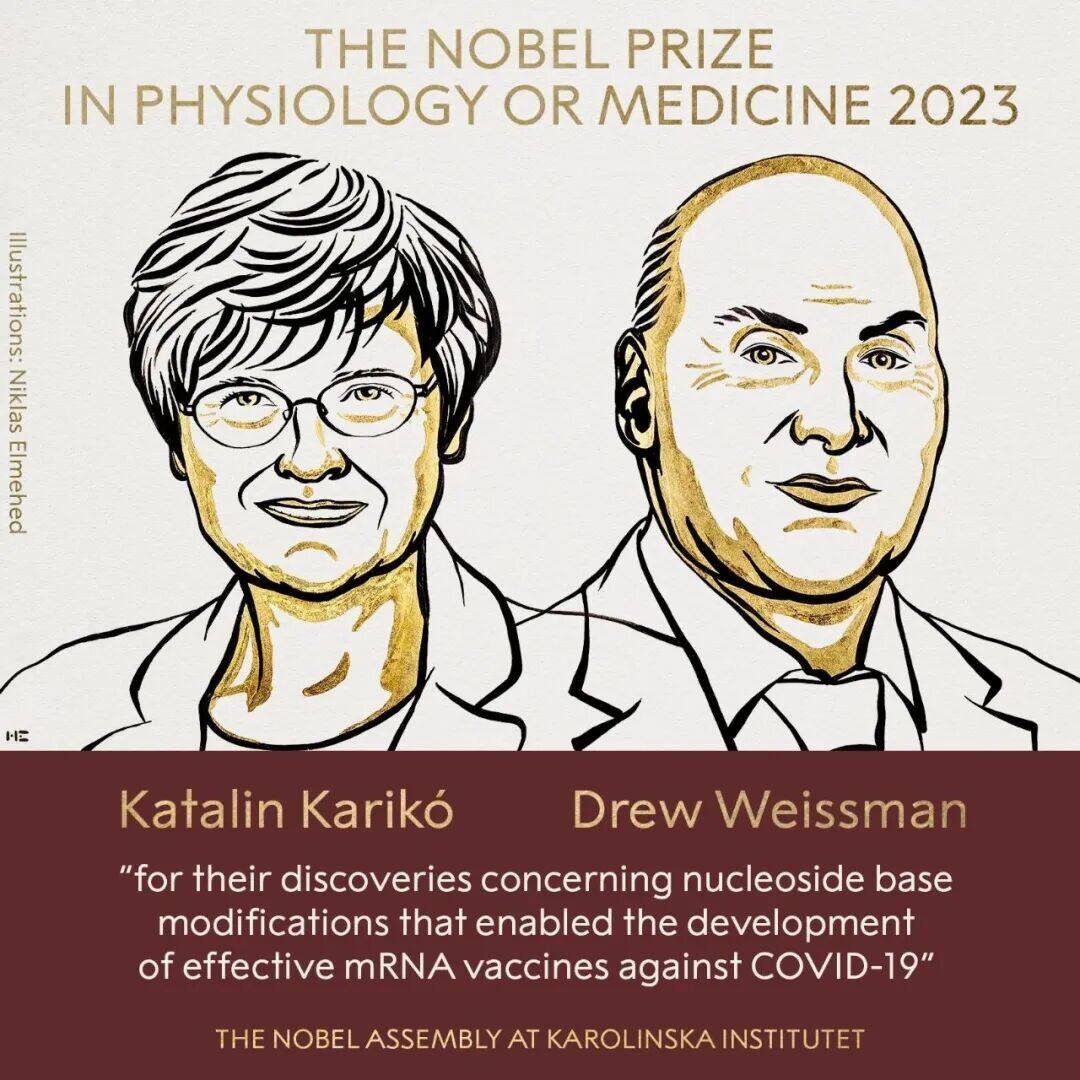
October 23, 2023 / eMedClub News /--On October 2, the 2023 Nobel Prize in Physiology or Medicine was awarded to Hungarian-American biologist Katalin Karikó and American biologist Drew Weissman for their groundbreaking discoveries in mRNA research, which laid the foundation for the rapid development of mRNA vaccines.The greatest contribution of the two scientists lies in replacing a molecule called uridine in mRNA with a similar molecule, pseudouridine. After such modification, it can evade the signal recognition of immune sensors, thus solving the biggest challenge in mRNA application research.
When the global COVID-19 pandemic broke out, the research value of the two Nobel Prize winners was fully reflected. Scientists swiftly designed the first mRNA vaccine based on mRNA technology just 42 days after the release of the coronavirus genetic sequence. Even if the virus mutates and renders the vaccine ineffective, scientists can modify the mRNA sequence to roll out an upgraded version of the vaccine in a short period. It is precisely the use of these vaccines that has saved countless lives and protected people’s health. After successfully curbing COVID-19, the application areas of mRNA technology continue to expand. In the view of academia, mRNA technology, as a revolutionary breakthrough, will become the "master key" in the medical field, offering highly effective treatment options for a variety of diseases.
From成品 to Platform-Type Tools, mRNA Technology Has Wide-Ranging Applications
eMedClub
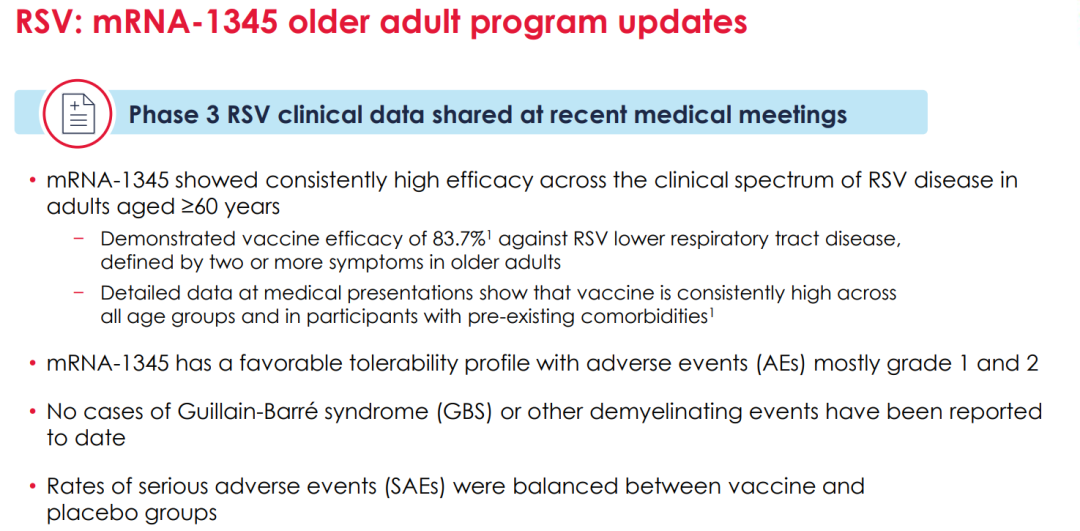
mRNA technology has multi-faceted advantages such as strong targeting, fast drug development speed, high effectiveness, good safety, and low development cost.Drugs based on mRNA technology have demonstrated significant advantages in multiple disease areas, particularly in infectious diseases and cancer. Moreover, leading companies have already achieved breakthrough progress in these fields. In addition to the COVID-19 vaccine,Moderna's RSV vaccine mRNA-1345 and the improved influenza vaccine mRNA-1010 achieved primary endpoints in Phase 3 trials.About to enter commercialization.
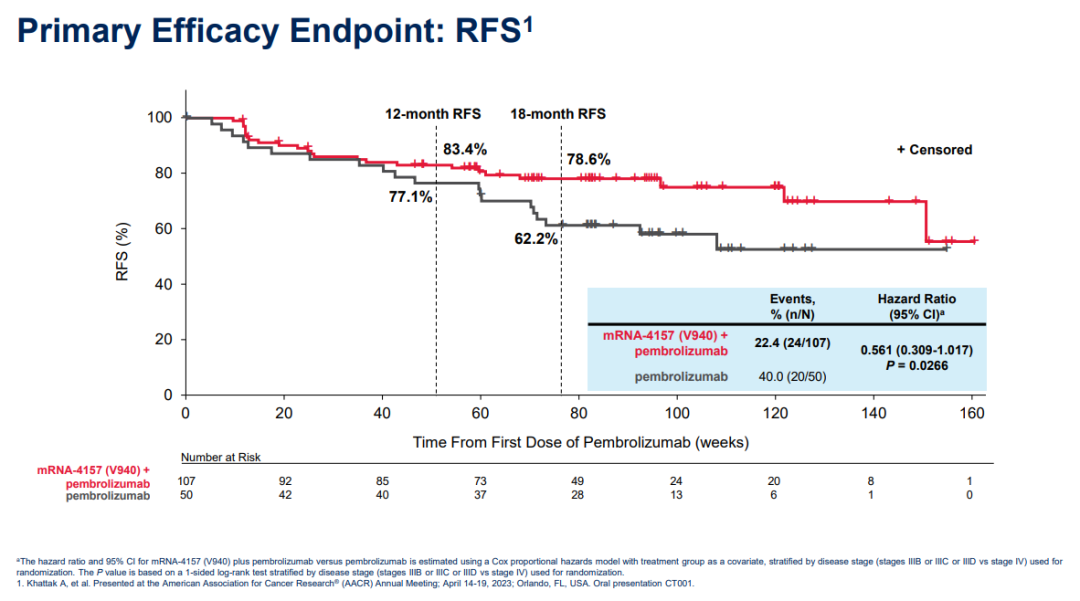
In addition, Moderna's mRNA tumor vaccine mRNA-4157 for the treatment of melanoma has also entered phase III clinical trials this year. The phase II clinical trial results show that,Compared with K medicine alone, the adjuvant treatment of mRNA-4157 combined with K medicine showed statistically significant and clinically meaningful improvement in recurrence-free survival (RFS), reducing the risk of recurrence or death by 44%.Overall, after achieving breakthroughs in key technologies such as molecular modification and delivery,mRNA Technology is Blossoming in Multiple Areas, Demonstrating Significant Clinical Potential and Commercial Value.
And besides being used in the field of disease treatment and prevention,Since mRNA is theoretically capable of expressing any protein, the increasingly mature mRNA technology is gradually emerging as a highly promising universal biotechnology platform for the development of various types of drugs.Including cell therapy, antibody drugs, protein replacement therapy, gene editing, etc., the combination of mRNA technology and immune cell therapy makes it possible to produce low-cost, rapidly prepared universal cell therapy products.
Cell Therapy from Autologous to Universal: Significant Advantages of mRNA In Vivo Cell Therapy
eMedClub
Cellular immunotherapy, as a revolutionary treatment technology, has achieved several breakthrough advancements in the field of hematological tumors, bringing new hope to tens of thousands of patients worldwide. However, the current autologous CAR-T therapy has pain points such as high production costs and long preparation cycles, while universal cellular therapy can significantly reduce treatment costs and enable off-the-shelf availability, making it the ideal future commercial form of cell therapy. In the view of industry experts, the universal type is the inevitable path for cell therapy.But the development of universal cell therapy is not a one-step process, and there are still many challenges to overcome in this field.
Currently,From the early clinical data, the biggest obstacles for universal cell therapy currently lie in persistence and process development.Former iPSC star company Fate Therapeutics terminates collaboration with Johnson & Johnson,And several iPSC-NK cell projects were cut, leaving only one iPSC-derived CD19 CAR-T therapy. An important reason may be that the efficacy of iPSC-derived NK cell therapy is not long-lasting, and process development faces technical bottlenecks. Although early efficacy is relatively good, the long-term efficacy does not match CAR-T (poor OS and DOR data).
Biotech company Precision reported clinical data of its universal CD19-CAR-T therapy PBCAR0191 at the ASH conference. The results showed that among 17 evaluable NHL patients, most previously responsive patients relapsed before reaching the six-month mark. Additionally, similar situations have been observed with universal cell products from several other companies.Overall, for universal cell therapy, the current industry needs to address issues mainly in immune rejection, as well as how to enhance the expansion and persistence of infused cell products within patients.On the other hand, the development of the process is also a major difficulty. An efficient and compliant process determines whether a universal product can achieve large-scale mass production, which is a key issue in truly realizing a universal product.
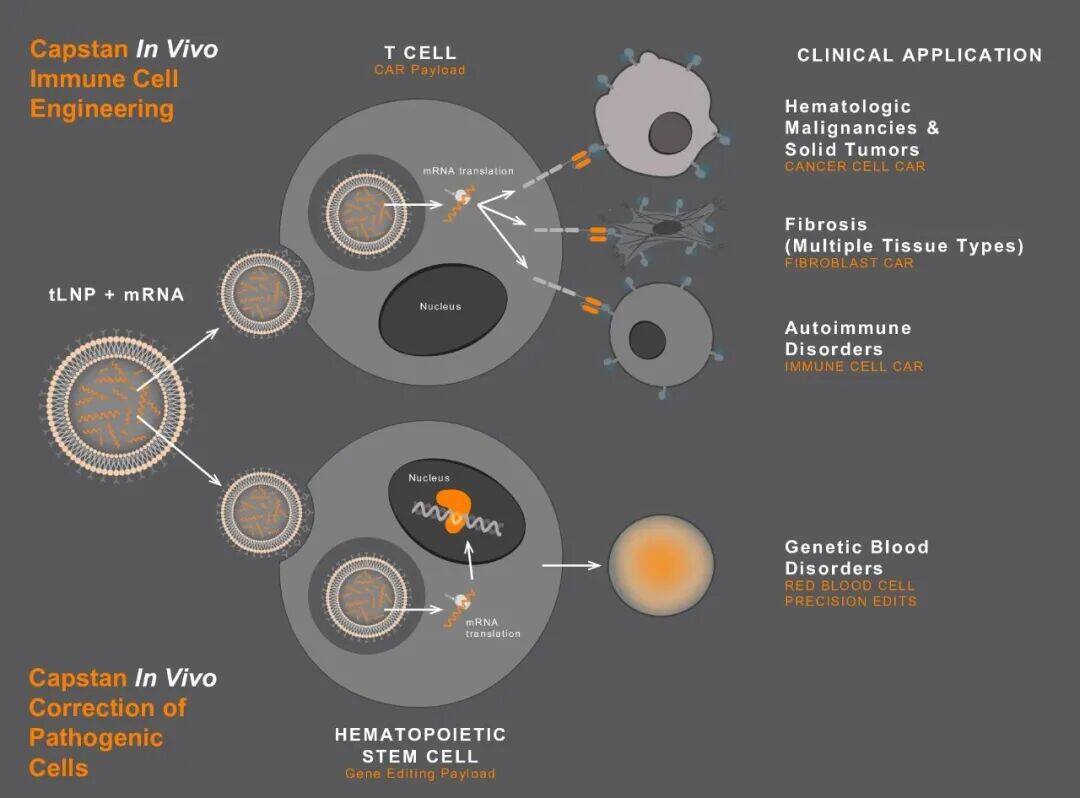
Combining mRNA technology with cell therapy provides an efficient solution for the development of universal cell therapy. The transient expression of mRNA in cell therapy offers advantages such as high efficiency, rapid research and development iterations, low production costs, and high safety.First, LNPs have a large payload capacity and can deliver CAR mRNA as well as immunomodulators (e.g., IL15, IL12) and checkpoint blockers (PD-1, PD-L1) mRNA to activate innate immune functions for enhanced immunotherapy. Second, compared with traditional CAR-T therapy, the use of mRNA-based in vivo cell therapy is expected to reduce production costs by 80%-90%, achieving "universal" applicability. Additionally, mRNA technology enables rapid drug development and high safety, allowing for swift product iteration, potentially providing new solutions for universal cell therapy. The multi-faceted advantages of this technology have also attracted the attention of several companies, including Capstan, founded by Carl June.
September 2022,Capstan, an in vivo cellular engineering biotechnology company, announced its launch with $165 million in financing, co-founded by Carl June and mRNA pioneer Drew Weissman.Investors include Pfizer, Bayer, Novartis, Eli Lilly, and BMS, among others. Capstan's core technology consists of three components – a non-viral delivery system, cell-specific targeting molecules, and payloads designed for diseases.
It is reported that Capstan was built upon the research foundation of world-renowned mRNA and cell therapy scientists and clinicians from the University of Pennsylvania. In January 2022, an article titled "Vaccine-like mRNA Injection Can Be Used to Make CAR T Cells in the Body" was published in Science. The research team from the Perelman School of Medicine at the University of Pennsylvania used mRNA-LNP encoding CAR delivered into mice, successfully generating CAR-T cells in vivo and repairing the heart function of the mice. This study also became a significant cornerstone for Capstan's establishment. In addition, mRNA technology and cell therapy have already been applied in fields such as hematological tumors and solid tumors.
Deepening mRNA Technology and TCR Discovery Platform, Guangzhou Laien Biological Medicine Co., Ltd. Breaks New Drug R&D Barriers
eMedClub
Overall, the ex vivo preparation of engineered cell therapies through mRNA technology has gained favor from many industry giants, demonstrating promising efficacy, safety data, and significant benefits in production costs, with the potential to become the ideal form of universal cell therapy.Besides Capstan, Guangzhou Laien Biological Medicine Co., Ltd. has also made significant investments in this field.It is reported that,Guangzhou Laien Biological Medicine Co., Ltd. has built two major technology platforms:The mRNA technology platform and the TCR discovery platform complement each other, showing broad prospects and lifting the ceiling for Guangzhou Laien Biological Medicine Co., Ltd.'s new drug development.
Currently, CAR-T cell therapy has achieved certain efficacy in hematological tumors, but it faces challenges such as tumor heterogeneity and the inability to effectively infiltrate tumor tissues in the field of solid tumor treatment.In addition,Currently, most CAR-T products are transduced through viral vectors, which leads to high production costs and makes it difficult to achieve multiple infusions.Dr. Tingting Wang, Chief Medical Officer and Chief Operating Officer of Guangzhou Laien Biological Medicine Co., Ltd., shared:"Based on these bottlenecks,Laien Bio takes a different approach by building an mRNA technology platform, applying mRNA-encoded TCR and introducing it into T cells. The transient expression characteristics of mRNA make TCR-T therapy safe and controllable, also allowing for multiple administrations. Each infusion of fresh and potent TCR-T cells not only rapidly initiates attacks on tumor cells but also overcomes the suppressive effects of the tumor immune microenvironment to a certain extent.Moreover, this technology is expected to shift the treatment approach to early-stage tumors, and even prevent tumors.”
In addition to mRNA technology, Guangzhou Laien Biological Medicine Co., Ltd. is also focusing on building and iterating its TCR discovery platform. Through continuous sample accumulation, Laien has established the world's largest HBV-specific TCR library, which can cover 80% of liver cancer patients globally. The library contains a large number of TCRs with high affinity, strong specificity, and high expression. Laien’s first-generation TCR discovery platform is biology-based, drawing from a vast number of patient samples. Based on these accumulations, the company can explore different viral targets and even tumor targets. In this process, Laien has also incorporated AI technology to assist in upgrading the TCR discovery platform, hoping to accumulate richer data sources and improve the efficiency of TCR and target discovery.
Through two core technology platforms, Laien Bio has laid out a pipeline of autologous cell therapies and off-the-shelf therapeutic products, aiming to develop revolutionary treatments to meet unmet clinical needs. Currently, Laien Bio has utilized mRNA-encoded T-cell receptors for liver cancer treatment. Its HBsAg-targeting TCR-T therapy, LioCyx-M004, has demonstrated good safety and significant efficacy, and received FDA approval in September 2021 to conduct a Phase Ib/II international multicenter clinical trial. In the future, Laien will continue to advance the international clinical trials of LioCyx-M004, leveraging the advantage of the FDA's Fast Track designation to accelerate the release of Phase Ib/II IND clinical data.
In addition, mRNA technology paves the way for "off-the-shelf" immunotherapy. This cutting-edge approach can generate TCR-T cells in situ, making them more accessible than traditional methods and offering possibilities for personalized treatment. Guangzhou Laien Biological Medicine Co., Ltd. will accelerate the upgrade of its core technology platform, explore and develop the vast application potential of mRNA technology and cell therapy, and expand and layout its pipeline and indications based on this foundation to bring patients more efficient, safe, and affordable breakthrough treatments.
References:
1. The Paper
2.Modena Official Website
3.https://www.capstantx.com/
4.https://www.science.org/doi/10.1126/science.abm0594