

AstraZeneca Advances Inhalable LNP-mRNA Thermostable Dry Powder for Effective Respiratory Mucosal Delivery

AstraZeneca
Biopharmaceutical Manufacturer

Compiled by: Vergil
Typesetting: San Jiefu
Most vaccines(Including vaccines approved for COVID-19)All have applied the dosage forms for administration outside the gastrointestinal tract. For these vaccines, almost allCold chain infrastructure requiring strict control throughout the entire process. Other challenges faced by extraintestinal preparations include:Liquid preparations inUnstable at environmental temperature; Skill requirements for intramuscular/intravenous injection; Patient concerns about the route of administration(Needle phobia, injection site pain, risk of local or systemic immune response, risk of needle/injection site contamination, etc.)。
Freeze DryingIt is the most common method to enhance the stability of biologics. However, there are reports indicating that this strategy still faces certain challenges due to the instability of nanoparticles during the reconstitution or delivery of lyophilized formulations, and their inability to meet the requirements for direct inhalation administration.
Dry powder formulations for inhalation have been widely used for various biologics, including monoclonal antibodies, insulin, antigens, interleukins, and antimicrobial peptides. However, when formulating LNP-mRNA dry powder, the stress generated during the drying process is the main challenge in maintaining the activity of the formulation. The fragile LNP-mRNA is exposed to increased gas-liquid contact area during atomization, and in addition to the stress caused by thermal dehydration during liquid expansion and collection, it is also subjected to airflow shear stress, often resulting in the final formulation losing effective activity.
September 30, 2023, fromAstraZeneca's R&D TeamInJ Controlled ReleasePublished online with the title“Spray dried lipid nanoparticle formulations enable intratracheal delivery of mRNA”research paper. In this study, the AstraZeneca team disclosed for the first time the drying process of their developed inhaled LNP-mRNA dry powder formulation and ensured its stability during the room-temperature drying process by optimizing the LNP formulation. Moreover, the resulting dry powder formulation does not require reconstitution and was tested through a mouse model.Respiratory drug delivery,Successfully validated the stability and efficacy of the LNP-mRNA formulation.
Formula Optimization Overcomes LNP Temperature Sensitivity

Generally speaking,Functional loss of LNP-mRNA during the drying process mainly originates from the temperature sensitivity of the LNP formulation.In the MC3 LNP reference formulation, DSPC is mainly used as an auxiliary lipid.Melting Temperature of DSPC(Tm)Also known as the phase transition temperature, generally 55°C.。When used for room-temperature spray drying of LNP formulations, the LNP containing DSPC may disintegrate due to temperature sensitivity, as the outlet temperature of the drying equipment is close to the Tm of DSPC. In contrast, another commonly used auxiliary lipidThe Tm of DOPE is -16°C, which may better maintain LNP stability during the drying process.。
Based on this, the research team used two different auxiliary lipid-based LNPs and simulated the temperature range experienced during the spray-drying process of dry powder formulations to analyze the obtained formulation parameters and the effective delivery capability of LNPs. The study showed,LNP constructed with DOPE can remain stable at temperatures up to 75°C, with only a 20% decrease in encapsulation efficiency at 80°C, whereas DSPC-LNP can only maintain stability below 60°C.(Figure 1A)Moreover, after treatment at 60°C and above, the eGFP expression level of DSPC-LNP was significantly lower than that of DOPE-LNP. In terms of buffer usage,DOPE-LNP Exhibits Better Stability and Expression Efficiency in Tris Buffer than in PBS(Figure 1B, C)。
The obtained dry powder canStored at 4°C until use, the stability is better compared to LNP formulations without drying treatment.(Figure 1C)。(This study only conductedAt 4°CCharacterization of stability after two weeks of storage, thereforeFailed to obtain information about the dry powder formulationThe longest storage time and stability at room temperature.)
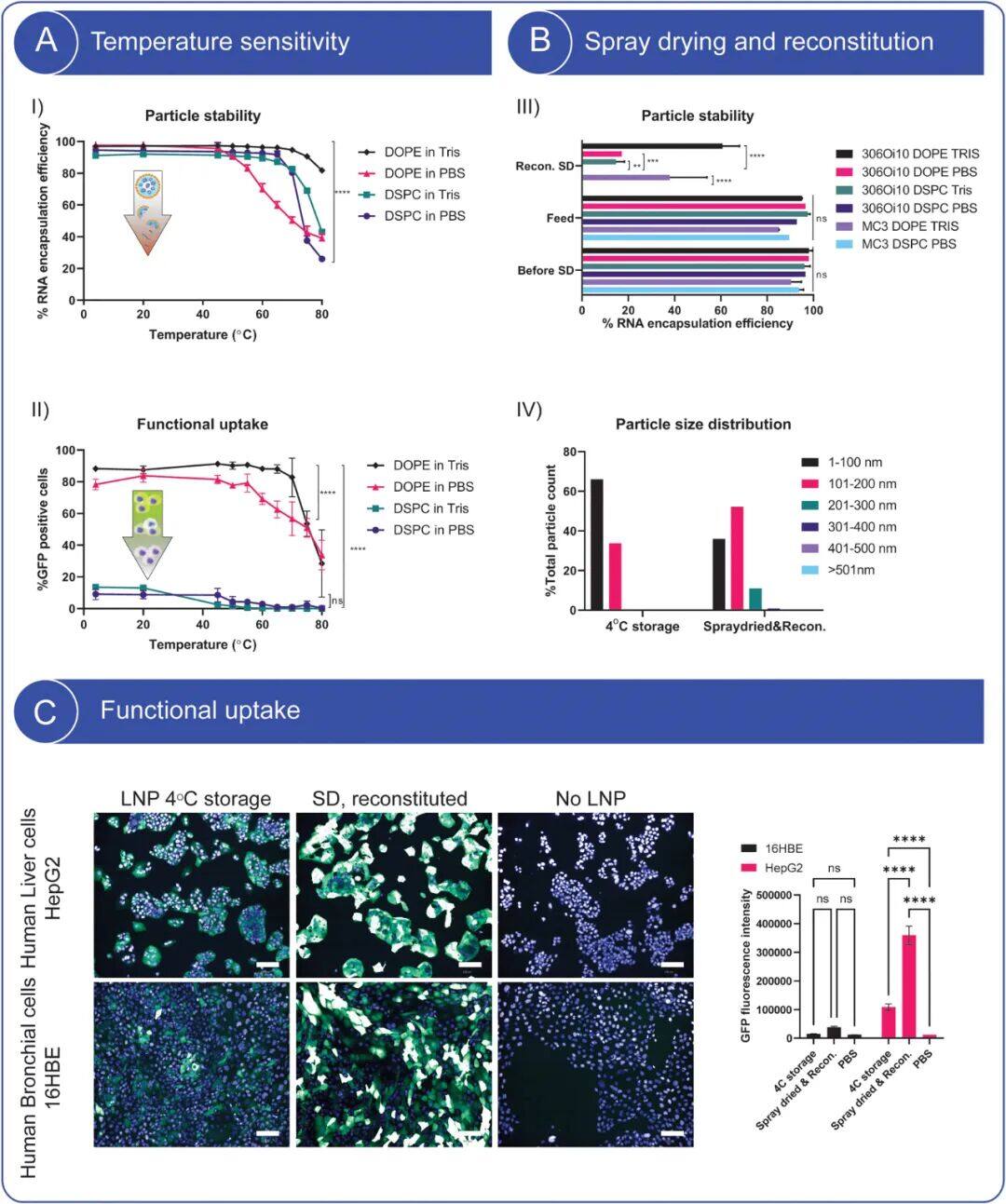
Figure 1. Optimization of LNP Formulation for Dry Formulations
Based on this, the researchers also added extra excipients to maintain better LNP and cargo stability at high temperatures and drying process tolerance, and conducted experiments optimizing LNP: Trehalose: Surfactant Tritryptophan.ConfirmedTri-leucineThe protective effect increased from 3% to 20%, which can reduce powder loss in the cyclone separator and further improve the RNA encapsulation efficiency of reconstituted particles., increasing the concentration of LNP from 1.5% to 5%.(Figure 2)However, when the concentration of tri-leucine exceeds 20% or the concentration of LNP exceeds 7%, the product yield significantly decreases.
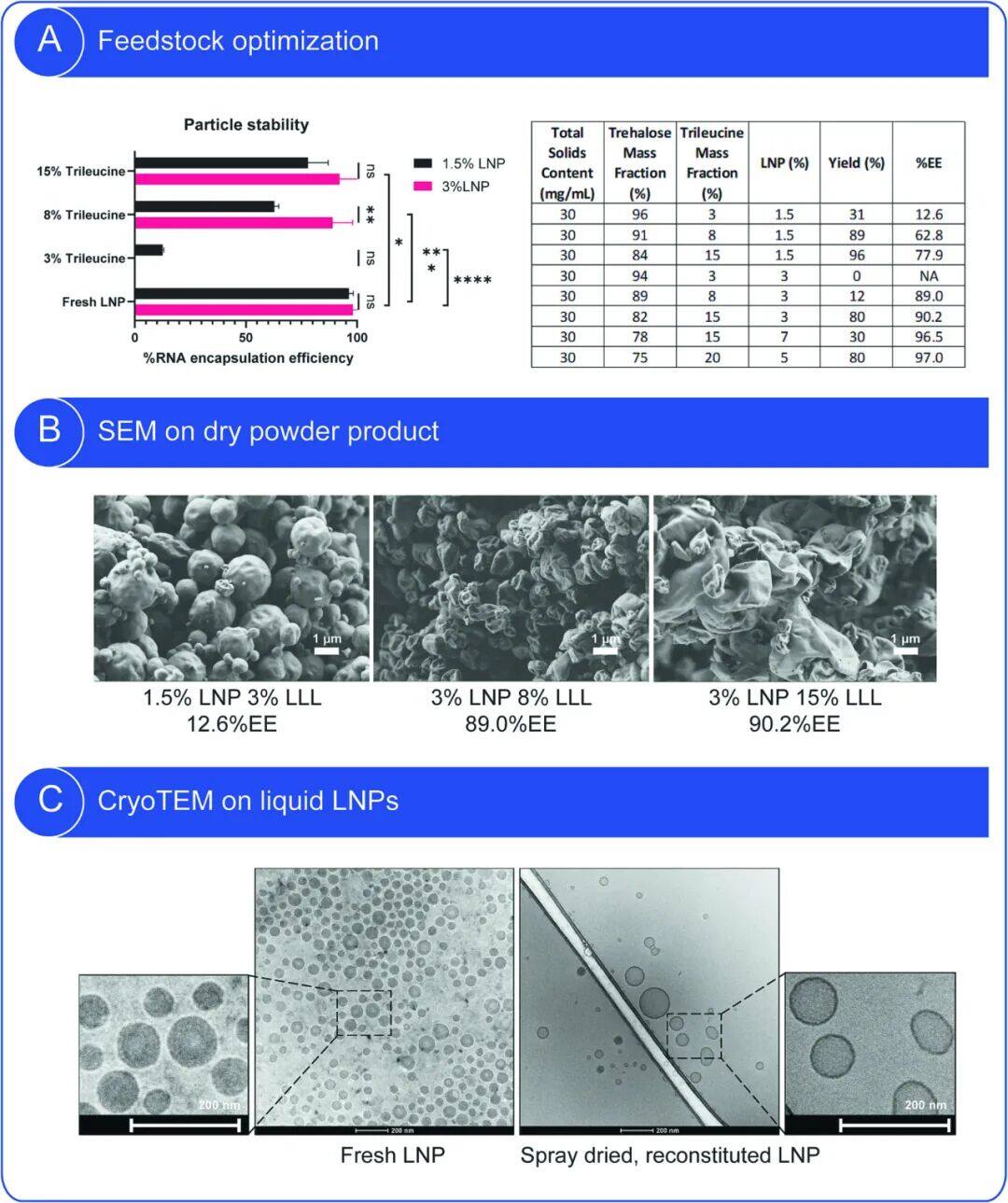
Figure 2. Optimization of Excipient Ratios
Drying Equipment and Process Flow

LNP formulations are first mixed with excipient solutions and enter the nebulization device to form droplets. At this point, the droplet surface remains sufficiently cooled and solvent-saturated.When the gas is saturated with vapor generated by droplets, the wet-bulb temperature phenomenon occurs, causing the surface temperature of the droplets during the drying process to be significantly lower than the dry gas temperature within the apparatus.(∼40°C)。Tri-leucine forms a very thin amorphous shell on the surface early in the drying process, preventing LNPs from reaching the surface and being exposed to stress.Thereafter, the evaporation slows down, and the particle temperature rises immediately. The powder particles enter the collection tank through the dryer outlet.(Figure 3)。
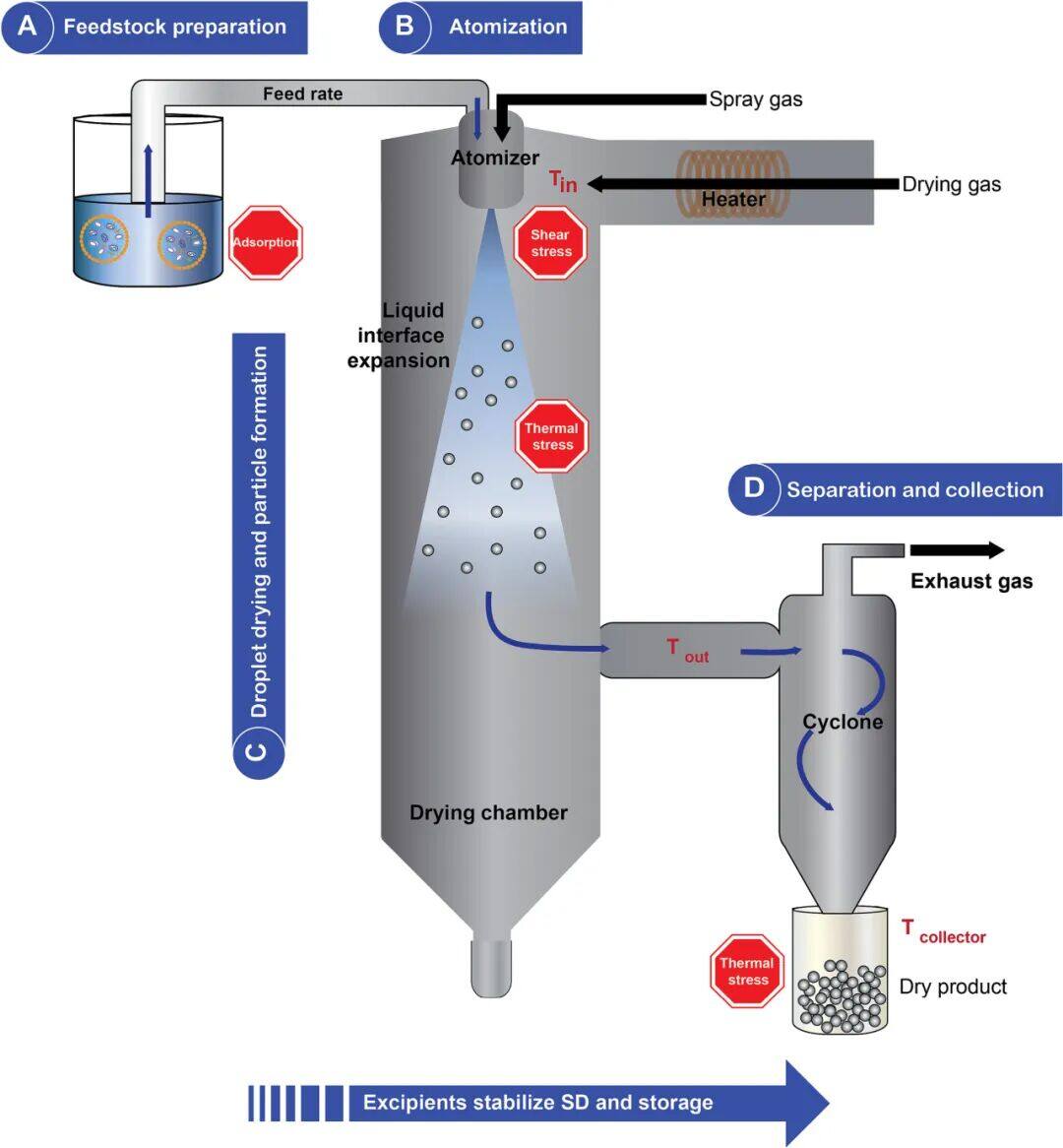
Figure 3. Continuous dry powder preparation process flow
Functional Delivery of Dry Powder LNP Maintained After Pulmonary Administration

The experimental design included four groups of rats: one group received a single dose of dry powder LNP containing mRNA encoding eGFP, and another group received the same formulation once daily for three consecutive days. As controls, two groups of rats were run in parallel, receiving either a placebo once daily for three consecutive days or a single dose.(Spray-dried Trileucine). All experiments usedDry Powder InhalerAdministration.
Strongly stained eGFP-positive cells observed in lung tissue sections(Figure 4D). These cells were identified as bronchiolar epithelial cells based on their location and morphology.(Figure 4D I), Type II alveolar cells and/or macrophages(Figure 4D II, F)Immunofluorescence labeling confirmed that both type II alveolar cells and macrophages were eGFP positive.The amount of eGFP mRNA, although small,(Figure 4E III-IV),But the distribution in cell types identified as eGFP protein-positive is very dense. Antigen-presenting cells(such as macrophages)The presence of eGFP indicates that inhalation delivery of LNP mRNA vaccines can elicit an adaptive immune response, thus representing a viable route for vaccine delivery.
The researchers emphasized that this study only conducted a qualitative study of eGFP expression and did not perform a quantitative study. Using eGFP as a reporter molecule, the stability and expression of mRNA after spray drying were demonstrated through IHC and ELISA analysis.However, as an exogenous protein, the inflammatory changes observed in this study are not necessarily caused by mRNA or the formulation itself, and further research using specific target molecules is still needed.
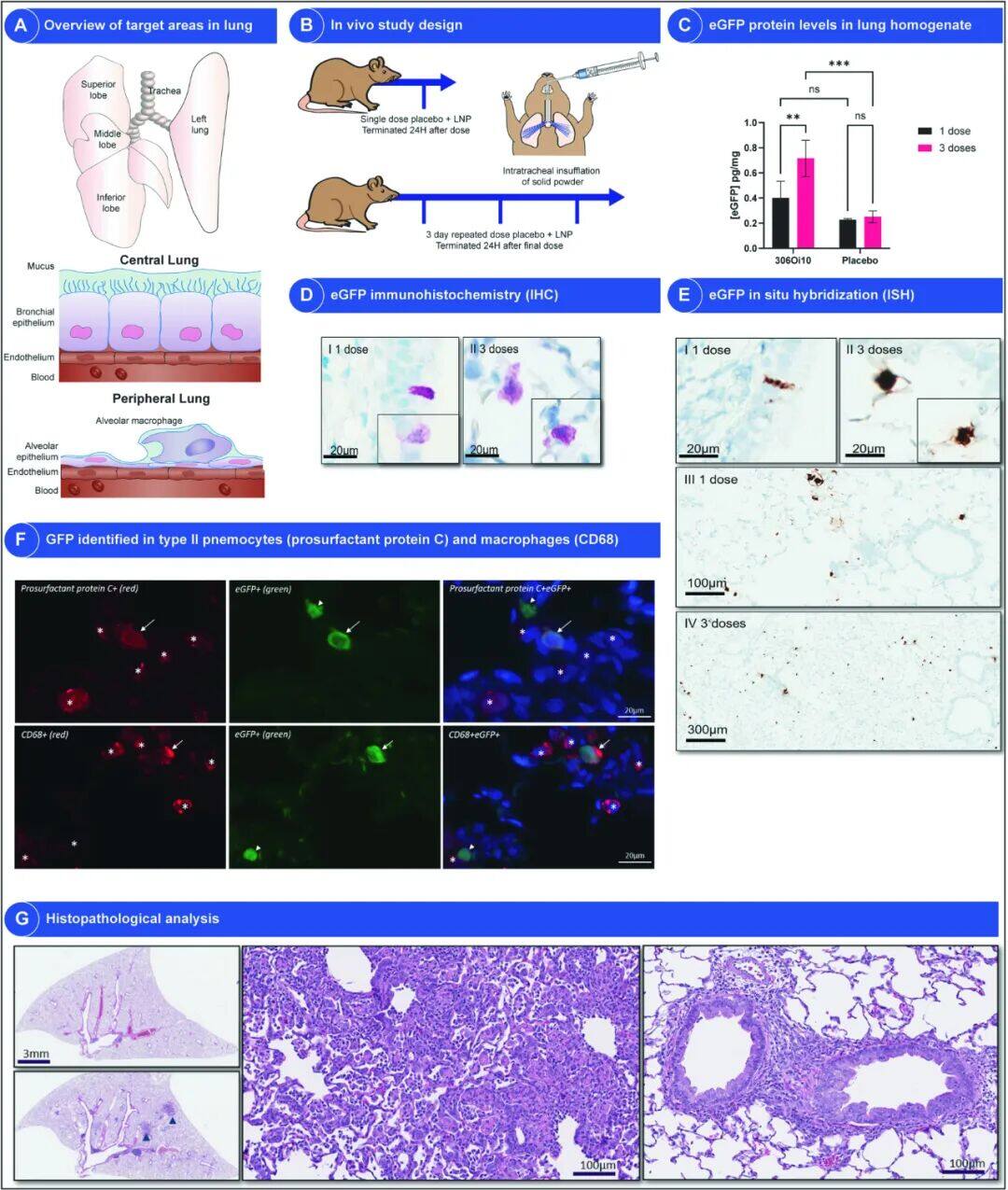
Figure 4. Qualitative/Functional Delivery Study of eGFP mRNA
Conclusion

In this proof-of-concept study, the research team from AstraZeneca successfully designed a dry powder LNP formulation suitable for inhalation administration and capable of maintaining stability and functionality under high-temperature dry conditions through formulation optimization. An increase in the concentration of the excipient trileucine significantly improved the yield of the LNP dry powder. In vitro and in vivo experiments confirmed that this dry powder formulation could achieve functional delivery of LNP-mRNA at clinically relevant doses, providing a new pathway for inhalable LNP formulations.
References:
[1]Friis KP, Gracin S, Oag S, Leijon A, Sand E, Lindberg B, Lázaro-Ibáñez E, Lindqvist J, Whitehead KA, Bak A. Spray dried lipid nanoparticle formulations enable intratracheal delivery of mRNA. J Control Release. 2023 Sep 30;363:389-401. doi: 10.1016/j.jconrel.2023.09.031.
Source: RNAScript
E.N.D
Previous article recommendations:
Maijin Jia Completes Tens of Millions of Yuan in Series A Financing
Universal Cell Therapy "Zhenyu Biotech" Completes Tens of Millions of Seed Financing
FDA Approves First In Vivo Gene Editing Therapy for Phase III Clinical Trial
Zhang Feng and other scientists jointly reveal CRISPR therapy delivery strategies!
Hebei Senlang Biomedical Cell Therapy Product Commercial Production Base Project Commenced
Pfizer Lowers Full-Year Guidance, May Be Planning Major Layoffs
Jingyin Pharma Successfully Completes Nearly $100 Million Financing
In-depth Report on the NK Cell Therapy Industry
Lingyi Bio's AAV Gene Therapy LY-M001 Granted FDA Orphan Drug Designation
Hualan Bio: Hualan Vaccine Has Established an mRNA Vaccine R&D Platform
Surging 50%, Another Gene Therapy Submits for Market Approval, 100% Survival Rate!
2023 Research Report on China's Immune Cell Storage Industry
Bayer Invests $250 Million in New Cell Therapy Plant
Over 20 billion yuan! ZF Bio and GSK Reach Strategic Cooperation
Nature Review: The Past and Present of Nobel Prize Hotspot mRNA Vaccines
Market Outlook for Cell and Gene Therapies in 2023
Illustrated Guide to NK Cell Therapy
The 2023 Nobel Prize in Physiology or Medicine Announced: Detailed Interpretation Available
China's First Human Stem Cell National Standard Released in Chongqing
Musk's Brain-Computer Interface Human Trial Approved, Patient Recruitment Begins
All You Need to Know About Organoids: This Article Has Got You Covered