Medtronic's Aurora EV-ICD Receives FDA Approval for Treatment of Life-Threatening Arrhythmias and Sudden Cardiac Arrest

Medtronic
Chronic Disease Medical Device and Therapy Developer
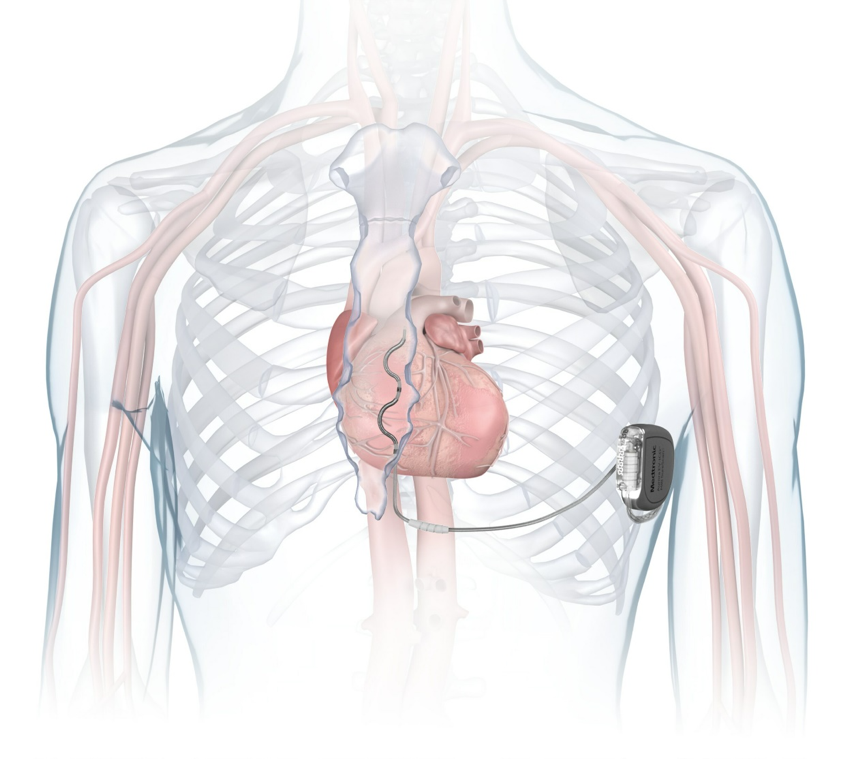
Recently, Medtronic plc, a global leader in healthcare technology, received U.S. Food and Drug Administration (FDA) approval for its Aurora EV-ICD™ MRI SureScan™ (Extravascular Implantable Cardioverter Defibrillator) and Epsila EV™ MRI SureScan™ defibrillation lead to treat dangerous rapid heart rhythms that can lead to sudden cardiac arrest (SCA). The Aurora EV-ICD System is the first of its kind to deliver life-saving therapy by placing leads under the sternum, outside the heart and veins, as an alternative to traditional transvenous ICDs. The Aurora EV-ICD provides defibrillation, anti-tachycardia pacing (ATP), and back-up (bradycardia prevention) pacing therapies through a device similar in size, shape, and longevity to traditional transvenous ICDs, thereby saving lives.
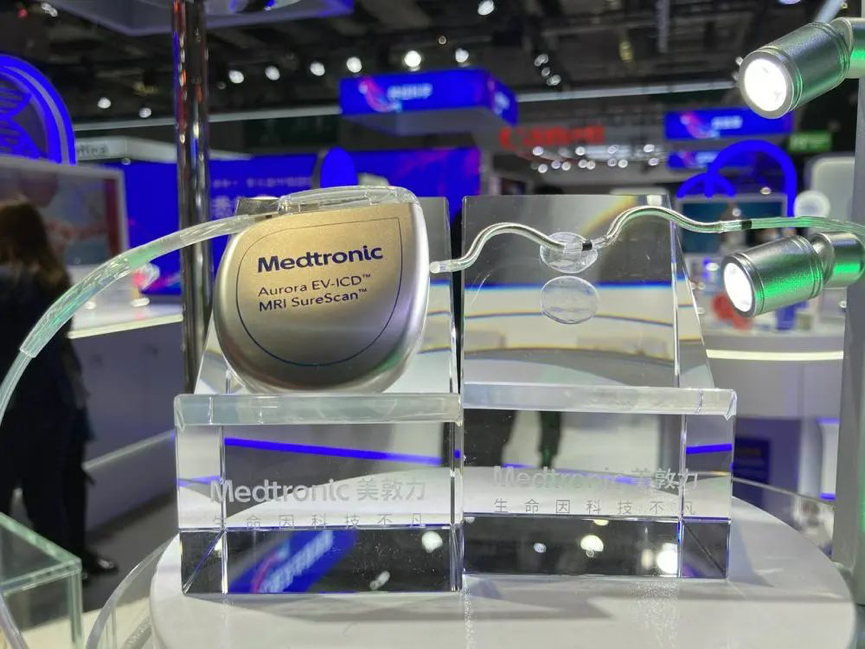
Medtronic's Aurora EV-ICD System Receives FDA Approval, Including the System’s Proprietary Procedure Implantation Tools; Results from the Global Pivotal Clinical Trial Demonstrate the System’s Safety and Effectiveness, Published in The New England Journal of Medicine.
Bradley P. Knight, MD, Medical Director of Electrophysiology at the Northwestern Medicine Bluhm Cardiovascular Institute, said: "The Aurora EV-ICD System is a significant advancement in implantable defibrillator technology. Placing the lead outside the heart rather than inside the heart and veins reduces the risk of long-term complications, ultimately allowing us to further advance safe and effective ICD technology."
In this pivotal clinical study, the device was 98.7% effective in delivering defibrillation therapy at the time of implantation. Compared with transvenous and subcutaneous ICDs, no serious intraoperative complications or any specific complications were observed with the EV ICD procedure or system. Six months later, 92.6% of patients (Kaplan-Meier estimate) had no major complications related to the system and/or procedure, such as hospitalization, system revision, or death.
ICD is highly effective in providing life-saving treatment for patients at risk of SCA. SCA is a dangerous electrical problem of the heart caused by an abnormally rapid heart rate (ventricular tachycardia) or irregular heartbeat (ventricular fibrillation). If untreated, SCA is typically fatal (referred to as sudden cardiac death). Traditional ICDs are usually implanted below the collarbone, with leads inserted through veins into the heart.
Alan Cheng, MD, Chief Medical Officer of the Cardiac Rhythm Management business in Medtronic's Cardiovascular Portfolio, stated: "This FDA approval paves the way for patients to have an improved overall experience with ICD therapy. ICDs remain the gold standard for preventing sudden cardiac death. While subcutaneous ICDs can avoid certain complications associated with transvenous defibrillators, they also come with limitations that may impact patient comfort and quality of life. With the Aurora EV-ICD System, patients can benefit from the only ICD placed outside the vascular cavity, offering ATP and back-up pacing. Compared to competitive subcutaneous ICDs, this device is nearly half the size and is expected to deliver 60% longer battery life."
The size, shape, and longevity of the Aurora EV-ICD system are similar to those of traditional transvenous ICDs. Unlike traditional ICDs, the Aurora EV-ICD system is implanted using a minimally invasive approach in the left axilla (left mid-axillary region), with the lead placed under the sternum. The Epsila EV defibrillation lead is positioned outside the heart and veins, helping to avoid certain complications associated with transvenous leads, such as vascular injury and vascular occlusion (venous stenosis, blockage, or compression).
Aurora EV-ICD consists of a defibrillator and leads, with a size comparable to traditional defibrillators (33 cubic centimeters). This defibrillator is similar to traditional ICDs in functions (defibrillation, anti-tachycardia pacing (ATP), etc.), as well as in shape and lifespan. It can deliver up to 40J of current (half the size of Biotronik's) and is equipped with sensing and pacing circuits designed for substernal treatment. The Aurora EV-ICD lead has an ε-shape, featuring two pacing/sensing electrodes and two defibrillation coil segments (each 4 cm long), which are tied together for defibrillation purposes to form an 8 cm overall defibrillation coil. The Aurora EV-ICD offers three sensing and three pacing vectors. The sensing vectors include a near-field vector between two ring electrodes and two far-field sensing vectors from each ring electrode to the ICD device. The pacing vectors include a ring-to-ring vector, a coil-to-coil vector, and a vector from the distal ring to the proximal coil segment.
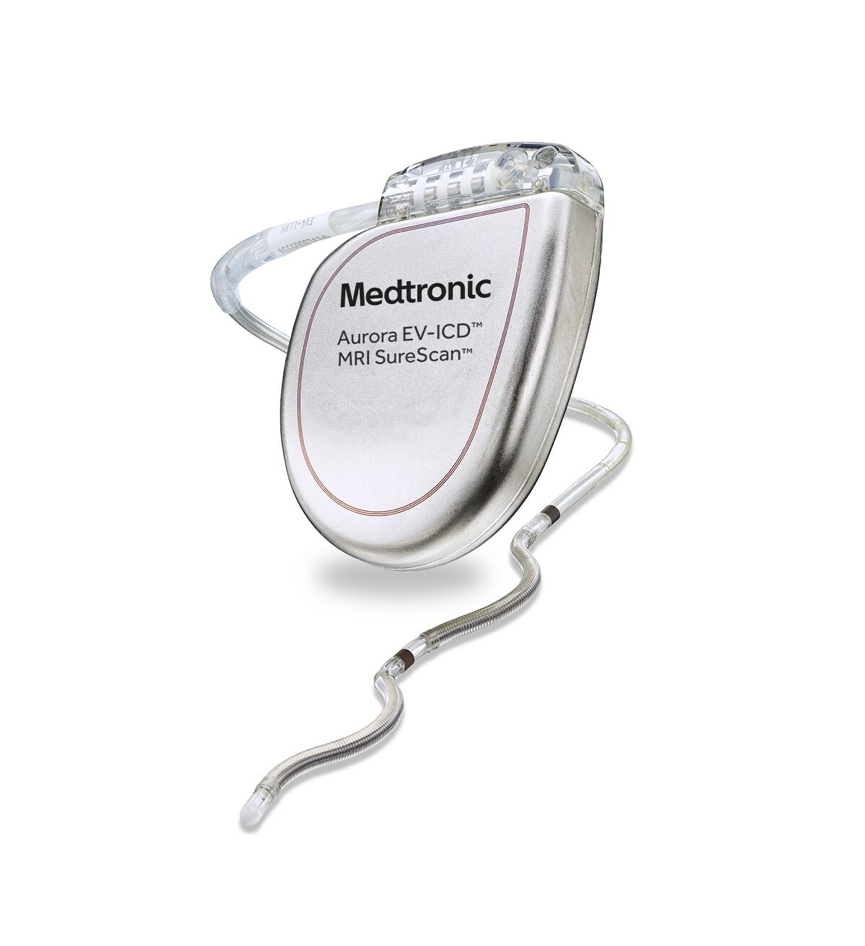
The Aurora EV-ICD system has the functions of Medtronic's transvenous ICD and also offers additional advantages that subcutaneous ICDs do not, including
Antitachycardia Pacing (ATP), which uses low-energy pacing pulses to terminate ventricular arrhythmias (rapid and/or chaotic heart activity that can lead to SCA), potentially avoiding defibrillation shocks.
Pause preventive pacing to provide backup pacing for brief, intermittent cardiac pauses.
40-Joule defibrillation energy provides life-saving shocks in a device comparable in size to transvenous ICDs (33 milliliters).
Medtronic's exclusive PhysioCurve™ design enhances patient comfort and implant acceptance.
The expected lifespan is 11.7 years, reducing the number of device replacement procedures a patient may need over their lifetime. Patients receiving the commercially available Aurora device will also benefit from the new Smart Sense feature, a proprietary algorithm designed to reduce the likelihood of inappropriate shocks.
Medtronic will obtain real-world performance and safety data of the Aurora system after global approval of Enlighten, a prospective, non-randomized, observational, multi-center study expected to last five years with approximately 1000 patients. Recently, cardiologist Dr. Lucas V.A. Boersma from Sint Antonius Hospital in Nieuwegein, the Netherlands, performed the first implant in Enlighten as well as the world’s first commercial implant. The system is currently available in limited release in select European countries.
The Aurora EV-ICD System is indicated for patients at risk of life-threatening arrhythmias who have not undergone sternotomy and do not require pacing for chronic bradycardia (abnormally slow heartbeat).
About EV ICD Clinical Research
The EV ICD Pivotal Study is a prospective, multicenter, single-arm, non-randomized, pre-market clinical study designed to evaluate the safety and effectiveness of the Medtronic EV ICD System in patients at risk of sudden cardiac death. The study enrolled 356 patients across 46 research institutions in 17 countries, including North America, Europe, the Middle East, Asia, Australia, and New Zealand, with results published in The New England Journal of Medicine. The study’s safety and effectiveness outcomes were assessed over an 18-month period.
About Medtronic
Medtronic, plc., headquartered in Dublin, Ireland, is a global leader in healthcare technology, boldly addressing some of the most challenging health problems faced by humanity through innovative solutions. Medtronic’s technologies and therapies treat 70 health conditions, including cardiac devices, surgical robots, insulin pumps, surgical tools, patient monitoring systems, and more.
The technical opinions in this article do not represent the views of CCI.



CCI Cardiovascular Physicians Innovation Club
Long press the QR code to follow us
Planning: Shen Li/Editor: Chen Baolin
Author:Cloud Leaf Pavilion/ Production: Wang Rui