

Chengcheng Bio Advances CGT Industry Upgrade with Innovative CMC Solutions and Affordable Therapies

lncTAC
Nucleic Acid Drug Developer

NEUREGEN
Novel Gene Therapy Drug Developer

CR Therapeutics
Innovative Immunotherapy Product Developer

Tofflon
Integrated Pharmaceutical Equipment Service Provider

Legend Capital
Early-stage venture capital and growth-stage private equity investment institutions

Saifu Pharmaceutical
Preclinical CRO Service Provider

T&L Biotechnology
GMP-Grade Raw Material and Reagent R&D Manufacturer
On October 21, the 2023 Pharmaceutical Innovation Trend Conference, hosted by VCBeat and VB100, co-organized by Qinshan Subdistrict Office, Hangzhou Xingcheng Biotechnology Co., Ltd., and CTIC CAPITAL, and supported by TandemAI, BFC Group, and Legend Capital, was successfully held. Among the events, VCBeat, in collaboration with Hangzhou Xingcheng Biotechnology Co., Ltd., jointly hosted the CGT-Cell and Gene Therapy Mini Forum.
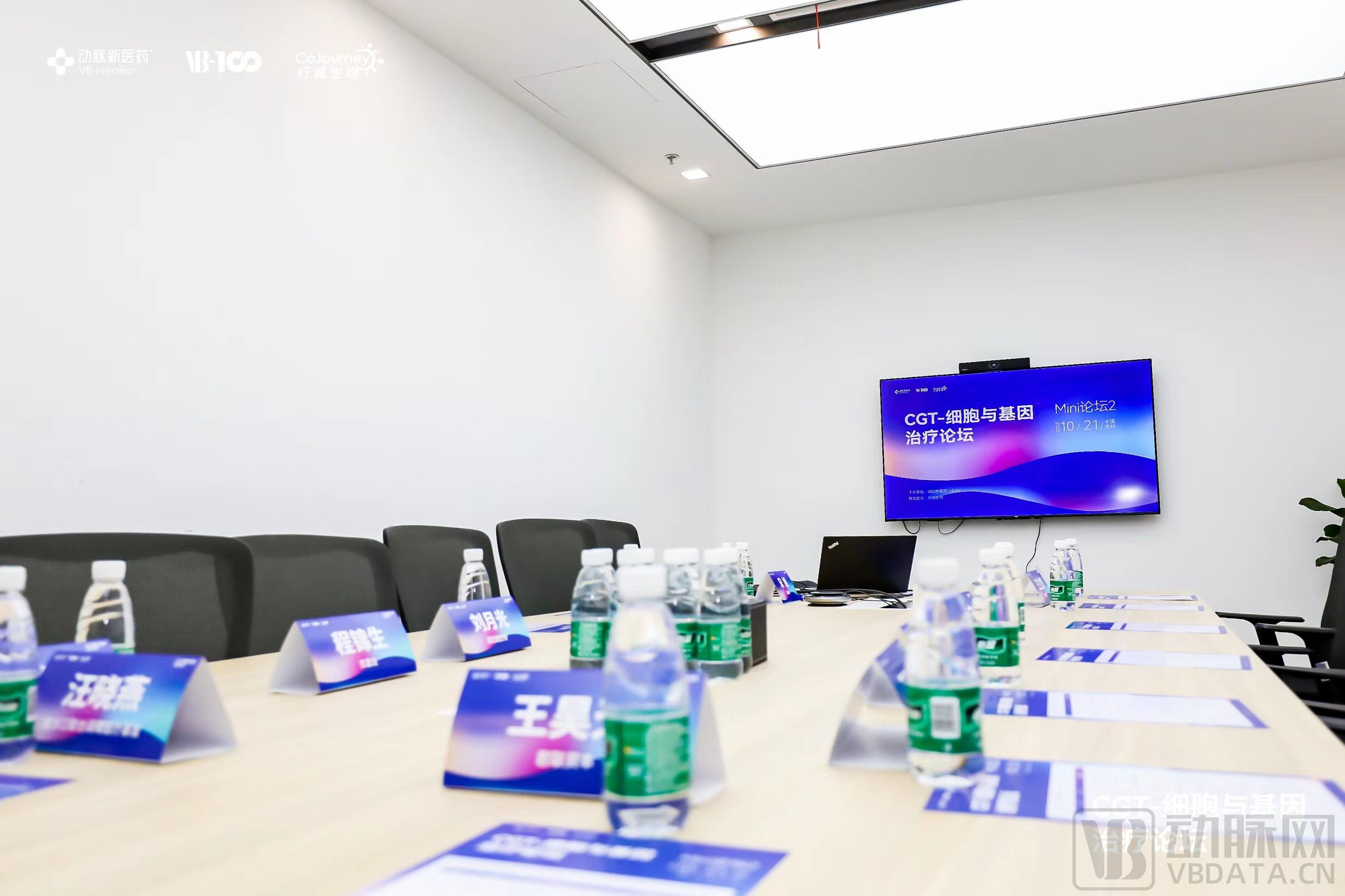
▲Event Site
This forum was organized byLiu Xiao, Vice President of Business Development at Hangzhou Xingcheng Biotechnology Co., Ltd.Host in-depth discussions and exchanges on various topics such as the trend of CGT industry upgrading, non-clinical research of products, patent layout, and product payment. The event also features an underwater project showcase and a free-mic discussion session, ensuring that the entire activity is not just a one-way output but is filled with lively discussions and active participation from guests.
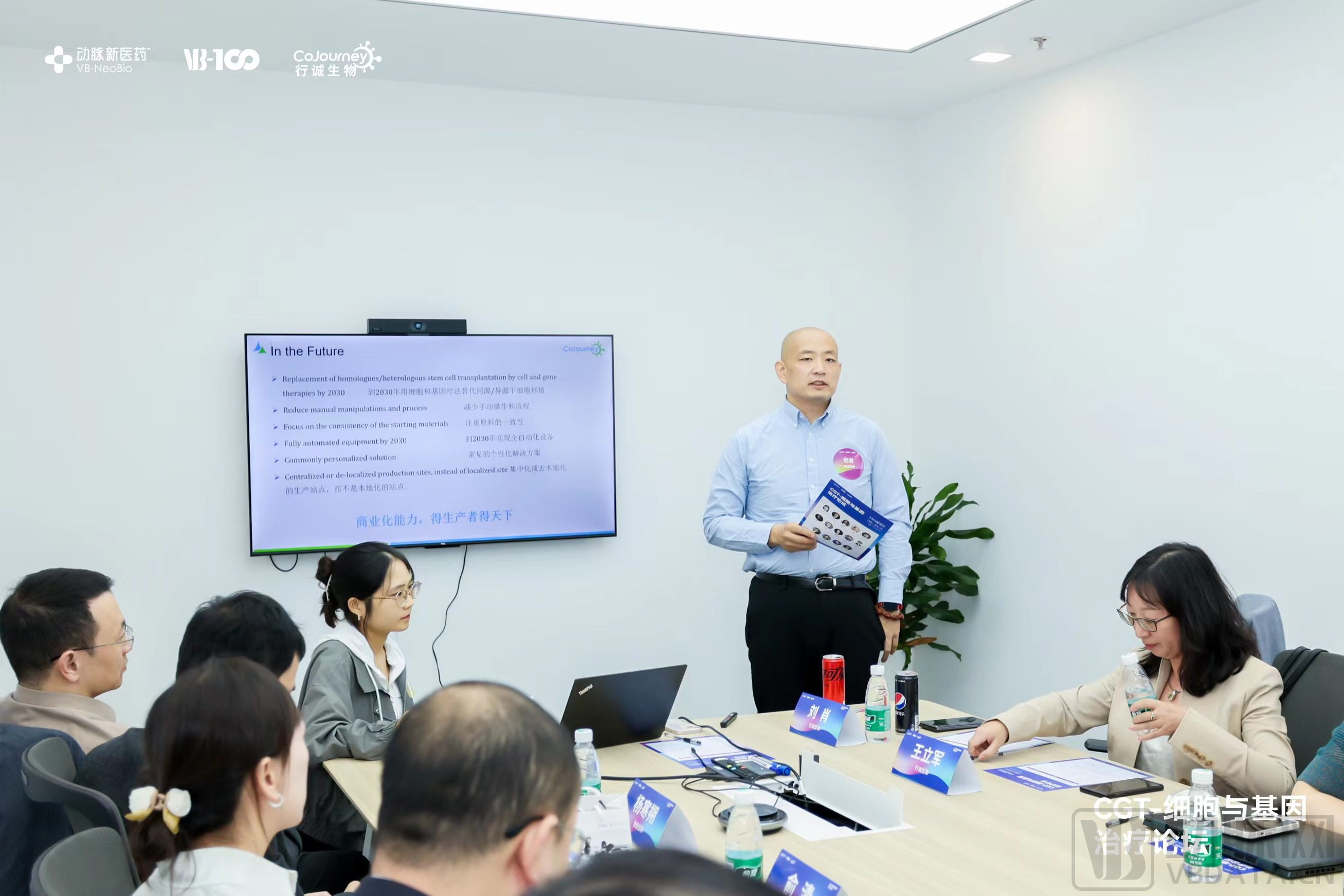
▲ Liu Xiao | Hangzhou Xingcheng Biotechnology Co., Ltd. Vice President of Business Development
Wang Lijun, Co-founder and CEO of Hangzhou Xingcheng Biotechnology Co., Ltd.Delivered a keynote speech titled "Insights into the Pace and Trends of CGT Industry Upgrading from a CMC Perspective," analyzing the number and direction of projects at various stages of gene therapy both domestically and internationally, as well as comparing past and present trends. It was predicted that around 13 gene therapy products would be approved by the end of the year. Meanwhile, Wang Lijun emphasized that the development challenges for gene therapies are immense, offering several recommendations: First, CMC factors must be integrated into every stage of product development; second, there should be a deep understanding of the regulatory policies under low release standards; finally, careful consideration should be given to commercialization strategies and platform technology selection.
In addition, General Li Jun particularly emphasized Xingcheng Bio's globally unique chromatography-free plasmid production technology, a classic example of the company’s deep understanding of CMC. This technology can help client companies significantly reduce plasmid production costs and minimize the possibility of cross-contamination. Xingcheng hopes that through its profound understanding of CMC, strong capabilities, and stringent quality requirements, it can assist China’s cell and gene therapy companies in developing affordable and effective cell and gene therapies for the Chinese population.
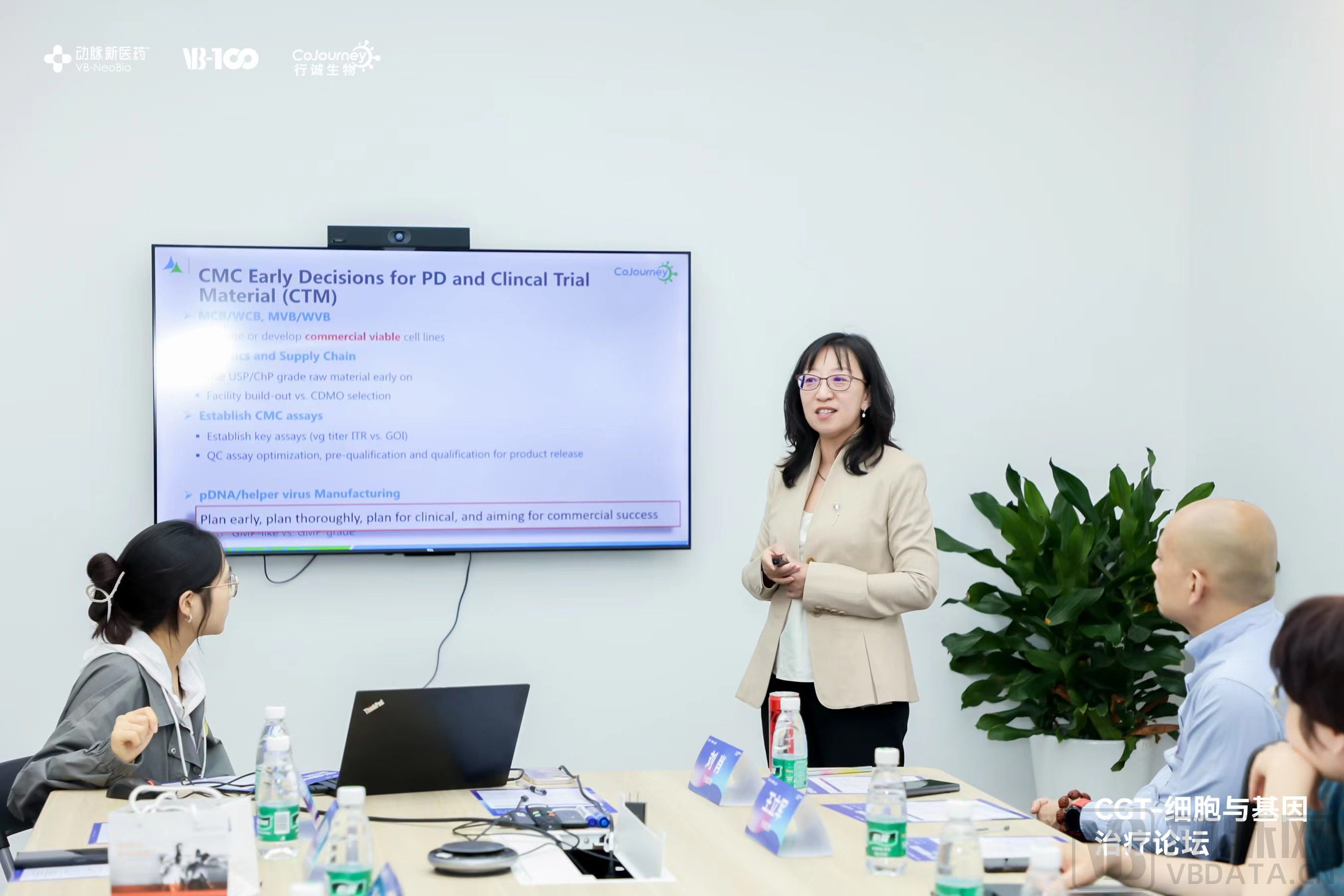
▲Wang Lijun|Hangzhou Xingcheng Biotechnology Co., Ltd. Co-founder and CEO
Chen Haining, Vice General Manager of the Pharmacology and Efficacy Center at Saifu PharmaceuticalOn the topic of "Non-clinical Research of Cell and Gene Therapy Products," insights were shared from three aspects: industry regulation of gene therapy, key focuses in non-clinical research, and some collaboration cases from Saifu Pharmaceutical.
Chen Haining first introduced the industry regulatory policies, regulations, and guidelines for cell therapy products in China, as well as the basic requirements for non-clinical evaluation study data in the IND application of biologics. Meanwhile, Chen Haining emphasized that the key considerations for non-clinical research on gene therapy products should be assessed from three aspects: pharmacodynamics, pharmacokinetics, and toxicology studies. In pharmacodynamics research, the focus should be on proof-of-concept; in pharmacokinetics research, exposure, biodistribution, and shedding are critical factors to consider; in toxicology research, general toxicology, immunotoxicity, reproductive toxicity, genotoxicity, carcinogenicity, and the risk of replication-competent viruses should be prioritized. Regarding the potential issues and risks mentioned above, Chen Haining provided comprehensive explanations and proposed solutions for non-clinical research.
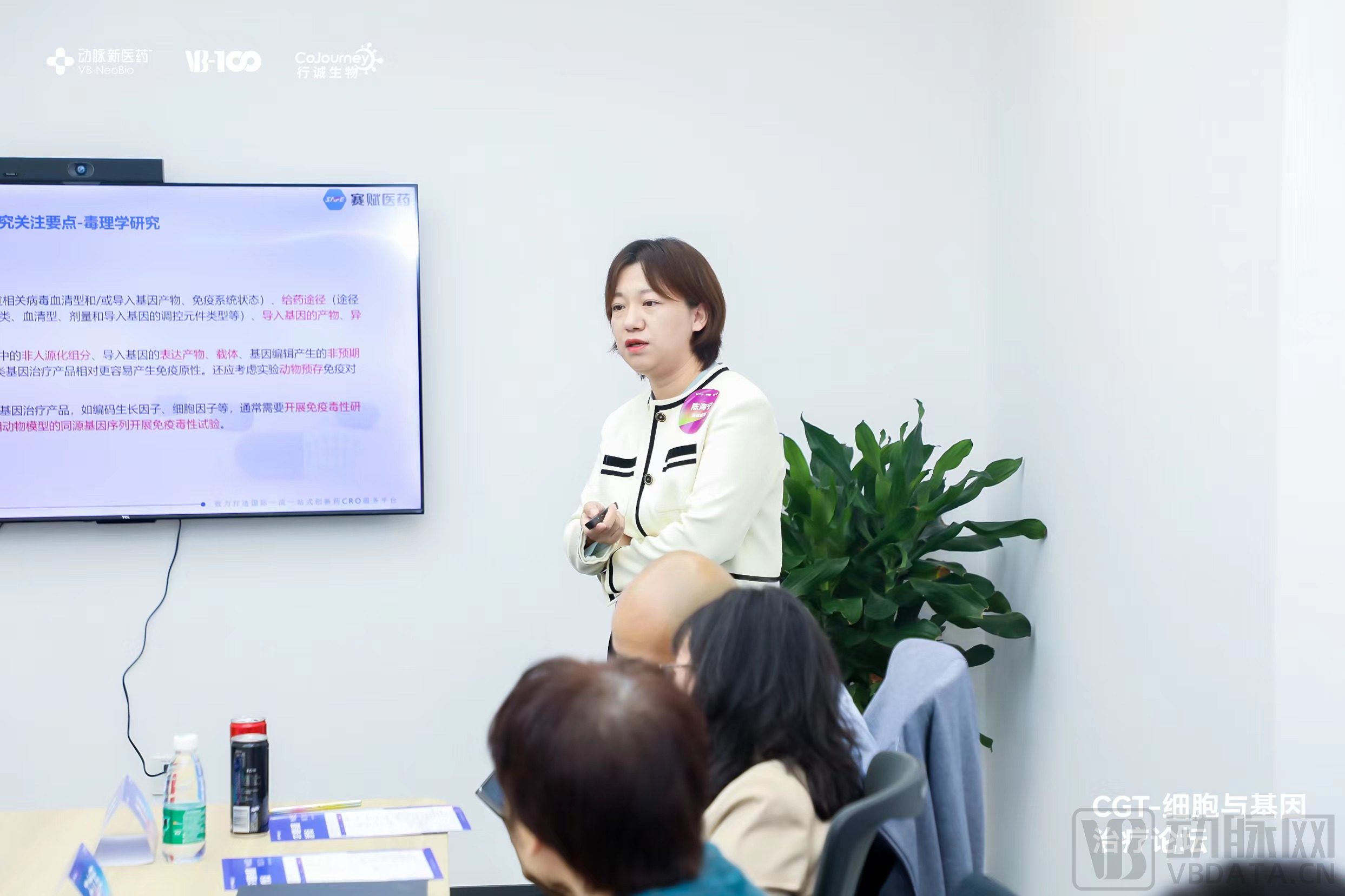
▲ Chen Haining | Vice General Manager of Pharmacology and Efficacy Center, Saifu Pharmaceutical
For the patent layout of CGT products,Hua Dong Tang, Attorney at Plant Law Firm"Brought a thematic sharing on *Cell and Gene Therapy Patent Layout Strategies*."
Lawyer Tang Huadong began this speech with the case of Juno vs Kite. Through the analysis of this case, he summarized four insights: First, for patents or claims involving antibodies, merely using target limitations is difficult to meet the requirements of the CAFC; it is necessary to provide as many sequence-limited antibody embodiments as possible. Second, for CAR-T product patent protection, even if the ScFv part is not an essential technical feature, the antibody limitation standard still applies. Third, specific sequence descriptions should be provided in the embodiments as much as possible, rather than being limited by reference or textual descriptions. Fourth, core patents of importance should be laid out in various ways. In addition, Lawyer Tang explained the definition, positioning, considerations, and principles of patent layout, and systematically analyzed the innovative drug patent layout model, cell therapy patent layout, and the characteristics of high-value patents from a global perspective. Finally, Lawyer Tang discussed Kymriah.®The in-depth analysis of the patent layout provided the guests and audience present with a highly valuable reference case.
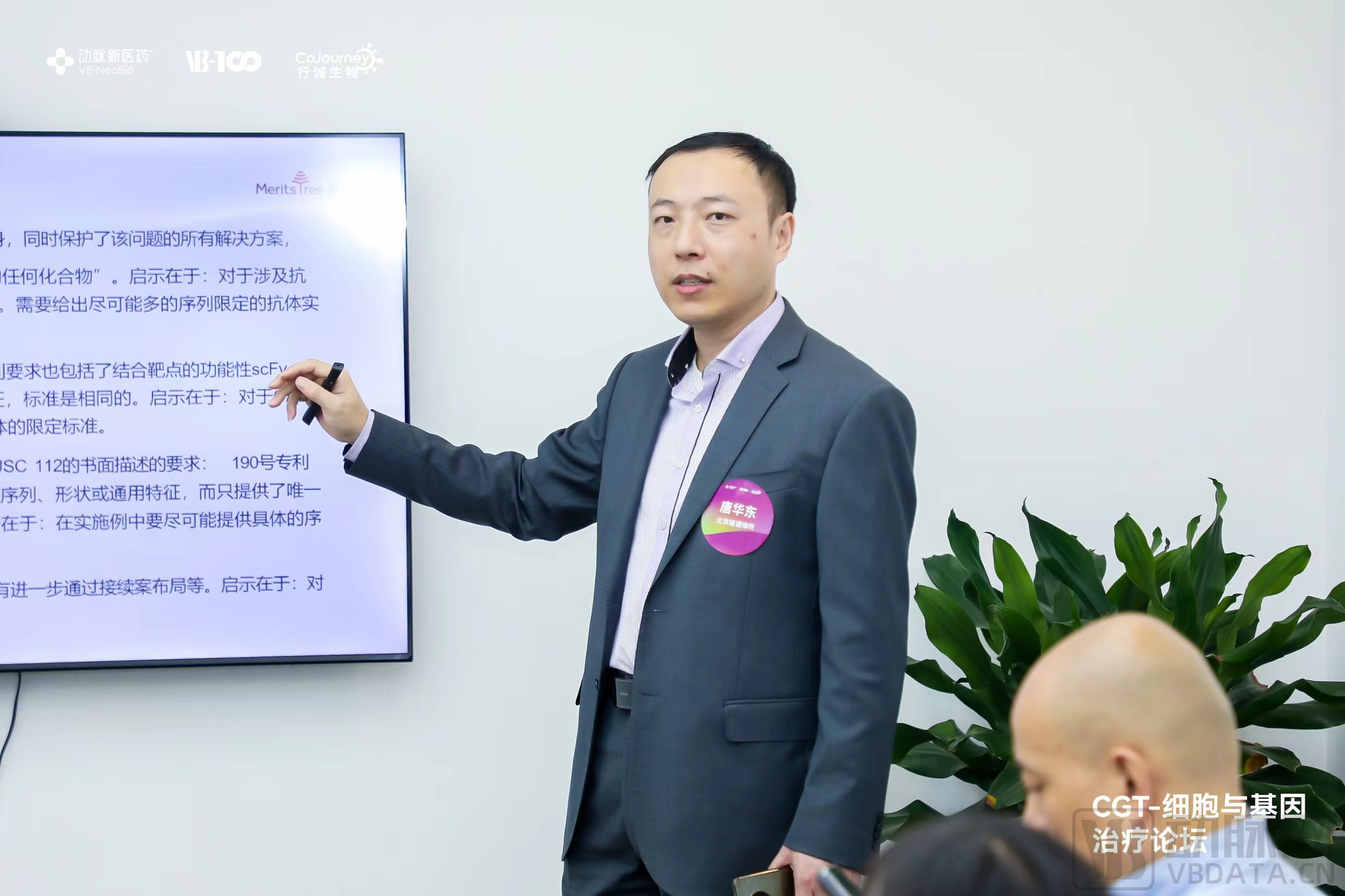
▲ Tang Huadong | Partner, Beijing Zhider Law Firm
From the perspective of the payment side,Wang Zhengjue, Deputy General Manager of Sinopharm Holding Innovation CenterBrought the Thematic Sharing of "Thoughts on Breaking the Payment Dilemma for CGT Products".
Wang Zhengjue believes that the production cost of cell and gene therapies is much higher than that of traditional targeted drugs, and their pricing is difficult for developing countries to accept as an objective fact. Therefore, the pricing of cell and gene therapies requires more support from payers and payment methods compared to other innovative drugs. Based on this, Wang Zhengjue analyzed the advantages and disadvantages of China's national medical insurance negotiations (National Reimbursement Drug List, NRDL) in terms of innovative drug payments. He also elaborated on the role of innovative payment models throughout the lifecycle of new drugs and provided examples of existing innovative payment models in practice. Additionally, he proposed that innovative commercial health insurance can achieve multi-party risk sharing, which would facilitate the market promotion of CGT products. He analyzed relevant cases of China's mutually beneficial insurance model, sparking extensive discussions among guests at the venue. Finally, Wang Zhengjue summarized that resolving the payment challenges of cell and gene therapy products in China requires joint exploration of innovative solutions by multiple parties, and he concluded with his own recommendations.
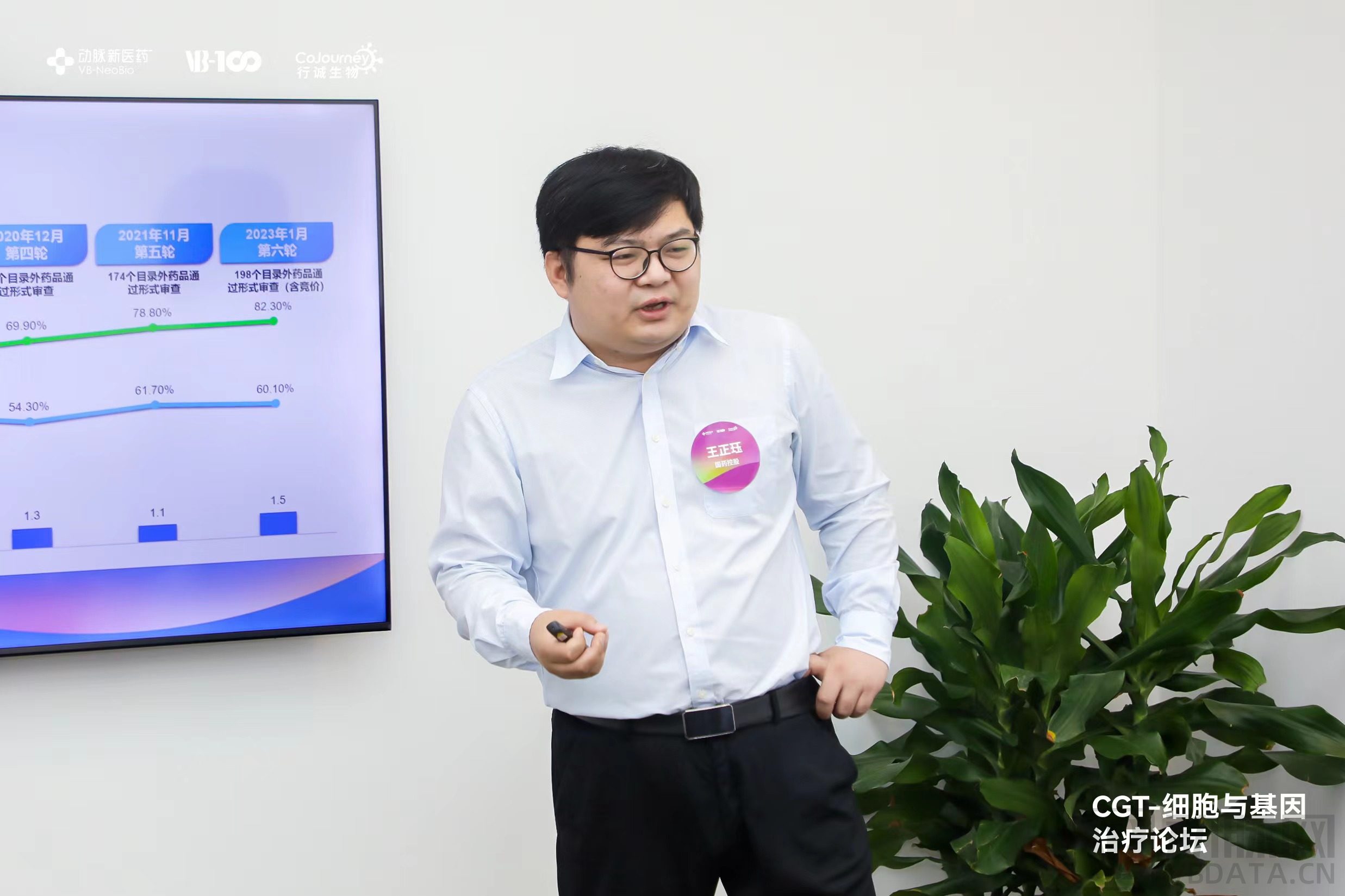
▲ Wang Zhengjue | Deputy General Manager, Innovation Center, Sinopharm Group
Founder of CR Therapeutics, Yang HanshuoCR Therapeutics introduced its newly developed next-generation universal cell therapy products. Due to the high cost, limited indications, complex processes, long preparation cycles, and high expenses of existing immune cell therapy products, as well as the limitations of reduced efficacy in universal CAR-T, CR Therapeutics has developed two core platform technologies: off-the-shelf, universal therapeutic tumor vaccines and In vivo CAR-T. The company is committed to developing a new generation of universal cell therapy products that are effective, safe, controllable, and affordable.
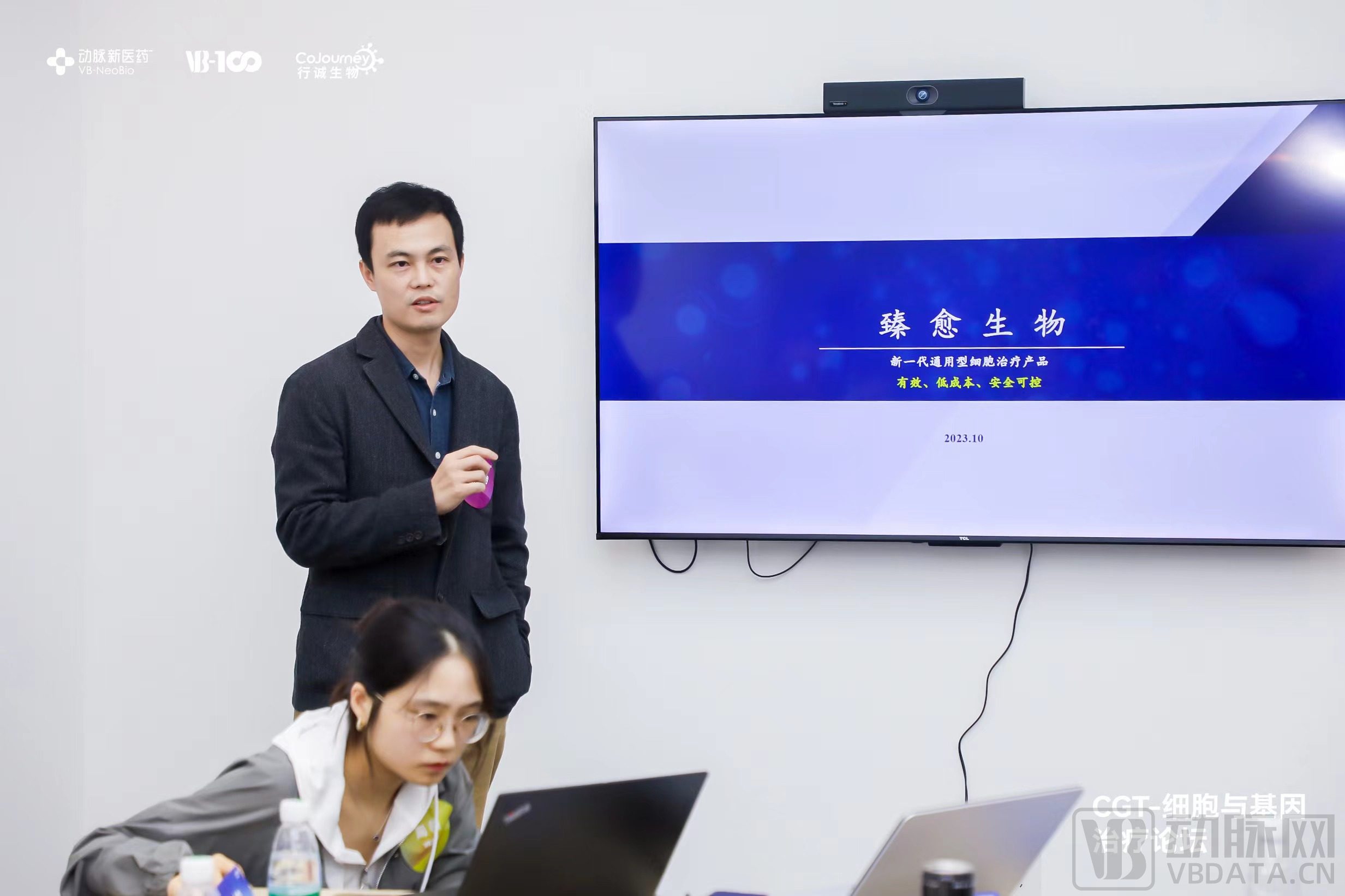
▲ Yang Hanshuo | Chairman of CR Therapeutics
Song Xu, founder of lncTACProvided a detailed introduction of his company as the first innovative enterprise in China dedicated to the research and development of IncRNA drugs, and it was selected as a key project for the "open challenge" technology breakthrough initiative by the National Biomedicine Innovation Center for nucleic acid drugs. Song Xu also presented two new technologies: "Low-cost, long-lasting nucleic acid stabilization technology, extrahepatic targeted delivery technology, developing nucleic acid drugs targeting extrahepatic sites & low-cost RNAi," and "Modified GalNAc liver delivery module, stabilization module, protein binding module, developing long-acting extracellular protein degradation drugs targeting sites where antibody drugs fall short." The discussion among the guests on these technologies brought the atmosphere in the venue to a climax.
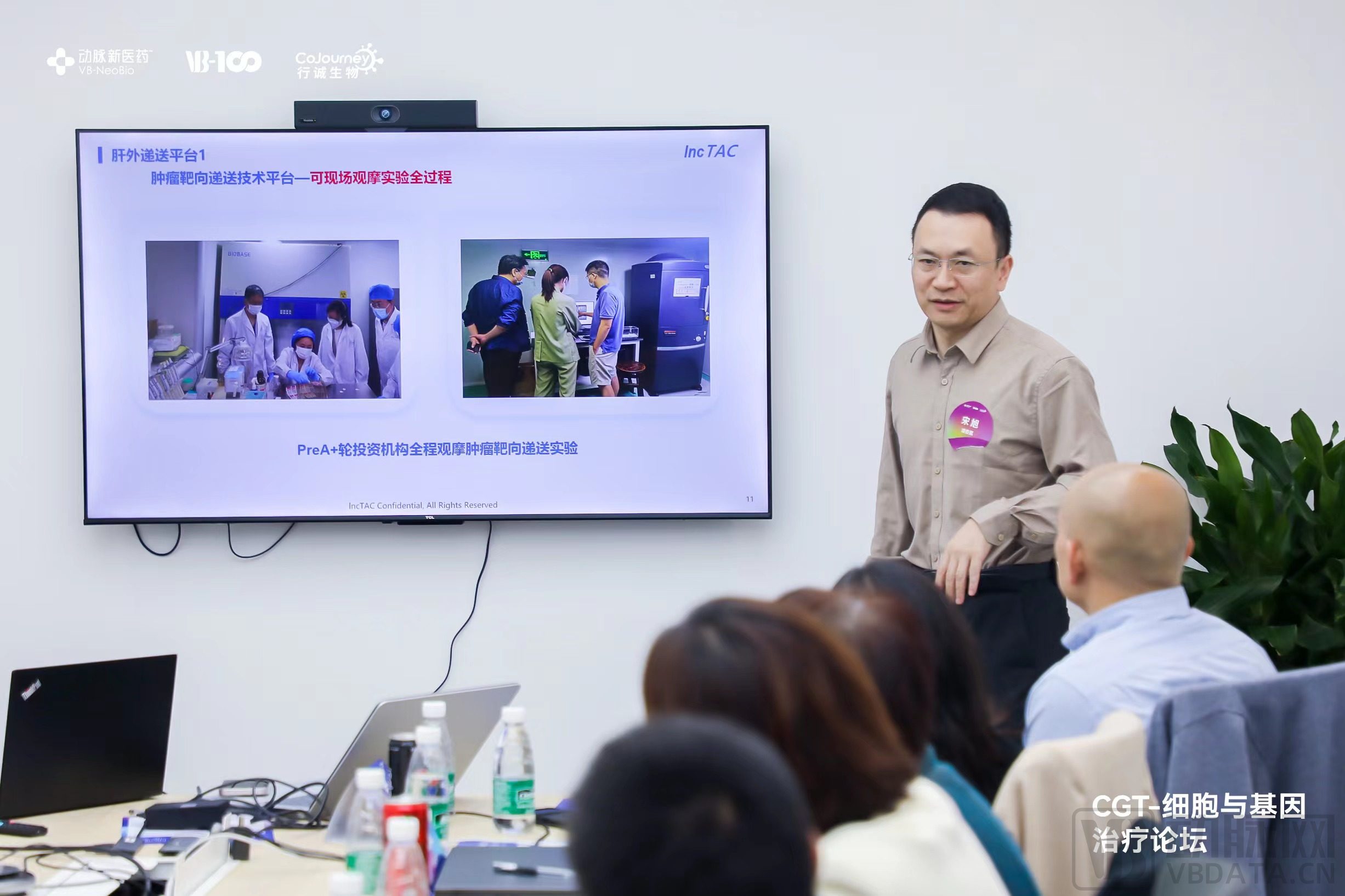
▲ Song Xu | Founder of lncTAC Biotechnology
Yu Qing, Vice President of R&D at Yuanshimao BiotechnologyIntroduction to Cell Therapy for Treating Diabetes Using Pancreatic Islet Organoids
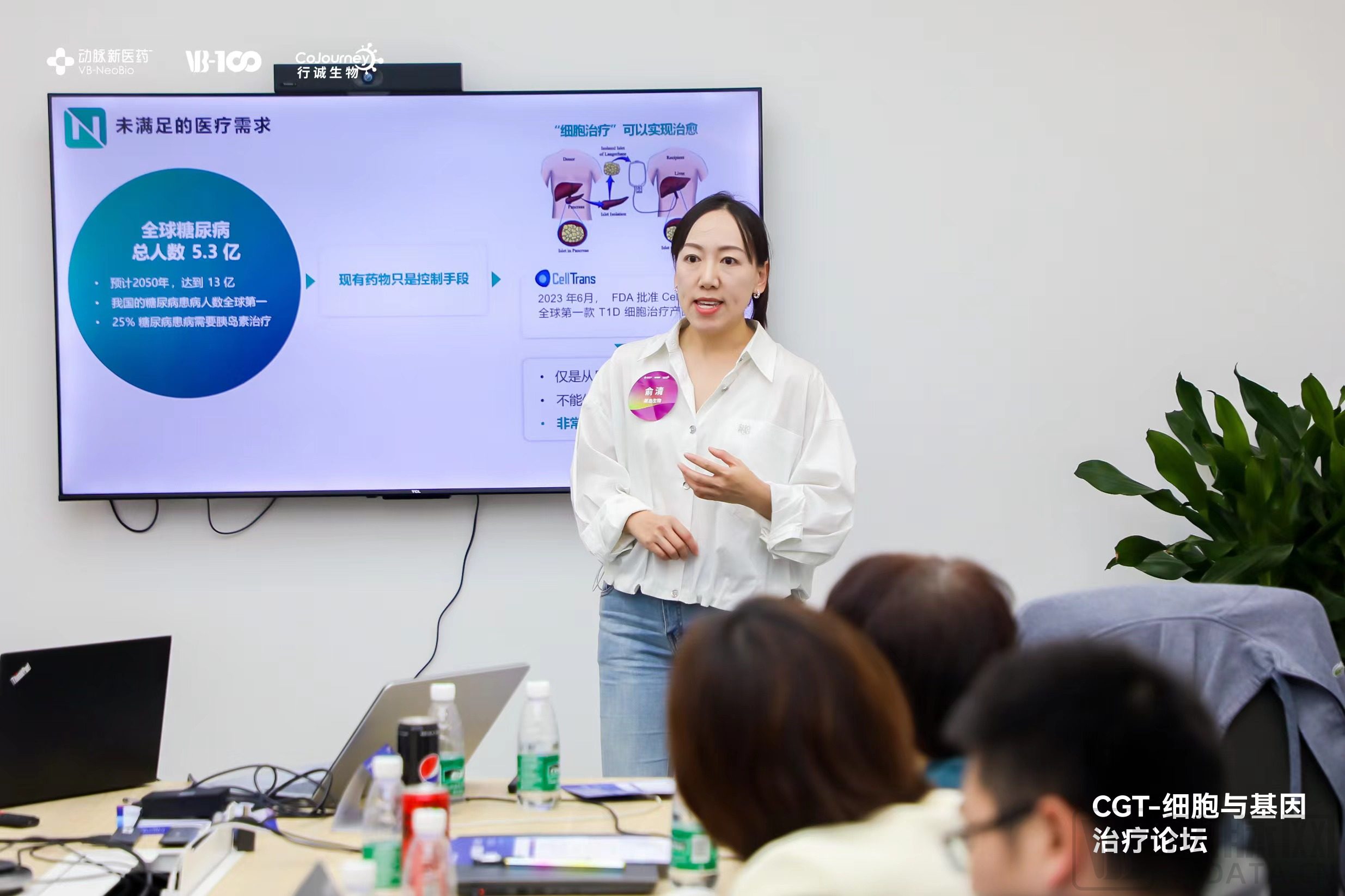
▲ Yu Qing|Vice President of R&D, Yuan Dao Bio
He Lizhen, founder of Hangzhou FulibioBrought to the forum the presentation of two first-in-class antibodies with unique application scenarios and huge development potential. The first one is a monoclonal antibody used for lymphodepletion pretreatment in anti-cancer T cell therapies (CAR-T, TCR-T, TILs), which significantly enhances the in vivo expansion and anti-cancer efficacy of infused T cells compared to the current standard lymphodepletion regimen, and will help improve the efficacy of T cell therapies in solid tumors. The second one is the world's first monoclonal antibody that specifically inhibits the formation of anti-drug antibodies. He Lizhen pointed out that there are already nearly 300 recombinant protein drugs, including antibodies, fusion proteins, cytokines, proteases, etc., widely used in clinical applications for various diseases. However, immunogenicity is a major pain point for recombinant protein drugs. A significant proportion of patients develop anti-drug antibodies (ADA), even neutralizing anti-drug antibodies, which not only affect drug efficacy but may also bring serious toxic side effects. Some recombinant protein drugs are limited by ADA to only one administration, severely restricting the clinical development and application value of these drugs. Fortunately, Liv-169, developed by her company, can specifically inhibit the formation of antibodies against protein antigens and is expected to become the world’s first adjuvant drug for highly immunogenic protein drugs, with broad application prospects and enormous market potential.
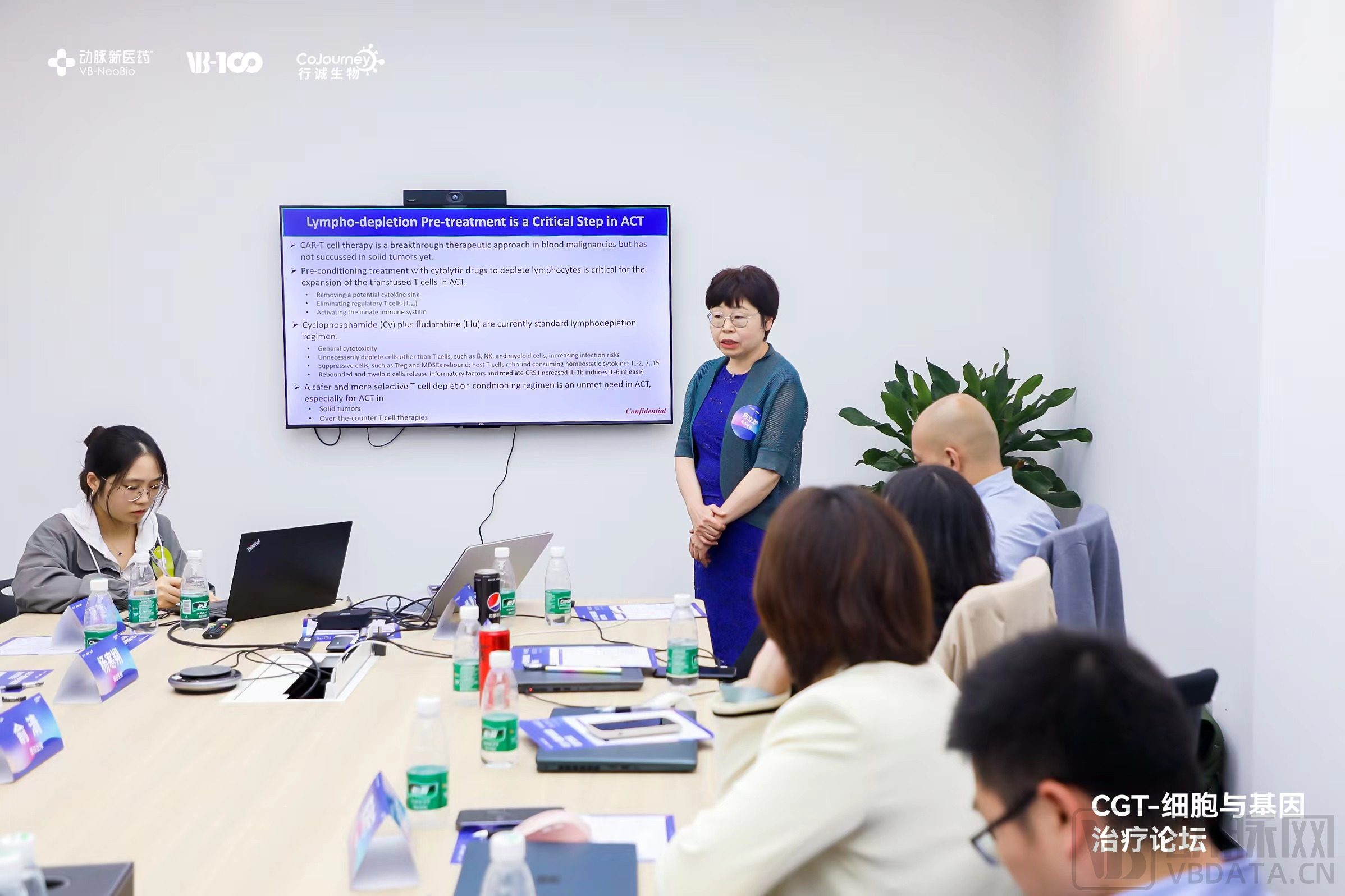
▲He Lizhen | Founder of Hangzhou Fuli Biotechnology
During the underwater project presentation and open mic discussion session,Liu Yueguang, Co-founder and CSO of NEUREGEN; Cheng Jinsheng, Vice President of Tofflon Group and General Manager of the Life Science Division; Xu Rong, Vice President of Beijing T&L Biotechnology Co., Ltd. and BD; Wang Xiaoyan, Managing Partner of Jinsijiang United Runpu Medical Fund; Wang Haotian, Investment Vice President of Legend CapitalThe specially invited guests provided suggestions on the four projects. On one hand, this helped the live audience gain a deeper understanding of the project content; on the other hand, the suggestions offered by the guests prompted the project leaders to engage in more in-depth thinking, contributing to the improvement of the projects.
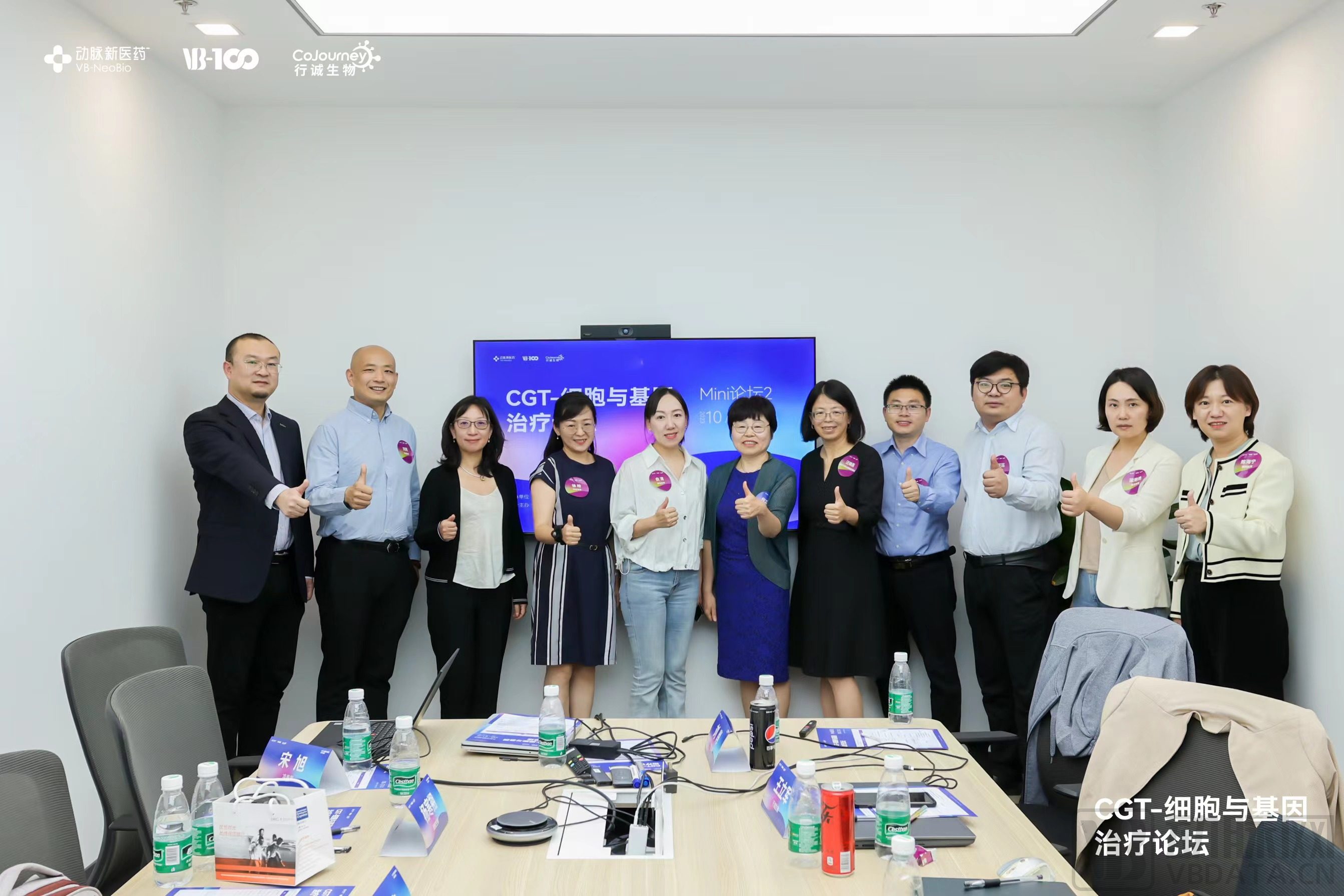
▲Group Photo of Forum Guests
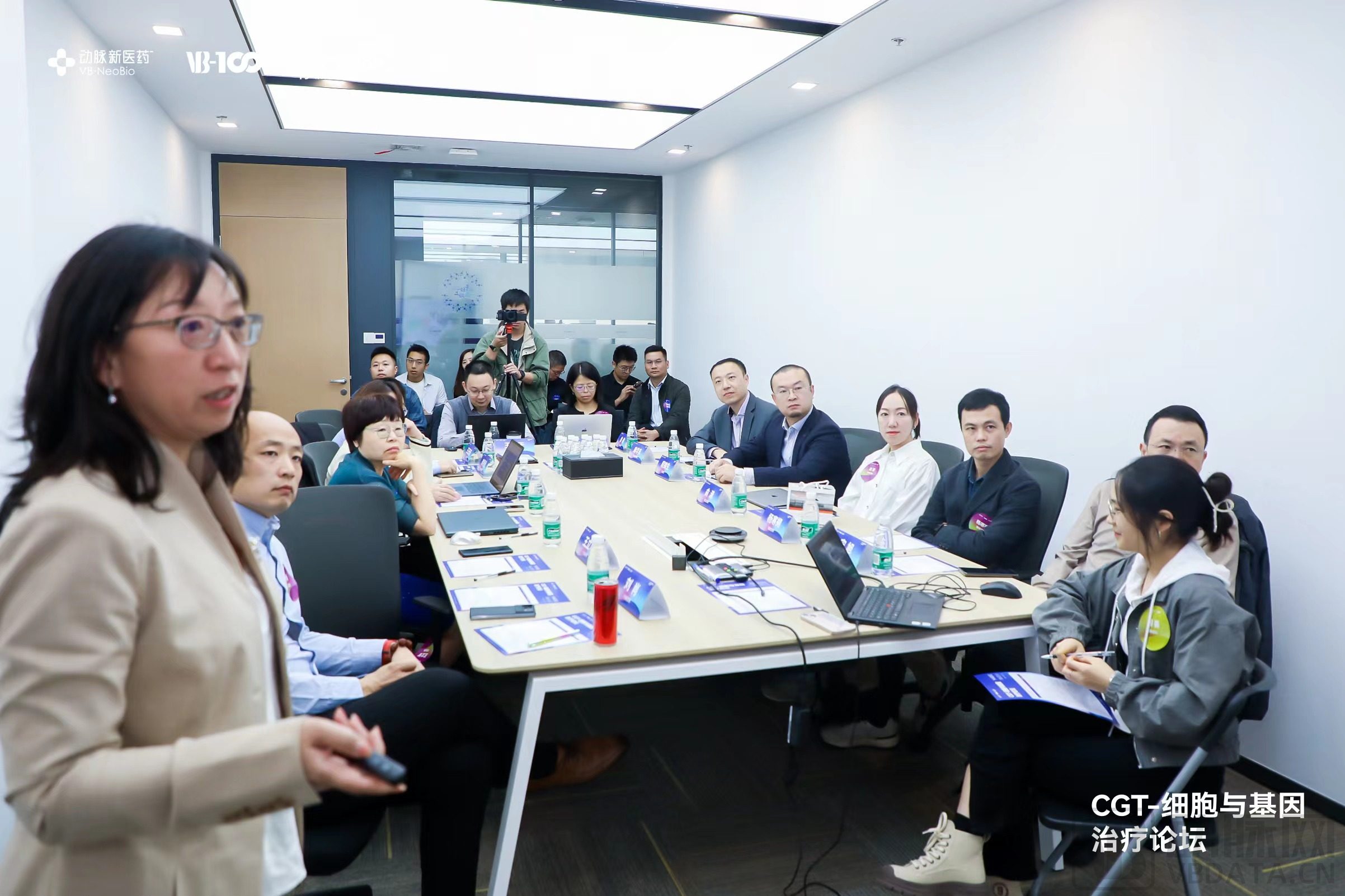
▲Event Site
The "2023 Pharmaceutical Innovation Trend Conference · CGT-Cell and Gene Therapy Mini Forum" has successfully concluded! During the event, we focused on the key pain points and cutting-edge technologies in cell and gene therapy, and conducted in-depth discussions on the challenges and opportunities in this field. Industry experts, scholars, and innovative entrepreneurs presented abundant research findings and practical experiences, providing us with valuable insights and inspiration. Through the exchange, sharing, and collaboration at this sub-forum, we believe that new momentum will be injected into the development of the cell and gene therapy field, driving innovation and bringing more benefits and hope to patients.