Sanofi Reports Q3 2023 Earnings Miss, Shares Plunge 16% in Pre-Market Trading
Sanofi
Pharmaceutical R&D Developer

On October 27, 2023 (Beijing Time), Sanofi announced its Q3 2023 performance, with Q3 revenue reaching €11.964 billion, a year-on-year increase of 3.2%. The total revenue for the first three quarters was €32.151 billion, a year-on-year increase of 3.9% (all data in this article are calculated at constant exchange rates).
However, Sanofi's earnings per share (EPS) missed expectations, with an expected EPS of $2.26 and an actual EPS of $1.39. Affected by this news, Sanofi's pre-market stock price in the U.S. plummeted by approximately 16%.
Including pharmaceuticals business revenue of 7.6 billion euros, vaccines business revenue of 3.1 billion euros (-0.6%), and consumer healthcare business revenue of 1.2 billion euros (+4.6%).
The pharmaceutical business is divided into the Specialty Care segment and the General Medicines segment, accounting for 60.5% and 39.5%, respectively.
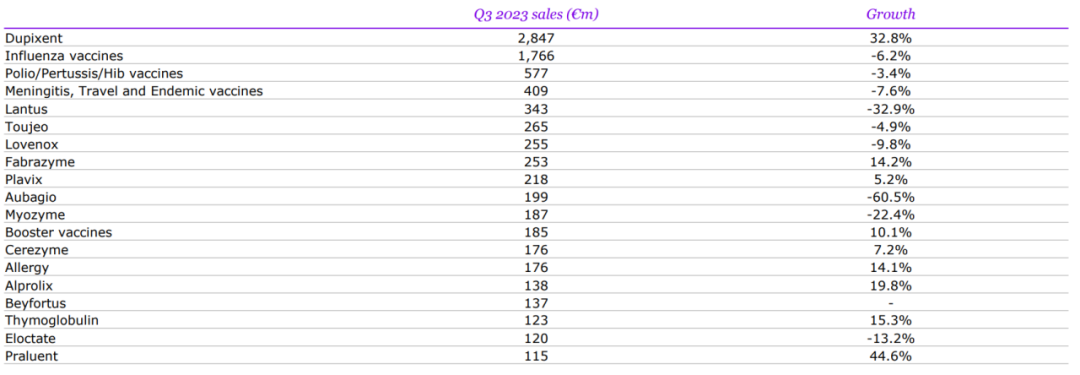
In the specialty drugs sectorDupilumab Q3 Revenue 2.847 Billion Euros, a year-on-year increase of 32.8%; revenue from the Neurology, Oncology, and Rheumatology segment was €504 million in Q3, a year-on-year decrease of 37%; revenue in the Rare Diseases field was €1.284 billion in Q3, a year-on-year increase of 12.1%.
General Medicines Segment Q3 Revenue of 3 Billion Euros, Down 6.6% Year-on-YearMainly including drugs for diabetes and cardiovascular diseases, the revenue of the anticoagulant enoxaparin (Lovenox) in Q3 was 255 million euros, a year-on-year decrease of 9.8%, and the revenue of insulin glargine (Toujeo, 300U/mL) in Q3 was 265 million euros, a year-on-year decrease of 4.9%.
In terms of products, the main revenue sources are Dupilumab, vaccines (influenza, Polio/Pertussis/Hib, and Meningitis vaccines), and insulin glargine Lantus, among others (Figure 1) [1].
01
Pharmaceutical revenue accounts for 63.5%,
Dupilumab Holds Up Half the Sky
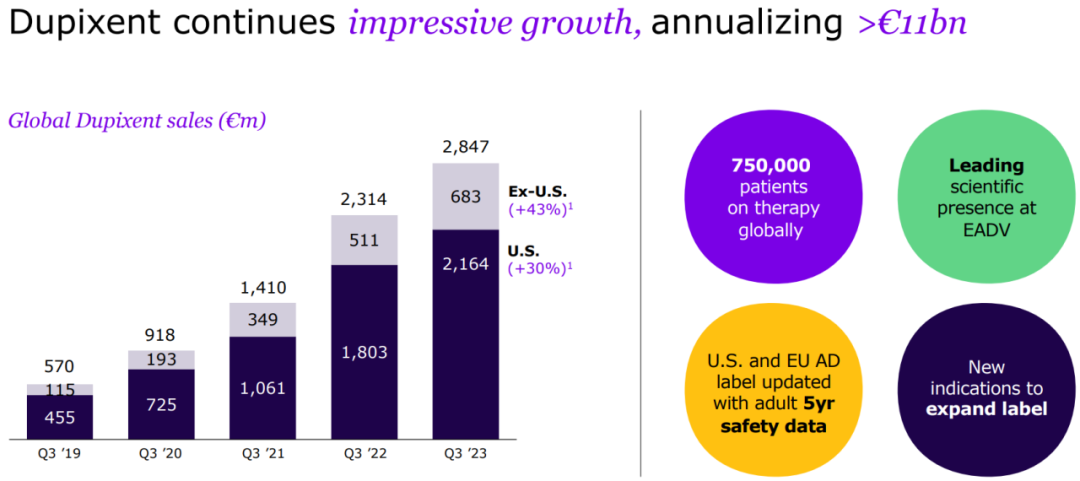
Dupilumab remains Sanofi's blockbuster star product, propping up half of the specialty drug segment, with third-quarter sales reaching €2.847 billion. Cumulative sales for the first three quarters have reached €7.725 billion, and full-year sales are expected to reach €11 billion (Figure 2).
Dupilumab, co-developed by Sanofi/Regeneron, is a fully human monoclonal antibody of the immunoglobulin G4 subclass targeting IL-4R.Approved for marketing in the United States in March 2017,BecomeThe First Biologic for the Treatment of Moderate to Severe Atopic Dermatitis。
June 2020DupilumabApproved in China for the treatment of adult patients with moderate to severe atopic dermatitis, and subsequently included in the national medical insurance by the end of December,The only targeted biologic in the new edition of the national medical insurance directory for treating moderate to severe atopic dermatitis., for moderate to severe atopic dermatitis that is ineffective, contraindicated, or intolerant to traditional treatments.
Due to its outstanding efficacy, dupilumab has been successively approved for multiple indications, such as asthma, chronic rhinosinusitis with nasal polyps, prurigo nodularis, and eosinophilic esophagitis, among others.
DupilumabApproved in the EU this yearEosinophilic Esophagitis andChildren aged 6 months to 5 yearsNew Indication for Atopic Dermatitis Approved in ChinaAdult Nodular Prurigo and Children Aged 6 Months to 5 YearsNew Indication for Atopic Dermatitis.
A recent Phase 3 result for dupilumab showed sustained efficacy for up to one year in children aged 1 to 11 with eosinophilic esophagitis (EoE). The supplemental Biologics License Application (sBLA) for dupilumab for the treatment of EoE in children aged 1 to 11 is currently under priority review in the United States.If approved, dupilumab will become the first and only FDA-approved treatment for these children with EoE.[2]。
Dupilumab Leads the Pack in New Brand Prescriptions (NBRx) Across Dermatology, Allergy, and Respiratory Departments。
In addition,Dupilumab Achieves Milestone Phase III Data in the Field of Chronic Obstructive Pulmonary Disease (COPD): In a Phase III study involving 939 COPD patients who are or were smokers, the Dupixent group experienced a 30% reduction in moderate to severe COPD exacerbations over 52 weeks (p=0.0005). The study also met all secondary endpoints, showing improvements in lung function, quality of life, and respiratory symptoms, further unlocking market potential in the future [3].
Dupilumab faces setback in chronic spontaneous urticaria, recently,FDA Rejects Dupilumab’s New Indication Application for Chronic Spontaneous Urticaria, Citing Need for Additional Efficacy Data to Support Approval, it did not find any safety or manufacturing issues. Regeneron stated that an ongoing clinical trial (Study C) will continue to recruit patients, with results expected by the end of 2024, which will provide additional efficacy data.
02
Innovative Drug Pipeline Layout
Sanofi engages in cardiovascular、Vaccine、Diabetes、Immunity、Research in the fields of rare diseases and tumors, including cardiovascular、Vaccine、Diabetes、ImmunityAndRare diseases are Sanofi's competitive advantage sector.,The tumor segment is relatively weak., up to now, there are at least 78 clinical stage projects, including the exploration of new indications for marketed drugs, such as dupilumab for the treatment of chronic pruritus of unknown origin, bullous pemphigoid, and COPD in phase 3 clinical trials (Figure 3) [4].

2.1 The Next Product in the COPD Field: IL-33 Monoclonal Antibody Itepekimab
In addition to Dupilumab, the phase 3 clinical trial of Itetrikimab for the treatment of COPD is also under development.
COPDIs a condition characterized by airflow obstruction.Chronic bronchitis and/or emphysema,May further develop intoCor pulmonaleCommon and Respiratory FailureChronic Disease`, causing disability rate and mortality rate`Very high, ranking as the third leading cause of death globally, with a large market and many unmet needs,The global market size is expected to reach $27.8 billion by 2030.。
Currently, the drug treatment for COPD is symptomatic, primarily focusing on bronchodilators, such as selective β2-adrenergic agonists (short-acting and long-acting), anticholinergics, theophylline, or combinations of these drugs.
Although current clinical treatment strategies can improve and stabilize the status and quality of life in COPD, none of them can alter the progressive decline in lung function, which is a hallmark of the disease. Therefore, there is an urgent need to develop new therapeutic approaches to improve clinical outcomes and prognosis in adult patients with COPD.
Interleukin 33 (IL-33), also known as IL-1F11, is produced by Th2 cells, mast cells, and innate lymphoid cells.IL-33 can induce these cells to produce inflammatory cytokines, thereby triggering allergic diseases such as atopic dermatitis and allergic asthma. Therefore, IL-33 blockers may become a new breakthrough in treating such diseases.。
Itepekimab is a human IgG4 monoclonal antibody that binds to IL-33 with high affinity and improves type 1 and type 2 pulmonary inflammation in mice. At this year's ATS conference, Sanofi/Regeneron reported the molecular mechanism of itepekimab binding to IL-33: Cryo-EM and Biacore studies have shown that itepekimab prevents the binding of the ST2 D3 domain to IL-33 and blocks the formation of the IL-33/ST2/IL-1RAcP ternary signaling complex [5].
Previously, Michael et al. reported the results of a multicenter, randomized, double-blind, placebo-controlled trial of itepekimab in the NEJM: Itpekimab improved lung function and reduced exacerbation rates in patients with moderate to severe asthma [6].
Itepekimab is a “First-in-class” monoclonal antibody targeting IL-33, with the potential to offer a new mechanism for treating COPD.
2.2 Multiple Sclerosis Drug: BTK Inhibitor TolebrutinibAnd CD40L monoclonal antibody frexalimab
2.2.1 BTK inhibitor tolebrutinib
Tolebrutinib is a BTK inhibitor developed by Sanofi for the treatment of multiple sclerosis. Last year, the FDA halted the Phase 3 clinical trial of tolebrutinib for treating MS due to liver injury safety concerns, and participants who had been receiving treatment for less than 60 days will discontinue dosing.
However, Sanofi did not terminate the development of tolebrutinib, butThe clinical trial protocol was revised to continue the trial, excluding patients with previous liver dysfunction and increasing the frequency of liver function monitoring in enrolled patients.
This year, at the joint ECTRIMS-ACTRIMS meeting, tolebrutinib was reported to show benefits lasting up to 3 years: based on new data from the long-term safety (LTS) extension of a Phase 2b trial.Treatment with tolebrutinib for up to three years is associated with low relapse rates and fewer new brain lesions in patients with relapsing MS.[7]。
2.2.2 CD40L Monoclonal Antibody Frexalimab
Frexalimab is a novel CD40L monoclonal antibody for autoimmune diseases such as lupus and multiple sclerosis, which Sanofi acquired from ImmuNext for $500 million.
In May this year, Sanofi announced at the 2023 Annual Meeting of the Consortium of Multiple Sclerosis Centers (CMSC) that the Phase 2 clinical study of frexalimab for the treatment of relapsing multiple sclerosis (RMS) had met its primary endpoint:After 12 weeks of treatment, the number of new gadolinium-enhancing (GdE) T1 lesions in the high-dose and low-dose treatment groups decreased by 89% and 79%, respectively, compared to placebo.At week 24, 96% of subjects in the high-dose frexalimab group had no new GdE T1 lesions, with pivotal trials planned to begin in 2024 [8].
03
Sanofi further through acquisitions,
Collaboration and other expansions to the R&D pipeline
In March this year,Sanofi Acquires Diabetes Company Provention Bio for Up to $2.9 Billion, Gaining Exclusive Rights to Tzield (Teplizumab)。
Tzield is a humanized monoclonal antibody targeting T-cell CD3, which received FDA approval in November 2022 for delaying the onset of clinical type 1 diabetes (stage 3) in patients aged 8 years or older with preclinical (stage 2) disease, making it the first-ever disease-modifying therapy capable of slowing the progression of this condition.
In July,Sanofi Reaches Strategic Collaboration Agreement with Recludix Pharma for up to $1.325 Billion, Gaining Global Development Rights for Small Molecule STAT6 Inhibitor。
Recludix Pharma will receive an upfront payment of $125 million and potential development, regulatory, and commercialization milestone payments of over $1.2 billion, along with double-digit percentage royalties based on future sales.
STAT6 is located downstream of the JAK/STAT pathway and is not utilized by other cytokines and growth factors. Therefore,Selective STAT6 inhibitors are expected to be more targeted, have fewer side effects, and represent a unique and valuable drug target.。
Recludix's discounted oral, selective, reversible, small-molecule drug inhibiting STAT6 is a differentiated alternative to injectable biologics and JAK family kinase inhibitors for the treatment of Th2-driven inflammatory diseases.
04
Future Increase in Momentum
Sanofi is also looking for new growth engines, placing its hopes on three key products: the long-acting hemophilia A therapy Altuviiio, the long-acting RSV monoclonal antibody Beyfortus, and the new type 1 diabetes (T1D) drug Tzield (Figure 4).
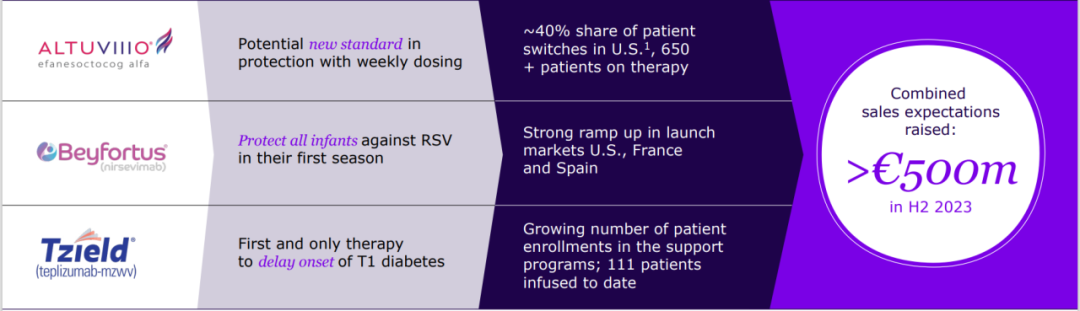
Figure 4. Products with Future Potential
4.1 Hemophilia A Therapy Altuviiio
Hemophilia A is a rare lifelong disease in which a person's ability to form normal blood clots is impaired, leading to excessive bleeding and spontaneous bleeding into joints, causing joint damage and chronic pain, and potentially affecting the quality of life.
Altuviiio is a novel factor VIII therapy for the treatment of hemophilia A, which was approved by the FDA in February 2023. It is suitable for routine prophylaxis and on-demand treatment to control bleeding episodes, as well as for perioperative management (surgery) of adults and children with hemophilia A (Figure 5).
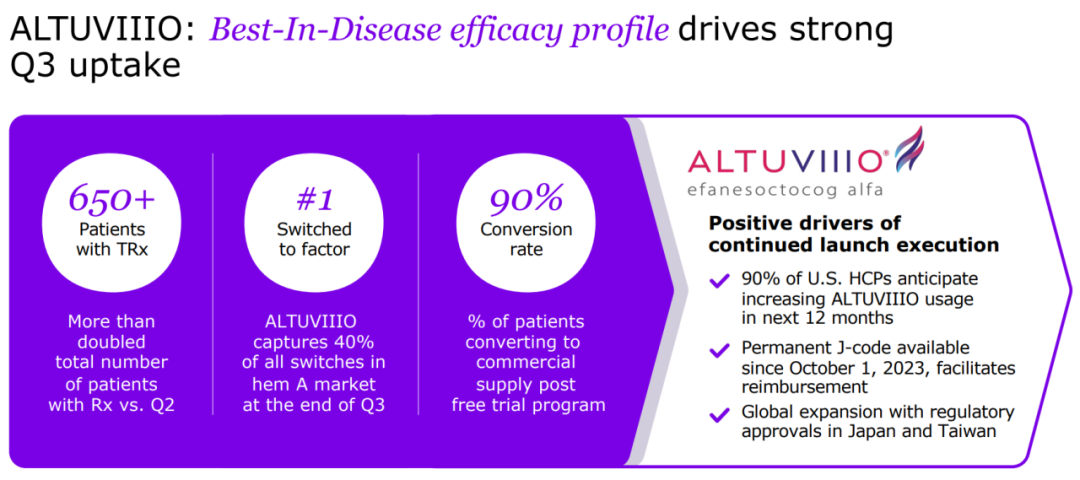
Figure 5. Long-acting Hemophilia A Treatment Drug Altuviiio
Altuviiio isThe First and Only Once-Weekly DosingThe drug for treating Hemophilia A provides normal to near-normal factor activity levels (over 40%) for the majority of the week and significantly reduces bleeding compared to previous Factor VIII prophylaxis [9].
Sanofi believes that,With the advantage of long-acting drug delivery, Altuviiio will steadily penetrate the billion-dollar market for Hemophilia A.。
4.2 Long-acting RSV Monoclonal Antibody Beyfortus
RSV is a highly contagious virus that can cause severe respiratory diseases in infants. In the United States, RSV is the leading cause of hospitalization for children under 1 year old, with an average annual incidence rate 16 times higher than that of influenza. It is estimated that there are 590,000 cases of RSV disease in infants under 1 year old each year that require medical care, including visits to doctors' offices, urgent care, emergency rooms, and hospitalizations.
Beyfortus, jointly developed by Sanofi and AstraZeneca, was approved in the EU and the UK in October and November 2022, respectively, and in Canada and the US in April and July this year. Regulatory applications are currently under review in China, Japan, and several other countries.
Beyfortus isThe First Monoclonal Antibody Approved to Protect All Infants During Their First RSV Season, across all clinical endpoints, a single dose of Beyfortus provided high, consistent, and sustained efficacy against RSV disease with a favorable safety profile. The FDA approval also includes its use in children under 24 months of age who remain at risk for severe RSV disease during their second RSV season [10].
Beyfortus will become the first long-acting monoclonal antibody in the United States to be included in the CDC's vaccine management, providing RSV prevention protection for all infants. The market demand is large, and the prospects are broad.。
4.3 New Drug Tzield for Type 1 Diabetes (T1D)
With insulin glargine, Sanofi was once a towering presence in the diabetes field. However, with the development of new SGLT-2 and GLP-1 diabetes drugs, Sanofi's presence in the diabetes arena has gradually diminished.In March this year, Sanofi acquired the global rights to the Type 1 diabetes drug Tzield through an acquisition., Strengthening its presence in the diabetes sector.
Recently, Sanofi presented positive Phase 3 data for Tzield at the ISPAD conference: Tzield has the potential to slow the progression of newly diagnosed Stage 3 Type 1 diabetes in children and adolescents, with the full data simultaneously published in NEJM.
The study results showed that: patients receiving Tzield treatment (217 patients) demonstrated higher C-peptide levels at week 78 compared to the placebo group (111 patients) (0.46 vs 0.34 pmol/mL), achieving the primary clinical endpoint (Figure 6) [11].
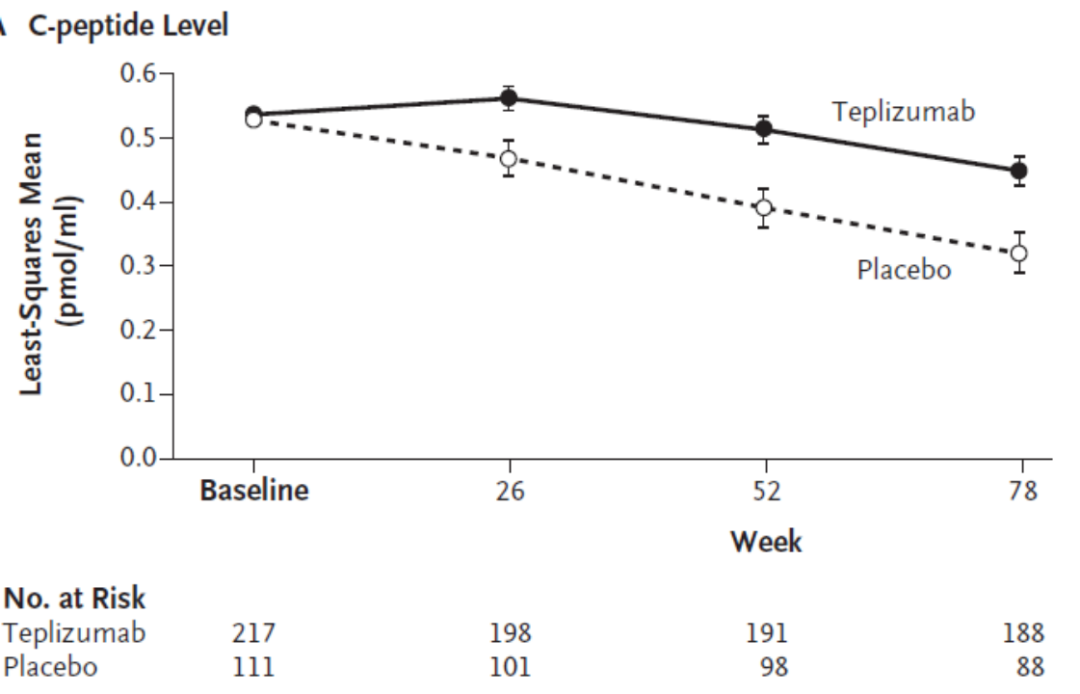
Figure 6. Primary Endpoint of Tzield Phase 3 Clinical Trial
Summary
Currently, Sanofi has advantages in the fields of immunology, vaccines, and rare diseases. Its Q3 revenue increased by 3.2% year-over-year to €11.964 billion. Dupilumab remains Sanofi's largest blockbuster product, supporting the majority of its specialty medicine segment.
Sanofi has successfully launched six new drugs in the past two years: Xenpozyme, Nexviazyme, Enjaymo, ALTUVIIIO, TZIELD, and Beyfortus. It plans to initiate a strategic cost program in the future, spin off its consumer healthcare business, and continue to increase R&D investment to develop industry-leading immunology and a robust neuroinflammation product pipeline. Currently, seven assets are in mid-to-late stage development, including itepekimab, tolebrutinib, amlitelimab, frexalimab, rilzabrutinib, SAR443765 (IL13/TSLP), and SAR441566 (oral TNFi). Each asset has a peak sales potential of at least 2 to 5 billion euros.

Recommended Replay of This Week's Live Broadcast




Biological Products WeChat Group!
Please indicate: Name + Research Direction!


All articles reproduced in this official account are intended to convey more information, with the source and author clearly indicated. Media or individuals who do not wish to be reprinted may contact us (cbplib@163.com), and we will immediately proceed with deletion. All articles represent the views of the author and do not represent the position of this website.