

From Opdivo Setback to $74 Billion Celgene Acquisition: Bristol Myers Squibb’s Strategic Transformation

Bristol-Myers Squibb
Biopharmaceutical and Nutritional Product R&D and Sales
▎Compiled by the WuXi AppTec content team (Source: STAT News)
Bristol Myers Squibb is at a crucial moment of leadership transition.CEO Dr. Giovanni Caforio is expected to step down on Wednesday, and his position will be succeeded by current Chief Operating Officer Dr. Christopher Boerner.
When Dr. Caforio took the helm at Bristol-Myers Squibb in May 2015, the company was experiencing a glorious moment, largely due to its success in bringing cancer immunotherapy to market. However, by 2016, the company faced a series of challenges as its immunotherapy drug Opdivo failed to outperform traditional chemotherapy in treating non-small cell lung cancer.To revitalize, Dr. Caforio took a bold move in 2019 by spending $74 billion to acquire the biotechnology company Celgene.。
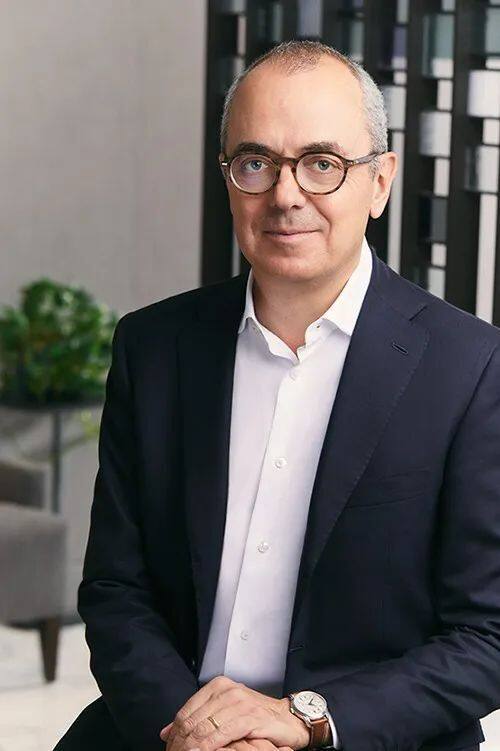
▲Dr. Giovanni Caforio (Image Source: Bristol-Myers Squibb Company Official Website)
STAT News: Congratulations, how do you feel now?
Dr. Christopher Caforio:In fact, I feel very good. Deciding to retire is a significant decision. I have been in this industry for 35 years, and I have worked at Bristol-Myers Squibb for 23 years. I believe now is the best time for the company. I think we have laid a very solid foundation. Today, as a company, we have a diversified business in four therapeutic areas. We have launched nine new drugs, and soon there will be another twelve new drugs entering the registration development stage. Looking at our R&D pipeline, I think it is the strongest in the history of the industry. Therefore, our foundation is very solid.
I think it's very important for a new leader to open a new chapter for the company. Of course, my decision to retire is partly based on personal factors. My children are in Europe, and my permanent residence is also in Europe, where I can spend more time with them. But I think, from the company’s perspective, it's the right time.
STAT News: Why are you confident that Dr. Chris Boerner, who is replacing you, is up to the job?
Dr. Christopher Caforio:Dr. Chris Boerner has been with Bristol-Myers Squibb for eight years. In fact, I was the one who brought him into the company. Certainly, during this crucial period of reshaping our portfolio, he has led the company’s global commercial organization. He is able to discuss the science as well as its commercial implications. He has a very clear understanding of the external environment.
Dr. Boerner led a significant reform of American commercial organizations, supporting our strong performance in the U.S. at that time. During those years, we were making multiple attempts for the immuno-oncology franchise. Recently, I have seen him working internationally and fully understanding the complexity of the international environment.
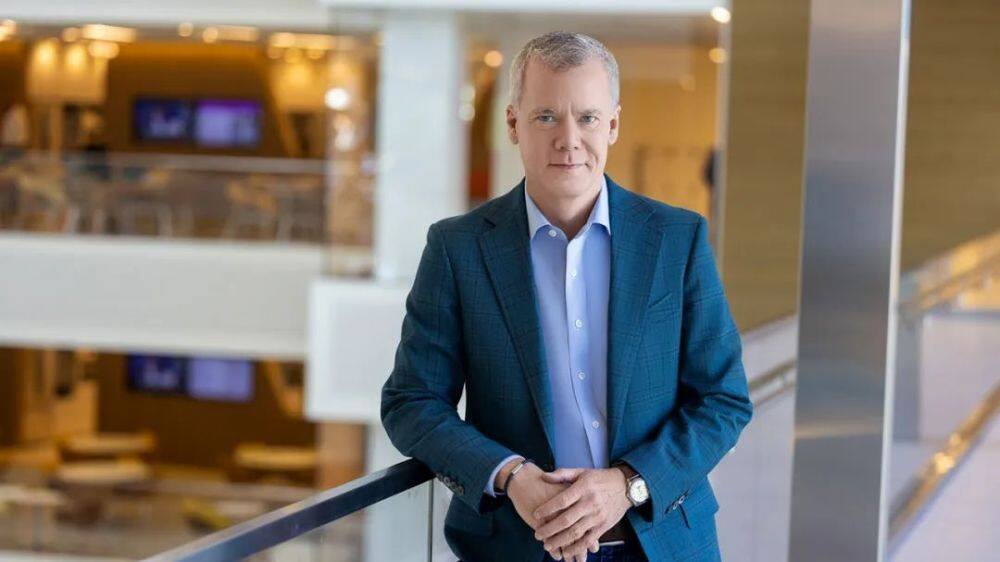
▲Dr. Chris Boerner (FigureSource: Bristol-Myers Squibb Company Official Website)
STAT News: What are you most proud of at Bristol-Myers Squibb?
Dr. Christopher Caforio:It all starts with science and patients, because that's our business. I'm very proud to be able to contribute to and participate in this immuno-oncology revolution. Bristol-Myers Squibb has fundamentally changed the treatment of certain cancers through Yervoy and Opdivo. I've followed some patients for up to 10 years who have fully recovered after receiving immuno-oncology drugs and have become my friends.
I'm really proud of the development of cell therapy.Because I believe that CAR-T therapy may be the next frontier in treatment, not only for cancer but also for autoimmune diseases. I am very proud of my decision to enter this field.
Another area that makes me proud is the work Bristol-Myers Squibb has done in the field of health equity, which has been a focus for me from day one. For example, the Bristol-Myers Squibb Foundation has played an extraordinary role in Africa, first establishing the largest pediatric AIDS treatment network, and now we are using it for pediatric cancer treatment through "Project HOPE." In the United States, we are committed to advancing diversity in clinical trials. I believe we are leading in this area, with 58% of clinical trial sites located in underserved areas. The company's focus on inclusiveness and diversity enables us to have better employees and allows them to reach their full potential.
STAT News: You mentioned the revolution in immuno-oncology, where Bristol-Myers Squibb is at the forefront. But you also faced shocking disappointment when Opdivo failed in a key clinical trial for non-small cell lung cancer. Would you like to reflect on that?
Dr. Christopher Caforio:I think our job is tough. Science is hard. In our industry, we fail more often than we succeed."When you look at the entire process of a drug from discovery to development, you make a lot of choices, and many times, science doesn’t lead to success but instead results in a failed experiment or a path that doesn’t work. I think that’s why one clear lesson I’ve learned isIt is important to plan for a variety of scenarios. Having a clear vision for the development of new drugs or the growth of the company is crucial, but you must also prepare for various situations because science is challenging, especially when you are investing in groundbreaking science.
We have achieved tremendous success, and I had the opportunity to indirectly participate in the Nobel Prize-winning work in Medicine. This is truly unique.

Image Source: 123RF
STAT News: Obviously, there are a lot of perks to being a CEO. You're in charge, and you get paid handsomely. But what's the toughest part of the job?
Dr. Christopher Caforio:When you are appointed as the CEO, you may feel capable of shaping the company's history as the chief executive. In reality, it is still a team effort. While the CEO is highly influential, what truly matters is the strength of the team around you. Because only through your team can you successfully lead the company.
I think there is a risk that the CEO may consider our role more important than it actually is. And I realize that what is most important, in reality, is the company itself, not the individual.
STAT News: One thing that will surely make people remember you is Bristol-Myers Squibb's $74 billion acquisition of Celgene. Do you think this acquisition was the right decision?

Image Source: 123RF
Dr. Christopher Caforio:I think it's the right decision. Let me tell you why.I think the decision to acquire Celgene was based on the desire to create a larger company with the critical mass to invest in breakthrough innovation.Our vision is to have a more diversified business. I believe the acquisition of Celgene has established Bristol-Myers Squibb's leadership position in hematology and further strengthened our overall leadership in the field of oncology.
Looking back over the last three years, we've launched nine new products, several of which came from Celgene. We have established a leadership position in cell therapy, much of which is due to Celgene. And we are accelerating the transformation of our research efforts across all of our therapeutic areas, and I think the acquisition of Celgene has been very important in that regard.
I know Chris, I know our leadership team and our business, and I am very confident that we will succeed.