

GSK Acquires Global Rights to Hepatitis B siRNA Drug JNJ-3989 from Johnson & Johnson

GSK
Pharmaceutical R&D Manufacturer

Arrowhead Pharmaceuticals
Pharmaceutical R&D Developer

Johnson & Johnson
Healthcare Product Manufacturers, Health Service Providers

Janssen Pharmaceuticals
Pharmaceutical R&D Developer
Welcome to follow Asymchem Pharma News

On October 31, 2023, GSK and Arrowhead Pharmaceuticals ("Arrowhead") jointly announced,Entered into a global exclusive agreement with Janssen Pharmaceuticals, a subsidiary of Johnson & Johnson, for the development and transfer of JNJ-3989.。JNJ-3989 (formerly known as ARO-HBV) was initially licensed by Janssen from Arrowhead in 2018.。
According to the terms of the agreement:
GSK to Assume Rights and Obligations of Existing License Agreement Between Janssen and Arrowhead, Responsible for Paying Approximately $1 Billion in Upfront and Potential Milestone Payments to Janssen and Arrowhead
Janssen will continue to self-fund the ongoing clinical trials for JNJ-3989, and GSK will assume full responsibility for all future development and commercialization activities.
In addition, Arrowhead will receive tiered royalties on net sales according to the original agreement.
About JNJ-3989
JNJ-3989 belongs to RNA interference therapy, comprising a specific N-galactosamine-conjugated siRNA trigger and two siRNA molecules, capable of degrading products from free cccDNA and those integrated into the host genome.Hepatitis B Virus (HBV)DNA generates various HBV RNAs, inhibiting the production of all HBV proteins. In July 2021, the drug was included by the CDE as a potential breakthrough therapy.GSK Plans to Conduct Phase II Sequential Treatment Trials with JNJ-3989 and Bepirovirsen Starting from 2024, further strengthening GSK's late-stage specialty drug pipeline.
Recently, in the abstract shared by the company at the AASLD 2023 conference, the latest data on the sequential combination therapy of JNJ-3989 + NA ± JNJ-6379 with pegylated interferon alpha (PegIFNα) for treatment-naïve HBeAg-positive patients (mostly in the immune-tolerant phase) was announced. This Phase 2 REEF-IT study enrolled treatment-naïve, HBeAg-positive chronic hepatitis B patients with ALT < 2 × ULN. All patients received JNJ-3989 200 mg Q4W + NA ± JNJ-6379 250 mg QD for 36–52 weeks (induction phase), followed by the addition of PegIFNα 180 mcg QW for 12 weeks (consolidation phase).
The primary efficacy endpoint was the proportion of patients with HBsAg clearance at 24 weeks after the end of treatment. Whether to discontinue NA at the end of treatment (EOT) was determined according to relevant criteria; changes in HBsAg, HBV DNA, and HBeAg were also observed at EOT and 24 weeks after discontinuation of treatment (FU24).
Results:
At the end of treatment, the mean change in HBsAg from baseline was -3.61 (0.18) log10 IU/mL, the mean change in HBV DNA from baseline was -6.24 (0.20) log10 IU/mL, and 7/48 (15%) patients achieved HBeAg clearance.
At 24 weeks of follow-up after discontinuation of treatment, the mean change in HBsAg from baseline was -2.92 (0.37) log10 IU/mL, and 21/28 (75%) of patients on NA maintenance therapy achieved HBV DNA negative conversion.
10/54 (19%) of patients achieved HBsAg clearance at least once, with 7 maintaining it at the final testing time point.HBsAgClear. During the treatment with PegIFNα, there is a transient increase in ALT and HBV DNA. In many patients, the decrease in HBsAg becomes more significant during or after the addition of PegIFNα.
Treatment was safe and well-tolerated, with no treatment interruptions or deaths due to SAEs or AEs. Grade 3 AEs occurred in 3/49 (6%) of patients, and no Grade 4 AEs were reported.
Regarding Hepatitis B and the Market
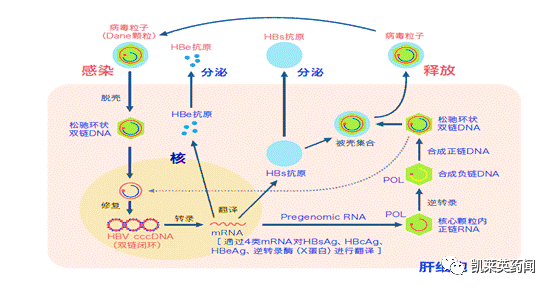
Hepatitis B virus (HBV) generally infects normal liver cells by binding to cellular receptors on the liver cell membrane. After viral DNA enters the host cell nucleus, it forms cccDNA under the action of DNA polymerase. Then, using the infected liver cells as a "production base," it continuously produces new hepatitis B viruses and cccDNA, infecting more normal liver cells. Throughout the replication process, the infected liver cells constantly express a series of specific proteins that are recognized as antigens by the human immune system, including hepatitis B e-antigen (HBeAg) and hepatitis B surface antigen (HBsAg). HBsAg itself is not infectious but plays an important role in the process of HBV infecting liver cells.
Currently, the main antiviral drugs for chronic hepatitis B include nucleos(t)ide analogs and interferon-based drugs (mainly pegylated interferon). The nucleos(t)ide analogs primarily consist of Entecavir (ETV), Lamivudine (LAM), Telbivudine (LdT), Adefovir Dipivoxil (ADV), Tenofovir Disoproxil Fumarate (TDF), and Tenofovir Alafenamide Fumarate (TAF), which are the mainstream medications for hepatitis B treatment in China. For the vast majority of patients, nucleos(t)ide analogs require lifelong administration, and patient compliance tends to be poor.
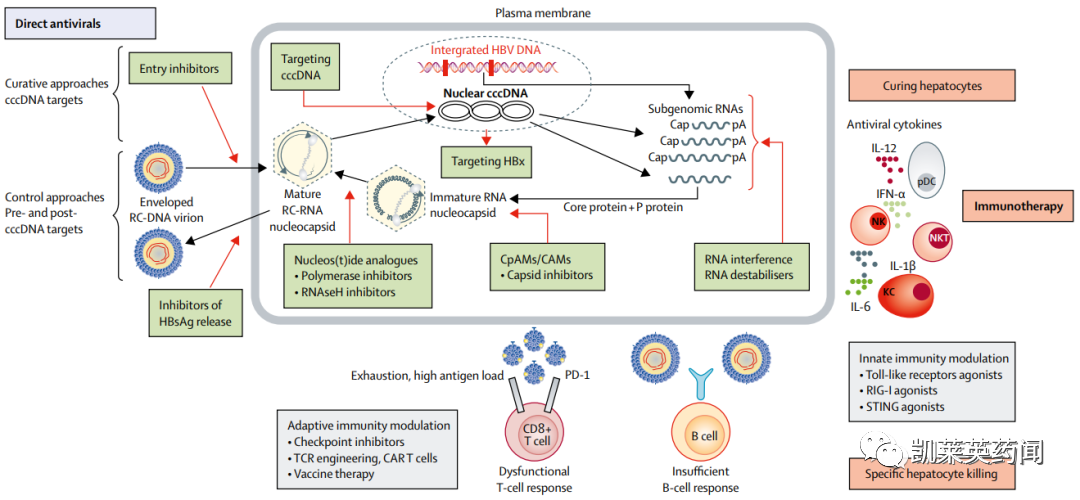
Source of image: Lancet Gastroenterol Hepatol 2019, Xiangcai Securities Research Institute
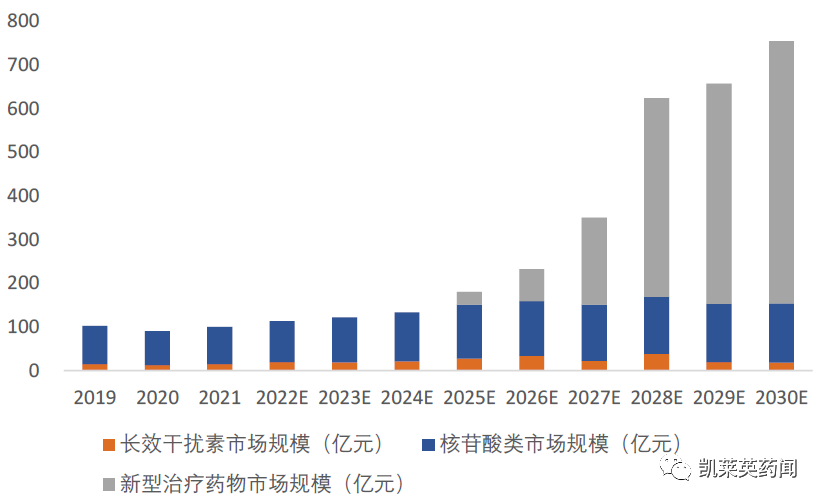
China is a country with a high prevalence of hepatitis B. According to Frost & Sullivan, it is estimated that there were approximately 18 million hepatitis B patients in China in 2022. The proportion of primary liver cancer and cirrhosis cases caused by HBV infection is as high as 80% and 60%, respectively, indicating a significant unmet clinical need for the functional cure of hepatitis B. In recent years, due to the impact of volume-based procurement policies, the market size of hepatitis B drugs in China has shrunk. From 2016 to 2020, the compound annual growth rate of the market size declined by 7.4%, with the market size being approximately 10 billion yuan in 2020. The core growth driver of the hepatitis B market comes from the launch of new therapy product pipelines. It is projected that by 2030, the drug penetration rate will reach 6.4%, and the market size will exceed 60 billion yuan; by 2025,Functional Cure ProductsExpected to hit the market, further stimulating market demand.
Estimation of Market Size for Different Treatment Drugs for Chronic Hepatitis B in China
Regarding Functional Cure and Key Strategies
Functional Cure (Clinical Cure) refers to the sustained undetectability of serum hepatitis B surface antigen (HBsAg) and hepatitis B virus (HBV) DNA after completing a limited course of treatment, with the disappearance of hepatitis B e-antigen (HBeAg), with or without HBsAg seroconversion. Residual cccDNA may persist, but liver inflammation is alleviated, and there is histopathological improvement in the liver tissue, significantly reducing the incidence of end-stage liver disease. Although functional cure of hepatitis B has been achieved, hepatitis B virus may still exist within hepatocyte nuclei, posing a continued risk of hepatocellular carcinoma, thus requiring regular follow-up observations.
The implementation strategies for a complete cure of hepatitis B mainly include the following two categories:
Curing Hepatitis B Without Killing Infected Liver Cells: Clear cccDNA or permanently silence cccDNA transcription.
Cure Hepatitis B by Safely Clearing Infected Liver Cells: Induce immune regulation, safely eliminate hepatitis B virus (HBV)Infected cells.
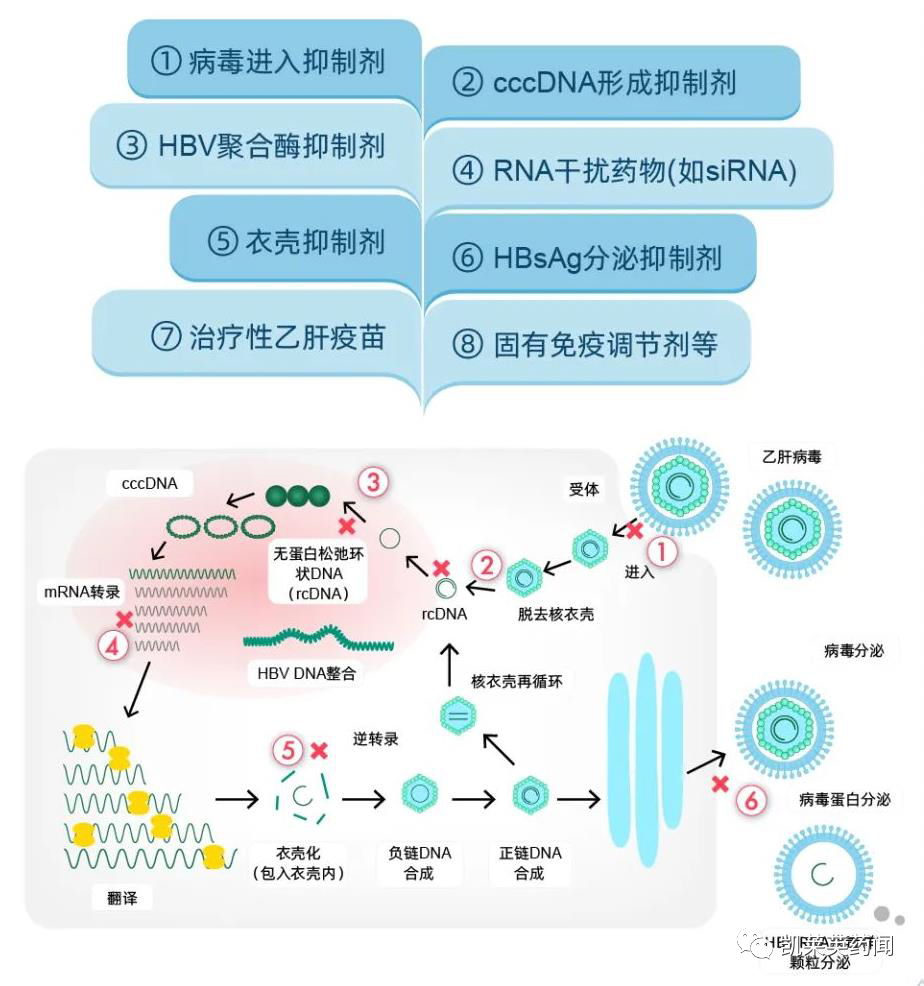
Currently, the targets and strategies for new hepatitis B drugs mainly include two categories:
New Strategies Targeting the HBV Life Cycle: Divided into two categories: direct targeting of cccDNA and indirect targeting of cccDNA. New drugs that directly target cccDNA are mainly cccDNA inhibitors (epigenetic modifiers, destabilizers, gene editing); new drugs that indirectly target cccDNA include entry inhibitors, capsid inhibitors, siRNAs, antisense RNA, and HBsAg inhibitors.
New Strategy Targeting Host Immune SystemIncluding therapeutic vaccines, monoclonal antibodies, immune checkpoint inhibitors, apoptosis inducers, innate immune activators, and HBV-specific immune reconstruction (T-cell immunomodulators, etc.).
Current Exploration of Multiple Treatment Directions for Functional Cure of Hepatitis B
GSK's Small Nucleic Acid Layout in the Infectious Disease Field
GSK is a time-honored enterprise with a history of over 300 years. Headquartered in London, UK, it was founded through the merger of Glaxo Wellcome and SmithKline Beecham. It has been listed multiple times in the top 500 global brand rankings and is one of the top ten well-known biopharmaceutical companies worldwide. GSK primarily focuses on four key areas of expertise: infectious diseases, HIV, oncology, and immune-mediated diseases (including respiratory conditions), excelling in its flagship products.
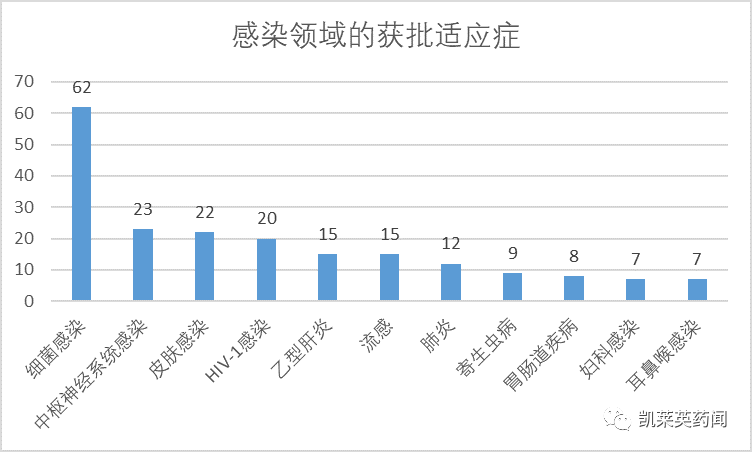
According to incomplete statistics, the company currently has a layout in the infectious disease field.More than 350 drugs, Among the more than a hundred approved products, the main indications areIncluding bacterial infections, central nervous system infections, skin infections, HIV infections, hepatitis B, influenza, pneumonia, etc.。
However, currently GSK inSmall Nucleic Acids in the Field of InfectionThe number of drugs is small, and the disclosed ones are respectively co-developed with Ionis.Bepirovirsen, IONIS-HBV-LRx, and GSK4388067A。
References
1. Company Official Website
2. Essence Securities, Xiangcai Securities Research Institute, Guojin Securities, Guosheng Securities
3. Official Account: Yulu Ganlin



"Under Observation"Click once