Source: MedRobot; Editor: Jacky
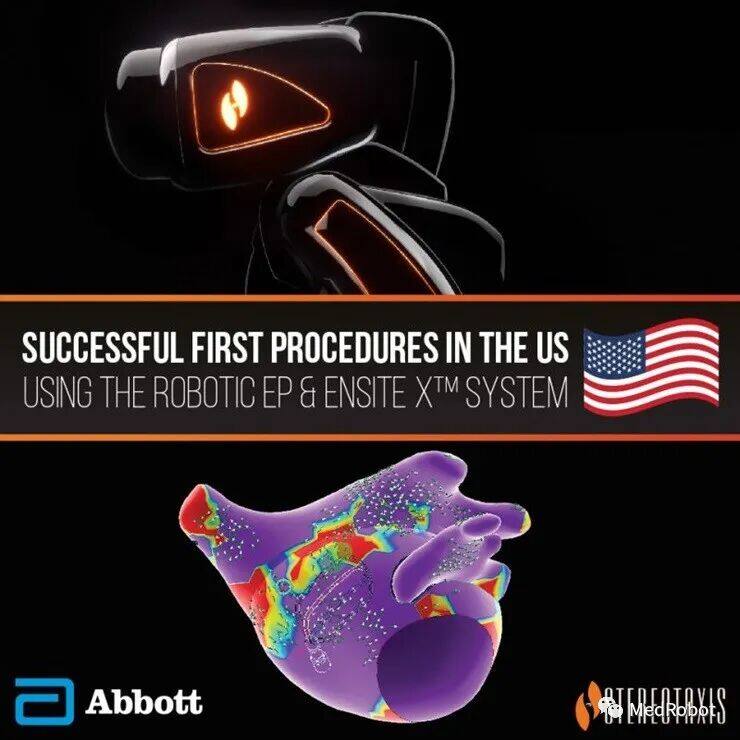
Reprint Requirements: Please indicate the source of the article at the beginning of the text, and it can be reprinted directly.On October 31, 2023, Stereotaxis (NYSE: STXS), the pioneer and global leader in robotic magnetic navigation for minimally invasive endovascular interventions, announced that the Abbott EnSite™ X EP System, integrated with Stereotaxis' robotic magnetic navigation system, has successfully treated the first group of patients in the United States.
# Magnetic Navigation Robotic System Integrated with Cardiac Mapping Technology Successfully Completes SurgeryIn May this year, Abbott's leading cardiac mapping system was integrated for the first time with Stereotaxis' advanced robotic technology, combining highly detailed real-time diagnostic information with unprecedented precision and stability during treatment. This technological integration enhances physicians' diagnostic capabilities, streamlines surgical workflows, and can improve treatment outcomes for patients with arrhythmias. The first surgeries in the United States were performed by doctors at Weill Cornell Medicine, Mount Sinai Morningside, Banner University Medical Center, and Overland Park Regional Medical Center.
Dr. Dhanunjaya Lakkireddy, electrophysiologist and executive medical director of the Kansas City Heart Rhythm Institute at Overland Park Regional Medical Center, said they are very pleased with the progress of the first surgeries and the advancements in robotics applied to electrophysiology.Combining Abbott's leading cardiac mapping system with Stereotaxis' advanced robotic technology can enhance precision and streamline surgical workflows, ultimately benefiting patients undergoing treatment.
Dr. Jim Cheung, Deputy Chief of Cardiac Electrophysiology at Weill Cornell Medical Center, added that Abbott and Stereotaxis have played a leading role in advancing care for patients with the most complex and difficult-to-treat arrhythmias. He expressed excitement about being able to use both technologies simultaneously in an integrated manner, allowing patients to experience the combined benefits of diagnosis and treatment.
Dr. J. Peter Weiss, Director of Ventricular Arrhythmia Management and Robotics at Banner University Medicine Heart Institute, stated that the success of the first surgeries demonstrates the immense potential and importance of enhanced collaboration in the field of electrophysiology. The combined advantages of advanced mapping systems and robotics will advance cardiac care, enabling personalized treatments to be designed and delivered for each patient. This is a game-changing technology.# About Abbott's EnSite ™ X EP System
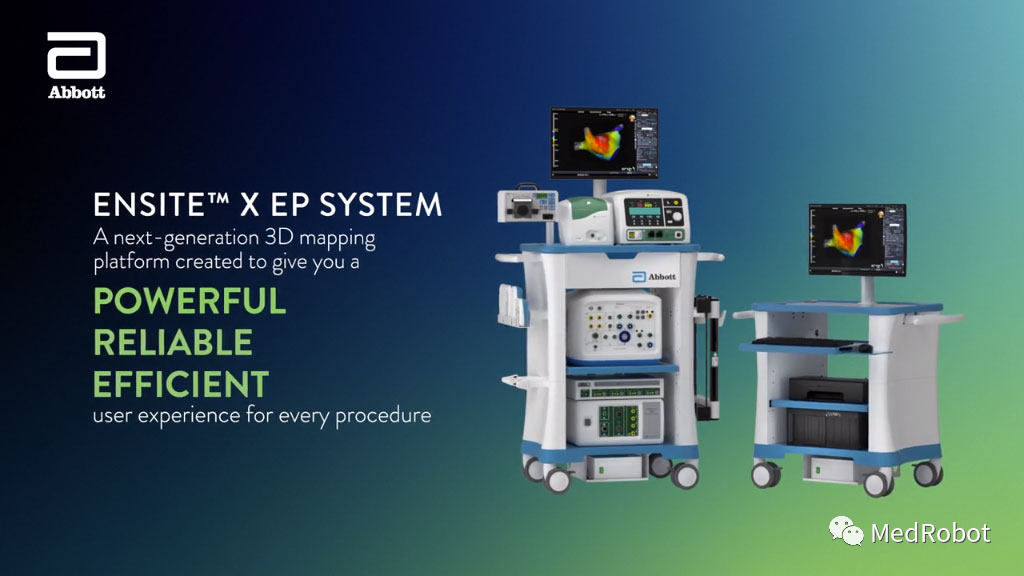
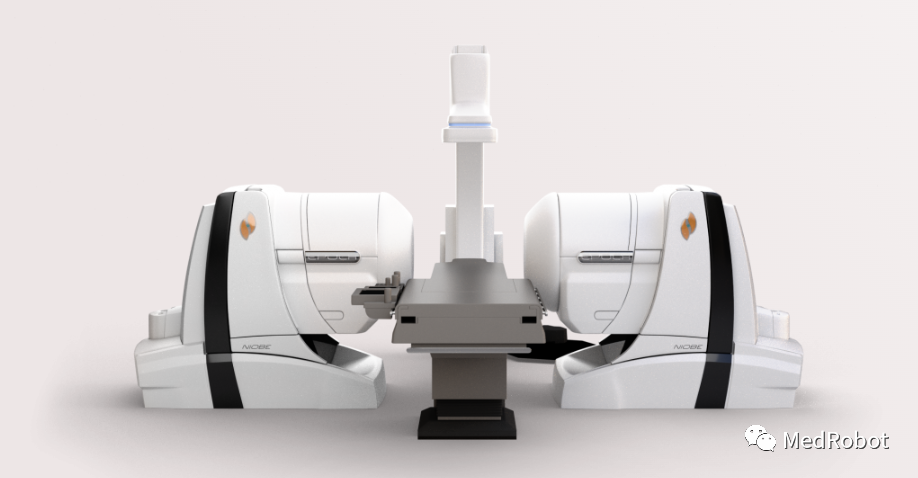
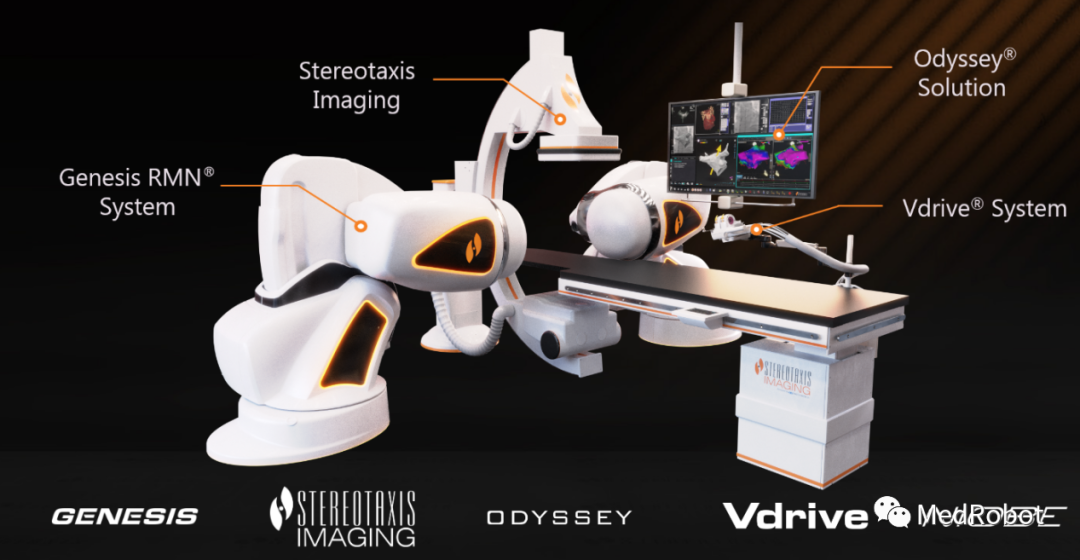
Abbott is a global healthcare company founded in 1888. With its diagnostic and blood glucose monitoring technologies, cardiovascular treatment techniques, high-quality established pharmaceuticals, neuromodulation technologies for chronic pain relief, and science-based nutritional products tailored to different stages of life, Abbott brings cutting-edge technology to promote health and well-being across various fields. Under Abbott’s diagnostics division, there are four key areas: traditional diagnostics, molecular diagnostics, point-of-care (POC) diagnostics, and rapid diagnostics.The EnSite cardiac mapping system has the diagnostic capability to map cardiac electrical signals, providing an essential tool for the success of ablation procedures. It aims to create faster, more accurate, and highly detailed cardiac maps, which helps reduce mapping time during the ablation process.EnSite™ X EP System is primarily an electrophysiological diagnostic and therapeutic system used for the diagnosis and treatment of heart diseases. The system, through magnetic control technology and 3D image reconstruction technology, can help doctors more accurately locate areas of cardiac pathology and perform treatments.And the EnSite™ X EP system has the following characteristics:# About StereotaxisMagnetic Navigation RobotIn 2003, Stereotaxis launchedWorld's First Magnetic Navigation Electrophysiology Robot Niobe,Upgraded Genesis RMN SystemIt received FDA approval for marketing in the United States in 2020. The core components of the electrophysiology robotic system developed by Stereotaxis have also received registration approvals in China, Japan, the European Union, Canada, and other countries and regions.The Niobe robotic magnetic navigation system consists of two robot-controlled magnets positioned near the operating table. During the procedure, physicians use an intuitive computer interface to adjust the magnetic field around the patient. This allows physicians to precisely guide and manipulate catheters with magnets embedded at their tips. The system is capable of reducing radiation exposure to both physicians and patients during RCFA procedures while enhancing the safety and accuracy of flexible magnetic catheter insertion.▲ Stereotaxis Niobe® Robotic Magnetic Navigation SystemUpgraded VersionGenesis RMN System of Magnetic Navigation Surgical RobotApproved by the FDA on March 12, 2020.
Genesis RMN utilizes smaller magnets that rotate around their center of mass, allowing for precise responses to physician control. In navigation procedures, the Genesis RMN System is 70% to 80% faster than the Stereotaxis Niobe.Genesis RMN System is Significantly Smaller, Aiming to Improve Patient Experience on the Operating Table, Provide More Access for Doctors and Nurses During Surgery, and Increase Laboratory Space to Enhance the Working Environment.The advantages of robotic magnetic navigation include:- Unprecedented catheter precision and range
- Stable focal contact in a beating heart
- Enhancing Physician Safety and Skills
- Improve Patient Safety and Outcomes
Stereotaxis, founded in 1990, is a global leader in robotic technologies for electrophysiology innovation, dedicated to providing robotic systems and integrated solutions for interventional catheter labs applicable to electrophysiology and other interventional procedures. These help physicians deliver higher precision and safer surgical treatments for patients, improve the efficiency of catheter lab procedures, and enhance the integration of procedural information. In 2003, Stereotaxis launched the world's first magnetic navigation electrophysiology robot, Niobe, and the upgraded Genesis RMN system received FDA approval in the United States in 2020. The core components of Stereotaxis' electrophysiology robotic system have also gained regulatory approval in China, Japan, the EU, Canada, and other countries and regions.
Well-known Surgical Robotics Companies in China: