

Novo Nordisk Partners with LNP Pioneer Genevant to Develop In Vivo Gene Editing Therapy for Hemophilia A

Genevant Sciences
Nucleic Acid Drug Developer
2seventy bio
Developer of New Drugs for Cancer Treatment
Novo Nordisk
Insulin Developer and Manufacturer
Welcome to follow Asymchem Pharma News

On November 6, 2023, Genevant Sciences ("Genevant") announced that it had entered into a collaboration and non-exclusive license agreement with Novo Nordisk.Combine proprietary lipid nanoparticles (LNP) with innovative mRNA-based megaTAL technology to develop in vivo gene editing therapies for the treatment of Hemophilia A.
The mRNA technology in this agreement originates from the licensing agreement signed between Novo Nordisk and 2seventy bio in January 2022. According to the previous agreement: Novo Nordisk has the right to use 2seventy Bio's proprietary mRNA-based megaTAL technology; 2seventy Bio is eligible to receive a near-term payment of $400,000, as well as future milestone payments and sales royalties.
About Genevant
In 2018, Arbutus and Riovant jointly established Genevant and transferred the rights to the LNP delivery technology to Genevant. Genevant owns patents for the LNP delivery system, including patents for nanoparticle preparation and cationic lipid (MC3), with the MC3 patent expected to expire in 2030.
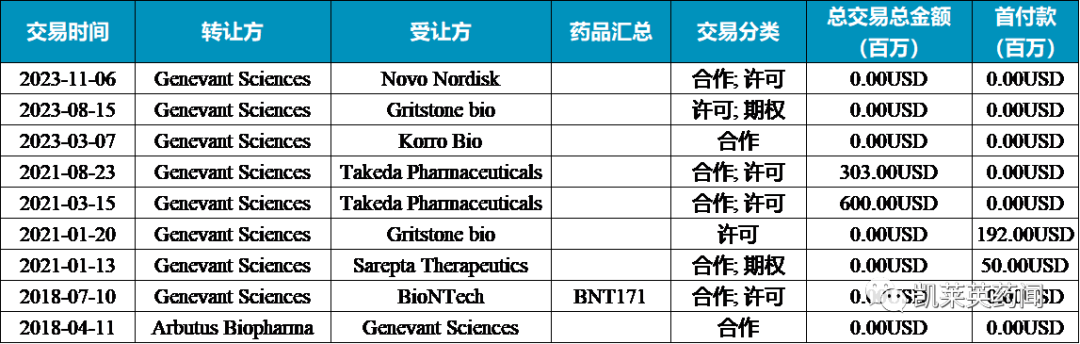
Patent Licensing Status of LNP Delivery Technology
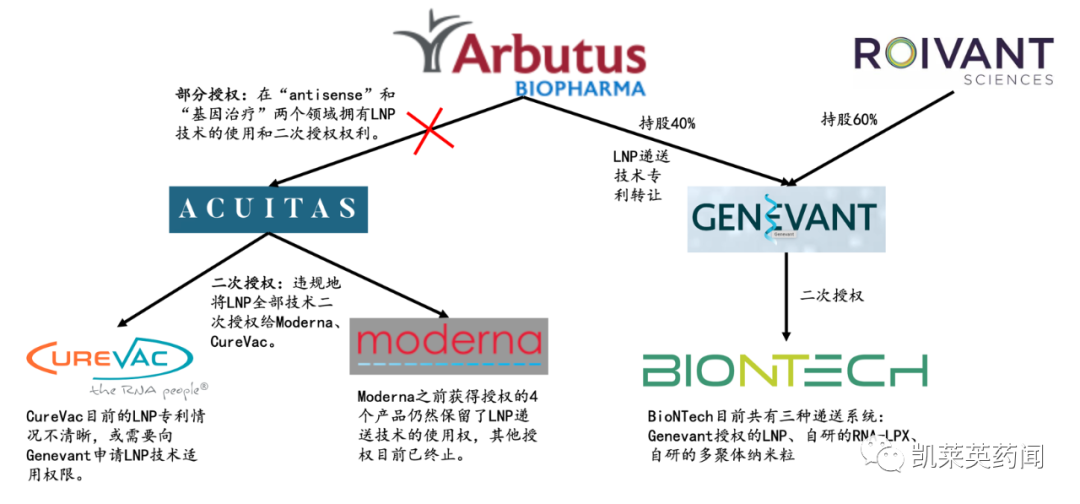
Genevant's LNP platform is one of the few clinically validated LNP delivery technologies, with its safety and efficacy evaluated in multiple clinical programs involving 600+ patients. Genevant's delivery technology can facilitate therapeutic approaches encompassing a wide range of payloads. Currently, the company has initiated projects across various RNA modalities.
According to incomplete statistics,Currently, Genevant has reached licensing cooperation agreements with Takeda, BioNTech, and others.。
About LNP Delivery
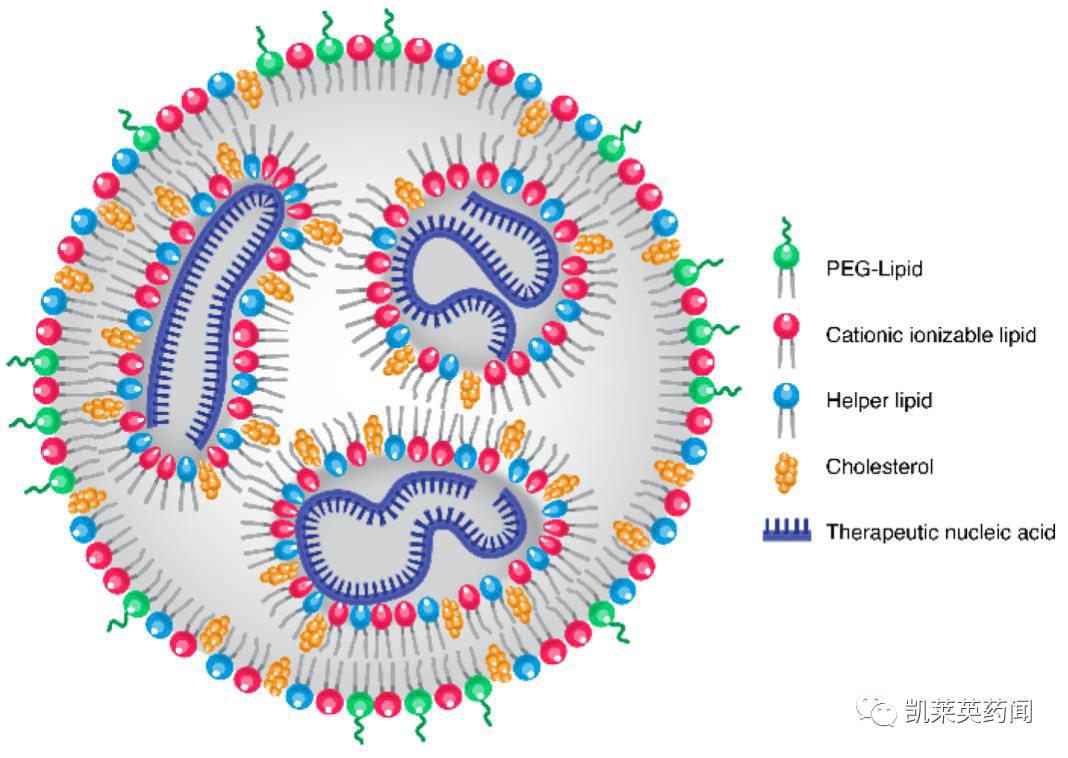
The main active components of in vivo gene editing therapy are two types of RNA, which can only function after entering the cells. Currently, one of the primary delivery systems for RNA vaccines and drugs is lipid nanoparticles (LNP). LNP consists of four main components: cationic ionizable lipids, neutral lipids, cholesterol, and PEG.
LNP Structure
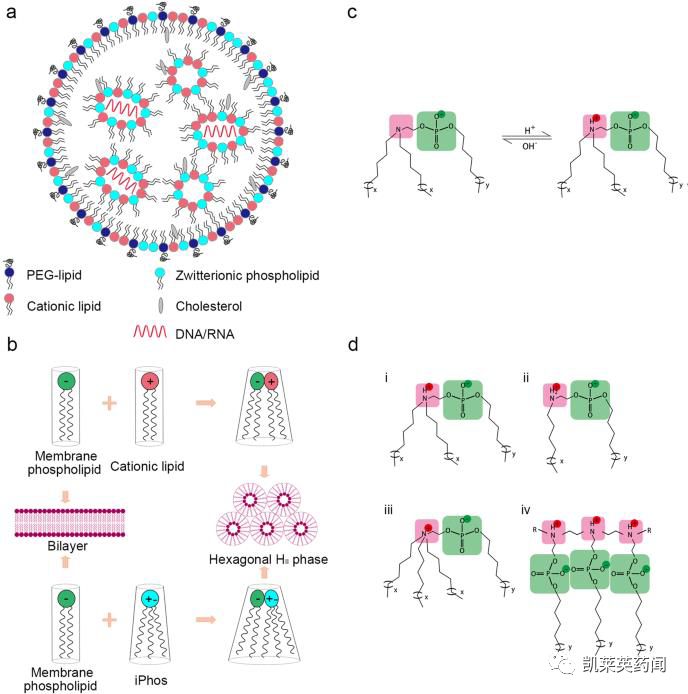
Among them, cationizable lipids are the core component, profoundly influencing the release of RNA after delivery into cells. Before entering the cell, cationizable lipids remain neutral under normal physiological conditions. The lipid nanoparticles (LNPs) encapsulating the RNA drug components reach the cell and enter in the form of endosomes. As the internal environment of the endosome gradually acidifies (endosomal acidification), the cationizable lipids become protonated, interact with neutral lipids, disrupt the original LNP and endosome structures, allowing the RNA to escape into the cytoplasm. Therefore, an excellent cationizable lipid and LNP structure can stabilize the LNP before the drug enters the cell, protecting the RNA cargo; after entering the cell, it can fully open up the package, enabling sufficient RNA release into the cytoplasm to achieve better efficacy.
LNP Structure and Release
The specific advantages of LNP are as follows:
Capable of delivering larger molecular weight drug components into cells. Therefore, it can effectively encapsulate gRNA and Cas9 mRNA.
Biodegradable. Because its main component is lipids, it can be degraded through normal human metabolic activities, imposing limited burden on the human body.
Better safety. Compared with other delivery systems, such as viral vectors, it has lower immunogenicity and is therefore less likely to cause an excessive immune response.
Scalable production is relatively simple, with low difficulty in scaling up, and there is already industrial experience in large-scale production of mRNA vaccines.
The outer structure can be designed to target specific organs or cell types.
Exploration of Novo Nordisk in Delivery Technology
Delivery technology is considered the last mile in drug development. Novo Nordisk places great importance on delivery technology. In 2019, Novo Nordisk launched the oral GLP-1 peptide drug Rybelsus (semaglutide), which utilized the absorption enhancer SNAC developed by Emisphere, and implemented layered patent protection. In the following years, Novo Nordisk collaborated with or acquired new delivery technologies annually.
1. On November 6, 2020, Novo Nordisk spent $1.8 billion to acquire Emisphere Technologies Inc. (EMIS) and its royalty obligations for the Eligen oral drug delivery platform. Emisphere Technologies is a drug delivery company with proprietary technologies such as Eligen SNAC, which enables drug therapies to be delivered in tablet form.
2. On November 18, 2021, Novo Nordisk announced the acquisition of Dicerna Pharmaceuticals for $3.3 billion. Prior to the acquisition, Dicerna had collaborated with Novo Nordisk for over two years, exploring more than 30 hepatocyte targets, including indications such as non-alcoholic steatohepatitis, type 2 diabetes, and obesity. Dicerna possesses the liver-targeting GalXC™ delivery platform and is exploring new applications of the non-liver-targeting GalXC-Plus technology to develop next-generation RNAi therapies.
3. On March 9, 2022, Novo Nordisk expanded its existing research collaboration with MIT and Brigham and Women's Hospital (BWH) in the field of oral drug delivery technology, extending the cooperation period to 2026 and broadening the scope to include the creation and integration of bioelectronics, biosensors, and stimulus-responsive delivery devices.
4. On June 19, 2023, Novo Nordisk announced the acquisition of BIOCORP, a company specializing in the design, development, and manufacture of delivery systems and innovative medical devices, including Bluetooth-enabled smart pen injectors.
5. On July 17, 2023, Novo Nordisk signed a research agreement with RNA startup Eleven Therapeutics to explore new avenues for delivering nucleic acid drugs. The two parties will utilize Eleven's platform, "DELiveri," to identify potential molecules capable of delivering nucleic acid therapeutics to treat undisclosed cardiometabolic diseases. Novo Nordisk has provided exclusive rights related to certain cell types and applications associated with this platform.
6、On October 30, 2023, Vect-Horus announced that it had signed a global licensing agreement with Novo Nordisk A/S.This agreement grants Novo Nordisk exclusive global rights to use Vect-Horus' platform technology "VECTrans," which is used for carrier delivery targeting specific sites. Novo Nordisk has the option to add other targets to the license.
……
About Hemophilia A
Hemophilia is a group of X-linked recessive bleeding disorders, clinically divided into two types: Hemophilia A (Factor VIII deficiency) and Hemophilia B (Factor IX deficiency), caused by mutations in the FVIII and FIX genes, respectively.
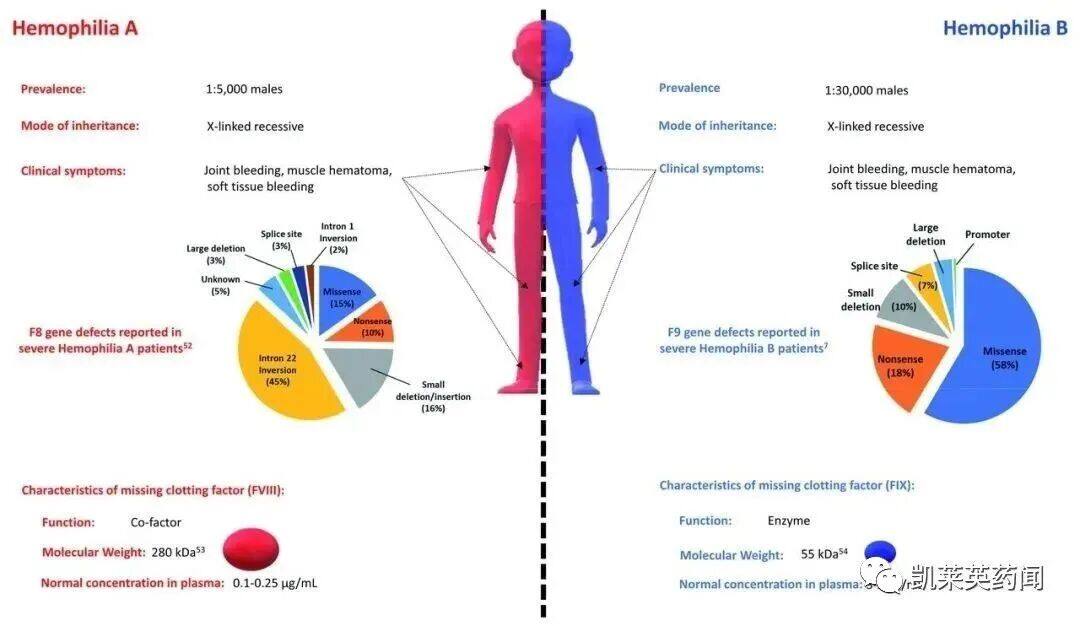
Hemophilia A is a hereditary disease caused by the deficiency of FVIII leading to coagulation dysfunction. It is also the most common type of hemophilia, with a higher incidence in males. Clinically, it manifests as bleeding in any part of the body. The severity of bleeding in patients mainly depends on the FVIII activity level. Severe Hemophilia A patients (residual FVIII activity <1%) account for 50% of the entire patient population.
According to the "Chinese Expert Consensus on the Diagnosis and Treatment of Hemophilia," the incidence of Hemophilia A in the male population is approximately 1/5000, while the incidence of Hemophilia B is about 1/25000. Among all male hemophilia patients, Hemophilia A accounts for 80%-85%, and Hemophilia B accounts for 15%-20%; female hemophilia patients are extremely rare. By the end of 2021, China's male population was 723 million. Based on this estimate, the number of people with Hemophilia A in China is approximately 144,600, and the number of people with Hemophilia B is about 28,900. The China Hemophilia Treatment Collaboration Group analyzed data from 166 hospitals in China from 2007 to 2019 and found that the proportion of severe Hemophilia A patients in China was as high as 49.7%. Currently, there are still deficiencies in the diagnosis and treatment of hemophilia in China.

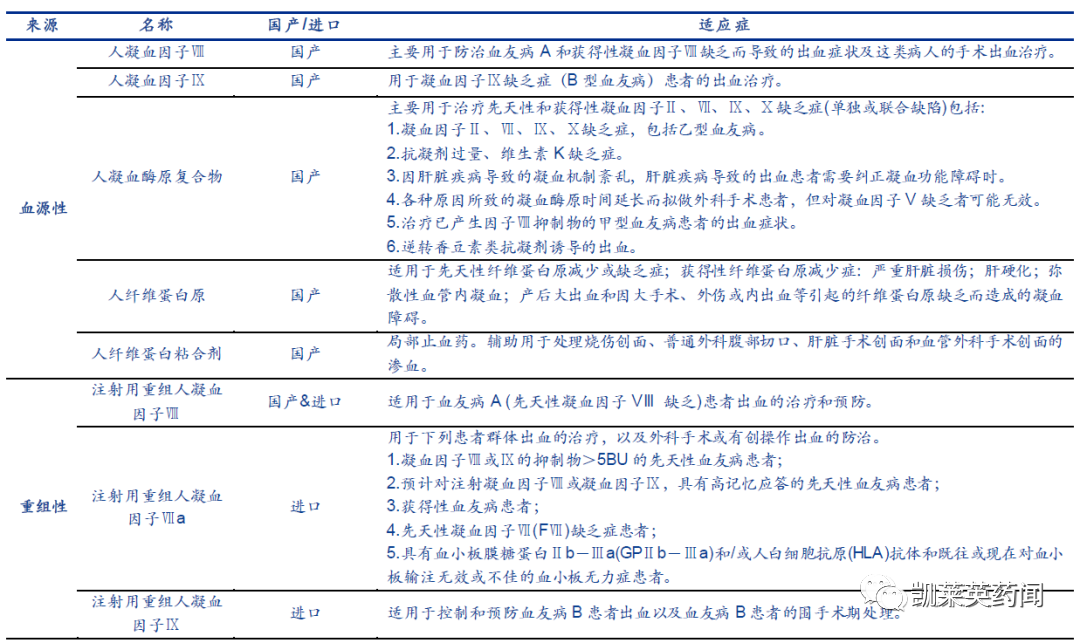
As of October 2022, China has approved five plasma-derived and three recombinant coagulation factor products. According to the NMPA, domestically produced coagulation factor products include: Human Coagulation Factor VIII, Human Coagulation Factor IX, Human Prothrombin Complex Concentrate (PCC), Human Fibrinogen, Human Fibrin Sealant, and Recombinant Human Coagulation Factor VIII for injection; imported products include: Recombinant Human Coagulation Factor VIII for injection, Recombinant Human Coagulation Factor VIIa for injection, and Recombinant Human Coagulation Factor IX for injection. Human Coagulation Factor VIII is used for replacement therapy in patients with Hemophilia A, while patients with Hemophilia B are typically treated with Human Prothrombin Complex Concentrate (PCC) containing coagulation factors II, VII, IX, and X.
Coagulation Factor Products Approved in China and Their Indications
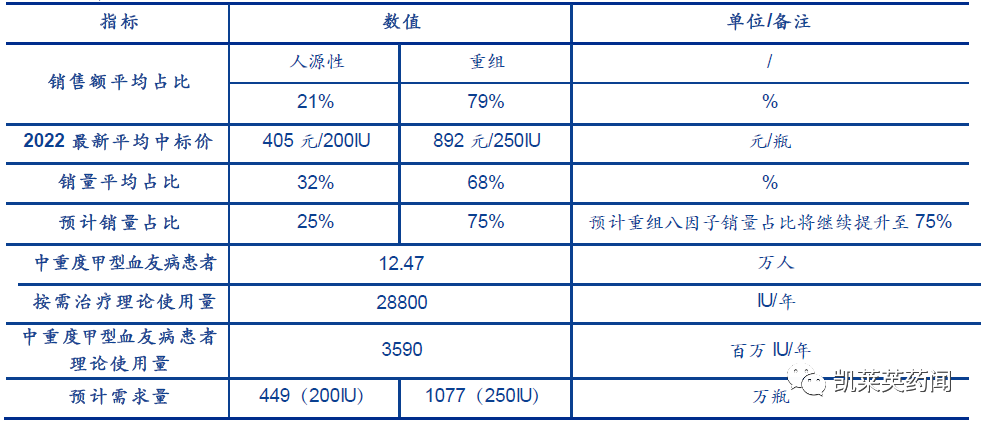
However, the on-demand and prophylactic treatment satisfaction rates for hemophilia patients remain relatively low. Taking Hemophilia A as an example, based on China’s estimated 144,600 Hemophilia A patients, with 86.2% being moderate to severe cases, it is projected that there are approximately 124,700 moderate to severe Hemophilia A patients in China. According to the "Chinese Expert Consensus on Diagnosis and Treatment of Hemophilia (2017 Edition)," the theoretical annual usage of Factor VIII (human-derived + recombinant) for on-demand treatment of moderate to severe Hemophilia A patients is 28,800 IU. Assuming factors such as production capacity bottlenecks of human coagulation Factor VIII, intensified competition leading to reduced prices of recombinant human coagulation Factor VIII, and the continued rise of recombinant Factor VIII sales to 75%, the theoretical annual demand for human-derived Factor VIII would be approximately 4.49 million vials (200 IU). Based on data from the National Institutes for Food and Drug Control (NIFDC) and local testing institutes, the batch release volume of human-derived Factor VIII in China in 2021 was about 2.43 million vials (200 IU), indicating a treatment satisfaction rate of only 54%, reflecting unmet market demand.
Calculation of Coagulation Factor VIII Demand for Moderate to Severe Hemophilia A Patients (On-demand Treatment Criteria)
About Novo Nordisk's Layout in Rare Diseases
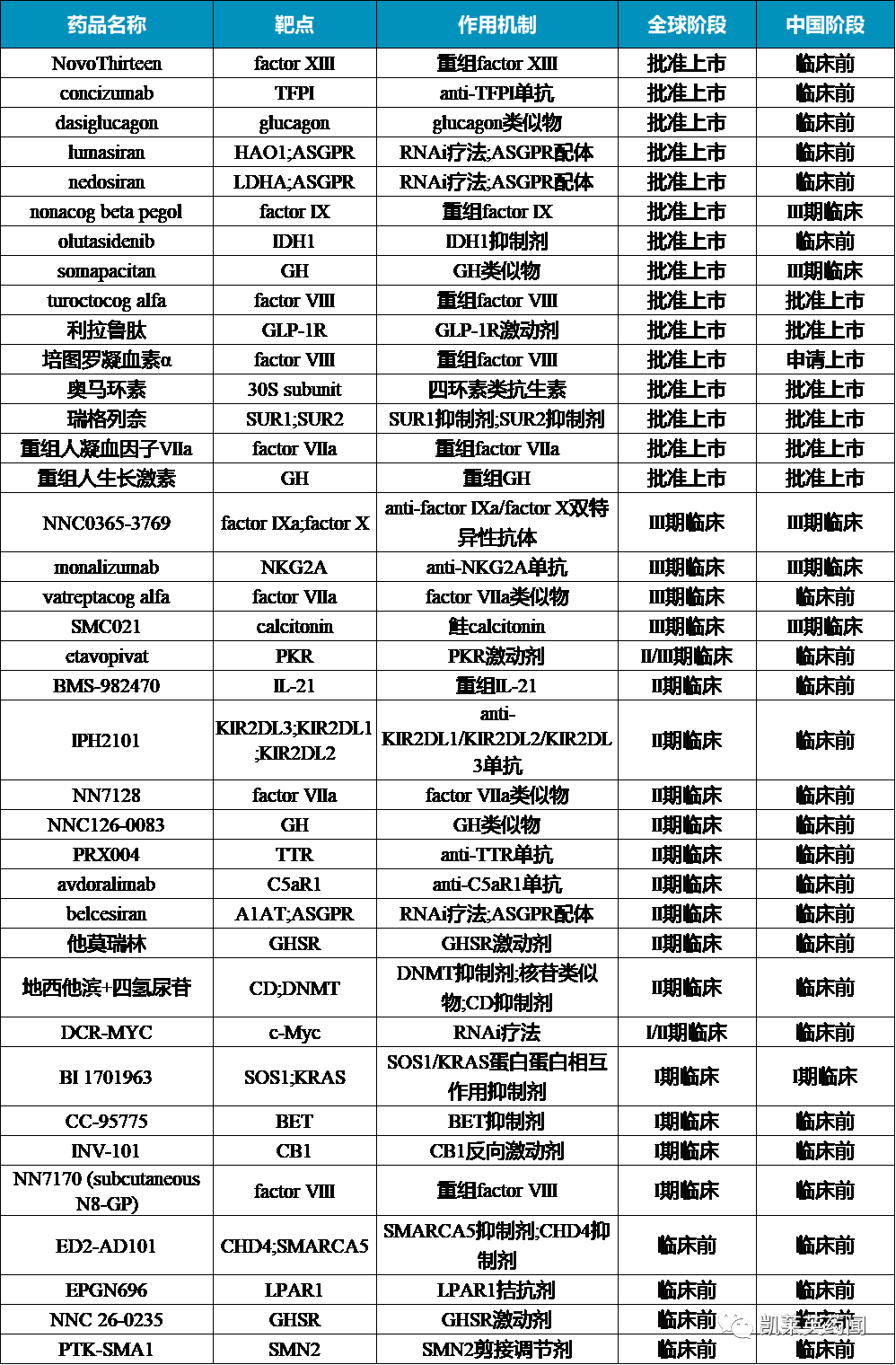
According to incomplete statistics,Currently, Novo Nordisk has 38 innovative drugs in the rare disease pipeline, of which 15 have been approved.In May this year, Novo Nordisk announced that the Committee for Medicinal Products for Human Use (CHMP) of the European Medicines Agency (EMA) recommended the marketing authorization for the long-acting growth hormone Sogroya (Somapacitan) to treat children aged 3 years and older with Growth Hormone Deficiency (GHD).
Novo Nordisk's Drug Portfolio in the Rare Disease Field
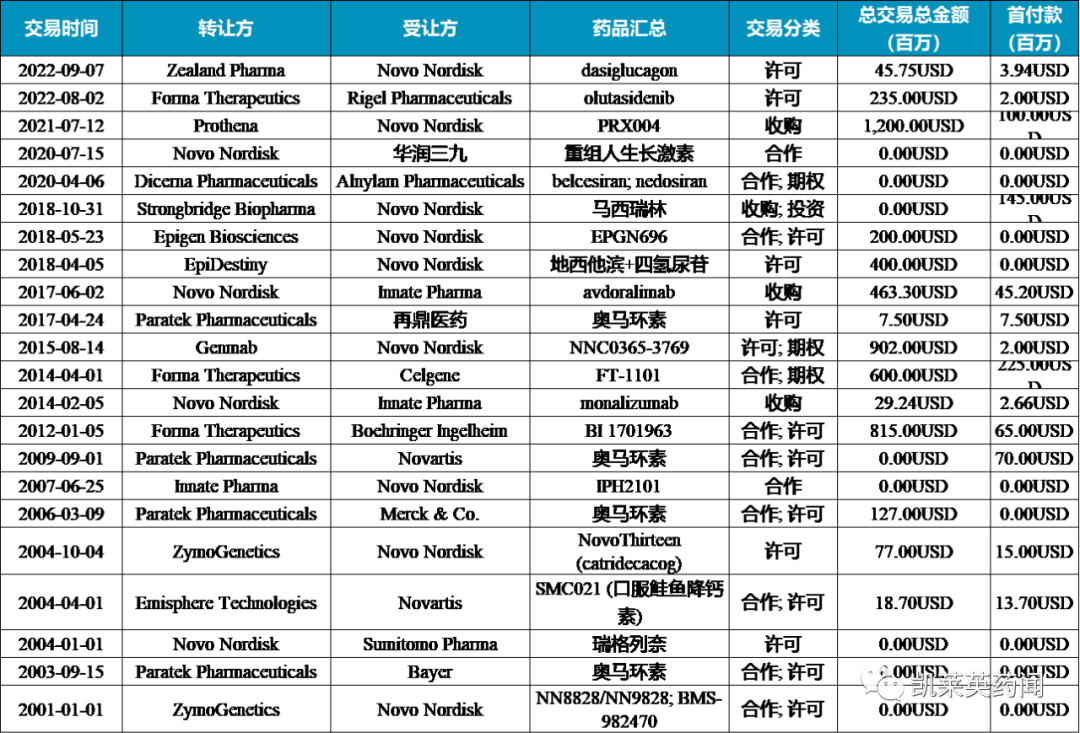
In addition, the company has respectively partnered with 2seventy bio and Life Edit Therapeutics to develop therapies with the potential to cure Hemophilia A and related gene-editing therapies targeting a range of indications.
Novo Nordisk's Deal in the Rare Disease Field
References
1. Company Official Website
2. Southwest Securities, Essence Securities


"Views"Click once