

Johnson & Johnson's Ottava Surgical Robot Advances Toward Clinical Trials, Challenging da Vinci’s Dominance

Johnson & Johnson
Healthcare Product Manufacturers, Health Service Providers

Johnson & Johnson MedTech
Medical Device Manufacturer
Recently, the fiercely competitive global robotic surgery market has seen renewed turbulence. On November 7, 2023, Johnson & Johnson announced plans to submit an Investigational Device Exemption (IDE) application for its OTTAVA endoscopic surgical robot system to the FDA in the second half of 2024, in order to initiate clinical trials.
"Since most operating rooms were not designed with robots in mind, a truly clinically applicable surgical robot needs to be adaptable and easy to use in any operating room worldwide while maintaining the space within the OR. As a surgeon,We need space to improve the workflow of the operating room, enhance safety, and achieve 360-degree unobstructed access to the patient."This is where OTTAVA comes in. OTTAVA offers a unique design that can blend into any operating room, allowing surgeons to do what they want to do and know how to do it, which is focusing on the patient," said Eduardo Parra Davila, a surgical expert at Palm Beach Digital Institute, who spoke highly of OTTAVA. "This is how we can perform surgeries with the capabilities we desire."
Hani Abouhalka, Chairman of the Robotics and Digital Solutions division at Johnson & Johnson MedTech, also stated: "With the advent of sterile sutures, Johnson & Johnson was born into surgery. Since then, we have been helping surgeons improve patient care by providing transformative technologies across all types of surgeries. We believe the future of surgery is personal. Starting from the human impact—the connection between patients, surgeons, and operating room staff—we are unlocking what science and technology can do to enhance the surgical experience and health outcomes for everyone involved. OTTAVA aims to consistently deliver this experience in any operating room around the globe."
According to the official statement from Johnson & Johnson, the OTTAVA system is designed to be suitable for any operating room in the world, capable of seamless integration with the operating room to provide new clinical experiences. Specifically, the OTTAVA system achieves two key innovations in terms of structure and functionality.
On the one hand, the "two-in-one" structure adopts a zero-space-occupying design, increasing operating room space and improving operating room workflow.
According to the Johnson & Johnson official website, OTTAVA, as a surgical robot with four robotic arms, can integrate the four robotic arms into a standard-sized operating table, achieving a "two-in-one" structural design of the robotic arm & operating table.This invisible structural design allows the robotic arm to be fixed on the operating table when needed, and stored under the operating table when not in use.This design eliminates mobility and collaboration barriers in robotic operating rooms, offering surgical teams the freedom and flexibility to adapt to clinical workflows and personalized patient needs.
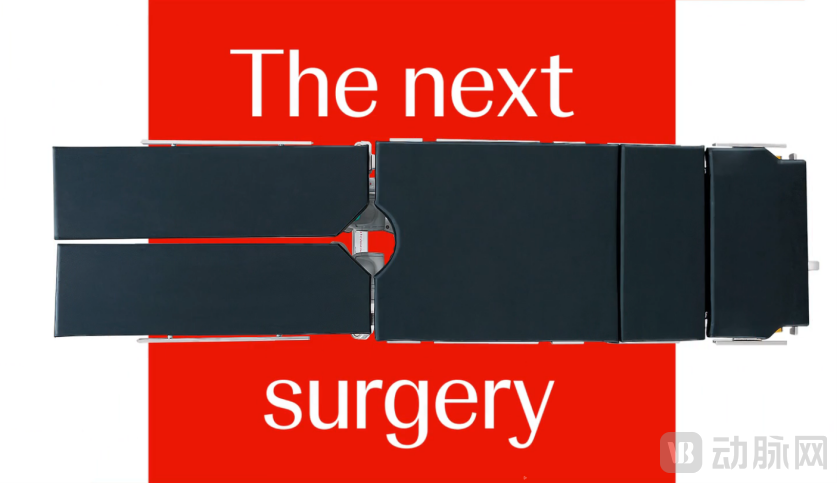
Figure 1: Johnson & Johnson OTTAVA System's "Zero Footprint"
Practitioners told VCBeat that currently, whether it is an all-in-one robotic arm or a detachable robotic arm surgical robot, the operating arms take up a relatively large space. This can easily lead to movement and collaboration obstacles for the surgical team during procedures, as well as occupying a significant amount of operating room space in hospitals post-surgery.Compared with the existing solutions in the market, the zero-footprint design proposed by Johnson & Johnson OTTAVA can optimize the surgical workflow.
On the other hand, the "dual-motion" function enables integrated machine-tool coordination, allowing for dynamic adjustment of the patient's position during surgery.
According to the Johnson & Johnson website, OTTAVA's "dual-motion" feature (the unified movement of the operating table and robotic arms) is designed to meet critical clinical needs for the surgical team during procedures, such as the ability to reposition the patient without interrupting the surgery.
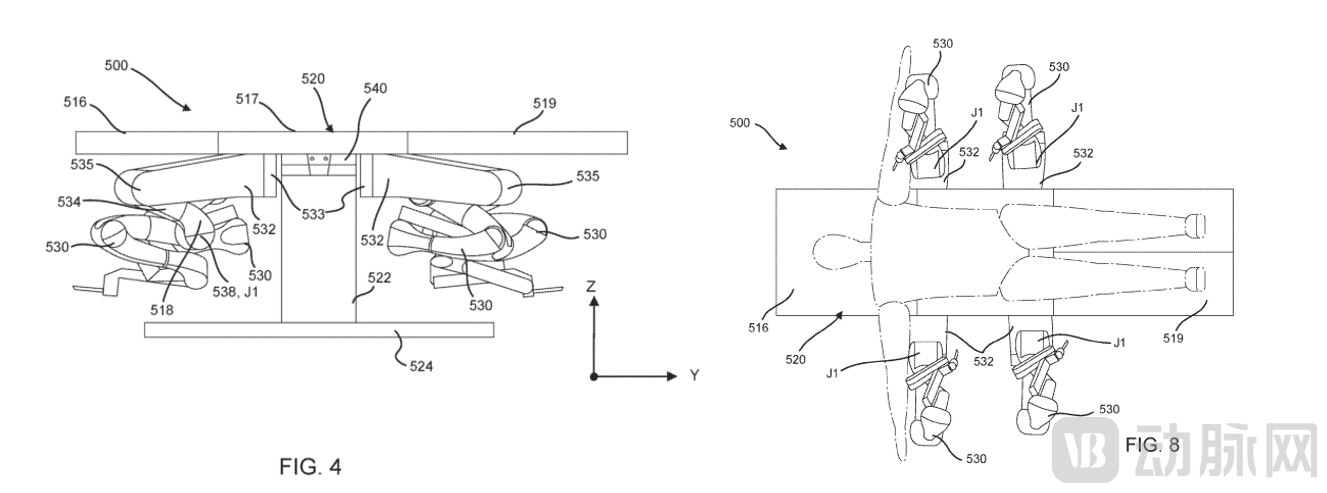
Figure 2 Johnson & Johnson OTTAVA System
VCBeat learned that previously, based on the clinical need for dynamic adjustment of patient positioning during surgery, Intuitive Surgical proposed a solution with its "dual-motion" function by jointly developing an operating table compatible with the fourth-generation da Vinci system in collaboration with Trumpy Medical.Due to the inherent design limitations of the da Vinci system, Johnson & Johnson's solution shows a higher level of integration in terms of machine-tool coordinated movement.
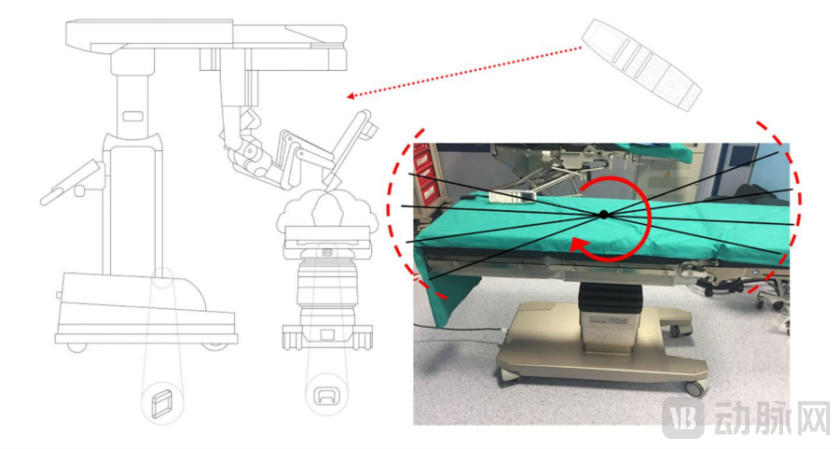
Figure 3: Da Vinci System Integrated with ITM Linked Operating Table Design
Before the advent of laparoscopy, open surgeries caused significant trauma but allowed for intuitive instrument manipulation. With the introduction of laparoscopic surgery, incisions were minimized, yet it introduced a counterintuitive method of operation — using the abdominal wall as a pivot point, the instruments moved in the opposite direction to the surgeon’s hand movements. Surgical robots, from their inception, have been designed with a core philosophy: to provide surgeons with the experience of open surgery while performing minimally invasive procedures.
During the process of robot-assisted minimally invasive surgery, the slave robotic arm will replace the doctor's hands, directly controlling the surgical instruments to perform operations such as traction, cauterization, and cutting in the affected area. The slave robotic arm should have a sufficiently large range of motion to allow the surgical instruments to move and adjust throughout the abdominal cavity. Additionally, the surgical instruments should possess high flexibility to replicate the doctor’s surgical movements. Most importantly, the movement of the slave robotic arm must not cause any harm to the patient.
Currently, globally, laparoscopic surgical robots can mainly be divided into three technical routes based on the configuration of the operating arms.

Figure 4: Main Technical Routes of Endoscopic Surgical Robot Arm Configurations
According to VCBeat, Hedo Medical Robotics, an innovative company based in Shenzhen, has also developed an integrated machine-tool operational arm configuration and applied for related patents. Let us look forward to the domestic surgical robotics companies catching up.
As the dominant player in the soft tissue surgical robot industry, the Da Vinci Surgical Robot has been installed in more than 8,200 units across 67 countries since its debut. Over 60,000 surgeons worldwide have been trained on the Da Vinci system, and it has successfully completed over 10 million surgeries, almost "monopolizing" the entire market. As a result, Intuitive Surgical's stock price surged 184 times from $2 to a peak of $369 within 23 years of being listed, with a current market value of approximately $98 billion.
Johnson & Johnson began collaborating with Verily (Google's sister company focused on life sciences) in 2015 to establish the joint venture Verb Surgical, aiming to shape the future of the field. In 2020, Johnson & Johnson acquired the remaining shares of Verb Surgical and fully took over Verily’s robotic surgery business. Later, Johnson & Johnson spent a staggering $3.4 billion to acquire Auris Health and invited Frederic Moll, founder of Intuitive Surgical, to join the OTTAVA project team.
With the upcoming clinical trials, Johnson & Johnson's substantial investment and patient refinement in the OTTAVA robotic project over the years will finally face its official test. Leveraging Johnson & Johnson’s world-class clinical resources, including top hospitals and doctors globally, along with the support of a comprehensive product line of instruments, equipment, and consumables across the entire surgical field, there is an opportunity to rapidly promote the adoption of the OTTAVA robot in the future, positioning it as the strongest competitor to the da Vinci Surgical System.
Whether Johnson & Johnson can change the global surgical robotics industry landscape with the OTTAVA system, VCBeat will continue to follow related developments.