Hoag Successfully Completes World’s First Commercial Implant of Abbott’s AVEIR™ DR Dual-Chamber Leadless Pacemaker System

Abbott
Diagnostic and pharmaceutical product manufacturers
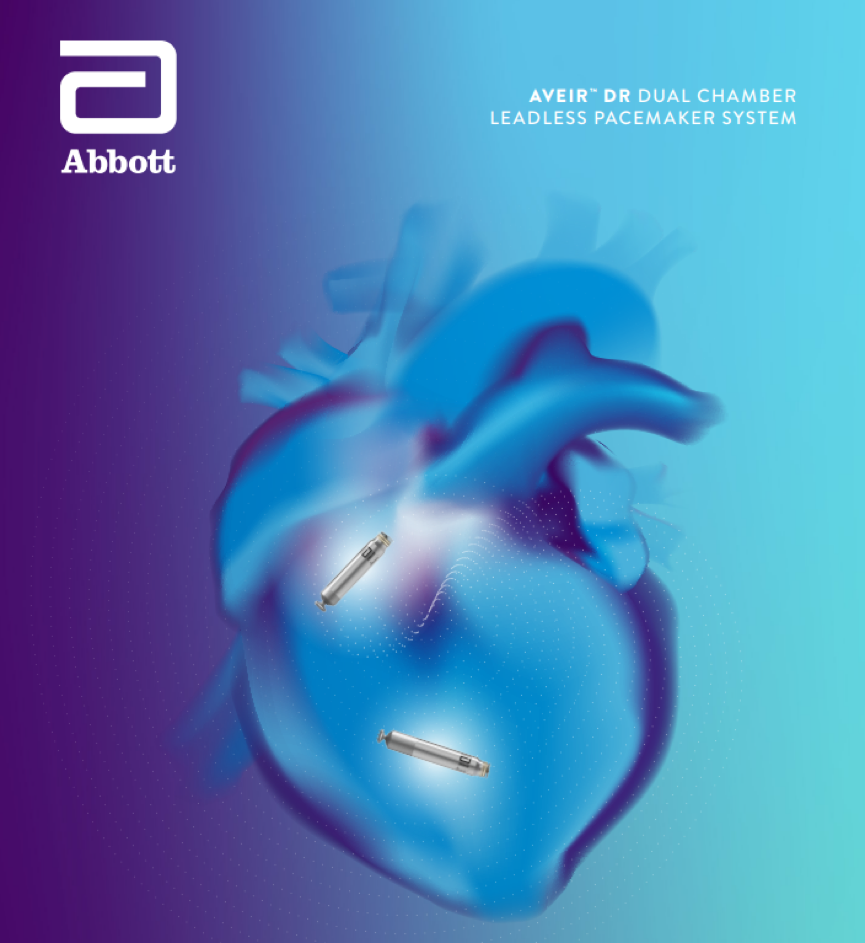
Hoag is one of the few initial sites in the United States to offer the dual-chamber leadless pacemaker.
Revolutionary technology will provide more care options for people with various slow or abnormal heart rhythms.
Recently, Hoag Memorial Hospital Presbyterian announced the successful implantation of the world's first dual-chamber leadless pacemaker in a patient. The minimally invasive surgery was successful, marking a new era in cardiac care. The FDA recently approved AVEIR™ DR, the world's first dual-chamber leadless pacemaker system launched by Abbott. Hoag is one of the few initial sites in China participating in the rollout of this remarkable technology.
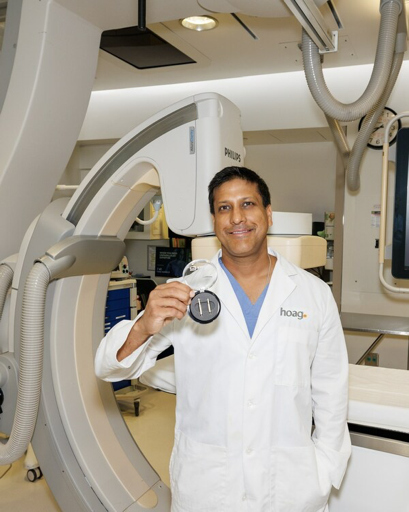
Dr. Rajesh Banker and the AVEIR™ DR Dual-Chamber Leadless Pacemaker
"Hoag clinical cardiac electrophysiologist Rajesh Banker, M.D., said: 'This advanced technology is a game-changer for heart disease patients. It's an exciting opportunity to provide our patients with breakthrough technology once it becomes widely available.' He performed the procedure and serves as the principal investigator for the Hoag pacemaker trial."
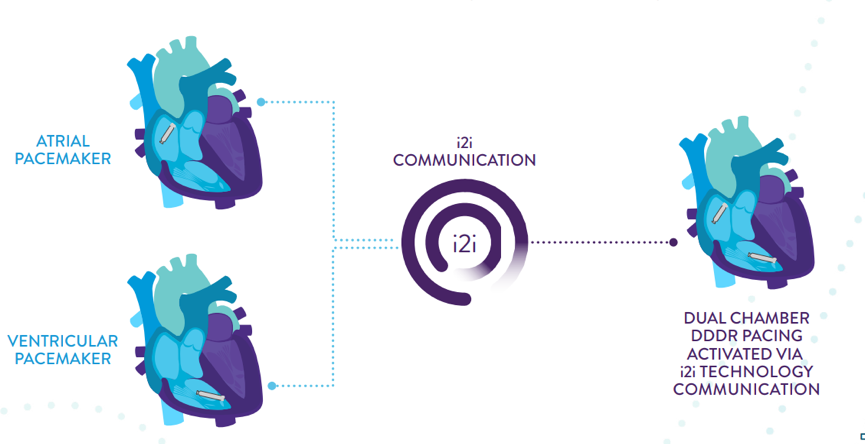
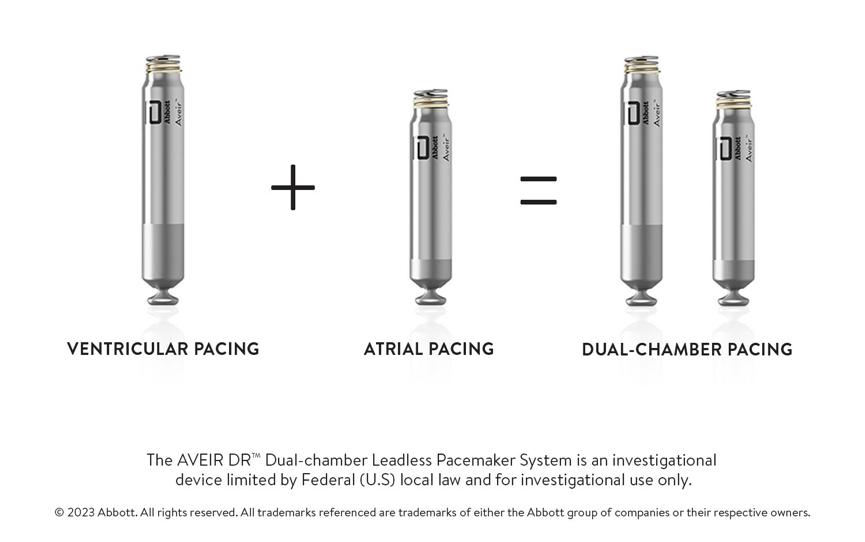
Smaller than an AAA battery, the pacemaker provides consistent atrioventricular synchrony, coordinating the contraction of the heart's atria and ventricles to achieve normal cardiac function. Nearly 80% of patients requiring pacemakers need pacing in two chambers of the heart (the right atrium and right ventricle). With the pioneering i2i™ (implant-to-implant) technology, the AVEIR DR addresses a significant engineering challenge by enabling heartbeat-to-heartbeat communication between two leadless pacemakers placed in the two chambers of the heart.
Hoag is one of the few initial sites in China to offer this technology, underscoring the hospital's national reputation.
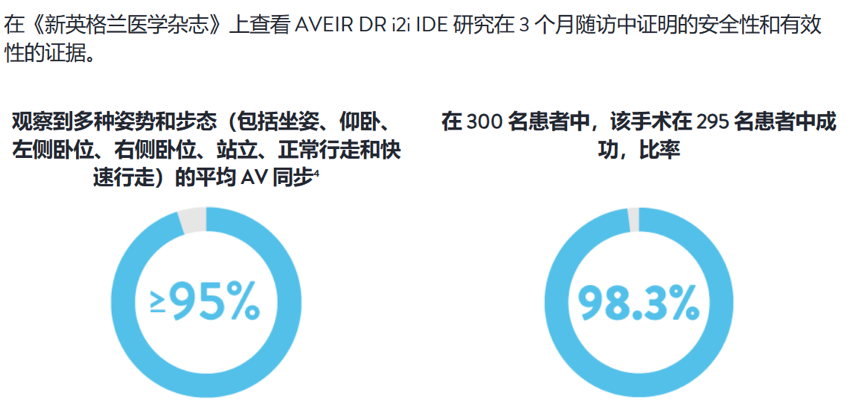
In early clinical trials, patients with different postures and activity levels achieved an average of at least 95% atrioventricular synchrony, reproducing the natural heartbeat synchronization between the two pacemakers in the heart. This was true no matter what the patients did—lying down, sitting up, or walking quickly.
Banker stated, "This technology extends the benefits of leadless pacemakers to more people than ever before. All nine surgeries were performed at Hoag during the clinical trial phase. It also expands our capabilities as clinicians to treat patients with slow or irregular heart rhythms. He was thrilled when the FDA approved the device and is delighted that more people now have access to this technology. In fact, patients who benefit from leadless dual-chamber pacemakers can now replace their existing pacemakers with the new technology once the battery is nearing depletion. Compared to the past, this represents a safer and more personalized pacemaker without the risk of lead-related complications. By eliminating transvenous leads and generator pockets, this technology reduces the long-term risks of infection and lead failure, which affect one in six patients with standard dual-chamber pacemakers. Additionally, the new pacemaker allows for a tailored, patient-centered approach. For example, an individual may initially require only an atrial or ventricular device. Over time, we can upgrade to meet the evolving needs of the individual."
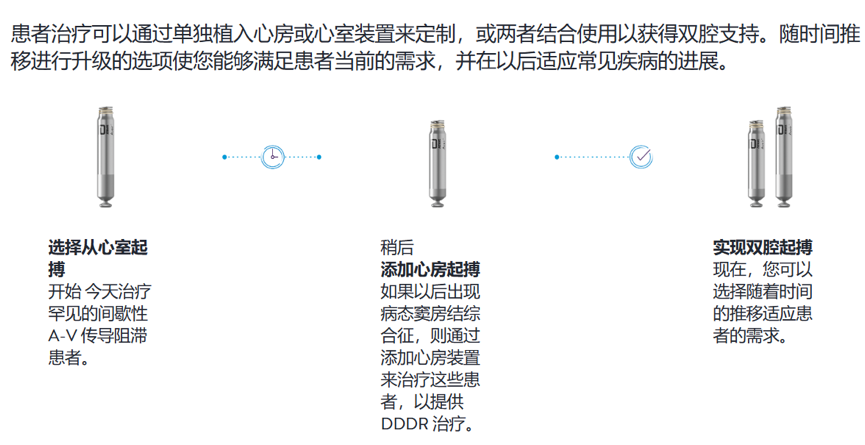
Aveir Leadless Pacemaker is implanted directly into the right ventricle of the heart through a minimally invasive procedure to treat heart conditions with a slower-than-normal heart rate. Unlike traditional pacemakers, the leadless pacemaker does not require a chest incision for device placement or leads to provide therapy.
This device is the world's only one with a unique mapping function, allowing doctors to measure electrical signals within the heart and determine the correct placement of the device before final implantation. When configured using International Organization for Standardization (ISO) standards, its projected battery life is expected to be twice as long (12-13 years) as other currently available leadless pacemakers. Additionally, this device is the only leadless pacemaker designed for retrieval when treatment needs arise. Aveir employs a helical anchoring design, enabling physicians to quickly remove it via the vein once the battery is depleted, without requiring open-chest surgery.
About HOAG

Hoag is a non-profit regional healthcare system in Orange County, California. Hoag provides world-class, comprehensive, and personalized care, including 1,800 top-tier physicians, 16 urgent care facilities, 11 health and wellness centers, and two award-winning hospitals. Hoag offers a full range of healthcare services through seven institutions, providing specialized services in the following areas via its affiliate, the Hoag Orthopedic Institute: cancer, digestive health, heart and vascular, neuroscience, spine, women's health, and orthopedics, comprising one orthopedic hospital and four outpatient surgery centers. Hoag is the highest-ranked hospital in Orange County according to U.S. News & World Report and is the only OC hospital in California ranked in the top ten.
The technical opinions in this article do not represent the views of CCI.



CCI Cardiovascular Physicians Innovation Club
Long press the QR code to follow us
Planning: Shen Li/Editor: Chen Baolin
Author: Yun Ye Xuan /Production: Wang Rui