Two More Innovative Domestic Heart Valve Devices Enter Fast-Track Review Amid Fierce Market Competition

CAUSPER MEDICAL
Cardiac Valve Implantation System Technology Product R&D and Production Manufacturer
Source:Instrument Family,Reproduction without authorization is prohibited, and reproduction is allowed 24 hours later.
According to the "Announcement of the Review Results for Special Examination of Innovative Medical Devices (No. 8, 2023)" published by the Center for Medical Device Evaluation of the National Medical Products Administration on November 9, six projects are proposed to enter the special review process.
ItsIn China, the aortic valve and mitral valve products have once again received green channel approval.They are the transcatheter aortic valve system of CAUSPER MEDICAL INC. (Suzhou), and the transapical mitral chordae repair system of HANKS Medical Technology (Shenzhen) Co., Ltd.
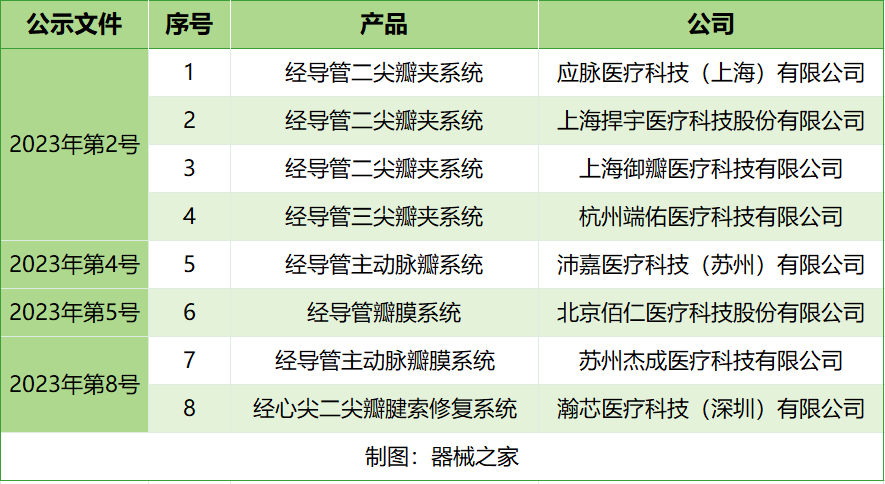
According to the statistics from DeviceHome, as of now, the Evaluation Center has released 8 public announcement documents in 2023, among which the following 8 valve products have been approved as innovative medical devices and entered the public announcement process.
With the gradual deepening of China's national volume-based procurement policy in recent years, competition among medical enterprises is increasingly focusing on innovative high-end medical device products. Over the past decade, the diagnosis and treatment of structural heart disease have made rapid progress, becoming a major highlight in the field of cardiovascular diseases today. It is called the golden track of the next ten years, and the number of innovative medical devices approved in this field is also increasing year by year, which deserves our close attention.
The following lets us take a look at the two products that have entered the public announcement phase.
First, let's introduce the transcatheter aortic valve system of CAUSPER MEDICAL (a member of GENIUS MEDICAL).
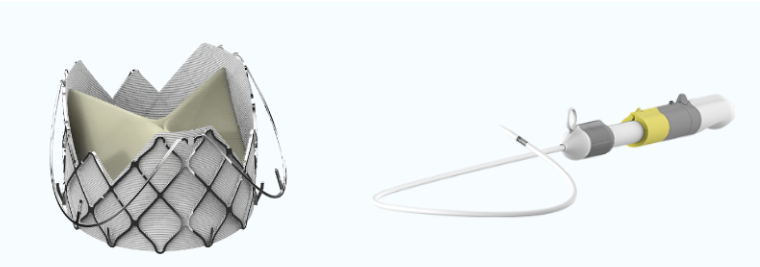
The unique positioning design of CAUSPER MEDICAL's new-generation transcatheter aortic valve enables self-positioning and precise deployment, overcoming the limitation of traditional TAVR (transcatheter aortic valve replacement) products relying on aortic valve calcification for anchoring. This allows for easy anchoring even in non-calcified lesions.Can Treat Aortic Regurgitation and Stenosis Simultaneously, and the operating system enters through the femoral artery, resulting in less trauma and simpler operation.
Specifically, the main advantages are as follows:
1. Shorter operation time, smaller surgical trauma, faster patient recovery;
2. The uniquely designed positioning piece, "crown-shaped" short valve frame, and the ingenious connection between the positioning piece and the valve not only enable automatic precise positioning in clinical applications, reduce vascular damage, but also offer simple operation and easy mastery.
3. Unique anti-calcification treatment technology and excellent biocompatibility can effectively reduce the incidence of valve calcification and restenosis after implantation in patients.
In July this year, Zhongshan Hospital Affiliated to Fudan University as the lead unit, in collaboration with more than ten well-known cardiovascular centers across China, launched a clinical study —— The Clinical Study of CAUSPER MEDICAL's Transvascular Interventional Biological Aortic Valve System in China.Completion of Enrollment for All Patients.
In August this year,The product has obtained FDA Breakthrough Device Designation., used for treating severe primary aortic regurgitation (AR) and mixed aortic valve disease predominantly featuring aortic regurgitation.
This formal approval of CAUSPER MEDICAL's innovative medical device in China means that the marketization pace in both China and the United States will accelerate, seizing the industry's leading edge.
The second product is the transapical mitral valve chordae repair system from Hanxin Medical (a subsidiary of Juxin Medical).
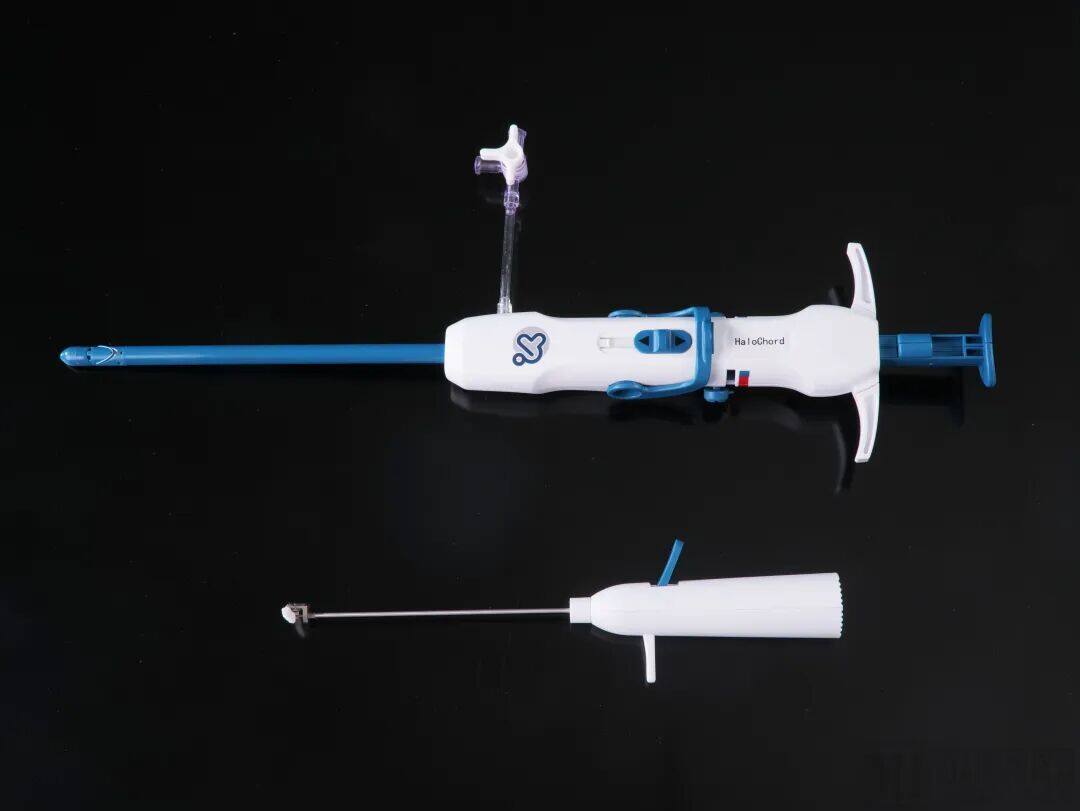
HaloChord® Transcatheter Mitral Chordae Repair System
HaloChord® Transcatheter Mitral Chordae Repair System is an entirely new medical device originally developed and produced in China.Two sets of artificial tendons can be implanted simultaneously in one capture., applicable for mitral valve repair, especially for mitral regurgitation caused by degenerative diseases, such as mitral valve prolapse due to chordae tendineae elongation or rupture, and papillary muscle rupture. The HaloChord® Chordal Repair System will enter the left atrium via the transapical approach while the heart is still beating to complete artificial chordae suturing.Under ultrasound guidance, which is fixed at the apex by adjusting the length of the artificial chordae.
This procedure will offer patients more options for treating mitral regurgitation. Compared with traditional open-heart surgery, the interventional mitral chordae repair system can be completed through minimally invasive surgery, reducing surgical trauma and recovery time, making it a gentler treatment approach. Compared with mitral valve clipping, it has the advantages of not damaging the original physiological structure of the mitral valve and preserving the possibility for subsequent treatments.
Currently, this deviceClinical research has been initiated in multiple centers across China.The 3-month follow-up data of the cases treated so far show good results, preliminarily proving its safety and effectiveness.
Professor Wei Lai from Zhongshan Hospital, Fudan University, who participated in the first clinical application of the HaloChord® Transcatheter Mitral Valve Chordal Repair System in East China, stated:
"The surgery adopts the transapical approach, with a short and straight path, simple and safe operation, and significantly less trauma compared to conventional surgical procedures."The entire surgery process does not require the use of radiation or contrast agents, and can be guided and positioned by esophageal ultrasound., which not only avoids radioactive harm to patients and medical staff, but also does not require hospitals to be equipped with high-end hybrid operating rooms. Ordinary operating rooms can complete the procedure, reducing medical costs and financial burden. The biggest advantage lies in the artificial chordae repair technology.No violent clamping or twisting of the mitral valve leaflets, no loss of orifice area, and no disruption of the original three-dimensional physiological structure of the mitral valve., also providing an opportunity for potential secondary intervention in the future."
He also mentioned, "However, the artificial chordae technique is not suitable for all patients with mitral regurgitation. ItHigher requirements for selecting suitable patients。Preoperatively, the operator must carefully evaluate and measure the patient's esophageal ultrasound images.Generally speaking, patients with severe mitral regurgitation will experience significant annulus dilation as the condition progresses to a certain stage, and once the annulus expands to a certain extent, this artificial chordae repair technique is no longer suitable."Only patients with Zone 2 lesions who meet anatomical conditions such as a not overly large annulus, sufficiently long leaflets, and a relatively normal apex can achieve the best outcomes with this type of technology."
In the classification of cardiovascular diseases, valvular disease surgery accounts for the highest proportion, with a significant treatment gap. According to the 2021 "White Paper on Chinese Cardiac Surgery and Extracorporeal Circulation Data," valvular heart disease has the highest proportion of surgical volume among cardiovascular disease classifications. Transcatheter interventional valve therapy is expected to become the main development direction for the global treatment of valvular heart disease.The main interventional treatment methods currently available are transcatheter aortic valve replacement (TAVR), transcatheter mitral valve intervention (TMV), and transcatheter tricuspid valve intervention (TTV).
TAVR Market Rapidly Expands, Four Powerhouses Compete
Among the three interventional treatment technologies, TAVR was the earliest interventional treatment method introduced into China for clinical use. It is also the most mature and commercially fastest-growing method.
Since 2019,The three major players in China's heart valve industry — Qiming Medical, Peijia Medical, and MicroPort CardioFlow Medtech — have all gone public. Together with CAUSPER MEDICAL, they are known as the "Four Dragons" of China-produced TAVR.
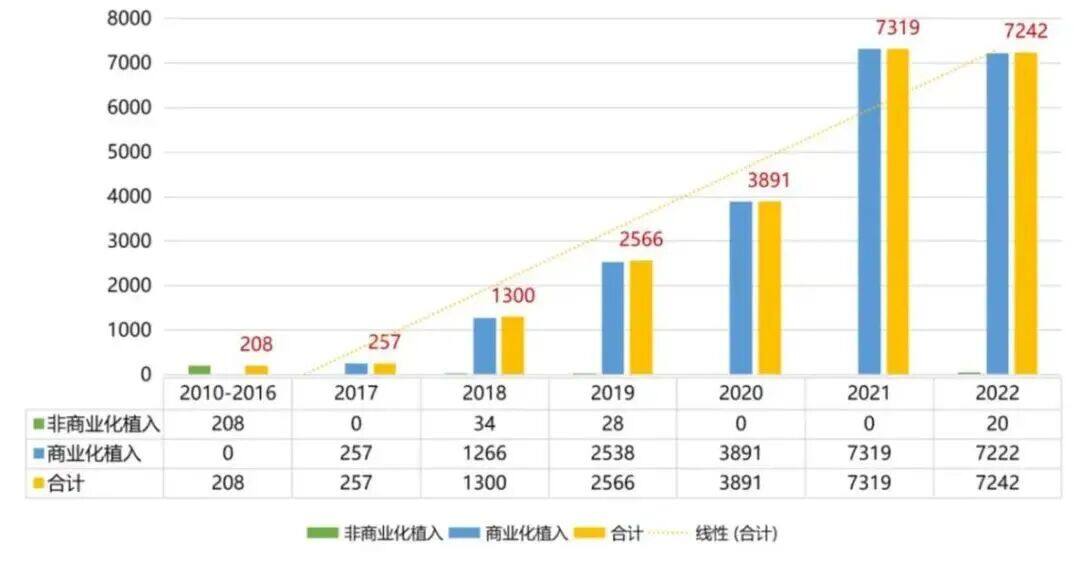
TAVR Surgery Trend in Mainland China (Data Source: China Vascular Health Conference 2022)
Compared with the mature and stable TAVR market landscape in the United States, where two giants (Edwards Lifesciences and Medtronic) occupy about 90% of the TAVR market share, the competition in China's TAVR market is much fiercer. However, overall, China's heart valve market is large in capacity, fast-growing, but with low penetration, which is still less than 1%. The market as a whole is still in the introduction phase, and future development is promising.
TMV "Eighteen Martial Arts"
Transcatheter Mitral Valve (TMV) devices are the "crown jewels" in the field of valvular interventions. The mitral valve has a complex anatomical structure, and any damage to its anatomy can affect its function, presenting significant technical challenges and extremely high technological barriers. However, the potential patient population for TMV indications is nearly 3.5 million.5 times the TAVR indication population, which has great attraction, and the number of participants and product layouts in China is much higher than that of TAVR.
Transcatheter mitral valve (TMV) interventions include TMV repair (TMVr) for repairable mitral valves and TMV replacement (TMVR) for implantation of new mitral valves. According to statistics from the Eggshell Research Institute, a total of 21 companies in China (including 2 foreign companies: Abbott and Edwards) are active in this field, with a combined total of 45 TMV products, of which 15 are TMVR and 30 are TMVr.Chinese companies such as捍宇医疗, which developed ValveClamp, 德晋医疗, which developed DargonFly and MitralStich, and 纽脉医疗, which developed Valveclip-M, etc., have all conducted active explorations in this field.
TTV Deep Blue Competitive Landscape
The tricuspid valve, often referred to as the "forgotten valve," is rarely diseased on its own and is commonly associated with other heart conditions. Unlike mitral regurgitation surgery, which has become the "gold standard" for intervention, the treatment of tricuspid regurgitation remains in a deep blue competitive landscape within the tricuspid intervention market, with similar R&D progress both in and outside of China.
According to incomplete statistics from the Eggshell Research Institute, there are a total of 43 interventional repair and replacement products under research and development globally, including 24 interventional repair products and 21 interventional replacement products.
In the interventional repair pathway technology, the product that has entered the confirmatory clinical stage using the coaptation technology is NeoBlazar (DuanYou Medical). In addition, six products have entered the feasibility clinical research stage, and six products are in the preclinical stage.
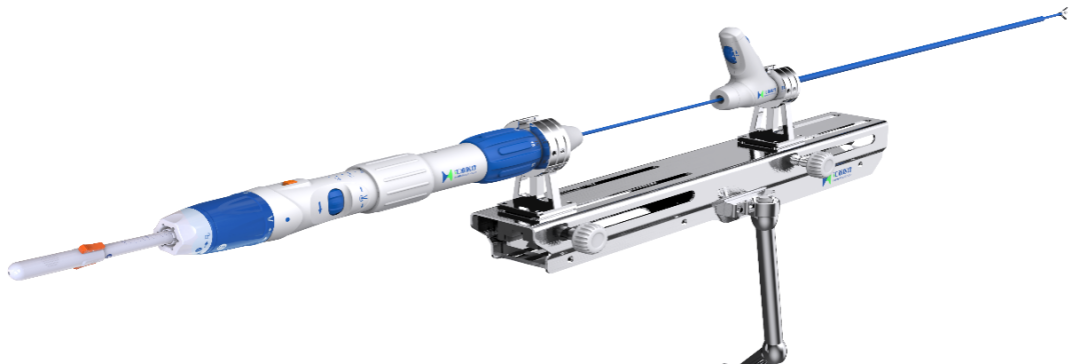
Huihe Medical K-Clip
In the interventional repair pathway technology, the product with annuloplasty repair technology entering confirmatory clinical trials is K-Clip (Huihe Medical)., which has currently completed the confirmatory clinical trial and entered the follow-up stage. In addition, a total of 5 products have entered the feasibility clinical research stage, and 2 products are in the preclinical stage.
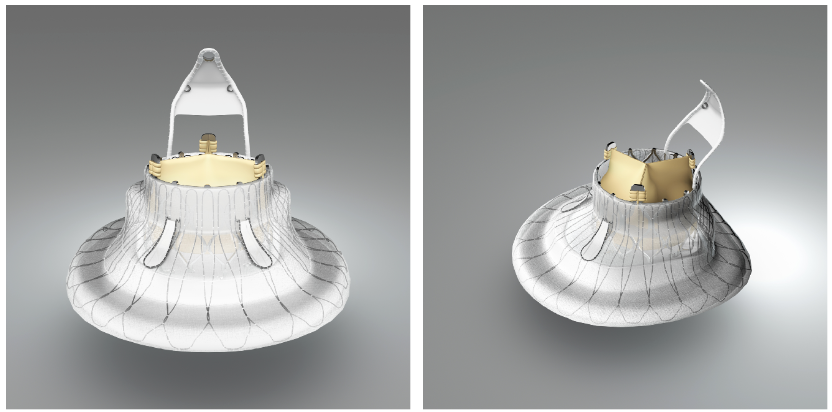
Jian Shi Technology LuX-Valve Plus
In the field of interventional replacement, currently, there are only 3 tricuspid valve interventional products globally in confirmatory clinical trials.They are LuX-Valve and LuX-Valve Plus from Jianshi Technology, and EVOQUE from Edwards Lifesciences.
——
According to Frost & Sullivan's forecast, the CAGR of the valve intervention market size from 2023 to 2030 is approximately 45%, with a market size of about 42 billion yuan by 2030. It is expected to be one of the fastest-growing tracks in the field of innovative medical devices in the coming years. As a golden track for China-produced alternatives, Medical Device Community will also continue to monitor the development and layout in this field.
More exciting content
Welcome to follow WeChat Video Channel


Powerful Alliance! The Most Advanced Superconducting Heavy Ion Technology Enters China
How Should Endoscope Companies Efficiently Empower Precision Medicine?
CIIE Review: Endoscopes + Surgical Robots
Asia-Pacific's First, "King of Rigid Endoscopes" Makes a Big Move
Giant in Vascular Intervention Announces Leadership Change
Innovative Medical "Black Tech", Boston Scientific Showcases Multiple Products at CIIE
Global First: Siemens Healthineers' 4D Volumetric Intracardiac Echocardiography Catheter Debuts at CIIE
Just now, "MicroPort" Two Listed Companies Change CEOs
Siemens Healthineers Debuts Multiple Groundbreaking Products for the Sixth Consecutive Year at the CIIE
Breaking: Medtronic's Partner May Be Delisted


BusinessBusiness cooperation email: qxzj@landianyiliao.com