Top Hospitals Unite to Launch the Operating Room Lean Management Alliance at 2023 China Hospital Management Annual Conference

Danaher
Product Design and Manufacturer

To help medical institutions improve the quality and safety of operating rooms and enhance operational efficiency, Healthy China, in collaboration with multiple organizations, officially launched the "Refined Surgery, Beneficial to the Whole Hospital — Operating Room Lean Management Professional Promotion Project" on March 19, 2023.
The project team collaborated with 19 benchmark hospitals across China.Focusing on multiple aspects of operating room management such as efficiency improvement, cost control, quality management, and experience optimization, share experiences and exchanges, and compile the first..."Consensus on Lean Management in Operating Rooms"(Hereinafter referred to as the "Consensus"), and was officially released at the main forum of the 2023 China Hospital Management Annual Conference on November 11.

Held on November 122023 China Hospital Management Annual Conference: Operating Room Lean Management Forum, managers of four model hospitals for lean management in operating rooms shared their practical experiences. More than 20 experts present discussed existing pain points, future trends in lean operating room management, and the work plan of the Lean Operating Room Management Alliance. The conference also held the inauguration ceremony for the Lean Operating Room Management Alliance.
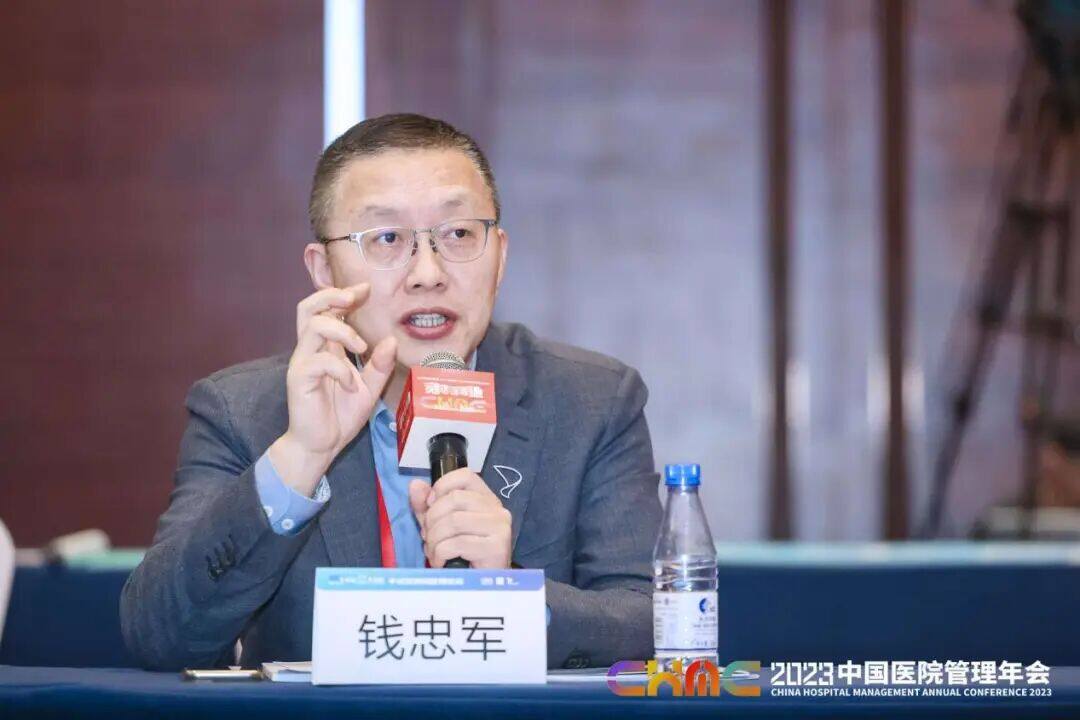
This forum was hosted by Wang Zheng, Vice President of Renji Hospital, Shanghai Jiao Tong University School of Medicine, and Pan Yu, Vice President of the First Affiliated Hospital of Harbin Medical University. Jin Changxiao, Party Secretary of Peking University Third Hospital, Zhao Hong, Founder and President of Healthworld (Beijing Huamei Kangxun Information Technology Co., Ltd.), and Qian Zhongjun, DBS Commercial Mentor of Danaher China and General Manager of Growth and Digitalization at Danaher China Diagnostic Platform, delivered speeches at the forum. The forum was supported by Danaher Group.

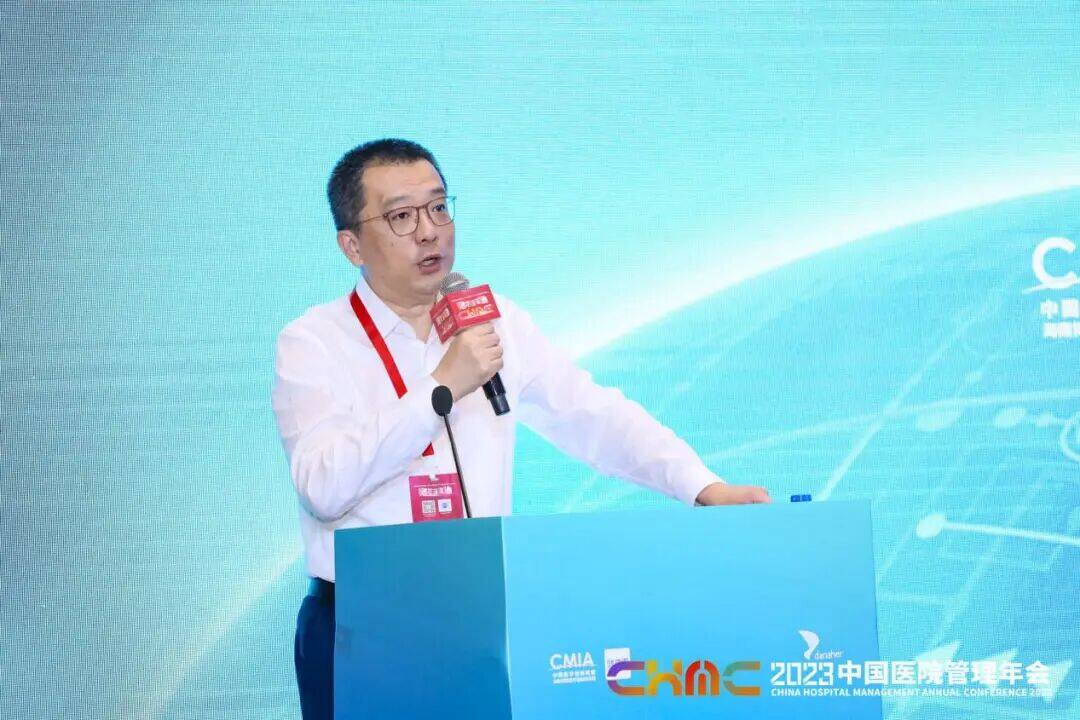
Wang Zheng, Vice President of Renji Hospital, Shanghai Jiao Tong University School of Medicine

Vice President of the First Affiliated Hospital of Harbin Medical University, Pan Yu
Multiple Benchmark Hospitals Showcase Their Strengths

Bai Xiangjun, Vice President of Tongji Hospital Affiliated to Tongji Medical College, Huazhong University of Science and TechnologyFirst, the hospital shared its lean practices and implementation results in improving operating room efficiency. By sending surgical message notifications to surgeons, reminding them to arrive at the operating room on time to perform surgeries, the punctuality rate of the first surgery incision was improved. With the full cooperation of all major surgical departments, the punctuality rate of the first surgery incision increased from 76.99% to 91.16%, an increase of 18.4%.
In addition, the hospital has also explored promoting the early start of consecutive surgeries through seamless closed-loop transport and handover for surgical patients: relying on information technology, the hospital has achieved full-process traceability of patient and surgery verification via PDA and PC-based scanning, ensuring the uniqueness of patient identity, reducing the occurrence rate of errors in consecutive surgery patients and adverse events during patient handover. This not only enhances the safety of transport and handover but also improves its efficiency.

Bai Xiangjun
Liu Xinyu, Vice President of Qilu Hospital of Shandong UniversityIt was stated that the hospital performs an average of more than 100,000 surgeries per year, and its orderly management is inseparable from the construction of intelligent operating rooms. The intelligent operating room construction at Qilu Hospital mainly focuses on the behavioral management of surgical staff. Based on IoT RFID technology, it has achieved safe access management for medical staff during surgeries. Medical personnel can authenticate their identities through card swiping, facial recognition, or fingerprint scanning, enabling the automatic management of surgical attire distribution and collection.
In addition, the intelligent operating room can provide an intraoperative visualization workstation, which can achieve functions such as environmental monitoring, surgical timing, and cleaning calls. Through a digital integrated operating room management system, the operating room can implement storage of surgical video materials and enable interaction with PACS, HIS, and consultation systems, allowing doctors to conveniently view images and conduct intraoperative consultations. The pneumatic logistics transmission channel ensures that pathology samples are quickly and promptly delivered to the pathology department, reducing waiting time for surgeons and increasing the utilization and turnover rate of operating tables.
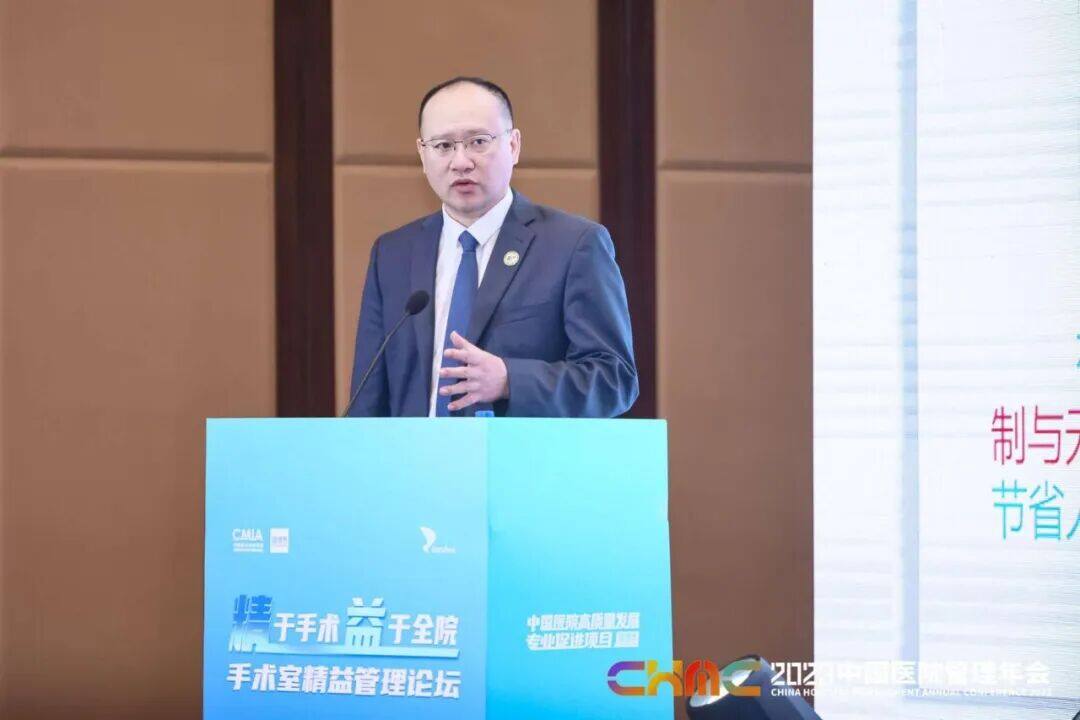
Liu Xinyu, Vice President of Qilu Hospital of Shandong University
Yu Jia'ao, Vice President of the First Hospital of Jilin UniversityIntroduction: In order to accurately identify issues, the hospital conducted multiple surveys targeting surgeries. After precise cost budgeting, the First Hospital of Jilin University categorized all hospital surgeries based on two dimensions: DRGs surplus and development direction.
For surgeries that both have medical insurance surplus and are key development directions of the discipline, guide them to utilize spaces with higher inpatient costs; for those that are key development directions but have poor medical insurance surplus, streamline their processes; for disease surgeries that have medical insurance surplus but are not current key development directions of the discipline, move them to day surgeries; for surgeries that are neither key development directions of the discipline nor have medical insurance surplus, redirect them to lower-level hospitals.
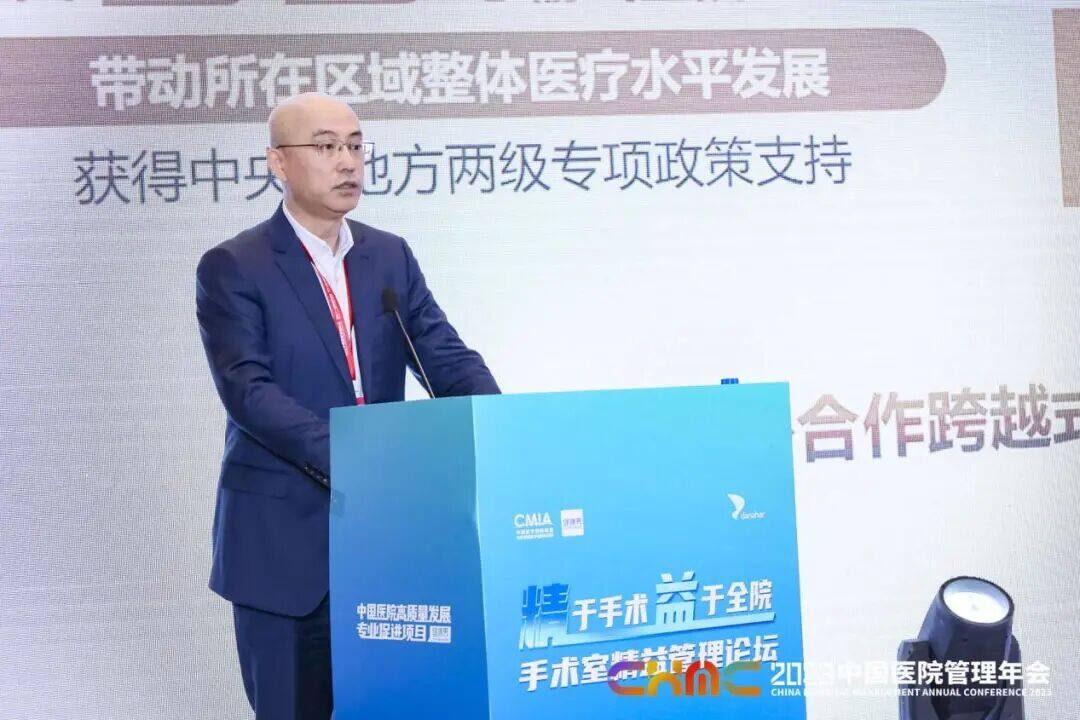
Yu Jia'ao, Vice President of the First Hospital of Jilin University
Zhang Zhemin, Deputy Dean of Shanghai Pulmonary HospitalShared the measures taken by the hospital to optimize the process of surgical turnover.
First, the hospital operating room sets up a chief on-duty nurse, who, together with the on-duty anesthesiologist and the on-duty thoracic surgery doctor, forms an integrated medical care coordination team. Starting from the three aspects of preparation, communication, and transfer for consecutive surgeries, they jointly take charge of the surgical arrangements.
Secondly, the on-duty nurse in the operating room should conduct a visit to the patients scheduled for surgery the next day one day in advance, noting any special conditions of the patients and specific requirements during the surgery, so as to facilitate the operating room to prepare in advance. The anesthesiologist and the operating room nurse must prepare for consecutive surgeries one day before the operation.
To ensure surgeries start on time, the hospital has also established a performance evaluation system for operation room turnover. The Medical Affairs Department regularly compiles data on start times and turnover times, and continuously improves the on-time start rate and optimizes the turnover process using management tools such as PDCA and fishbone diagrams.
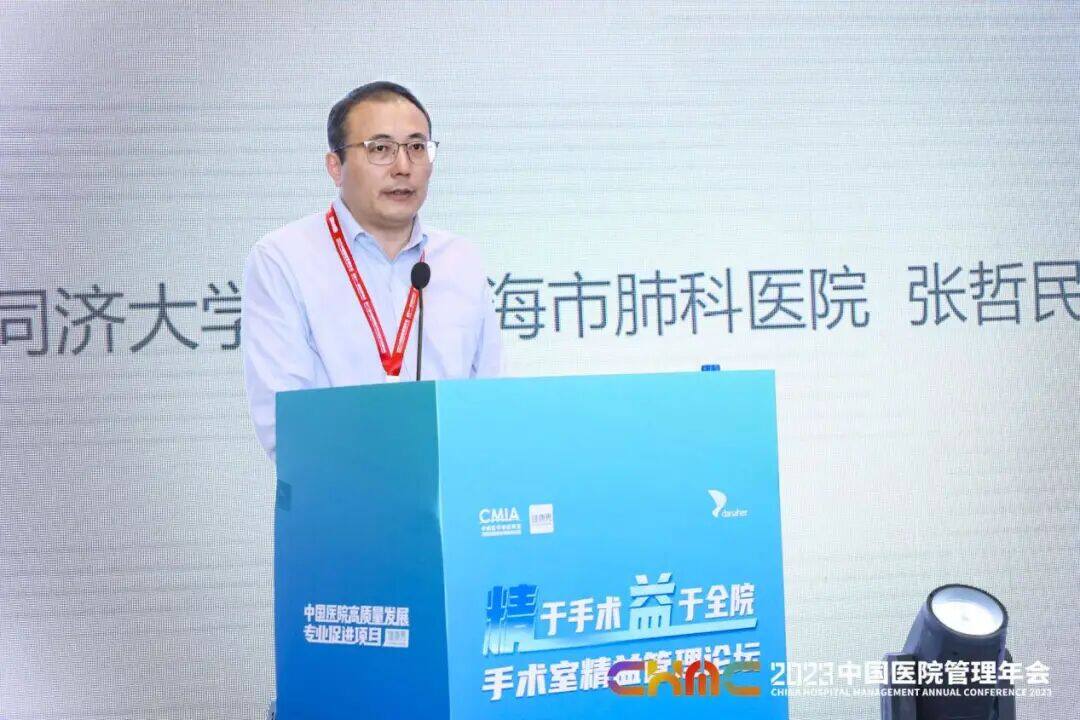
Zhang Zhemin, Vice President of Shanghai Pulmonary Hospital
Lean Management in Operating Rooms
Consensus and Trend

The First Affiliated Hospital of the University of Science and Technology of China (Anhui Provincial Hospital)Party Secretary Liu LianxinIt is believed that the ideal operating room in the future should be based on the Internet and the Internet of Things, achieving intelligent-driven management.
Peng Wangqing, Deputy Director of the Sun Yat-sen University Cancer Center, believes that the future development of operating room management should focus on personnel behavior management, resource matching, performance incentives, IT support, equipment upgrades, facility improvements, and humanistic care. The construction of intelligent and humanized operating rooms is a key focus and trend.
Li Xiaobei, President of Beijing Chest Hospital, Capital Medical University, stated that the management of operating rooms should focus on informatization construction, promote informatization construction with higher standards, thereby serving the lean management of operating rooms.
Xu Daoliang, Party Secretary of Subei People's Hospital in Jiangsu Province, introduced the hospital's "Surgical Smart Brain," which can achieve automated surgical scheduling and has established a closed-loop management system for surgical information. It enables precise traceability for 16 time points before, during, and after surgery.

Shen Bo, Vice President of Renmin Hospital of Wuhan UniversityIt is believed that the humanized management of the operating room should provide adequate logistical support to surgeons, such as offering massage chairs for them to rest during surgical breaks, thereby improving work efficiency and ensuring patient safety.
Zhang Fuxing, Vice President of the First Affiliated Hospital of Xiamen University, and Tao Zhihe, Vice President of the First People's Hospital of Tianmen City, Hubei Province, both emphasized the importance of the operating room head nurse. On one hand, it is crucial to cultivate head nurses with strong execution and communication skills; on the other hand, hospitals should give them sufficient authority to ensure the effective mobilization of resources.
Xu Huixiong, Assistant to the President of Zhongshan Hospital Affiliated to Fudan University, mentioned that while focusing on how to improve the operational efficiency of the operating room, it is also necessary to consider how to enhance surgical outcomes, maximizing patient benefits.

For the just released《Consensus on Lean Management in Operating Rooms》And the work plan of the Lean Management Alliance for operating rooms, several attendees proposed constructive opinions.
Li Qingfeng, Vice President of Guangzhou Women and Children's Medical Center, believes that the cost-effectiveness and performance issues mentioned in the "Consensus" can be further deepened to form standards guiding hospitals.
Xie Ruijin, Party Secretary of the First Affiliated Hospital of Anhui Medical University, stated that for the core content of the "Consensus," consideration should be given to formulating it into standards. Non-core but influential content can be summarized into cases for widespread dissemination.
Su Jing, Vice President of Hainan Provincial People's Hospital, hopes to make full use of the "Consensus" results, transforming the content of the consensus into specific procedures, work plans, and measures, so that the excellent experiences of major hospitals can be implemented over a wider range.
Sun Hui, Party Committee Deputy Secretary of Xiehe Hospital affiliated with Tongji Medical College of Huazhong University of Science and Technology, suggested that in the process of further implementing the content of the "Consensus," full consideration should be given to the differences and feasibility in efficiency, cost, and personnel among hospitals at different levels. A graded and layered strategy can be adopted for advancement.
Hu Qingquan, Director of the Hospital Development Center at the First Affiliated Hospital of Nanchang University, shares a similar perspective. He believes that the situations of prefecture-level hospitals and large tertiary hospitals are different, especially in terms of surgical resources. These hospitals need to consider how to enable doctors to perform surgeries with precision and meticulousness, maximizing benefits for patients.

Zhao Hong, founder and president of HealthCareSphere, stated that in the implementation process of the "Consensus," the focus is not on rushing forward quickly but on delving deeply into meticulous execution. HealthCareSphere will collaborate with all alliance units to explore how to evolve the "Consensus" to version 2.0, enhancing its applicability and generating a series of outcomes such as research papers, books, software and hardware products, textbooks, training systems, bases, and lecturers.
She also indicated that the healthcare sector will keep a long-term open entry on the platform to collect questions and concerns from major hospitals regarding lean operating room management. This will assist all alliance units in deeply implementing lean operating room management, empowering more hospitals to achieve high-quality development.

As a co-initiating unit of the Lean Management Alliance for Operating Rooms (Specially Invited), Qian Zhongjun, General Manager of Growth and Digitalization for Danaher China Diagnostic Platform at Danaher Corporation and DBS Commercial Mentor for Danaher China, expressed the hope to collaborate with various hospitals in exploring the factors outside the operating room that impact surgical efficiency, jointly promoting lean management in operating rooms.
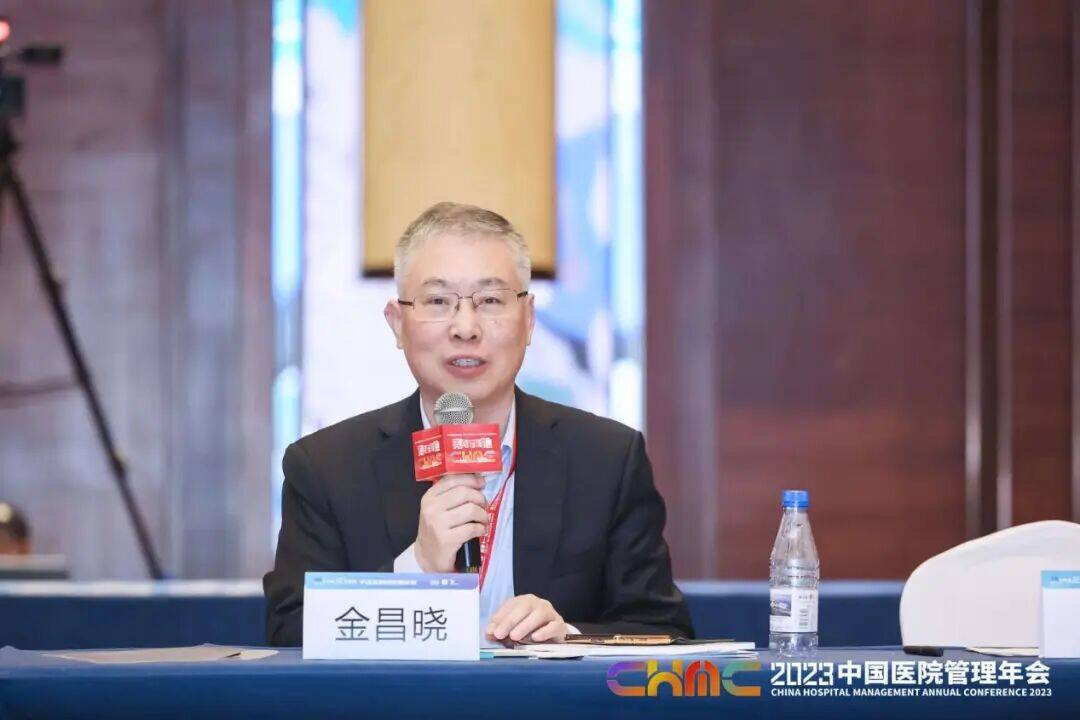
Jin Changxiao, Party Secretary of Peking University Third Hospital, said in his summary of the forum that the concepts of lean management and scientific management in operating rooms are highly consistent: being scientific rather than relying solely on experience; pursuing harmony rather than mere cooperation; emphasizing collaboration rather than individualism.
He believes that maximizing output, replacing limited output, and having each person achieve maximum work efficiency and success means substituting high-efficiency production methods for low-cost ones to strengthen labor cost control. This is the true essence of lean management.
The First Lean Management Alliance in the Industry's Operating Rooms
Officially Established

The forum simultaneously held the inauguration ceremony of the "Operating Room Lean Management Alliance." More than 20 attending guests witnessed the official establishment of the Operating Room Lean Management Alliance and signed the member unit scroll as a souvenir.

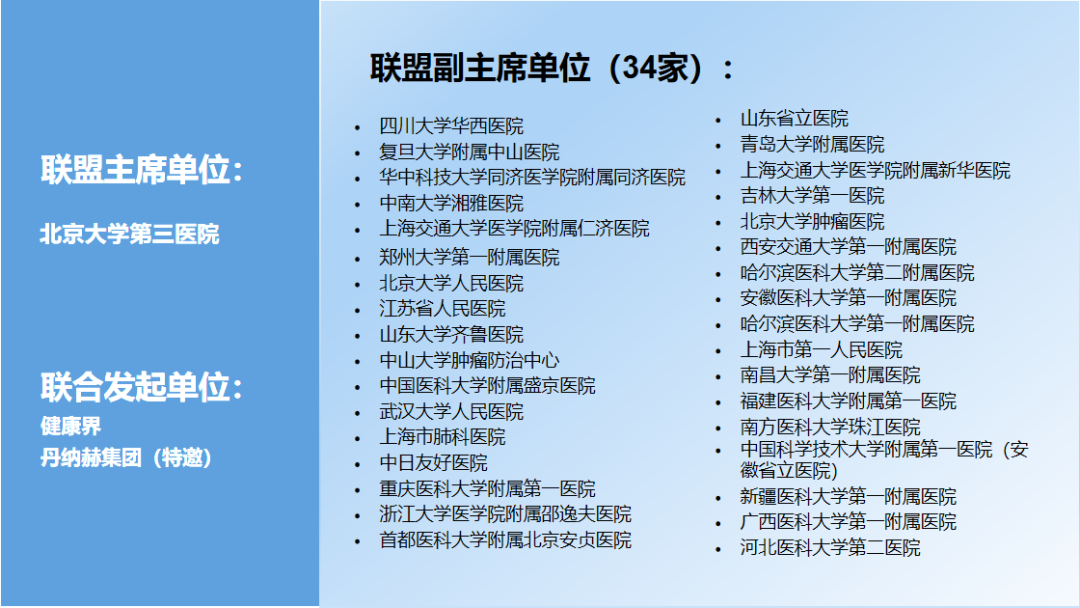
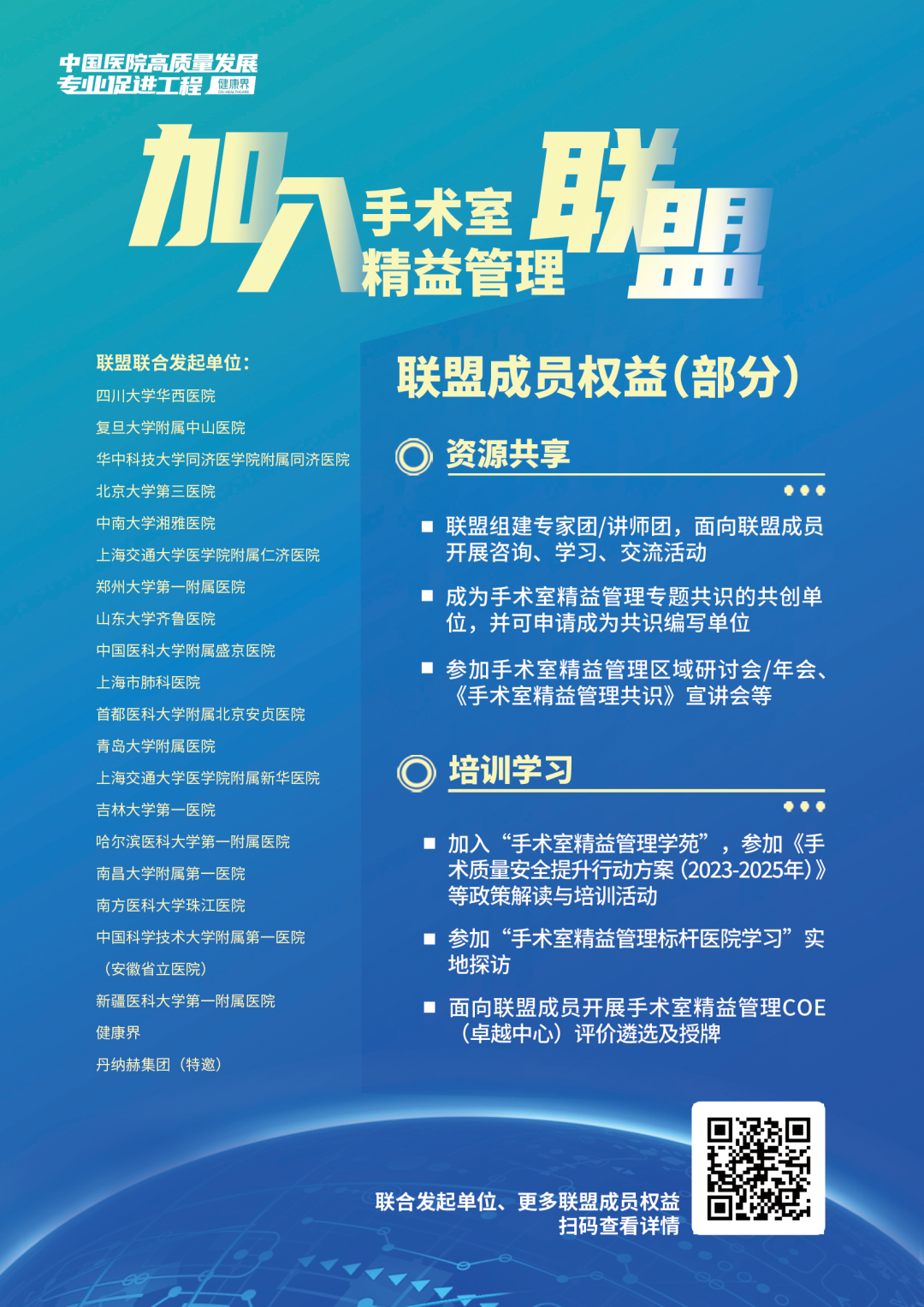
According to Cheng Shi, the standing vice president of Healthworld, the Operating Room Lean Management Alliance was jointly initiated by 21 institutions. The alliance includes chair units, vice-chair units, and member units. The council is responsible for the overall planning and decision-making of the alliance, while the secretariat handles the implementation of specific tasks, coordination, and overall management of work progress.
The chair unit is Peking University Third Hospital, and the 34 vice chair units of the alliance include Sichuan University West China Hospital, Fudan University Zhongshan Hospital, Tongji Hospital Affiliated to Tongji Medical College of Huazhong University of Science and Technology, etc.
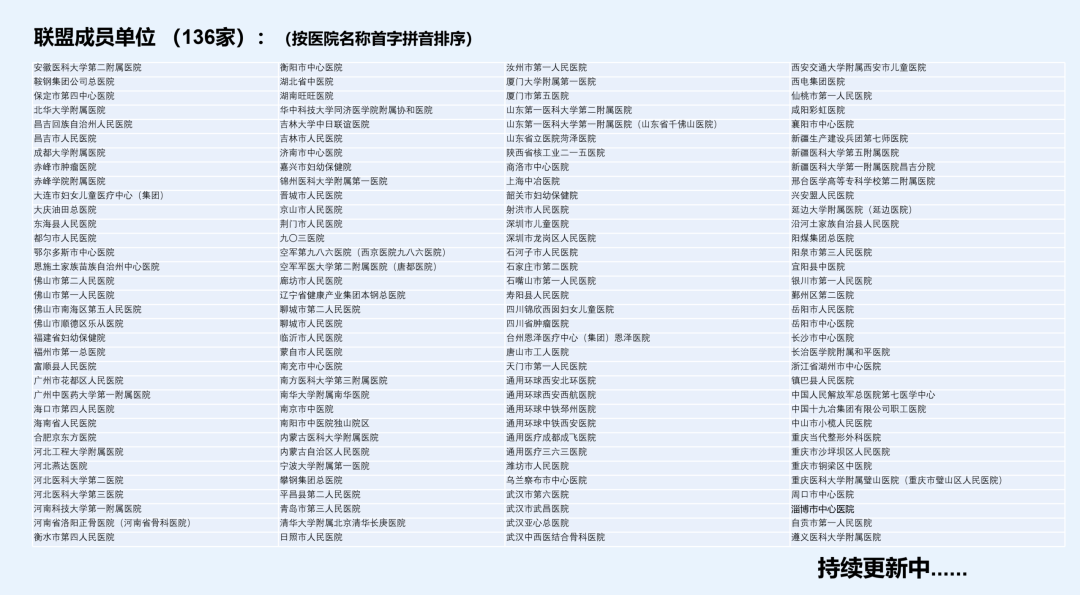
As of the start of the conference, 136 member organizations had been recruited, totaling 171. In 2024, the Lean Operating Room Management Alliance plans to recruit a total of 300 alliance hospitals and will carry out a series of activities around the "Consensus on Operating Room Management." These activities include producing thematic consensus documents, conducting consensus presentations, organizing regional seminars, hosting specialized capability enhancement workshops, showcasing solutions, publishing books, and 12 other planned initiatives.
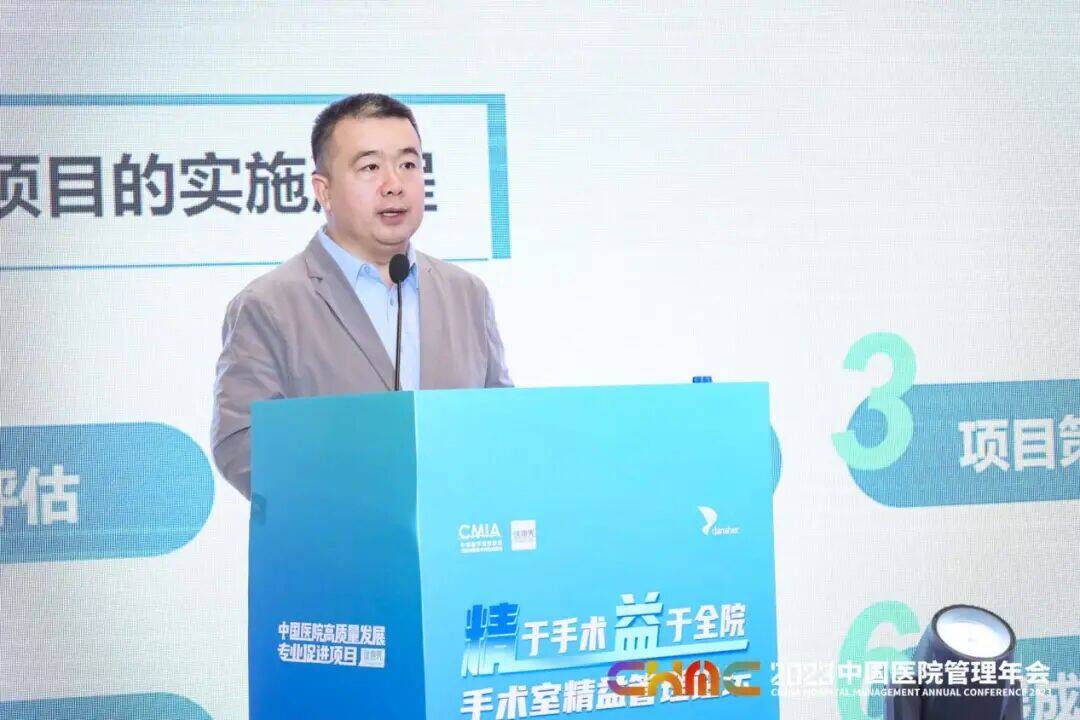
Cheng Shi, Executive Vice President of Health Management
Attachment: Organizational Structure of the Lean Management Alliance for Operating Rooms
Produced by Healthworld, reproduction without authorization is prohibited.
If reprinted in violation of the rules, legal responsibility will be pursued!
✔What are the latest concepts and best practices of "Lean Management in Operating Rooms" in China?