Disclaimer: Due to limited proficiency, errors are inevitable, and some information may not be the most up-to-date. Comments are welcome to point these out. This article is only an introduction to drugs related to healthcare and is not a recommendation of treatment plans (if involved). This article does not constitute any investment advice.
On November 15, according to foreign media reports,French cell therapy company Smart Immune has currently raised more than half of its funding target in the Series A round (Target $54 Million), the company plans to complete the Phase I/II development of its lead cell therapy project in two different indications.
Chief Executive Officer Karine RossignolRepresents the companyExpected to complete Series A financing in early 2024The financing will support the completion of two Phase I/II trials for leukemia by the end of 2025, as well as the ongoing Phase I/II trial of SMART-101 for infants with the rare disease severe combined immunodeficiency (SCID). Details remain undisclosed for now.Smart Immune's cash flow, but has sufficient funds to advance its lead candidate drug Smart-101 through two Phase I/II "step-up" trials in acute leukemia patients undergoing allogeneic hematopoietic stem cell transplantation (HSCT).
Karine Rossignol
In April this year,The Melinda Gates Foundation provided funding to Smart Immune$5 millionEquity investment to fund leukemia trials, with the clear goal of determining whether its cell therapy can also help reverse T-cell deficiencies associated with AIDS.
In February this year, the company also received funding from the European Innovation Council.17.5 million eurosGrants and equity investments.
About Smart -101
Smart-101 consists of T-cell progenitors made from stem cells mobilized from the periphery by the company's ProTcell platform. After injection into patients, the progenitors migrate to the thymus and differentiate into mature T cells, which can combat infections and tumors. This therapy can enhance a patient's immune system in as little as three months, compared to an average of 18 months required for natural reconstitution post-transplant.SMART-101's method of generating T cells from progenitor cells meansNew T cells can survive in the body for up to ten years, while existing cell transplantation technologies on the market can only ensure the survival of injected T cells for 2 to 6 weeks.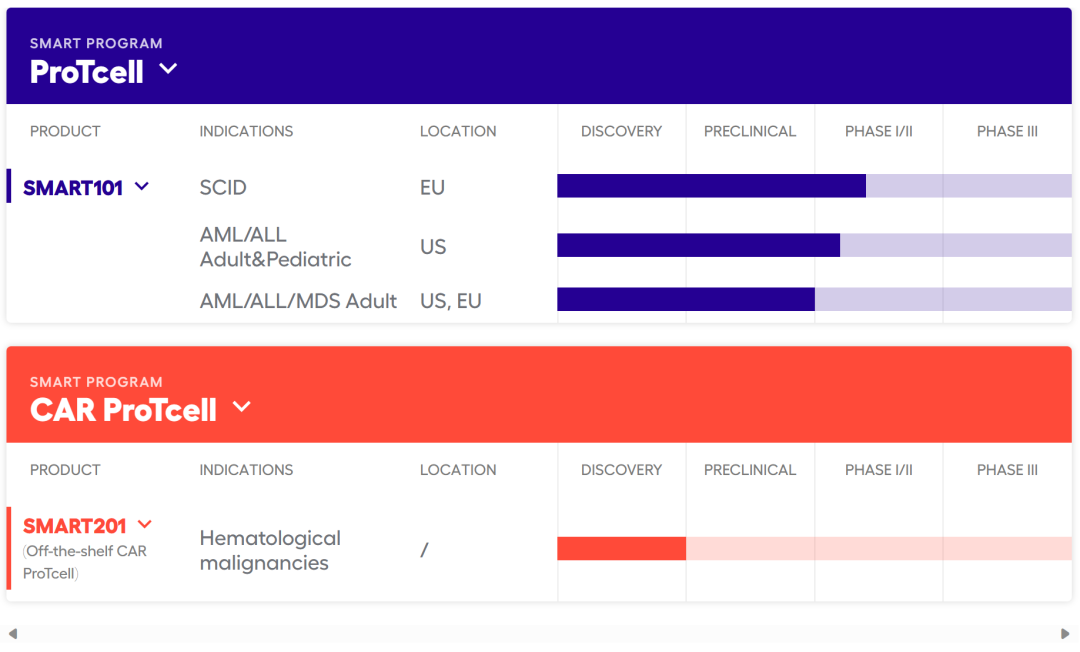
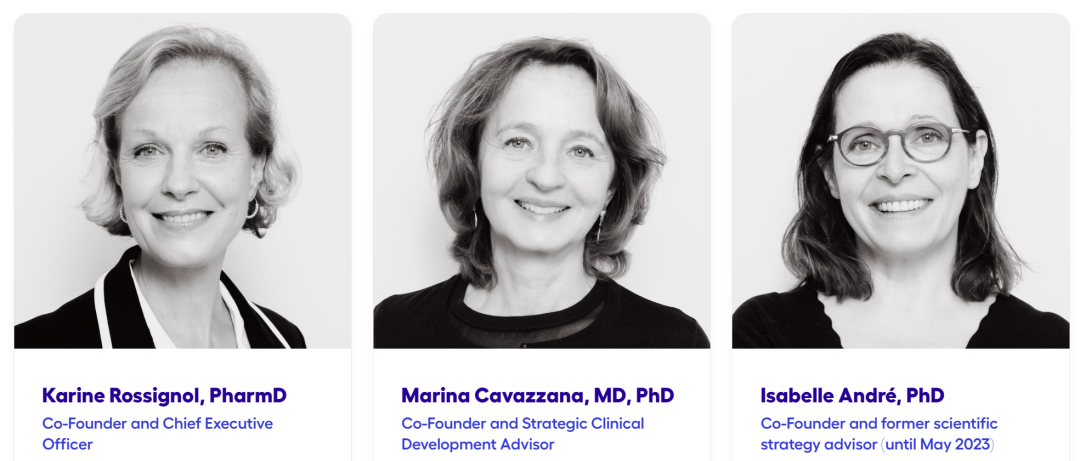
Through Smart Immune's technical approach, doctors can modify stem cells in the laboratory to make them resistant to HIV, and then transplant them into patients. If this new technology can be applied on a large scale, humans may have the hope to completely conquer AIDS.Smart Immune is an emerging biotech company that is conducting experiments which could help AIDS patients rebuild their immune systems.The company was founded by three women (all PhDs in the biopharmaceutical field) and focuses on combating cancer and AIDS through gene editing and cell transplantation.