CoreMedic Announces Successful Completion of World’s First Implantation with ChordArt TMVr System for Transcatheter Mitral Valve Repair

CoreMedic
Developer of Heart Valve Disease Treatment Products
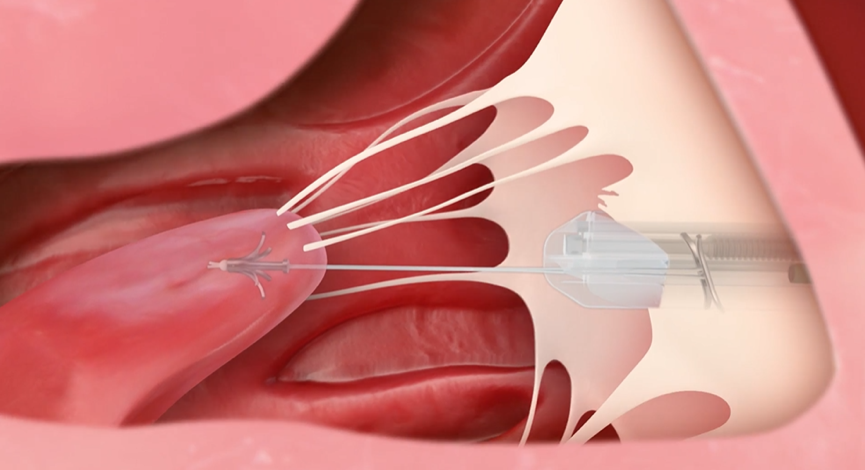
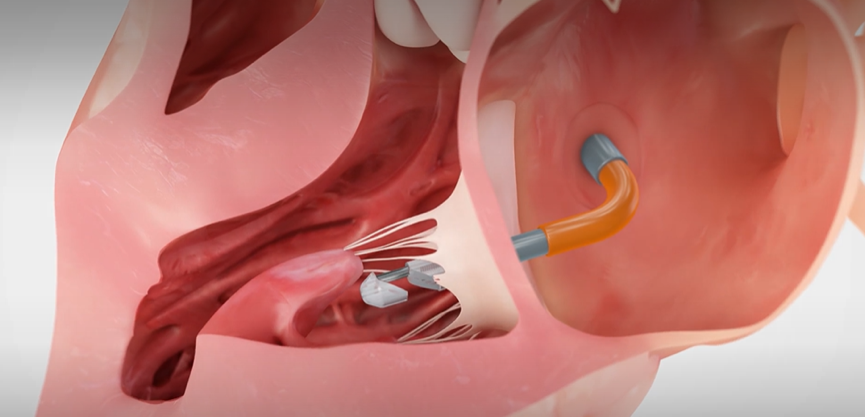
Recently, CoreMedic announced the first successful application of its ChordArt transcatheter technology in mitral valve repair. The system is used to treat patients with severe degenerative mitral regurgitation caused by mitral chordae tendineae rupture and was successfully applied as part of CoreMedic's first-in-human trial, which performed percutaneous mitral chordae replacement using the ChordArt Transcatheter Mitral Valve Repair (TMVr) System.
"CoreMedic GmbH CEO Josef Bogenschütz stated, 'We are thrilled to achieve this historic milestone with the revolutionary ChordArt TMVR system, a new approach for percutaneous mitral valve repair. Thanks to everyone who played a crucial role in achieving this success. This accomplishment is a testament to the dedication and hard work of our outstanding team. Our cutting-edge solutions enable us to position ourselves as leaders in the field of catheter-based mitral valve repair. We are committed to redefining the gold standard and setting a new benchmark for future excellence.'"
PMR is one of the most common cardiac valve diseases, with an increasing healthcare burden, especially in aging societies, affecting over 25 million patients globally. The ChordArt device serves as a first-line catheter-based treatment option for Primary Mitral Regurgitation (PMR). The device aims to achieve safe and effective mitral valve repair by replacing damaged mitral chordae tendineae with a physiological approach that respects natural anatomy. Due to its minimal size, the implant keeps future treatment options open.
About ChordArt
The Mildest Method in Structural Repair
Mitral Valve (Mitral Valve) is the left atrioventricular valve. It is attached to the left fibrous atrioventricular ring and formed by folds of the endocardium. It has two valve leaflets: the anterior medial one is the anterior leaflet, which is larger and often referred to as the large valve, serving as a boundary marker between the inflow and outflow tracts of the left ventricle; the posterior lateral one is the posterior leaflet, which is smaller and often called the small valve. The valve leaflets are triangular in shape with the apex pointing toward the left ventricular cavity. The basal edges of the two leaflets often merge, and sometimes small accessory leaflets appear between the two. The tips, edges, and ventricular surfaces of the leaflets are connected to the papillary muscles by numerous chordae tendineae. During ventricular contraction, the mitral valve tightly closes the atrioventricular orifice, preventing blood from regurgitating into the left atrium. Elongation or rupture of the mitral valve chordae tendineae is a common form of structural damage and a major cause of leaflet prolapse and mitral regurgitation (MR). In isolated mitral valve surgeries performed in the United States, approximately 60% are for patients with mitral valve leaflet prolapse accompanied by elongation or rupture of the mitral valve chordae tendineae.
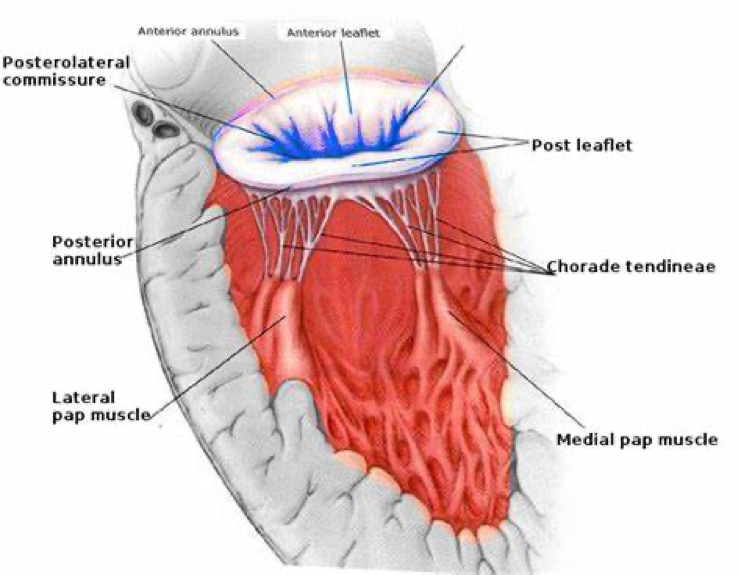
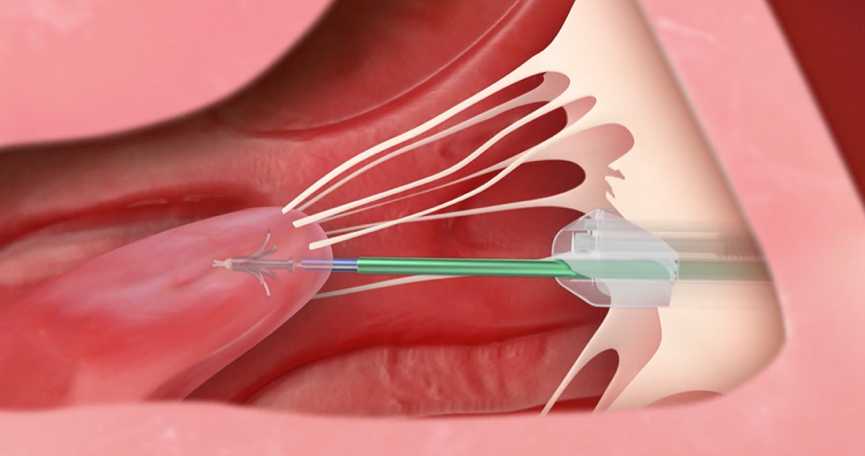
In addition to annuloplasty and/or leaflet surgery, replacement of ruptured chordae is also one of the most commonly used treatment methods in mitral valve surgery. It is also considered the mildest form of structural repair because it "leaves the door open for future treatments." The new chordae are made of ePTFE sutures fixed to the leaflet and papillary muscle to reconnect the structure.
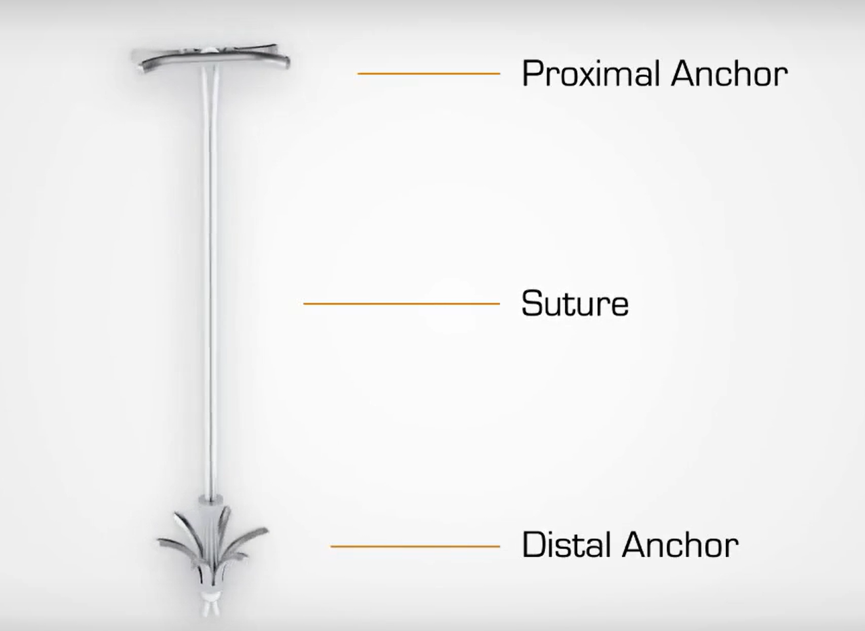
Chordart TMVr System Aims to Improve All Key Parameters of Valve Repair Surgery:
Reduce Patient Trauma
Shorten operation time
Reduce Surgical Complexity
Reduce the operator's dependency
Reduce patient recovery time
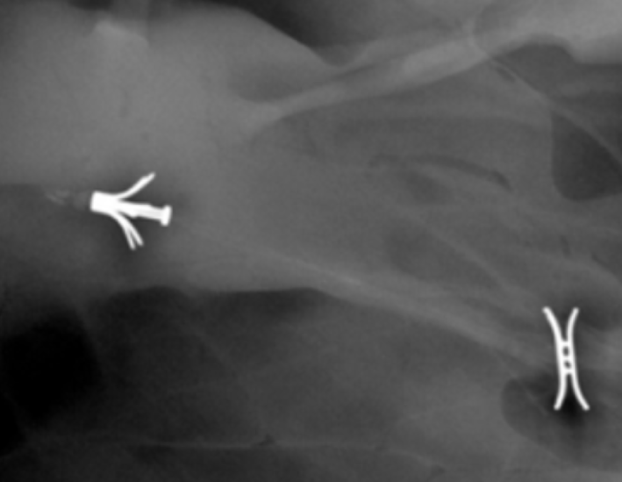
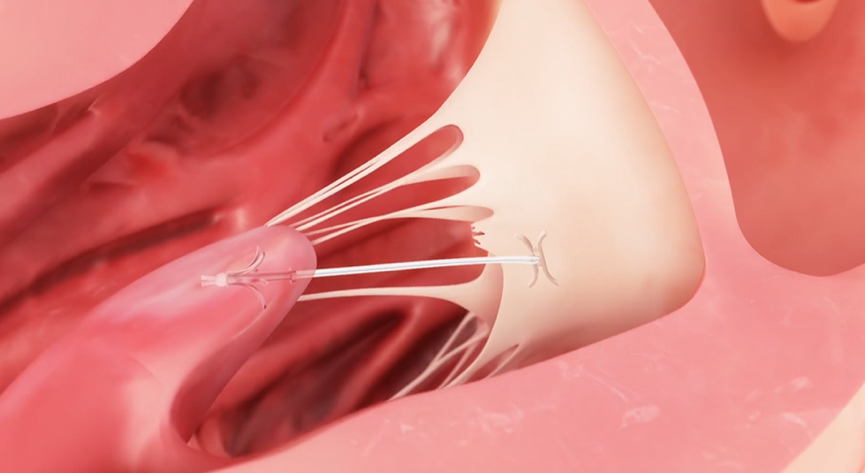
This design allows for the delivery of the implant via a catheter, enabling intervention in high-risk and asymptomatic patients who do not meet the current "gold standard" for open-chest surgery for chordal replacement. The ChordArt implant follows natural principles by anchoring new chords in the same position as the native chords, thereby minimizing interference with the biological valve structure.
About CoreMedic

CoreMedic AG is an independent company established in Bern, Switzerland, in 2012, with the aim of developing innovative treatment concepts for mitral regurgitation (MR). The initiators of CoreMedic had a simple yet highly challenging idea: to integrate minimally invasive treatment options for mitral regurgitation (mitral chordae tendineae replacement) with minimally invasive surgery into a new system: ChordArt.
In 2014, CoreMedic began operations as an independent entity with its own management and facilities.
In 2017, the development of ChordArt made progress and was used in human trials for the first time, enabling CoreMedic to attract institutional financing. The company moved to the RIZ Innovation Center in Radolfzell, Germany, located within the leading medical technology cluster in Tuttlingen, Germany, near Lake Constance on the Swiss border.
In 2018, ChordArt's first-in-human trial successfully concluded, with five years of data confirming the robust therapeutic efficacy of the ChordArt implant for patients with severe MR. CoreMedic Ltd. is relentlessly striving to provide patients with the ChordArt TMVr - System.
The technical opinions in this article do not represent the views of CCI.


CCI Cardiovascular Doctors Innovation Club
Long press the QR code to follow us
Planning: Shen Li /Editor: Chen Baolin
Author: Yun Ye Xuan /Production: Wang Rui