丨Medicine Hunter Club Research Team Compiled
Recently, Novo Nordisk announced the preliminary results of the landmark Phase III cardiovascular outcomes clinical trial SELECT for semaglutide: 2.4mg semaglutide significantly reduced the risk of major adverse cardiovascular events (MACE) by 20% over a period of up to five years; the reduction in MACE risk was unaffected by age, gender, race, or baseline body mass index.The GLP-1 field, which gained popularity due to weight-loss drugs, is now even more in the spotlight because of "cardiovascular" benefits.Due to the wide distribution of GLP-1 receptors in the body, which can act on multiple organs and tissues, semaglutide and tirzepatide are undergoing multi-indication expansions, including NASH, MACE, HFpEF, kidney disease, AD, etc., all of which are therapeutic areas with significant unmet clinical needs.As a novel therapy for cardiovascular-related diseases, how is GLP-1RA progressing? What other significant moves by MNCs are worth paying attention to?GLP-1RA has become an important means in the treatment of cardiovascular disease in guidelines both in China and internationally.
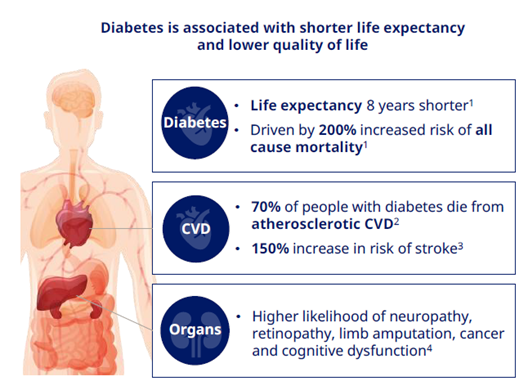
Multiple chronic diseases are closely related to diabetes and obesity. According to the US CDC, three chronic diseases—diabetes, chronic kidney disease, and heart disease—are...Interconnectedness: The aforementioned diseases share similar high-risk factors such as hypertension, hyperglycemia, and obesity. Additionally, hyperglycemia can gradually damage the kidneys, leading to chronic kidney disease (CKD) over time; approximately one-third of adult diabetes patients have CKD. When suffering from CKD, the heart has to work harder to pump blood to the kidneys, which may further lead to heart disease.
Source: Novo Nordisk Official Website
According to the data shown in the "Report on Cardiovascular Health and Diseases in China 2022": It is estimated that there are currently 330 million people suffering from CVD in China, including 11.39 million with coronary heart disease, 13 million with stroke, 8.9 million with heart failure, and 45.3 million with peripheral artery disease; cardiovascular death is the leading cause of death among Chinese residents, with 2 out of every 5 deaths attributed to CVD. An important characteristic of the CVD epidemic in China is the rapid increase in atherosclerotic cardiovascular disease (ASCVD).
The core mechanism of ASCVD onset is atherosclerosis. Studies have shown that GLP-1 can inhibit the formation and progression of atherosclerotic plaques through multiple mechanisms and pathways, including suppressing oxidative stress, reducing small dense low-density lipoprotein, decreasing macrophages and foam cells in the body, improving endothelial function, thereby inhibiting arteriosclerosis and myocardial cell necrosis, which in turn reduces the occurrence of major adverse cardiovascular events.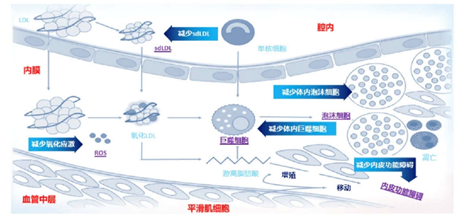
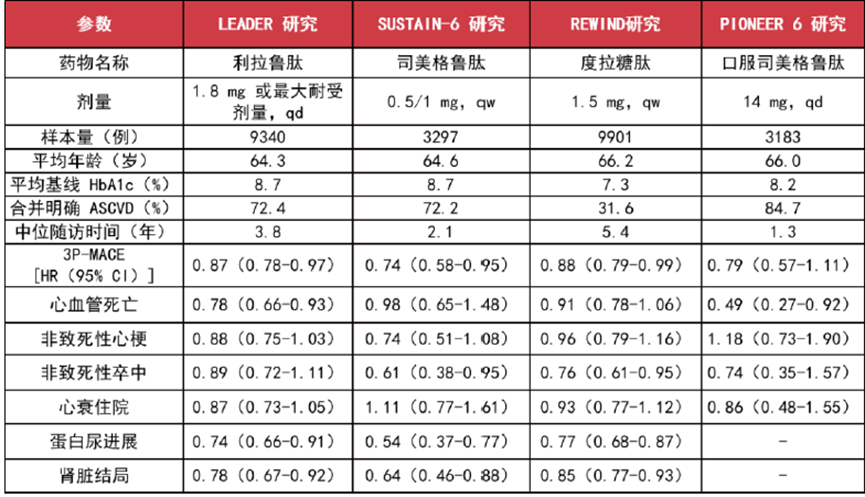
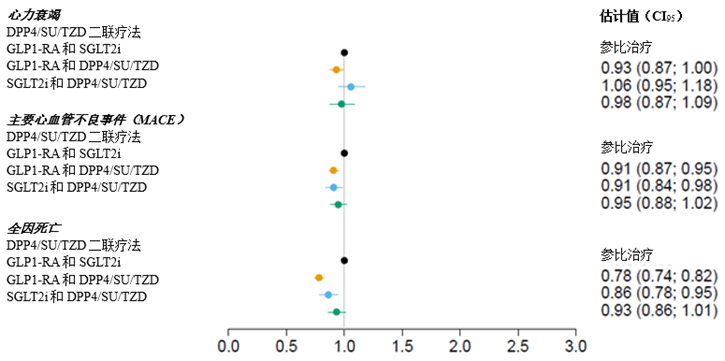
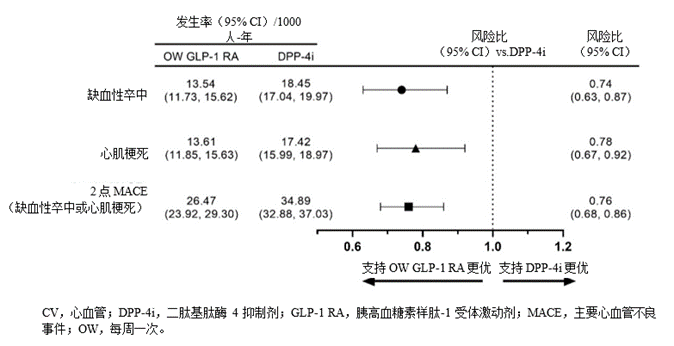
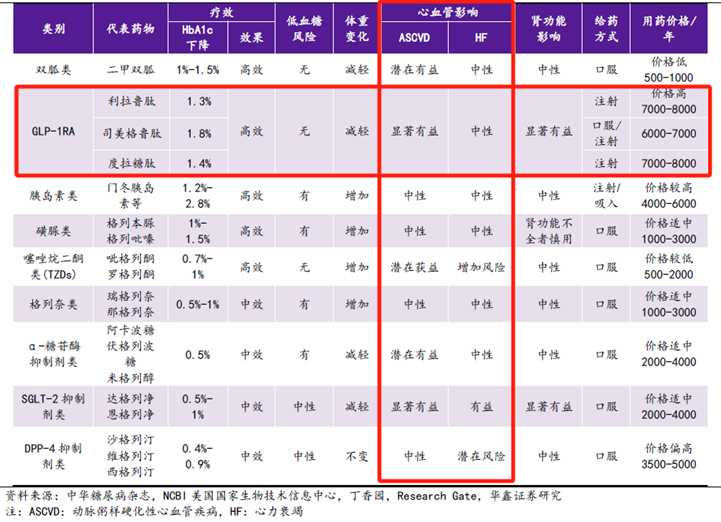
GLP-1RA Inhibits Atherosclerosis Through Multiple PathwaysThe LEADER study (liraglutide), SUSTAIN-6 study (semaglutide), REWIND study (dulaglutide), and PIONEER 6 study (oral semaglutide) are representative CVOT studies of GLP-1RA, confirming the improvement effects of GLP-1RA on cardiovascular and renal outcomes.Research on GLP-1 RA Improving Cardiovascular and Renal Outcomes, Source: Deutsche Bank SecuritiesIn a study involving 87,201 subjects, the benefits of combination therapy with GLP-1 RA and SGLT2i were compared to other dual-drug treatments for type 2 diabetes in terms of heart failure and major adverse cardiovascular events (MACE). The conclusion is:Cardiovascular Outcome Benefits of GLP-1 RA and SGLT2i Combination in Type 2 Diabetes Patients Compared with Other Dual Therapies.5-Year Absolute Risk Ratio, Source: Novo NordiskIn a real-world study, a retrospective study compared the risks of ischemic stroke, myocardial infarction, and major adverse cardiovascular events in adult patients with T2D and ASCVD treated with GLP-1 RA weekly formulations and DPP-4i. The conclusion is:In T2D patients with ASCVD, compared with DPP-4i, the GLP-1 RA weekly formulation significantly reduced the risk of MI and stroke in T2D patients with ASCVD.Comparison of CV Outcomes Risk Between GLP-1 RA Weekly Formulations and DPP-4i Newly Initiated Patients, Source: Novo NordiskCurrently, the commonly used hypoglycemic drug metformin is not as effective as GLP-1RA in terms of weight loss and cardiovascular protection.Comparison of Hypoglycemic Drug Categories and Their Pros and Cons, Source: Huaxin Securities"The Joint Prevention and Management of Diabetes and Cardiovascular Disease (CVD)" is a viewpoint that has been emphasized in multiple authoritative guidelines in China. In the 2019 ESC/EASD guideline updates, particular focus was placed on the necessity of cardiovascular risk stratification, recommending the first-line use of novel hypoglycemic drugs for patients with CVD comorbidities/high risk.It is proposed that GLP-1RA be the first choice for patients with type 2 diabetes who have atherosclerotic cardiovascular disease (ASCVD) or are at high/very high risk of cardiovascular (CV) disease.Or SGLT2i treatment.The Chinese Guideline for the Prevention and Treatment of Type 2 Diabetes (2020 Edition) indicates that for patients with type 2 diabetes mellitus (T2DM) who have atherosclerotic cardiovascular disease (ASCVD) or are at high cardiovascular risk, regardless of whether their HbA1c is under control, GLP-1 receptor agonists (GLP-1RA) with proven ASCVD benefits can be added to metformin therapy as long as there are no contraindications. According to the consensus in "Chinese Expert Recommendations on the Clinical Application of Novel Antihyperglycemic Drugs for Improving Cardiovascular and Renal Outcomes," GLP-1RA treatment in T2DM patients with confirmed or high-risk ASCVD significantly reduces the risk of cardiovascular and renal clinical outcome endpoints, decreases the incidence of stroke and myocardial infarction, and improves quality of life.
GLP-1RA Cardiovascular Competitive Landscape:
Novo Nordisk and Eli Lilly in Fierce Competition, China-Produced Innovative Drugs Also Enter the Market
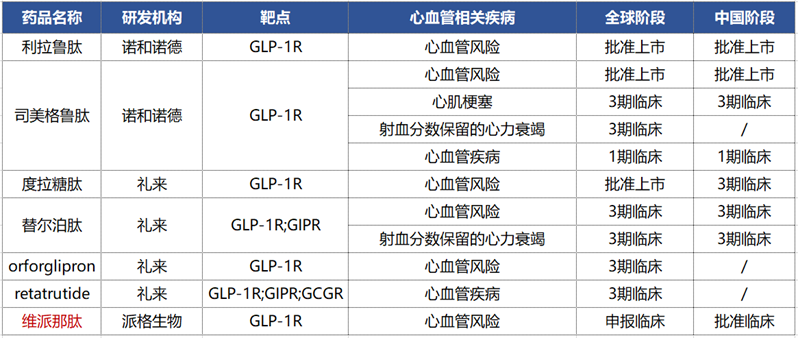
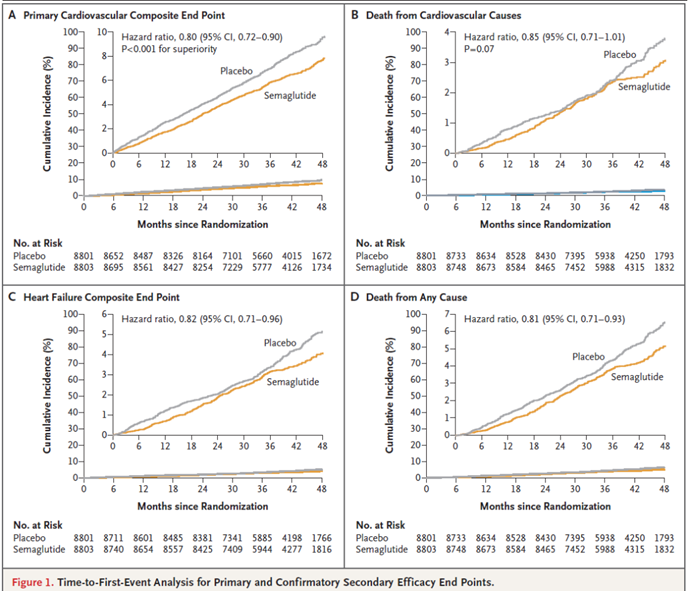
As of now,The number of innovative GLP-1RA drug pipelines globally targeting cardiovascular-related indications is 7., presenting a situation of a duel between Novo Nordisk and Eli Lilly,Only 1 domestically innovative new drug has entered the market., for Pega Bio'sVipanatide。In terms of research progress, liraglutide, semaglutide, and dulagluride have been approved for reducing cardiovascular adverse events in patients with type 2 diabetes who also have cardiovascular disease (CVD). Eli Lilly's tirzepatide and the oral small molecule Orforglipron are in Phase 3 clinical trials. In China, PegBio's VP1 has just been approved for clinical trials.In terms of the number of indications, semaglutide is leading, with indications including myocardial infarction, heart failure with preserved ejection fraction, and cardiovascular diseases, all at advanced clinical stages. Following that, tirzepatide has two CVD indications, both in phase III research.Global Pipeline of GLP-1 Innovations for Cardiovascular-Related IndicationsIn China, except for GLP-1RA innovative drugs, the exploration of indications other than diabetes and obesity has not yet been initiated for generic drugs like semaglutide.Semaglutide: While reducing body weight, it significantly reduces the risk of adverse cardiovascular events by 20%.At the recently held 2023 American Heart Association Annual Meeting, Novo Nordisk announced the latest phase III clinical trial data (SELECT) on cardiovascular benefits of the long-acting GLP-1 receptor agonist semaglutide at a dose of 2.4mg.The study included a total of 17,604 participants who were overweight or obese with cardiovascular disease but did not have diabetes. They were divided into the semaglutide treatment group (8,803 participants) and the placebo group (8,801 participants). The results showed that, compared with placebo, 2.4mg of semaglutide significantly reduced the risk of major adverse cardiovascular events (MACE) by 20% over a period of up to five years (p<0.001).According to the report, the risk of MACE was reduced regardless of age, gender, race, and initial low body mass index (BMI). In addition, the beneficial effect of reducing MACE risk became apparent shortly after the start of treatment, suggesting that if the cardiovascular effects were entirely mediated by the weight loss effect of 2.4mg semaglutide, this effect would be faster than expected.Moreover, analysis of the three components of MACE showed that, compared with placebo, the risk of non-fatal myocardial infarction or heart attack was reduced by 28%, the risk of cardiovascular death was reduced by 15%, and the risk of non-fatal stroke was reduced by 7%.Secondary endpoints showed an 18% reduction in the risk of composite heart failure events, including cardiovascular death, emergency heart failure visits, and hospitalizations, and a 19% reduction in the risk of death compared to placebo.In the trial, semaglutide demonstrated safety and tolerability consistent with previous trials.Notably, the SELECT trial is one of the largest and longest studies investigating GLP-1 in adults. As early as three months ago, Novo Nordisk had already released the primary data from this study and announced that it had submitted a label update for Wegovy to the U.S. and EU regions. The update targets an indication for reducing the risk of major adverse cardiovascular events in adults with a BMI ≥27 who have confirmed cardiovascular disease. Regulatory agencies are expected to make a decision in 2024, and currently, the FDA has granted priority review status for adding the SELECT data to the Wegovy label.For Heart FailureAt this year's European Society of Cardiology Congress, Novo Nordisk announced that the mean change in KCCQ-CSS (Kansas City Cardiomyopathy Questionnaire Clinical Summary Score) was 16.6 points for the semaglutide treatment group and 8.7 points for the placebo group. Semaglutide may provide a new treatment option for patients with cardiovascular disease. This is a 52-week Phase III clinical trial, STEP-HFpEF, designed to evaluate the effects of 2.4mg semaglutide on physical function, symptoms, and body weight in patients with heart failure with preserved ejection fraction.Tirzepatide: Improves clinical outcomes in chronic heart failure with HFpEFTirzepatide is undergoing the Phase III study SUMMIT for the treatment of HFpEF. This study is an international, multicenter, randomized, double-blind, controlled Phase III trial currently evaluating functional and symptomatic endpoints as well as clinical outcomes of heart failure.By reducing weight, epicardial fat, volume overload, fibrosis, and inflammation, tirzepatide addresses key factors associated with obesity-related HFpEF, potentially leading to improved clinical outcomes.It is expected thatResearch onJuly 2024 End。Vipanatide: The first domestically-produced GLP-1 innovative drug targeting cardiovascular diseases Peptide Bio's self-developed new-generation long-acting GLP-1 receptor agonist, VIPERATIDE, submitted a Class 1 New Drug Marketing Application to the Center for Drug Evaluation (CDE) of the China National Medical Products Administration (NMPA) in September 2023 for the treatment of type 2 diabetes.To date, Vipadenant has completed four Phase I, two Phase II, and two Phase III clinical studies in China and the United States. The study results have demonstrated its excellent performance in both efficacy and safety. In addition, Vipadenant Injection has its unique advantages, such as no need for titration, once-weekly administration, and subcutaneous delivery via a single-use, pre-filled autoinjector pen, which can significantly improve patient medication adherence and quality of life.For cardiovascular clinical research,VipanatideRecently approved for clinical use in China.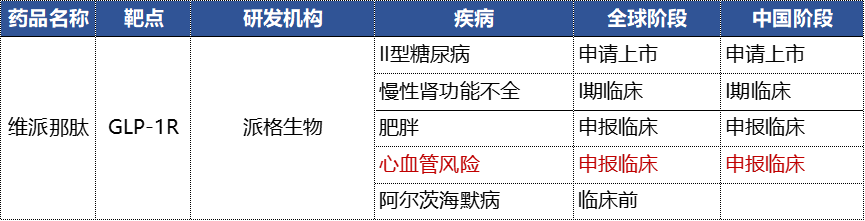
Vipadenant Clinical Indications Under ResearchDouble Down on Cardiovascular Field, Build Moat Around GLP-1
In the layout of GLP-1, the steps of MNCs such as Novo Nordisk have always been the industry's weathervane.
Weight loss is the first successful crossover field for semaglutide. In November this year, the publication of the cardiovascular Phase III clinical trial SELECT results has elevated this drug to legendary status.Focusing on the layout of GLP-1 for chronic diseases such as cardiovascular conditions to build a deeper moat is Novo Nordisk's primary strategy at present, for which Novo Nordisk has engaged in some mergers and acquisitions.In November 2023, Novo Nordisk A/S announced an investment of more than 42 billion Danish kroner (approximately 6 billion US dollars) to expand its existing production facilities in Kalundborg, Denmark, for the current and future portfolio of serious chronic disease products.October 18, 2023Novo NordiskWill be translated asKBP BiosciencesAcquisition Without ControlHypertension Treatment Drug Ocedurenone, with a transaction amount as high as 1.3 billion US dollars. Ocedurenone is an oral, small-molecule, non-steroidal mineralocorticoid receptor antagonist, currently undergoing Phase 3 clinical trials for patients with uncontrolled hypertension and advanced chronic kidney disease.Regarding this purchase, the person in charge of Novo Nordisk stated,The inclusion of Ocedurenone will further enhance Novo Nordisk's current development programs in the fields of cardiovascular disease and chronic kidney disease., which aligns with Novo Nordisk's strategic focus of expanding from the core area of diabetes into other serious chronic disease fields.This is not the first time Novo Nordisk has made a significant investment in the cardiovascular field. In September this year, Novo Nordisk partnered with a U.S. technology company.Valo
HealthReach an agreement to leverage artificial intelligence (AI) to discover and develop treatments for cardiometabolic diseases such as heart disease, stroke, and diabetes. The total value of this deal amounts to up to 2.7 billion US dollars.This collaboration mainly focuses on leveraging Valo's Opal computational platform and real-world patient datasets to discover and develop new cardiometabolic drugs. Novo Nordisk has licensed Valo to use the Opal computational platform to develop three preclinical drugs for cardiovascular diseases.Also in September this year, Novo Nordisk andBroad InstituteReach a cooperation agreement, committed to discovering new targets for type 2 diabetes and cardiometabolic diseases.Also in September this year, Novo Nordisk announced a collaboration with Evotec to launch the drug discovery accelerator LAB eN², aiming to address the innovation gap in cardiometabolic diseases.LAB eN² is a unique collaboration model that combines Evotec's multimodal drug discovery capabilities with Novo Nordisk's clinical, therapeutic, and commercial expertise to accelerate drug development. Currently, LAB eN² has partnered with four academic institutions: Harvard University, Massachusetts General Brigham, Yale University, and Beth Israel Deaconess Medical Center. LAB eN² will provide these institutions with funding, expertise, and technology, while Novo Nordisk retains the option to select certain candidate therapeutic products for further investment and development.Another MNC worth looking at isAstraZenecaAs good news about GLP-1 continues to emerge within the industry, AstraZeneca faces the situation of cutting its GLP-1 pipeline, which inevitably appears somewhat disheartening in comparison. In April this year, the company announced the termination of Cotadutide, a once-daily GLP-1R/GCGR agonist; in June, AstraZeneca abandoned an oral GLP-1 agonist, AZD0186.Repeated failures have not shaken the confidence of this MNC.AstraZeneca demonstrated foresight by entering into a licensing agreement with Chime Biologics in November this year for a novel drug targeting cardiometabolic diseases and obesity, introducing the latter's small molecule GLP-1RA ECC5004.ECC5004 is a once-daily oral GLP-1 receptor agonist (GLP-1RA) in clinical research for the treatment of obesity, type 2 diabetes, and other cardiometabolic diseases.Sharon Barr, Executive Vice President of AstraZeneca and Head of Biopharmaceuticals R&D, stated that with over a billion people now living with cardiometabolic diseases and obesity, there is an urgent need to continue innovating and developing the next generation of treatments. The Phase I clinical data from Chime Biologics is highly promising. We believe this oral small molecule GLP-1 receptor agonist has the potential to provide an alternative to current injectable therapies, either as a potential standalone treatment or for combination therapy in various cardiometabolic conditions, including type 2 diabetes and obesity.
Source:Medical Time, Medical Community, Novo Nordisk Medical Information, Huaxin Securities
Featured Article Recommendations
Disclaimer
1. All information provided by the "Drug Hunter Club" is for reference only and should not be used as a basis for any commercial transactions or medical services. If there are any discrepancies resulting from the independent use of the content from the "Drug Hunter Club," our company will not assume any responsibility, including but not limited to legal liability or compensation.
2. "Drug Hunter Club" is committed to providing reasonable, accurate, and complete information, but does not guarantee the reasonableness, accuracy, or completeness of the information, and shall not be liable for any loss or damage caused by unreasonable, inaccurate, or omitted information.
3. Some articles in the "Drug Hunter Club" section are reproduced from the Internet for the purpose of conveying more information, and do not imply agreement with or verification of the authenticity of their content. If you have any questions about the content, please contact our company in a timely manner.
4. For issues not covered in this statement, please refer to relevant national laws and regulations. In case of any conflict between this statement and national laws and regulations, the latter shall prevail.