

GE Healthcare China Launches First Digital Health Innovation Hub to Accelerate 'Dual Circulation' Medical Ecosystem

GE Healthcare
Digital Solution Provider
On November 16, GE Healthcare China's third "Innovation Center" officially opened in Zhangjiang, Pudong, Shanghai, marking a new chapter in GE Healthcare's development in Pudong.
As a member of the Pudong Large Enterprise Open Innovation Center (GOI), Shanghai "Innovation Center" will focus on digital healthcare technology and application innovation, serving as the "intelligent brain" empowering GE Healthcare China's R&D, an incubation platform supporting specialized and innovative enterprises, and a one-stop platform accelerating the transformation of digital healthcare achievements.
Shanghai "Innovation Center," as GE Healthcare China's first innovation platform focused on digital healthcare, will accelerate the construction of a local medical innovation ecosystem and promote the "two-way convergence" of digital technology and clinical applications around four aspects: "global + China" original innovation, integration of digital and physical, industry-university-research-application, and innovation incubation.
"We believe that in the next decade, the changes in the healthcare industry will surpass those of the past century. The fundamental reason for this change lies in digital healthcare, artificial intelligence, cloud platforms, and big data. Therefore, we hope to seize this opportunity to drive revolutionary changes in the healthcare field." Zhang Yihao, Global Executive Vice President of GE Healthcare, President and CEO of GE Healthcare China, explained the reason why the Shanghai "Innovation Center" is focused on digital healthcare.
Shanghai "Innovation Center" covers an area of 4,000 square meters in its initial phase, making it the largest and most comprehensive innovation entity among GE Healthcare's three Innovation Centers. Currently, the center houses 100 R&D experts and has welcomed its first four digital technology companies. The Shanghai "Innovation Center" will continue to empower GE Healthcare's 1,800 R&D engineers in China through digital innovation, acting as the "innovation brain" driving GE Healthcare’s R&D efforts in China. It will also collaborate with ecosystem partners to explore the implementation of cutting-edge digital technologies and integrated diagnosis-treatment solutions.
"I'm looking forward to the Shanghai 'Innovation Center' working in synergy with the innovation centers in Beijing and Wuxi, as well as GE Healthcare's major production bases across China, to continuously advance digital healthcare innovation."Peter J. Arduini, President and CEO of GE HealthcareAt the opening ceremony of the "Innovation Center" in Shanghai, it was stated: "China's economy is resilient and holds immense potential. The medical market continues to expand, with increasing demands from both healthcare providers and patients. The government keeps introducing favorable policies to promote growth. Because of this, I can confidently say that GE Healthcare will always be committed to long-term development and investment in China, and will continuously strive to meet the diverse healthcare needs of China's 1.4 billion people."
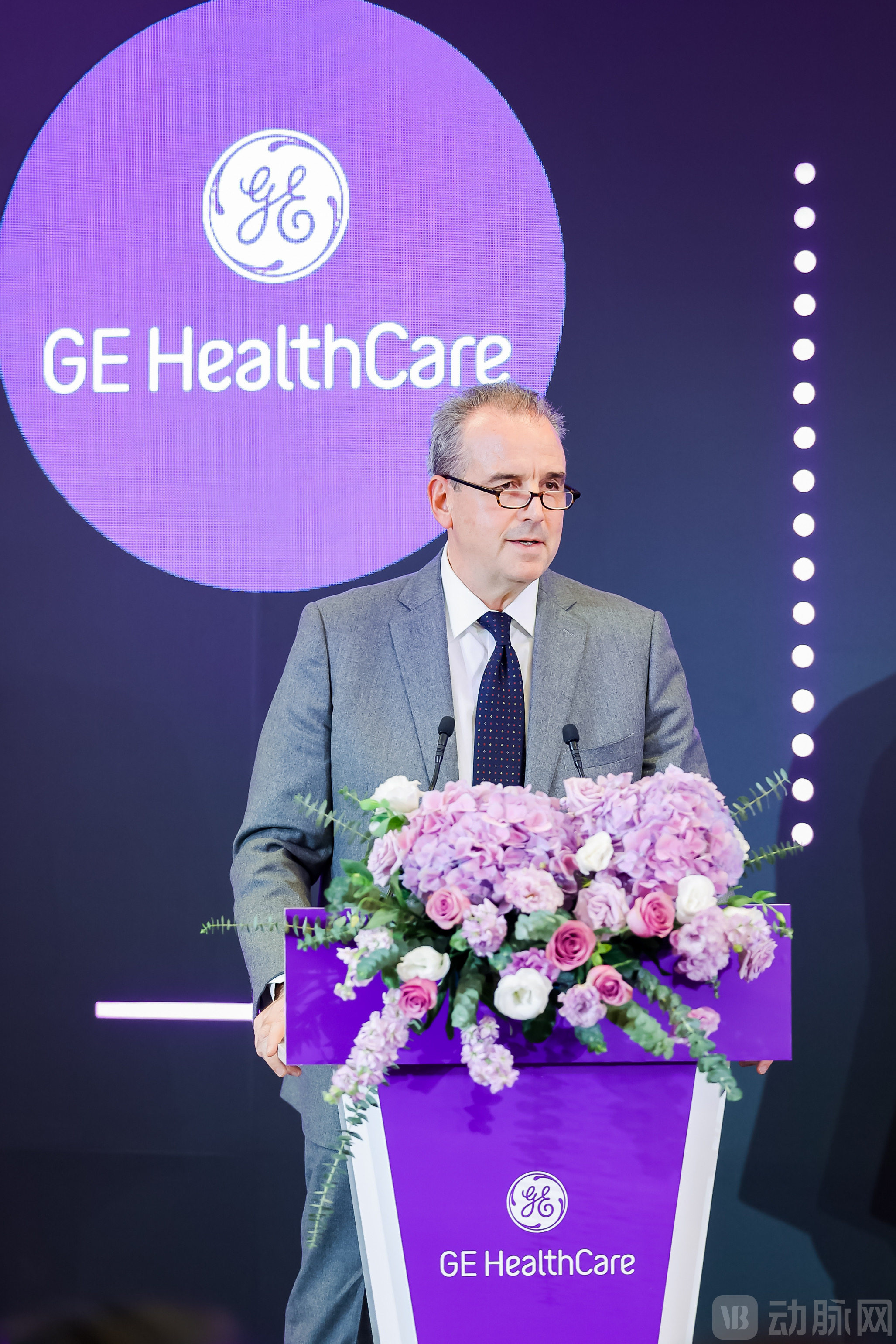
GE Healthcare Global President and CEO Peter J. Arduini Delivers Opening Ceremony Speech
In the opening speech,Wu Qiang, Deputy District Governor of Pudong New Area and Deputy Director of the Administration Committee of China (Shanghai) Pilot Free Trade ZoneExpressed warm congratulations on the establishment of Shanghai's "Innovation Center." "The establishment of Shanghai's Innovation Center is undoubtedly another significant strategic investment by GE Healthcare in China, as well as another important platform within Pudong's large enterprise open innovation center initiative," said Wu Qiang. He expressed hopes that after joining the large enterprise open innovation center initiative, GE Healthcare would engage in more open innovation, empower more innovative entities, and promote the cultivation and development of Pudong’s tropical rainforest-like innovation ecosystem, making greater contributions to China’s healthcare industry and global health.
"Innovation is our inherent DNA," Zhang Yihao emphasized at the opening ceremony, highlighting the importance of innovation to GE Healthcare. From GE Healthcare's founder Edison, to five Nobel Prize winners throughout history, to the world's first vascular image, the first generation of X-ray machines, the first CT scanner, and the first full-body MRI equipment, GE Healthcare has continuously contributed to medical innovation. To date, GE Healthcare has become one of the international companies with the strongest production capabilities in China and the most innovative achievements in China's healthcare industry.
In the future, how will GE Healthcare continue to deepen its presence in the Chinese market and consistently drive innovation? Zhang Yihao, Global Executive Vice President of GE Healthcare, President and CEO of GE Healthcare China, provided the answer.
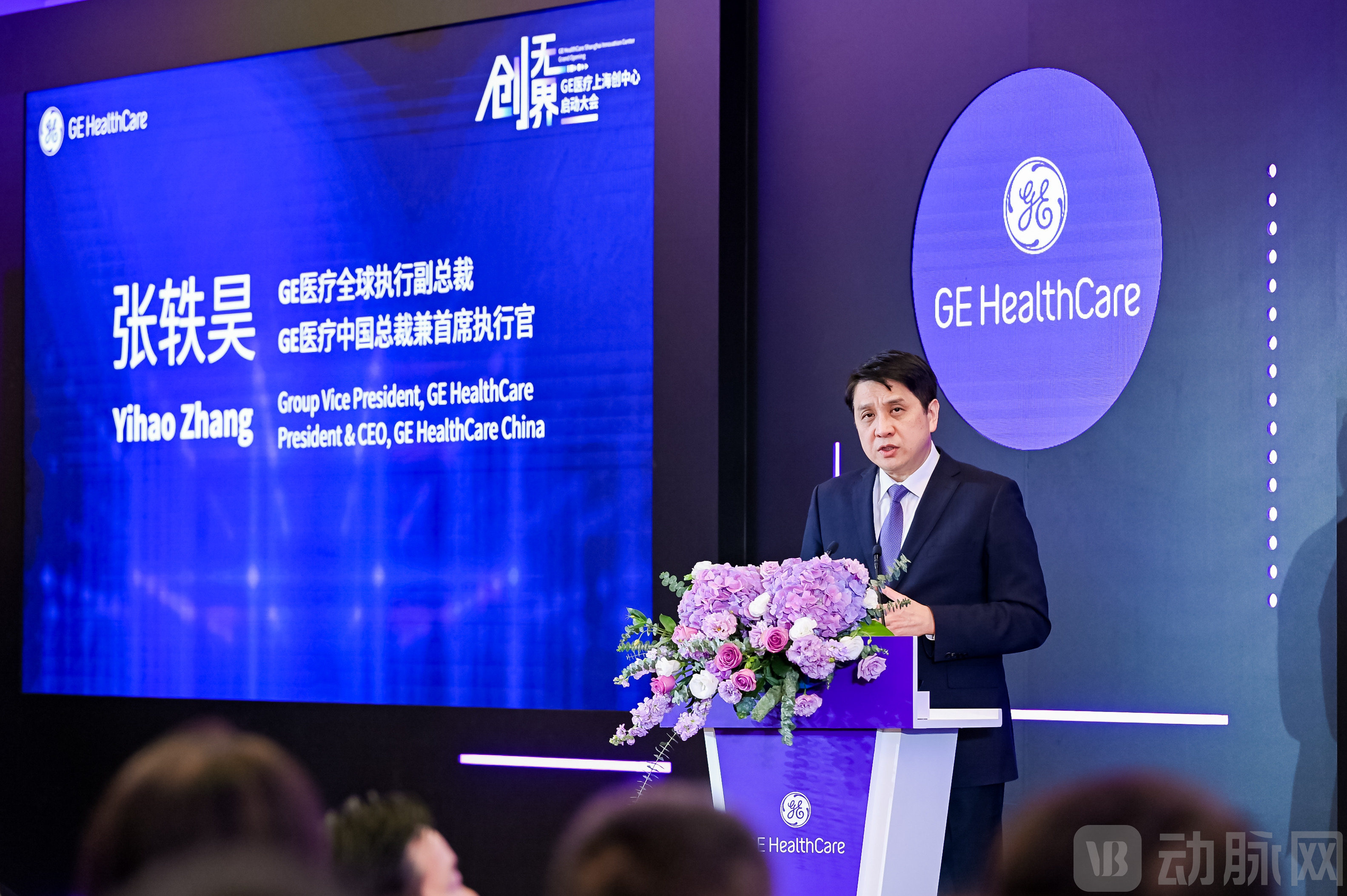
GE Healthcare Global Executive Vice President, China President and CEO Zhang Yihao Delivers Opening Ceremony Speech
Innovation in the future must be rooted in local innovation. "In China, there are many similar regional innovation centers, but they often encounter a challenge – how to innovate with a focus on local needs and Chinese customers," Zhang Yihao pointed out. "We found that one of the reasons many regional innovation centers struggle to succeed is because the research and development priorities, along with the R&D personnel, are located abroad, ultimately turning these centers into simple incubators."
"GE Healthcare's 'Innovation Center' was specifically designed to address this challenge," explained Zhang Yihao. GE Healthcare established its first office in China in Beijing in 1986 and built its first local factory, "GE Hangwei" (Hangwei General Electric Medical Systems Co., Ltd.), through a joint venture with the former Ministry of Aerospace Industry and the Ministry of Health in 1991. To date, GE Healthcare has set up more than 30 offices across China and created three major "Innovation Centers" in Beijing, Wuxi, and Shanghai, employing over 7,000 staff. Currently, GE Healthcare has 1,800 R&D engineers in China, working alongside its six bases and seven factories in the country (the sixth production base, a joint venture with Sinopharm, is under construction in Shenzhen). This enables rapid transformation of conceptual innovations into locally implemented innovations. Since 2011, GE Healthcare has led the development and launch of nearly 110 innovative products in China.
In China, GE Healthcare continues to implement the strategy of "comprehensive localization, boundaryless innovation, and win-win cooperation" to enhance the accessibility of precision medicine and high-quality medical resources, supporting the construction of "Healthy China 2030." As one of the earliest multinational companies to initiate localization in China, GE Healthcare has built a "comprehensive localization" capability that covers everything from basic to high-end products.
Innovations in the future must be effective innovations. Zhang Yihao emphasized that innovations in the medical field must address the real needs of doctors and patients, originate from clinical practice and return to clinical practice, be results-oriented, and better serve doctors and patients.
"We don't just bring existing products into the market; instead, after identifying unmet medical needs, we look for partners to solve these problems together," explained Zhang Yihao. GE Healthcare found that 70% of hospitals in rural China lack mammography machines, and even when they do have them, most medical staff don't know how to use them correctly. To address this challenge, GE Healthcare co-developed an AI-powered mammography machine with an AI company.
On October 17, the 1,000th China-produced intelligent mammography machine, Senographe Crystal Nova, was delivered in Beijing, marking a breakthrough achievement in GE Healthcare's strategy in China. Some of these machines will be deployed in rural areas of China to empower grassroots doctors who lack experience in breast cancer diagnosis. With the help of AI-assisted diagnosis, potential cancer patients can be screened, promoting the availability of high-quality medical resources at the grassroots level.
Shanghai "Innovation Center" will further empower the entire R&D team in China to produce smarter, more user-friendly, and more accessible products. "Our products must truly ensure that doctors from tertiary hospitals, grassroots hospitals, or rural health centers can all use them, which will help achieve the goal of ‘Major diseases treated without leaving the county’ in the ‘Healthy China 2030 Strategy.’ Ultimately, we hope to use a technological approach to address the current imbalance in medical resources in China," said Zhang Yihao.
Innovation in the future must be boundary-less integration. Zhang Yihao pointed out that innovation is not about working in isolation; it must be open, cooperative, and shared.
On April 26, 2023, Beijing Economic and Technological Development Zone officially designated GE Healthcare's Beijing "Creation Center" as the first technology enterprise incubator in the medical and health sector within the zone — the "GE Healthcare Innovation Incubation Platform," marking the first implementation of the "Boundless Innovation" strategic concept.
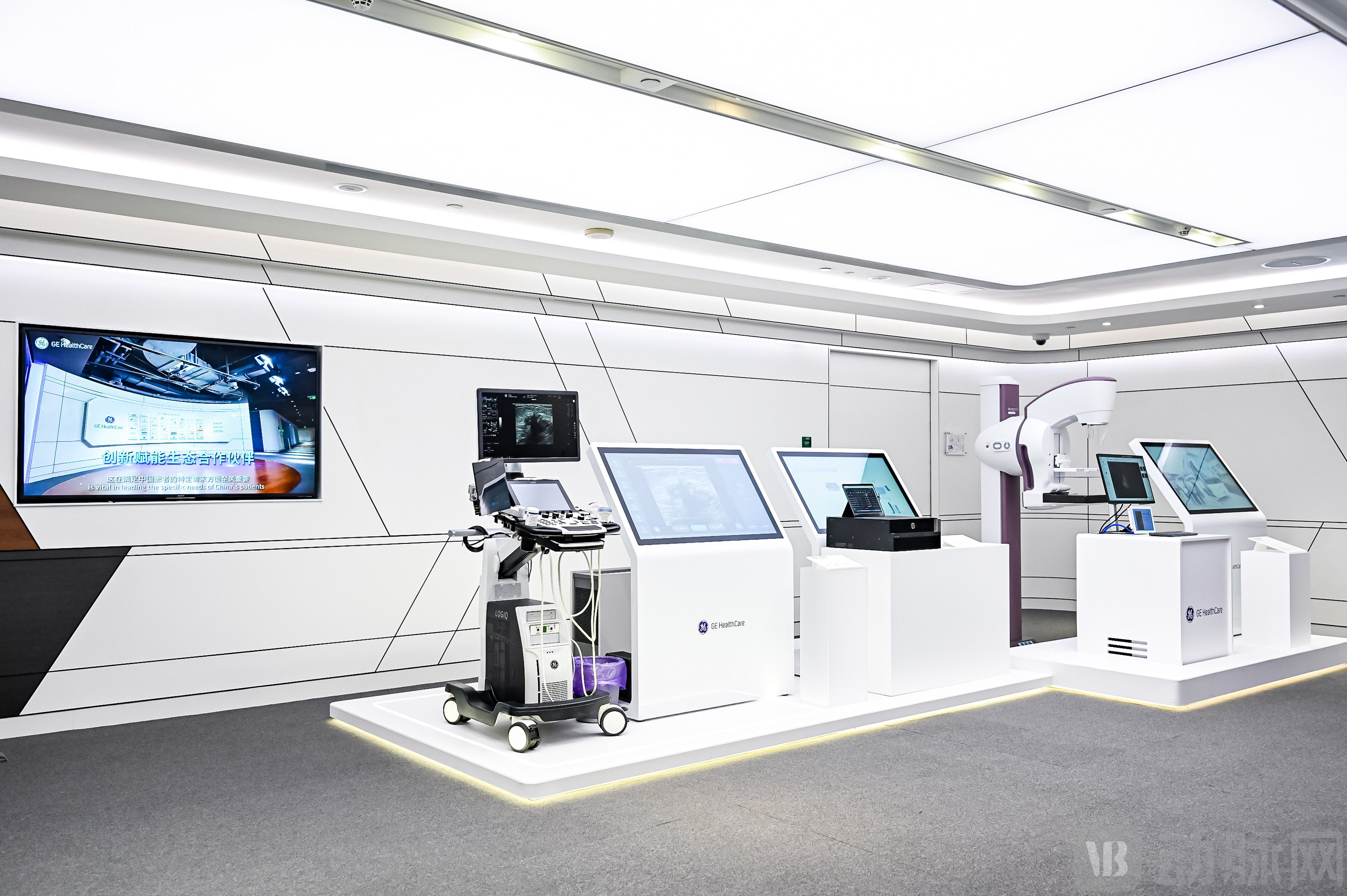 GE Healthcare Shanghai "Innovation Center"
Now, the establishment of Shanghai "Innovation Center" has become another milestone for GE Healthcare to advance its "Boundless Innovation" strategy. The Shanghai "Innovation Center" will collaborate with partners from various fields such as research institutes, medical institutions, universities, and digital healthcare companies to empower specialized, refined, distinctive, and innovative enterprises in accelerating the transformation of digital healthcare achievements.
Since 2021, GE Healthcare has implemented a "one layout per year" strategy, launching three innovation centers in Beijing, Wuxi, and Shanghai over three consecutive years. Each of the three innovation centers focuses on a specific area, leveraging their respective strengths to build incubation platforms targeting the supply chain, imaging chain, and digital chain. Currently, GE Healthcare's innovation centers have collaborated with over 40 partners from various fields. Specifically, in the field of artificial intelligence alone, more than 30 digital products/technologies have been integrated for innovative development and put into clinical use.
In the future, GE Healthcare's "Innovation Center" will work with ecosystem partners to co-create boundaryless healthcare, boost the construction of Shanghai's innovation hub, drive the integrated development of the Yangtze River Delta, serve more doctors and patients in China, and truly fulfill the original mission of "caring for every pivotal moment in the lives of the Chinese people."