

Billion-Dollar Market Gap Being Filled: Haihe’s Novel DFU Drug Enters the Arena as Hansoh, Tianda Tianqing Join the Race

Haihe Biopharma
Developer of Innovative Anti-Tumor Drugs

Aurealis Therapeutics
Biopharmaceutical Manufacturer

Xbiome
AI Drug Developer for Gut Microbiota

ANTEROGEN
Rare Disease Drug Research, Development, and Manufacturing

Energenesis Biomedical
New Drug Developer

PolarityTE
Developer of Regenerative Tissue Products and Biomaterials

ProteLight Pharma
Developer of Innovative Antimicrobial Peptide (AMP) Therapeutics

CHIATAI TIANQING
High-quality pharmaceuticals research, production, and sales provider

Welcome to follow CAYLANTHE PHARM
Recently, HaiHe Biopharma Co., Ltd. and Taiwan's CHIATAI TIANQING jointly developedInnovative Class 1.1 Natural Drug "Subeone®"(Research and development code name: ON101) was approved by the NMPA on November 9, 2023 for marketing in China to treat diabetic foot ulcers (DFU). The R&D period of ON101 lasted 15 years, making it the first targeted new drug specifically for diabetic foot ulcers; currently, the company is negotiating domestic marketing authorization with multiple pharmaceutical enterprises and aims to launch the product as soon as possible to meet the urgent medical needs of patients with diabetic foot ulcers.
Coincidentally, Aurealis Therapeutics' genetically engineered bacterial drug AUP1602-C has received the CDE clinical trial implied permission, intended for the treatment of diabetic foot ulcers. The drug's authorization in China was obtained by Xbiome Biotech through an agreement.$139 millionThe important progress of the two drugs will play a promoting role in solving the stubborn problem of diabetic foot ulcers.
One
About Diabetic Foot Ulcers
Diabetic Foot (DF) is a condition in which diabetic patients, due to neuropathy and various degrees of peripheral vascular disease, experience insufficient blood supply to the lower limbs, leading to infection, ulcers, and deep tissue damage. From the perspective of Traditional Chinese Medicine, diabetic foot falls under the category of "gangrene," where heat toxins scorch the skin, resulting in ulcers. As one of the most common complications of diabetes, diabetic foot currently cannot be cured; only wound protection and infection control are possible, but often with unsatisfactory results, making it a major cause of amputation for many patients. According to statistics,Approximately 3% to 6% of diabetic patients develop foot ulcers each year.,Among them, 70% of patients require surgical treatment.In Europe and the United States, 40%-70% of lower limb amputations are related to diabetes, and in the United States, there are more than 50,000 diabetes-related amputation surgeries each year.The amputation rate for diabetes in China is between 14% and 22%.
According to the "China Health Statistics Yearbook," the prevalence of diabetes in China was 5.31% in 2018 and showed a rapidly increasing trend; data from the "Global Diabetes Atlas (10th Edition)" published by the International Diabetes Federation indicates that there were approximately 141 million people aged 20-79 with diabetes in China in 2021, and this number is expected to increase to 174 million by 2045.
According to the "Chinese Diabetic Foot Treatment Guidelines (2020)", the prevalence rate of foot ulcers in diabetic patients is 4%-10%, and the incidence rate of new ulcers in diabetic patients within one year is 8.1%.The incidence rate of new ulcers in patients with diabetic foot ulcers within 1 year is 31.6%.Moreover, the recurrence rate of diabetic foot ulcers is relatively high, with a recurrence rate of over 50% after three years, significantly impacting the patient's quality of life.
The occurrence and development of diabetic foot ulcers are influenced by various factors, among which peripheral neuropathy, peripheral arterial disease, and local tissue infection are the most critical influencing factors inducing the onset of diabetic foot ulcers.The pathogenesis is that after the pancreatic β cells are damaged, the body's adenosine triphosphate (ATP) and insulin secretion decrease, leading to prolonged non-healing of foot ulcers. This condition can easily cause vascular stenosis and vascular endothelial injury, and in severe cases, osteomyelitis may occur, resulting in serious bone destruction.
Two
Guideline-Recommended Treatment Principles
In the 2019 edition of the "Chinese Guidelines for the Prevention and Treatment of Diabetic Foot," a simple and practical clinical handling procedure was provided for the first time:
First, conduct a comprehensive assessment of the overall physical condition and foot condition of patients with diabetic foot. The foot assessment includes the blood supply status of the foot, ulcer size, depth, whether the ulcer is accompanied by infection, and the severity of the infection, etc.
Classification and Assessment of Diabetic Foot Ulcers: Etiological Classification, Nature Classification, followed by Grading and Staging, and finally selecting appropriate treatment methods based on the grading and staging.
Treatment Principles: Thorough and effective debridement is directly related to wound healing. The timing of debridement should be accurately determined based on different types of wounds. Physical debridement is the foundation of wound treatment, but when physical debridement is not suitable, other methods such as autolytic debridement, enzymatic debridement, traditional dressing debridement, and maggot debridement can be chosen. The pressure relief treatment for diabetic foot ulcers should adhere to the principles of individualization and continuity. A patient-acceptable pressure relief plan should be formulated considering the patient's foot infection status, lower limb ischemia status, personal preferences, and the type of ulcer.
Three
Treatment Costs and Market Size of Diabetic Foot
In developed countries, diabetic foot accounts for 12% to 15% of diabetes-related healthcare resources., one-third of the medical expenses for diabetes in the United States are spent on patients with diabetic foot; andAs high as 40% in developing countriesAccording to the statistics from PharmaTimes, the average hospitalization cost for DFU patients in China is 26,610 yuan, while the hospitalization cost for amputee patients is 49,456 yuan.
According to the market research report by Grand View Research, the global market size for diabetic foot ulcers was $3.6 billion in 2017 and is expected to grow annually between 2019 and 2025.8.2%at a rate of growth.
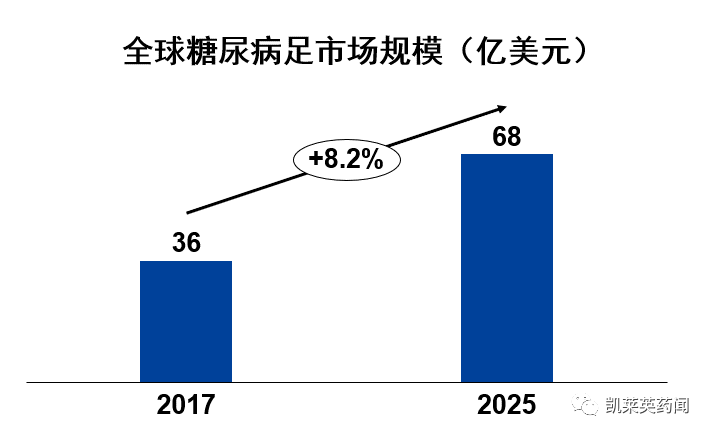
Data Source: Grand View Research, PharmTimes
Four
Collaboration on Diabetic Foot
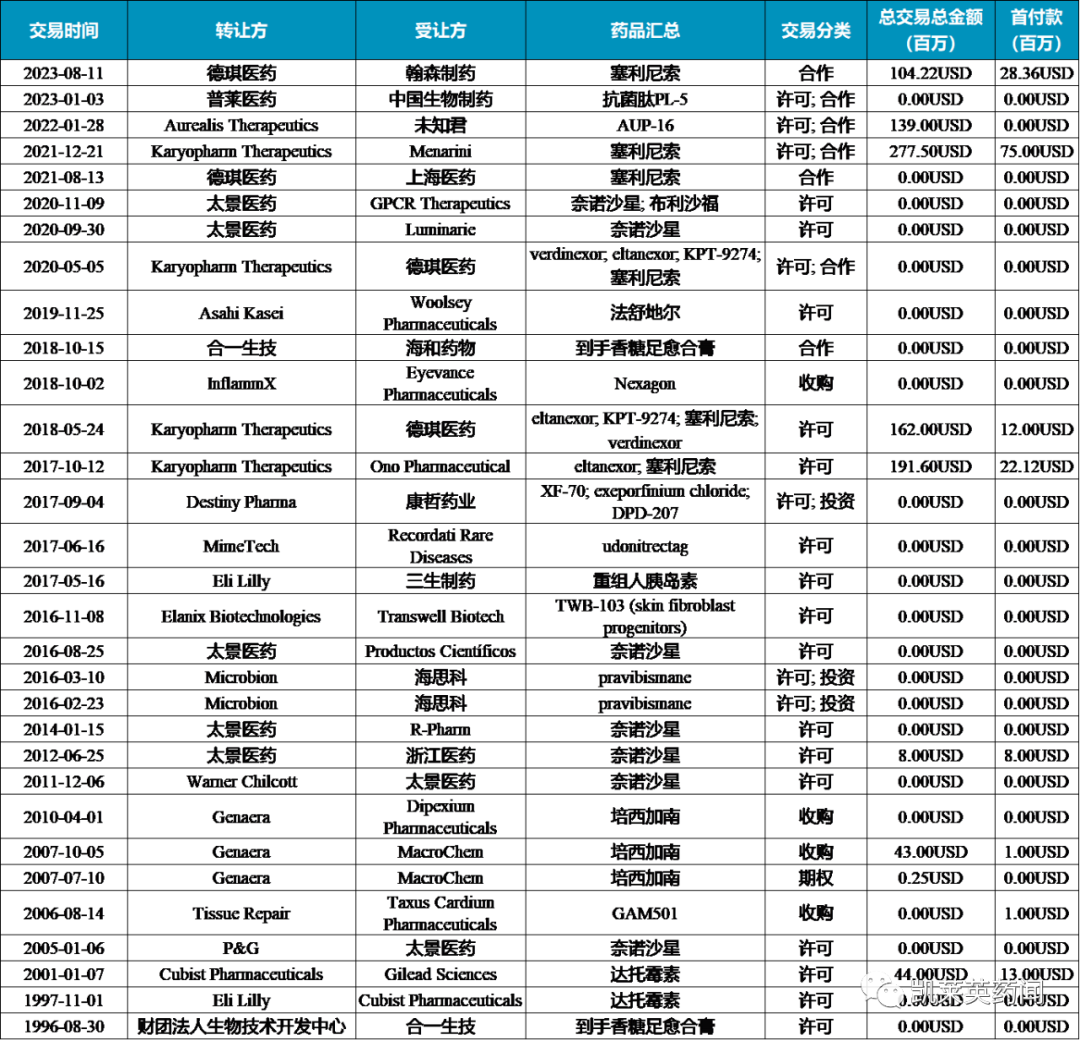
In view of the huge market share of diabetic foot, in recent years, many enterprises have reached cooperation in this field, including Hansoh Pharma, China Biologic Products, 3SBio, HaiHe Biopharma, Haisco and others. Among them:
In January 2022, Xbiome entered into an exclusive collaboration and licensing agreement with Aurealis Therapeutics for the development and commercialization of AUP-16 in the Greater China region. According to the terms of the agreement, Xbiome will obtain exclusive rights to develop and commercialize AUP-16 for all potential indications (such as diabetic foot ulcers, other chronic wounds, and inflammatory diseases) in the Greater China region (including mainland China, Hong Kong, Macao, and Taiwan). In return, Aurealis is eligible to receive up to...USD 139 Million Payment, as well as future related tiered royalties, etc.
In January 2023, CHIATAI TIANQING, a subsidiary of China Biologic Products, signed an exclusive commercial cooperation agreement in China with Jiangsu Pulei Pharmaceuticals for the antimicrobial peptide product PL-5, used to treat secondary wound infections. This collaboration will leverage China Biologic Products' strong commercial promotion and sales capabilities to help PL-5 benefit Chinese patients suffering from secondary wound infections as soon as possible.
Transactions Related to Diabetic Foot Medications
Five
Introduction to the Treatment and Key Drugs for Diabetic Foot
Advocate the use of negative pressure wound therapy, debridement, and hyperbaric oxygen therapy in the clinical treatment of diabetic foot ulcers. For patients with abnormal nerve conduction and sensory neuropathy, alpha-lipoic acid is used as a therapeutic drug. After taking the medication, the body's sensitivity to insulin increases, the rate of glucose uptake by target cells improves, thereby protecting nerve cells and significantly reducing the incidence of neuropathy. Additionally, it prevents oxidative stress-induced damage to nerve growth factors caused by hyperglycemia, further alleviating patients' spontaneous pain and numbness. Clinically, the combination of alpha-lipoic acid and aldose reductase inhibitors is used to treat diabetic foot ulcers. This method primarily inhibits sorbitol in the polyol metabolic pathway, preventing its accumulation in neurons, thereby achieving the purpose of treating diabetic peripheral neuropathy.
According to incomplete statistics, currentlyThere are about a hundred drugs under research for the treatment of diabetic foot, involving cell therapy, tissue therapy, antibiotics, antisense therapy, etc., the statistics of drugs under clinical stage are as follows;

The following are some drugs developed for diabetic foot ulcers:
1、ON101
ON101 isHaiHe Biopharma and CHIATAI TIANQINGCo-development,Composed of two active pharmaceutical ingredients, PA-F4 extracted from Pogostemon cablin and total glycosides of Centella asiatica S1, it significantly reduces the activity of M1 macrophages by inhibiting the NLRP3-mediated inflammasome signaling pathway and suppressing the production of downstream inflammatory cytokines during the inflammatory phase, such as interleukin (IL)-6, tumor necrosis factor (TNF)-α, and IL-1β. It also promotes the differentiation factor GCSF and chemokine CXCL3 expression by activating adipocyte precursor cells, thereby promoting M2 macrophages. It can restore the balance of M1/M2 macrophages disrupted by hyperglycemia, promote M1-M2 conversion, regulate the transition from the inflammatory phase to the proliferative phase, increase collagen synthesis and stem cell infiltration to accelerate tissue repair, and expedite ulcer wound healing. It not only treats newly developed ulcers but also high-risk factor ulcers, including ulcers with a duration >6 months, size >5 cm², and HbA1c >9%, all showing robust efficacy of ON101.
This approval is mainly based on a multicenter, randomized, controlled Phase III trial, which demonstrated the excellent efficacy of ON101 in promoting complete healing of DFU. The primary results showed that 60.7% (74/122) of patients in the ON101 group and 35.1% (40/114) of patients in the control group using hydrofiber dressing achieved wound closure within 16 weeks (OR: 2.84; 95% CI: 1.66–4.84; P <0.001). Similarly, secondary results indicated that patients in the ON101 group promoted wound healing more rapidly than those in the control group using hydrofiber dressing. The median time to achieve population healing was 98 days in the ON101 group, while the control group using hydrofiber dressing failed to reach it as only 35.1% of patients had wound healing during the treatment period. In terms of safety, there were no statistical changes or differences between the two groups, indicating that ON101 has good clinical safety.
2、AUP-16
AUP-16 isAurealis Therapeutics AGXbiomeCo-developmentA genetically engineered Lactococcus lactis, AUP-16 carries the coding genes for multiple regenerative factors and can express human basic fibroblast growth factor (FGF2, bFGF), interleukin-4 (IL-4), and macrophage colony-stimulating factor (CSF1, mCSF). AUP-16 is locally administered to the wound site and covered with a dressing for the treatment of chronic wounds such as diabetic foot ulcers, lower extremity venous ulcers, and pressure ulcers. Once entering the wound microenvironment, AUP-16 acts as millions of "immune-activating bioreactors," immediately initiating the expression of regenerative factors and continuously modulating the immune system. By inducing M2 macrophage polarization, it reverses chronic inflammation. Based on this, it promotes angiogenesis, granulation tissue formation, and re-epithelialization, ultimately achieving rapid and complete wound healing.
Phase 1 study shows that 83% of patients treated with AUP-16 achieved complete healing, with no dose-limiting toxicity observed and no systemic or local safety or tolerability issues identified.
3、ALLO-ASC-DFU
ALLO-ASC-DFU isAnterogenDevelopment of a drug containing adipose-derived mesenchymal stem cells (ADSC) for the treatment of diabetic foot ulcers. Mesenchymal stem cells show promising potential in treating diabetic wounds and have demonstrated safety and efficacy in both preclinical and clinical trials. The results of the Phase II clinical trial of this drug were published in the journal *Diabetologia*. The study randomly assigned 59 patients with diabetic foot ulcers to either the ADSC gel complex treatment group (30 patients) or the control group treated with polyurethane film (29 patients). Allogeneic ADSC sheets or polyurethane films were applied weekly to the diabetic wounds. Wounds were assessed during weekly follow-ups from weeks 1 to 12. Comparisons of the proportion of patients with grades 0-2 wounds showed that the Allo-ASC-DFU group exhibited faster recovery throughout the 1-12 week follow-up period. At week 8, the complete wound closure rate in the treatment group reached 73%, compared to 47% in the control group; by week 12, the complete wound closure rate was 82% in the treatment group versus 53% in the control group. Additionally, the Kaplan-Meier median time for complete wound closure was 28.5 days in the treatment group, compared to 63 days in the control group—more than double. No serious adverse events related to ADSC treatment were reported.
4、ENERGI-F703
ENERGI-F703 isENERGENESIS BIOMEDICAL CO., LTD.ENERGI-F703, a topical gel developed to promote diabetic wound healing by activating AMPK within cells and increasing the concentration of adenosine triphosphate (ATP), the energy molecule in tissues surrounding the wound. In vitro and animal studies have shown that ENERGI-F703 can: (1) reduce inflammation in vascular endothelial cells; (2) accelerate fibroblast fibrosis in wound skin, increase collagen deposition and granulation tissue formation; (3) promote the migration of epithelial cells in wound skin, speeding up wound healing. In model mice, local application of ENERGI-F703 gel on wounds has been confirmed to effectively accelerate the healing process.
Currently, ENERGI-F703 is being developed for various types of hard-to-heal wounds. In addition to diabetic foot ulcers, it is also being developed for Epidermolysis Bullosa (ENERGI-F703EB), venous leg ulcers (ENERGI-F703VLU), and pressure ulcers (ENERGI-F703BS) among other chronic wounds. The drug completed Phase II clinical trials in the United States and Taiwan in October 2019 and is currently undergoing Phase III clinical trials in the United States.
5、SkinTE
SkinTE is a patient-derived skin product developed by PolarityTE, Inc., a tissue regeneration and biomaterials technology company based in the United States.PolarityTEDevelopment of renewable full-thickness functional polarized skin, known as "Autologous Heterologous Skin Construct (AHSC)," which includes hair follicles and glands. The company is currently conducting Phase 3 clinical trials for the treatment of diabetic foot ulcers based on this product. SkinTE is made from a small piece of healthy full-thickness skin taken from the patient, which, after processing and manufacturing, contains different types of skin cells such as keratinocytes, dermal fibroblasts, dermal endothelial cells, and hair follicle cells, as well as the extracellular matrix. Patients apply it to wounds to promote natural wound healing and skin regeneration. The product has received the Regenerative Medicine Advanced Therapy (RMAT) designation from the U.S. FDA.
6. Antimicrobial Peptide PL-5
PL-5 byJiangsu Pulai Pharmaceutical and CHIATAI TIANQINGCo-developed as a de novo designed antimicrobial peptide for the treatment of secondary wound infections. Secondary wound infections refer to open wound infections caused by various bacteria, including diabetic foot ulcers, pressure sores, and burns. As the first entirely new non-antibiotic antimicrobial drug, PL-5 has a broad antibacterial spectrum and demonstrates excellent efficacy in treating localized open wound infections, particularly against drug-resistant strains, without inducing new resistance. It holds immense market potential and wide-ranging application prospects. The product has currently completed Phase III clinical trials in China for the treatment of secondary wound infections.
7、Contezolid acefosamil
Contezolid acefosamil (MRX-4) isMICURXThe next-generation oxazolidinone-class antibacterial drug under development aims to reduce the risk of hematological adverse reactions and monoamine oxidase inhibition caused by this class of antibacterials through structural design. The product is effective against multidrug-resistant Gram-positive bacteria, including the highly threatening methicillin-resistant Staphylococcus aureus (MRSA) and vancomycin-resistant Enterococcus (VRE). In September 2023, the FDA granted MRX-4 Qualified Infectious Disease Product (QIDP) and Fast Track designations for the treatment of moderate to severe diabetic foot infections without osteomyelitis.
References
1. HaiHe Biopharma Co., Ltd Official Website
2. PharmaTimes
3. Huachuang Securities, Dongwu Securities, Western Securities, Guoxin Securities, Ping An Securities




"Views"Click once