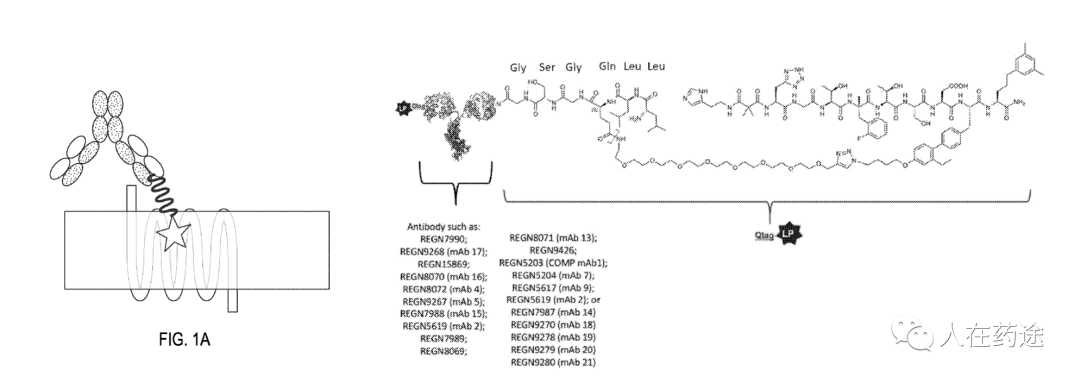
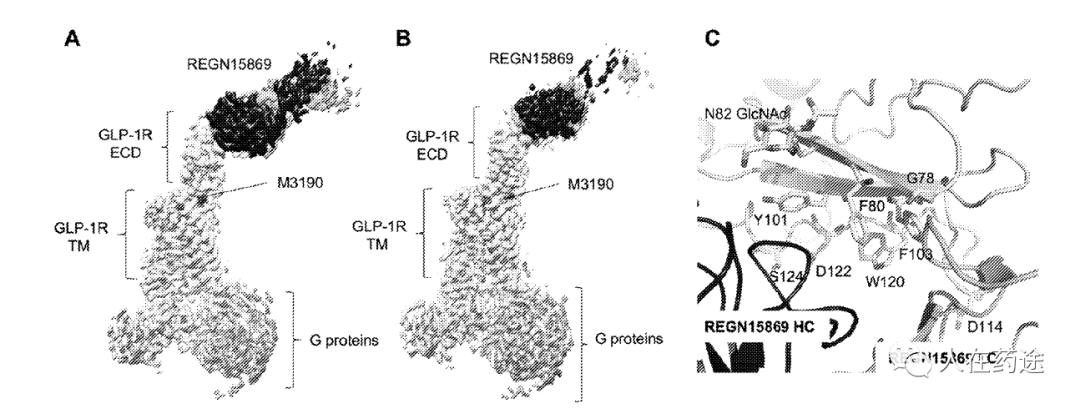
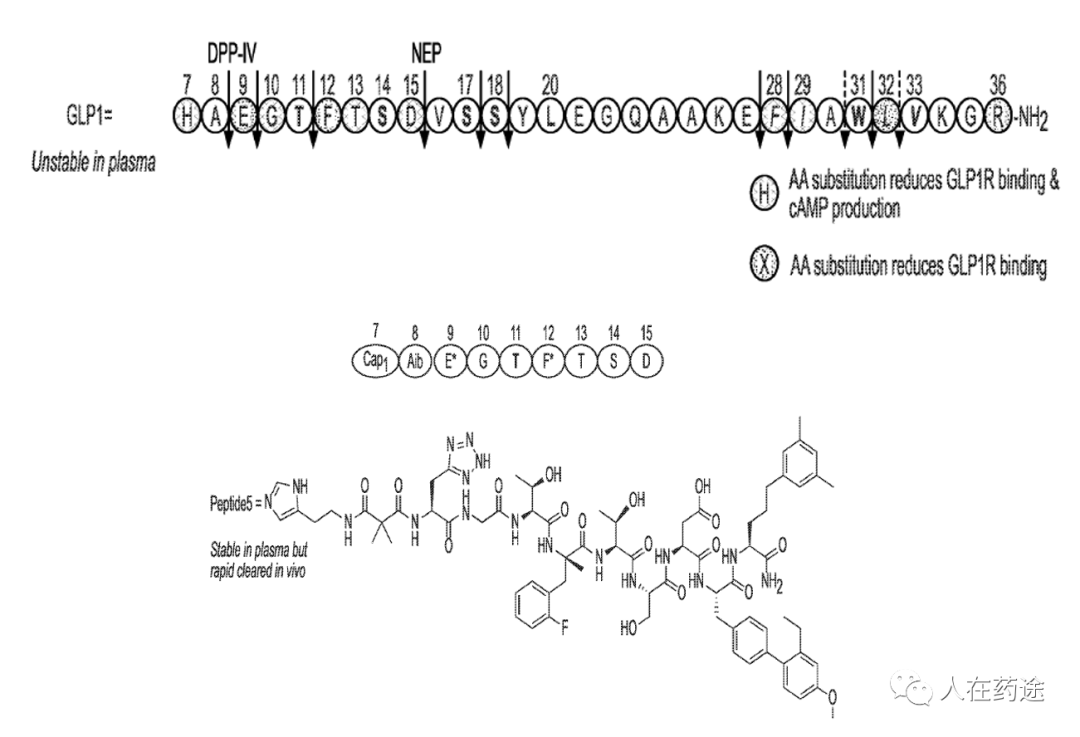
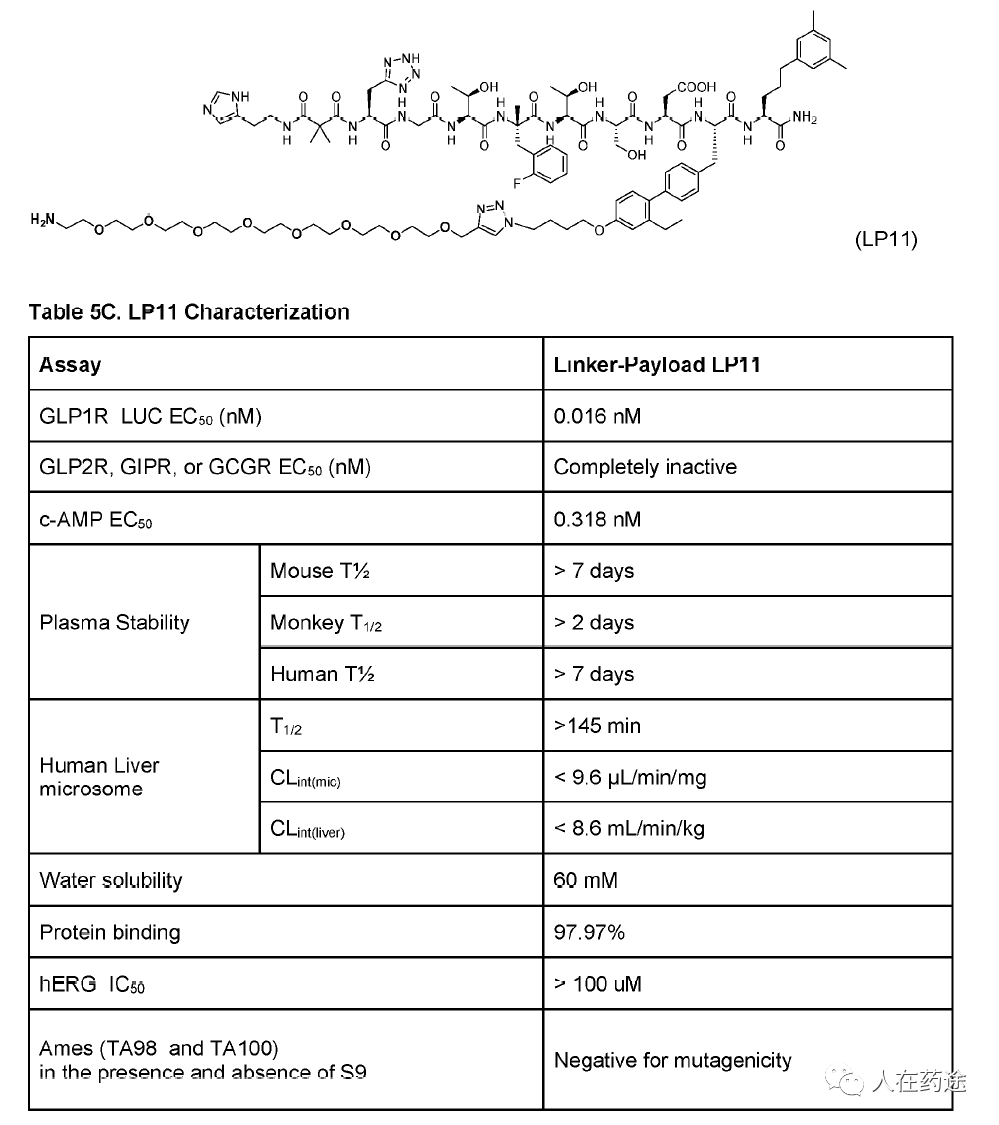
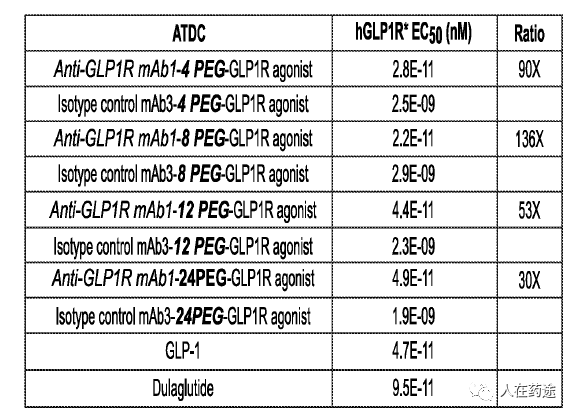
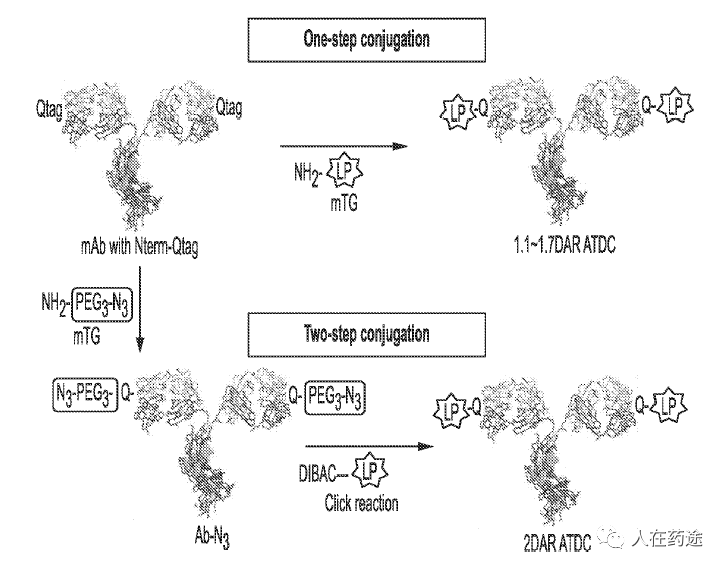
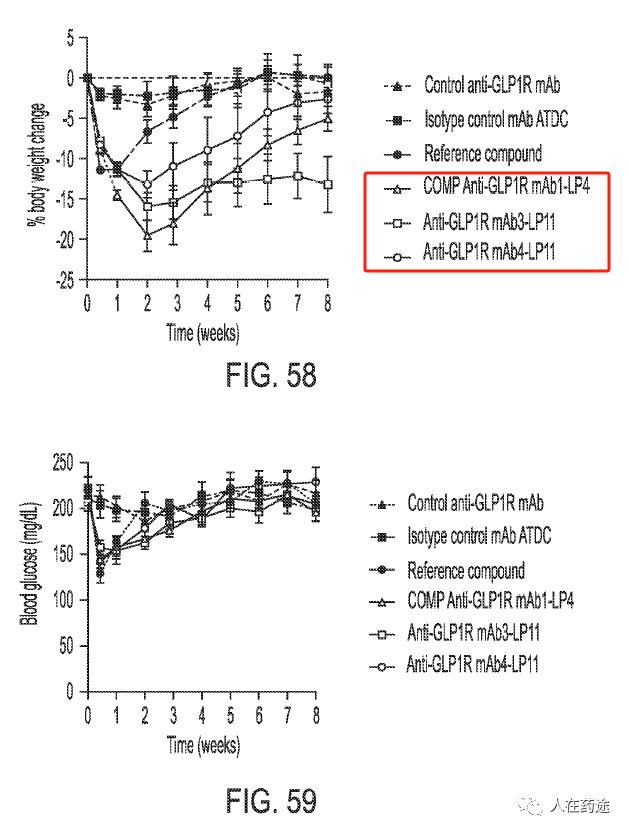
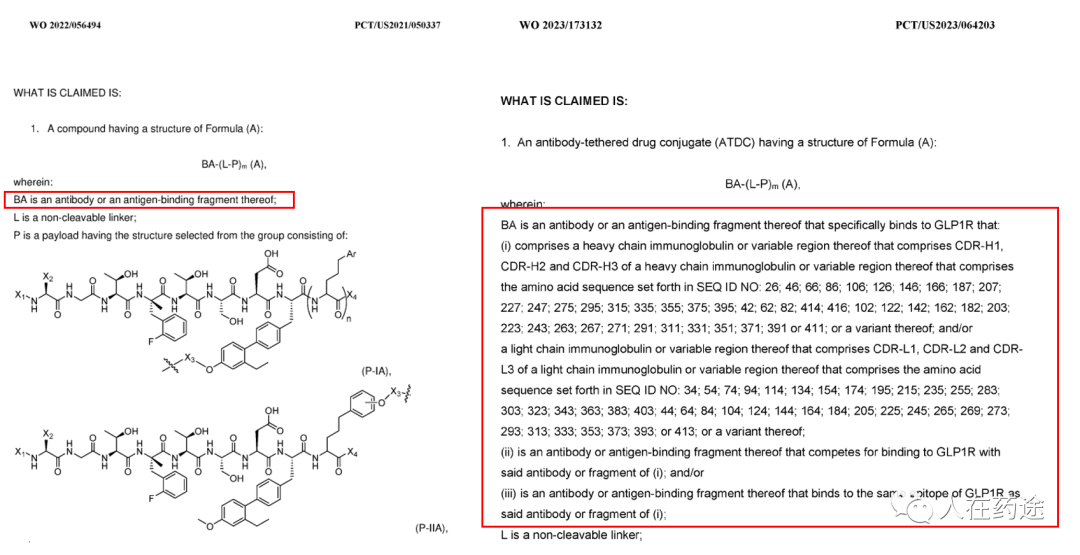
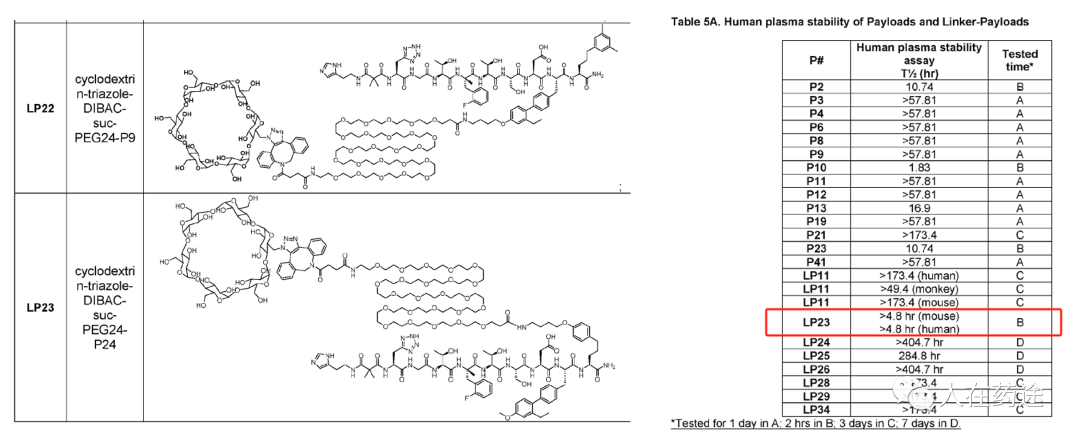
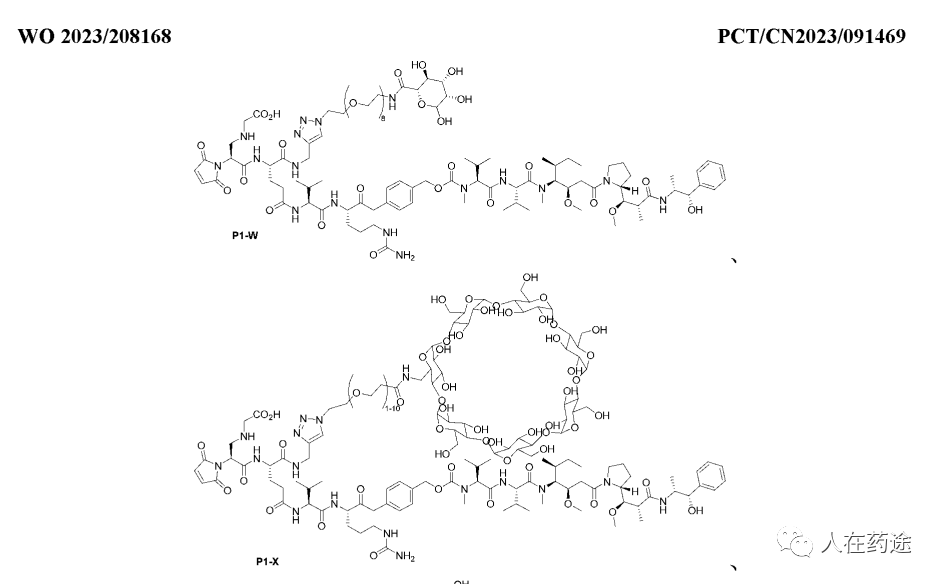
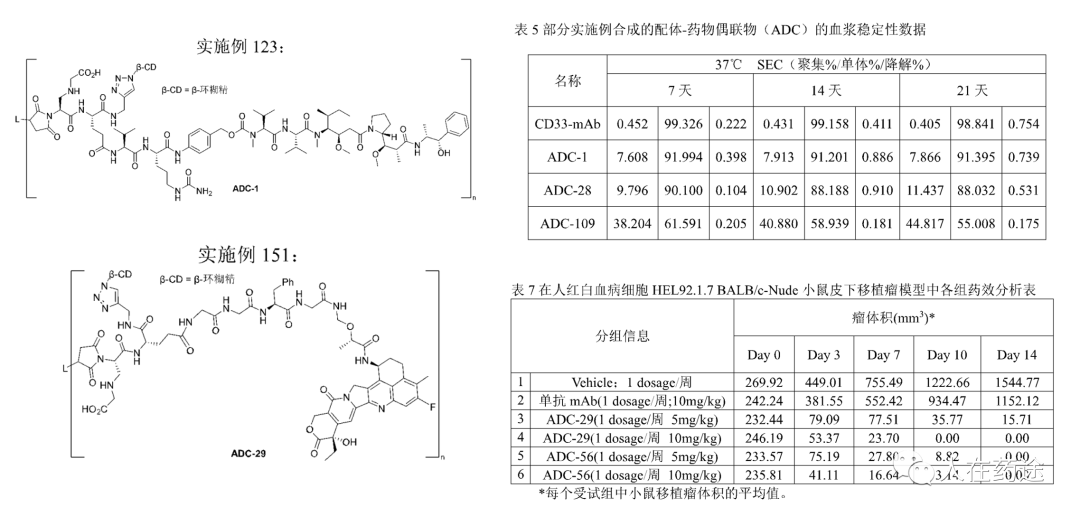
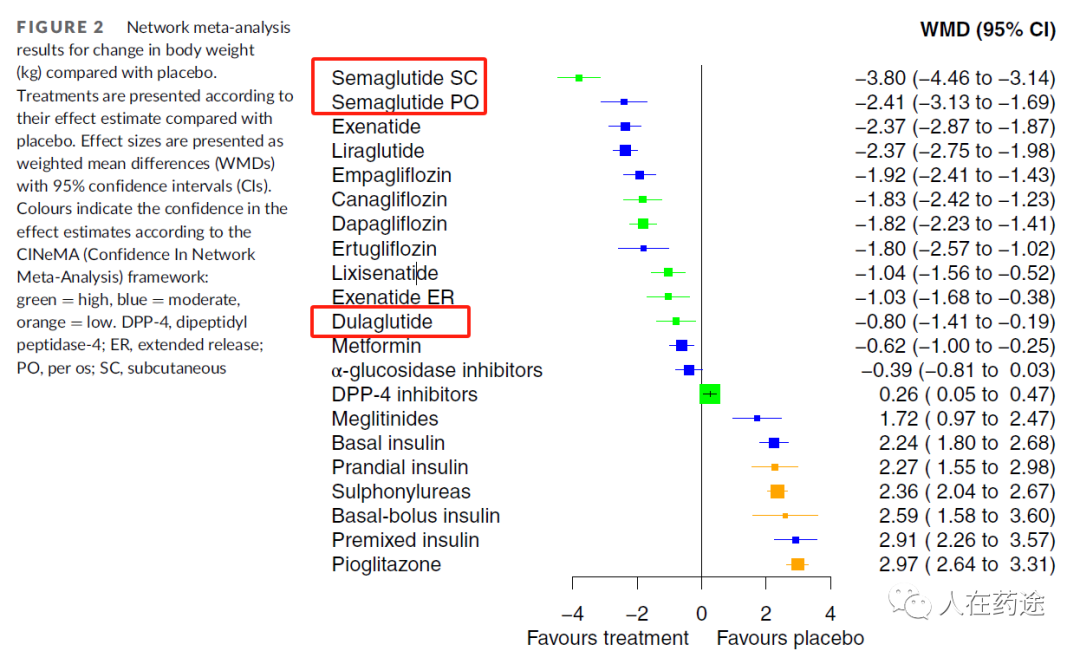
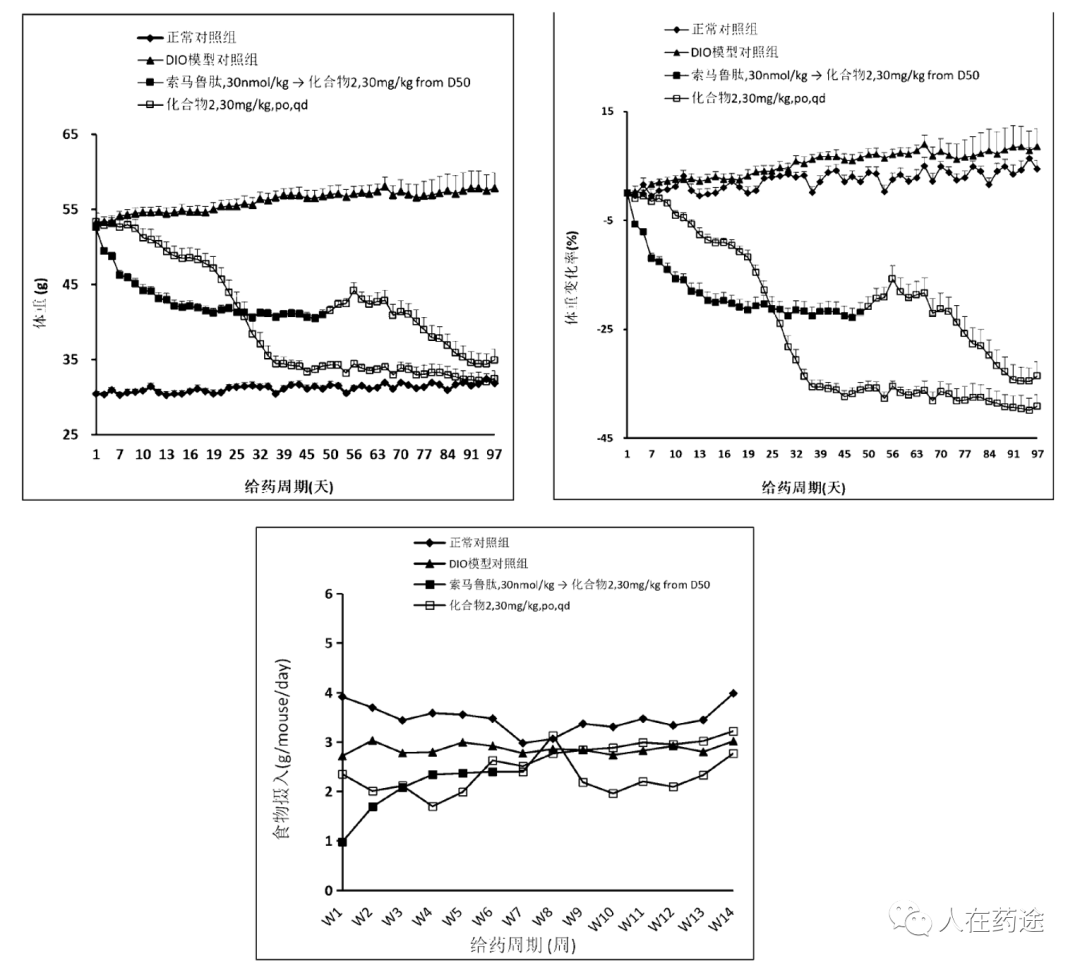
GLP-1R and its ligand GLP-1 are highly validated targets for obesity and type 2 diabetes. Current drug development efforts targeting this pathway mainly focus on peptide and small molecule drugs, with only peptide drugs currently on the market.However, these marketed peptide drugs have certain drawbacks, such as the need for weekly or even more frequent dosing. To address this issue, developing GLP-1R agonist antibodies is a potential strategy, but currently, there are no direct GLP-1R agonist antibodies available. Hongyun Huaning (Hangzhou) Biomedical Co., Ltd.'s solution is a fusion protein that links GLP-1 peptides with a GLP-1R monoclonal antibody. Their product, Glutazumab (currently in Phase III), has demonstrated superior safety, tolerability, and glucose-lowering and weight-reducing effects compared to similar GLP-1 analogs. It is expected to become a new generation of ultra-long-acting treatment for glycemic control (once every two weeks or even once a month) and weight loss (once a week or even once a month).However, fusion proteins are still not the optimal solution, as tandem peptide-antibody fusions are susceptible to proteolytic degradation. Regeneron has proposed a new solution: antibody-drug conjugates that combine an antibody or its antigen-binding fragment specifically targeting the extracellular domain of GLP-1R with a GLP-1 peptide mimetic that functionally activates GLP-1R. Regeneron has coined a new term for this technology: Antibody-Tethered Drug Conjugates (ATDCs).Unlike the traditional ADC mechanism where toxins are released through endocytosis by Fc-conjugated drugs, the ATDC mechanism involves a GLP-1R antibody (with no agonist or antagonist activity) recognizing GLP-1R on the cell surface while directly inserting a modified GLP-1 peptide fragment conjugated to the variable region of the antibody into GLP-1R to promote receptor-ligand binding. The advantage of this mechanism over peptide drugs lies in enhancing affinity and efficacy while improving the stability and half-life of the GLP-1 peptide, reducing clearance, and achieving long-acting and stable GLP-1 agonistic effects.ATD Mechanism Diagram (Left) and Preferred Embodiment StructureCo-crystal Structure of ATDC and GLP-1R SpecialProfit Analysis This technology is embodied in the patent WO2023173132A1, which was disclosed on September 14, 2023. Regeneron first analyzed some enzyme-susceptible sites of the GLP-1 polypeptide chain (upper part of the figure below) and designed a modified GLP-1 analog (lower part of the figure below) to improve plasma stability. However, the peptide monomer is prone to clearance in vivo.Next is the design of the Linker. Unlike ADC, ATDC does not require a cleavable Linker. Therefore, Regeneron chose 8 PEG as the Linker, resulting in the preferred embodiment LP11 (M3190).LP11 is a highly selective GLP-1 agonist.Sex, and has excellent plasma stability, liver microsomal stability, good solubility, and low hERG toxicity.This is followed by antibody conjugation. The ATDC conjugated with anti-GLP-1R antibody showed an activity increase of approximately 100 times compared to the negative control ATDC (the antibody part is non-targeting GLP-1R) and was slightly superior to the native GLP-1 peptide and the positive control dulaglutide.In terms of process optimization, the theoretical DAR=2.0 has not been achieved yet, and currently, only DAR≈1.7 can be reached. Of course, what everyone is most concerned about is the in vivo efficacy. In the experimental design, Regeneron chose a high-fat diet-induced obese mouse model. Dulaglutide was used as the positive control (Reference compound), administered twice a week for 4 weeks. The three ATDC compounds were all administered only once on Day 0. The experiment lasted for 8 weeks, and each group was dosed at 25 mpk.The experimental results were also clear: the dulaglutide group of mice only showed weight loss effects on the 3rd and 7th days, after which their weight rebounded. However, the three ATDC experimental groups of mice, despite receiving only a single dose, maintained weight loss effects for 4 weeks, 6 weeks, and 8 weeks respectively, demonstrating long-lasting weight loss effects. This result also reflects the advantages of ATDC drugs over GLP-1 peptides.In terms of lowering blood lipids, the data from each group is quite similar, so there won't be much analysis (of course, I suppose everyone is not very concerned about the matter of lowering blood sugar either). However, this patent is not Regeneron's first ATDC patent; the first one was WO2022056494A1, published in March 2022. Strangely, there is no significant difference in the examples and biological data between the two patents. Data source: NextPat database by PharmaCube The difference between the two patents is reflected in the claims. The 2022 patent does not limit the scope of BA (nor does it protect a specific sequence of BA), which should be considered an oversight in Regeneron's patent application. Fortunately, they discovered this in time and filed a new priority right before the previous patent was published, adding sequence protection for the antibody that limits BA. A Little Off-TopicAside, about ADC By the way, two interesting structures, LP22 and LP23, appeared in the patent. Regeneron linked a β-cyclodextrin to the Linker. As is known to all, a common challenge in ADC drug development is the hydrophobicity of the payload, which may lead to problems in the conjugate’s water solubility, aggregation, and rapid clearance. A PEG linker is one optional strategy, while another approach is to incorporate soluble sugar structures into the linker.Regeneron's choice of β-cyclodextrin to enhance hydrophilicity seems somewhat like a brute-force approach. However, the results were less than ideal, particularly in terms of plasma stability. While LP11 demonstrated a plasma half-life (T½) of >173 hours, LP23 showed a plasma stability of only >4.8 hours.However, this move is not an isolated case. A similar structure was also found in the recently disclosed ADC patent WO2023208168 (a ligand-drug conjugate containing a hydrophilic sugar structure) of Baili Tianhe's subsidiary, Baili Duote. However, unexpectedly, the ADC with β-cyclodextrin showed excellent plasma stability (ADC-1) and anti-tumor activity (ADC-29), which is quite interesting. Postscript A single dose demonstrated superior weight loss effects compared to the positive control, which is sufficient to highlight ATDC's advantage in stability. However, the biggest flaw of this patent lies in the choice of the positive control. The positive control selected in this patent is dulaglutide, rather than the well-known semaglutide. Although both drugs are commercially successful GLP-1 agonists,Dulaglutide Annual Sales Second Only to Semaglutide.Data source: NextPharma database by PharmaCubeAccording to the results of a meta-analysis involving 21 hypoglycemic drugs, 424 RCTs, and more than 270,000 participants, the weight loss effect of dulaglutide is much lower than that of semaglutide. Therefore, even if this ATDC shows better weight loss effects than dulaglutide, it does not seem to indicate much. However, both dulaglutide and semaglutide are administered once a week. In a horizontal comparison, it can only be said that ATDC has significant advantages in terms of stability and dosing frequency.Here, we must specifically commend Bibei's GPR75 indirect inhibitor patent for having the courage to use semaglutide as a control in animal experiments.In addition, as mentioned in the previous article【R&D Frontier | The First Small Molecule Patent for the New Weight Loss Target GPR75 Disclosed, BBT Biotech Showcases China's FIC Potential to the World], GLP-1 agonists have certain defects, such as gastrointestinal side effects (mainly manifested as anorexia, vomiting, etc.), which are determined by the target, and the patent does not show whether ATDC drugs have improved on this point. At the same time, long-term administration of GLP-1 agonists leads to drug resistance, which is also reflected in the dulaglutide experimental group results in this patent. It seems that ATDC drugs also have this problem. Compared with GLP-1, the new weight loss drug target GPR75 appears to be able to solve the above problems (Bebetter's GPR75 indirect inhibitor can overcome GLP-1 resistance without causing anorexia side effects).Only this information can be obtained from the patent (of course, it is also all the information available). So far, there has been no news about whether Regeneron will push GLP-1R ATDC into clinical trials. Its specific effects and whether there will be new discoveries in the future remain to be seen.