

Medtronic's RDN Interventional Device Approved: A New Surgical Approach Revolutionizing Hypertension Treatment

Medtronic
Chronic Disease Medical Device and Therapy Developer
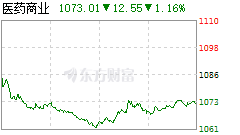
| Lead Rise Individual Thigh |
Name | Relevant | Price Change Range |
|---|---|---|---|
| Thermo Fisher Scientific | Research Report Cash Flow | 2.94% | |
| First Medicine | Research Report Cash Flow | 2.69% | |
| Baiyang Medicine | Research Report Cash Flow | 1.31% | |
| Medicine Easy Purchase | Research Report Cash Flow | 0.8% | |
| Click to view all>> | |||
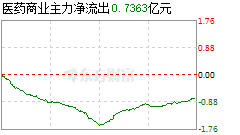
| Resources Gold Flow Entry |
Name | Related | Net Inflow (10,000) |
|---|---|---|---|
| Thermo Fisher Scientific | Research Report Cash Flow | 3286.87 | |
| Sinopharm Group | Research Report Cash Flow | 1335.97 | |
| Yixintang | Research Report Cash Flow | 901.58 | |
| Dasenlin | Research Report Cash Flow | 871.15 | |
| Click to view all>> | |||
Event: At Dublin time on November 17, Medtronic, an American medical company, announced that its Symplicity Spyral Renal Denervation System, which has been under development for 14 years, received approval from the U.S. Food and Drug Administration (FDA) for market release. The Symplicity Spyral system will utilize Renal Denervation (RDN) to assist in treating hypertension patients whose blood pressure cannot be adequately controlled through lifestyle changes or antihypertensive medications.
The Symplicity Spyral system provides a surgical pathway for the treatment of hypertension and has been approved for commercialization in more than 70 countries worldwide. Medtronic's Symplicity Spyral is an innovative interventional device that delivers radiofrequency energy to the sympathetic nerves near the kidneys and achieves denervation through radiofrequency ablation. Overactive renal sympathetic nerves can lead to hypertension. After inducing anesthesia in the patient, doctors use a minimally invasive procedure to insert the Symplicity Spyral ablation catheter into the renal artery. The radiofrequency system powers the catheter electrodes to eliminate the biological activity of the renal artery sympathetic nerves. After completing the ablation, the catheter is removed without leaving any implants. The Symplicity Spyral Renal Artery Sympathetic Nerve Radiofrequency Ablation System has been approved for commercialization in over 70 countries worldwide. The product has not yet been approved in China, Japan, Canada, and other countries, which may become key areas for future global commercialization efforts.
Medtronic's extensive clinical data fully validates the effectiveness of RDN surgery in treating hypertension. Medtronic’s SPYRAL HTN global clinical program is the most comprehensive clinical trial initiative studying RDN, enrolling nearly 25,000 patients worldwide. Among these, the SPYRAL HTN-OFF MED clinical trial recruited 331 patients across nine countries and regions. Patients involved in the trial had not taken any antihypertensive medication three weeks prior to their surgeries and were divided into an RDN surgery group and a sham surgery control group. Blood pressure changes within three months post-surgery were as follows: office systolic blood pressure decreased by 9.2 mmHg in the surgery group (compared to 2.5 mmHg in the control group), and office diastolic blood pressure decreased by 5.1 mmHg in the surgery group (compared to 1.0 mmHg in the control group). The RDN surgical treatment for hypertension has been clinically validated.
The scale of patients with hypertension globally and in China is large, and the prospects for surgical treatment solutions are broad. According to a comprehensive analysis report on global hypertension trends published in The Lancet, the number of people aged 30-79 with hypertension has increased from 650 million to 1.28 billion over the past three decades. The number of hypertensive patients in China exceeds 300 million, of which 5-30% are patients with resistant hypertension. Furthermore, based on a Medtronic patient treatment preference study, after hypertensive patients fully understand the clinical benefits and surgical risks of RDN, nearly one-third of patients choose surgical options for hypertension treatment.
Investment Advice: The population of patients with refractory hypertension is large, and the development and use of drug regimens are gradually reaching a bottleneck. The RDN surgical treatment plan is expected to address market pain points and unlock an incremental market. Related device consumables may become a significant niche track in the innovative devices sector. It is recommended to pay attention to companies actively developing RDN treatment devices, such as MicroPort EP and Biotronik.
Risk Warning: Risks of product competition, product registration, industry regulation, application and renewal of key operating qualifications, and regulatory changes, etc.