GUARDIAN Project: Transforming Newborn Screening with Whole Genome Sequencing to Detect Over 250 Rare Genetic Disorders

GeneDx
GeneDx, LLC.
Illumina
Diagnostic Product Developer

Sanofi
Pharmaceutical R&D Developer
It is estimated that 10% of the global population suffers from rare diseases.[1]For patients with rare diseases, obtaining a diagnosis is often a long and painful process. The average diagnostic time for rare diseases (if they can be diagnosed at all) is 8 years; worse still, some may never receive a definitive diagnosis. Moreover, rare diseases impose a heavy economic burden on families and society. In the United States alone, it is estimated that about 25 to 30 million residents are affected by rare diseases, with an annual economic burden of approximately $1 trillion—and this figure only accounts for data from 379 rare diseases.Application of WGS Technology in Genetic Disease Gene DiagnosisPromoted the innovation and transformation of genetic disease diagnosis.WGS helps shorten the diagnostic process for rare diseases, allowing patients to receive treatment as early and quickly as possible, reducing the economic burden on families and society, and improving patients' quality of life.
Landmark Newborn Genetic Screening Study GUARDIAN Launched
Source: Reference Materials[1]。
It is reported that,GUARDIAN is the largest genomic sequencing study of rare genetic disorders in newborns conducted in the United States to date.[4]GeneDx provides WGS and interpretation services, while Illumina supplies technology and consumables.[5-6]。
Currently, the GUARDIAN project is underway at NewYork-Presbyterian Hospital, screening for 158 treatable/preventable diseases and 100 other conditions, most of which are neurogenic disorders that currently have no cure, but interventions can help alleviate patients' symptoms.[3]。The criteria for selecting diseases to be screened include: the median age of onset is before 5 years old, and based on genetic results, effective treatment, and/or the natural history of the disease, the probability of disease progression is greater than 90%.[4]。
Latest Research Achievements of the GUARDIAN Project:
WGS Identifies Rare Genetic Diseases
In October 2023, the latest research data from the GUARDIAN project was presented at the 2nd International Conference on Neonatal Sequencing (ICoNS).[7]Data show that WGS identified multiple cases of rare genetic diseases in the GUARDIAN study.
According to Wendy Chung, MD, PhD, the principal investigator of the project,The GUARDIAN team has contacted 7,050 families to date, of which 5,133 (73%) have completed registration, and 4,256 have received results.The cohort maintains racial diversity, with over 30% of participants identifying as Hispanic, approximately 25% as White, more than 10% as Asian, about 10% as Black, and around 10% as mixed race. The average turnaround time for participants to receive results is 36 days, and this timeframe will gradually decrease.
Data shows,3.5% of participants tested positive, including 131 true positives and 20 false positives.Dr. Chung shared several cases: one infant was found to have a pathogenic variant in the KCNQ1 gene, which is associated with Long QT Syndrome Type 1 and appeared to be a de novo variant. After confirmation of the diagnosis through an electrocardiogram, the infant is now on beta-blockers and will be followed up by a pediatric cardiologist. The program also identified an infant with a likely pathogenic variant in the IL2RG gene, which is associated with X-linked SCID (X-linked Severe Combined Immunodeficiency). SCID is a fatal condition if untreated, and it is also detected by traditional newborn screening. Following diagnosis, the patient is undergoing a bone marrow transplant. Another infant was found to carry a pathogenic variant in the CDKL5 gene, which is associated with Rett-like syndrome, and had already shown symptoms at the time of genetic diagnosis. This patient is now being treated with anti-seizure medications. Dr. Chung noted that none of the above three cases had a family history of the conditions.
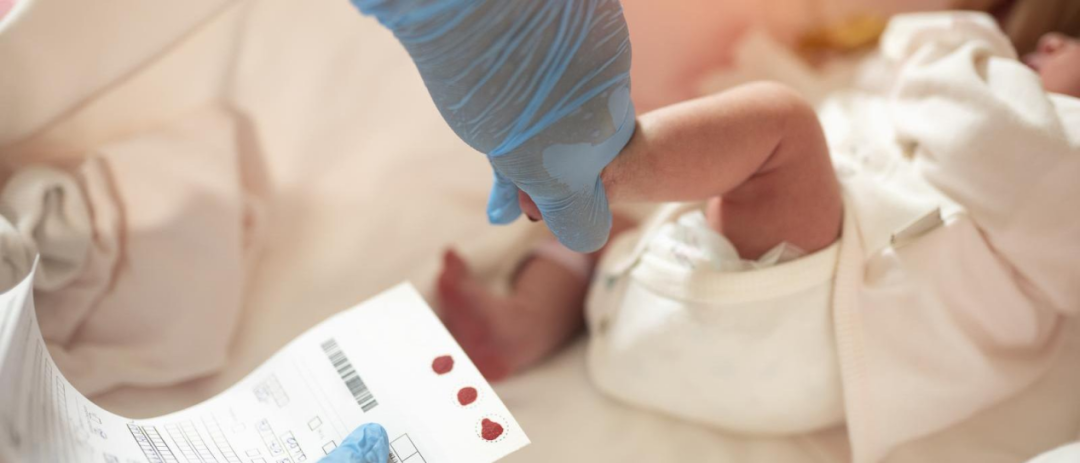
In addition, existing data shows that,In the first 1,000 newborns recruited in the early stages of GUARDIAN, 2.6% had true positive screening results., including 15 confirmed cases of G6PD deficiency. G6PD deficiency is the result of decreased function of an enzyme called G6PD (glucose-6-phosphate dehydrogenase), which can lead to the breakdown of red blood cells under conditions such as infection, certain medications, foods, or stress, and carries a risk of severe neonatal hyperbilirubinemia. The disease is not included in standard newborn screening. Meanwhile, other conditions detected by WGS include sickle cell disease, hearing loss, and achondroplasia.[8]
Notably, the reportable gene mutations from the 238 genes screened in the GUARDIAN study have been included by GeneDx in a retrospective analysis. Among nearly 25,000 individuals who tested positive through exome or genome sequencing, 20% could have had their diagnoses advanced by an average of 7 to 11 years if genomic sequencing had been performed at birth.[6]。
Conclusion
Early diagnosis and treatment of rare diseases can help prevent long-term health issues and achieve better outcomes. Dr. Wendy Chung believes: “With the help of genomic sequencing technology, patients with rare diseases no longer need to undergo a long diagnostic journey and can receive a diagnosis at birth.. Diagnosis should be the easiest part of the entire process of disease diagnosis and treatment. We should focus on what really matters: the treatment and care of these patients. Moreover, genetic screening will provide patients with an equitable opportunity to access a diagnosis.”[5]
According to data from the National Human Genome Research Institute, the cost of genetic testing has plummeted over the past few decades.This makes newborn genetic screening research more appealing. For newborn patients, early diagnosis means doctors and health systems can consider available interventions and therapies more quickly, thereby improving quality of life. Early diagnosis also involves economic benefits, including reducing hospital stays and avoiding unnecessary or ineffective care in the Neonatal Intensive Care Unit (NICU), saving an average of $30,000 per case.[8]Wendy Chung said, "WGS can eliminate unnecessary procedures and tests in patients receiving a diagnosis."The cost of WGS is less than a day's ICU stay, and it can shorten hospital stays, especially for NICU patients.。”[1]In addition, as more and more patients are diagnosed with rare diseases, clinical trials can be established to help accelerate the development of treatments or cures for these conditions.
List of Over 250 Genetic Diseases Screened in the GUARDIAN Project:
https://guardian-study.org/conditions-screened/
[1]https://fortune.com/well/2023/02/28/rare-disease-patients-diagnostic-odyssey-whole-genome-sequencing-wgs-genetic-testing/
[2]https://guardian-study.org/overview/
[3]https://www.genomeweb.com/sequencing/acmg-guardian-newborn-sequencing-study-reports-high-uptake-rate
[4]https://ir.genedx.com/news-releases/news-release-details/sema4genedx-provide-whole-genome-sequencing-and-interpretation#:~:text=The%20largest%20study%20of%20its%20kind%20in%20North,are%20not%20covered%20today%20by%20standard%20newborn%20screening
[5]https://www.cuimc.columbia.edu/news/can-genomic-screening-newborns-help-more-children-born-rare-diseases
[6]https://www.genomeweb.com/sequencing/guardian-study-explore-newborn-screening-genome-sequencing-100k-babies-nyc#.ZBGo0HbMJPY]
[7]https://www.genomeweb.com/molecular-diagnostics/international-newborn-genome-sequencing-projects-discuss-differences-future
Popular Articles Recommendation
Review: Challenges and Opportunities in Early Cancer Detection and Monitoring
FirstHow does the CRISPR gene-editing therapy Casgevy work? How safe is it? What is the price?
Chen Hebing/Li Cheng: A Machine Learning-Based Method for Single-Cell Age Prediction, SCALE
Identifying Disease-Associated Cell States Based on a Healthy Single-Cell Reference Atlas