Medlander Announces Three New AI-Powered Pelvic Floor Rehabilitation Products and Strong Growth Outlook

Medlander
Developer of Intelligent Pelvic Floor Rehabilitation Diagnosis and Treatment System Products
November 28, 2023Medlander (Stock Code: 688273)Vice General Manager and Board Secretary Chen Jiangning, Investment Director Jiao Jing, and Securities Representative Ni Qingqing exchanged views on the company's progress. The summary and original text are attached below for reference by Tanmei Medical Community readers.
Core Viewpoints:
Impact of Fertility Rate on Performance: The company believes that the decline in fertility rate has a limited impact on its performance, as postpartum population only accounts for a small portion of patients with pelvic floor dysfunction (PFD).
Characteristics and Trends of PFD:
Number of patients:The total prevalence of urinary incontinence (UI) in adult women is 30.9%, the prevalence of symptomatic pelvic organ prolapse (POP) is 9.6%, and the number of patients with pelvic floor disorders (PFD) is estimated to exceed 200 million., and increases with age.
Consultation Rate: Before 2005, the consultation rate for PFD in China was very low. By 2019, 5 million people had undergone screening for pelvic floor disorders, but the proportion of standardized screening and treatment remains low compared to the number of patients.
Clinical Needs: With the aggravation of aging, the improvement of economic levels and health awareness, the demand for PFD screening and treatment is on the rise.
Company Strategy and Performance Expectations:
Marketing Strategy: The company serves more than7,400, the target market still has great potential, and the strategy is to expand from tertiary hospitals to more levels of medical institutions.
Next Year's Performance Forecast: Referencing the 2023 Equity Incentive Performance Targets,No adjustment plan for the time being。
New Product Development:
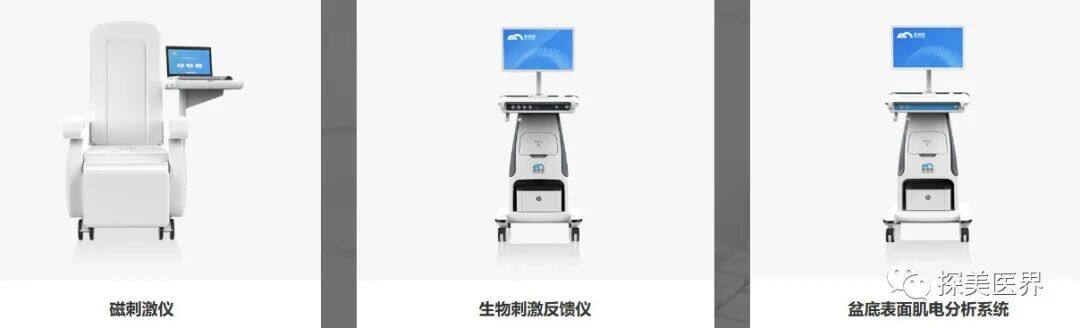
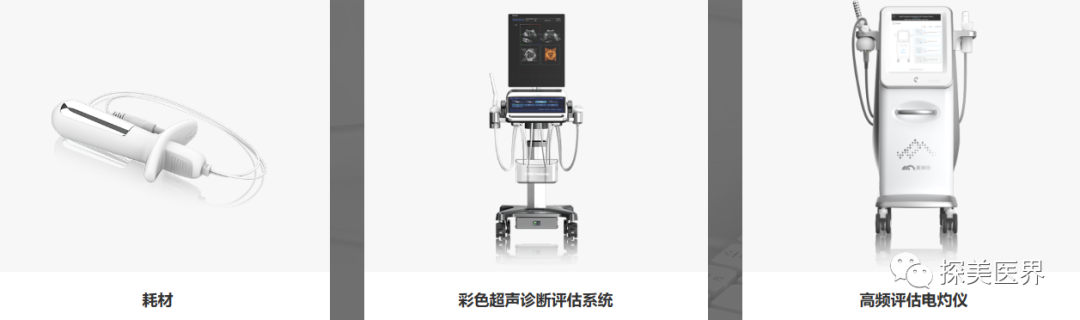
Expected to be launched in the first half of next yearThree new pelvic floor rehabilitation products, including pelvic floor electrical stimulation, pelvic floor ultrasound imaging system, and pelvic floor split magnetic stimulation.
These new products will be AI-based, enhancing the intelligent diagnosis and treatment system for pelvic floor disorders and optimizing the convenience and effectiveness of clinical applications.
Progress of Other Product Lines and Projects:
Reproductive Anti-Aging Product Line: Expected to Grow 50%-100% Next Year.
Home Product Series: Currently in the cultivation stage, with expectations for significant growth in the future.
Laser Project: In the engineering prototype stage, to be applied in the treatment of pelvic floor and gynecological diseases.
Main Content of Investor Relations Activities
Q1: Will the decline in birth rates affect the company's performance?
A: We have always emphasized that the postpartum population only accounts for a small portion of the overall population with pelvic floor dysfunction (PFD).
Pelvic Floor Dysfunction (PFD) is a type of disease characterized by defects and injuries in the pelvic support tissues that affects the patient's quality of life, including Urinary Incontinence (UI), Pelvic Organ Prolapse (POP),POP), chronic pelvic pain, and sexual dysfunction, a series of non-fatal diseases that affect quality of life, such diseases have the following characteristics and trends.
(1) Large base of patients: According to authoritative epidemiological survey reports, the total prevalence rate of urinary incontinence (UI) in adult women is 30.9%, and the prevalence rate of symptomatic pelvic organ prolapse (POP) is as high as 9.6%. It can be estimated that the number of people currently suffering from pelvic floor disorders (PFD) is at least 200 million, and the prevalence of PFD shows an increasing trend with age.
(2) Low consultation rate: Before 2005, the prevention and treatment of PFD in China and related research were almost blank. The 5-year consultation rate for stress urinary incontinence (SUI) among adult women in China was only 7.9%. By 2019, the three-level pelvic floor rehabilitation model in China had covered all 34 provinces/autonomous regions/municipalities in China, with pelvic floor rehabilitation showing an increasing trend year by year. By October 2020, about 5 million people had undergone screening for pelvic floor diseases. However, compared with the number of patients, the proportion of standardized screening and subsequent standardized treatment remains very low.
(3) Continuous Growth in Clinical Demand: With the increasingly severe global aging phenomenon, the continuous improvement in residents' economic living standards, and the gradual enhancement of health awareness, the number of Chinese women voluntarily undergoing screening and treatment for PFD is increasing year by year. The population covered by related medical services shows a significant upward trend. Early, timely, and correct treatment of PFD patients avoids surgical expenses, saving costs for families and society, and prevents and treats female PFD from the source. Currently, the prevention and treatment of PFD have gradually expanded from secondary and tertiary hospitals to grassroots obstetrics and gynecology departments. The clinical demand for pelvic floor rehabilitation medical devices is continuously being released, promoting the rapid development of the pelvic floor rehabilitation industry.
On the other hand, in terms of the coverage rate of medical institutions, data from the National Health Commission shows that as of the end of November 2021, the number of medical and health institutions in China was 1.044 million. The company currently serves more than 7,400 medical institutions, and there is still significant potential to tap into the end-user market in the future. The company's marketing strategy has gradually shifted from tertiary hospitals to secondary hospitals, primary hospitals, community health institutions, private hospitals, clinics, and public health institutions.
Q2: What is the company's performance forecast for next year?
A: The company launched the 2023 Equity Incentive Plan in the first quarter. For next year's performance expectations, please refer to the performance targets of the equity incentive plan. There is currently no adjustment plan.
Q3: What are the company's next new products?
A: The company continues to invest in the research and development of new technologies and products for pelvic floor rehabilitation, accelerating the launch of new products and the iterative upgrading of existing ones. It is expected that in the first half of next year, three new products in the pelvic floor rehabilitation line will be launched.
(1) Second-generation pelvic floor electrical. In our second-generation new product, we have integrated multiple physiological indicators, improving diagnostic efficiency and accuracy, which helps enhance the pertinence and effectiveness of subsequent intelligent treatment plans.
(2) Pelvic Floor Ultrasound Imaging System. We will launch a new range of pelvic floor imaging products capable of meeting the clinical need for one-stop acquisition of visualized test data.
(3) Pelvic Floor Split Magnetic. On the basis of the existing pelvic floor magnetic products, we will launch the split magnetic product to enrich the pelvic floor magnetic product line and meet more clinical demand scenarios.
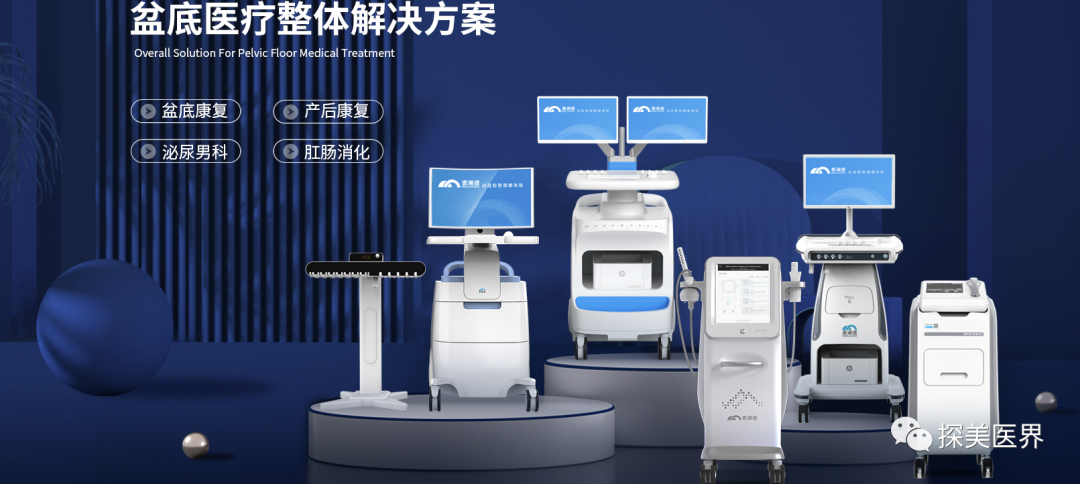
The launch of three new products for pelvic floor rehabilitation will establish a comprehensive AI-based solution, integrating previously achieved functions such as automatic detection, automatic reporting, and automatic generation of treatment plans. By incorporating more data (including clinical indicators like structural and functional aspects of the pelvic floor), this will elevate the intelligent diagnosis and treatment system for pelvic health to a new level, optimizing the convenience and effectiveness of clinical applications, and completing the evolution from a product-based solution to a scenario-based solution.
Q4: Are there any similar products to Medlander's new pelvic floor ultrasound product in China?
Answer: Unlike the general ultrasound products available in the market, the company's self-developed AI-based pelvic floor ultrasound imaging device is a specialized ultrasound imaging solution, specifically serving clinical departments such as obstetrics and gynecology and pelvic floor centers. It aims to enhance the accuracy and convenience of pelvic floor auxiliary diagnosis. This indicates that the automation system for pelvic floor diagnosis and treatment will reach a new level, integrating diagnostic indicators with pelvic floor structural visualization and evolving from a product-based solution to a scenario-based solution.
Q5: What are the application scenarios of the company's reproductive anti-aging products? What is the growth expectation for next year?
Answer: Reproductive anti-aging is the second major product line launched by the company after pelvic floor rehabilitation. It has currently established a complete product matrix, featuring products across major technology platforms such as high frequency, focused ultrasound, electrical, and magnetic technologies. This provides comprehensive solutions for scenarios including gynecology, reproductive centers, family planning clinics, and medical aesthetics institutions. With the continuous rise in incidence rates of early ovarian function decline, perimenopausal syndrome, and gynecological endocrine issues among women, and based on the company’s investment and planning in new products, the reproductive anti-aging product line is projected to maintain a growth rate of 50%-100% next year.
Q6: What is the current revenue scale of the company's home products?
Answer: The家用series of the company is one of the important strategic products. It is still in the cultivation stage with a relatively small sales base. However, with the company's layout and technological breakthroughs in the家用series in recent years, initial results have been achieved, and significant growth is expected in the future.
Q7: What are the reasons for the phased decline in gross margin in recent years' financial reports?
A: The main reason is that the subsidiary, Suzhou Oubaoxiang, which mainly engages in injection molding business, has low gross profit margin. The subsidiary occasionally takes on some mold orders from external customers based on factory order situations, which will accordingly reduce the overall gross profit margin level of the company during the period.
Q8: May I ask about the progress of the laser project development?
A: Currently, it is in the engineering prototype stage. In the future, laser-based products will be applied to gynecological diseases such as pelvic floor disorders and reproductive anti-aging scenarios. The development of laser-based technology will further enrich the company's technology platform, deeply integrating different technical platforms such as magnetic, electric, acoustic, optical, and thermal technologies, providing intelligent diagnosis and treatment solutions covering the entire process from prevention, screening, diagnosis, treatment, to continuous rehabilitation.
#Medlander
Medlander Medical Technology Inc. (hereinafter referred to as "Medlander") was established in 2013. As a clinical overall solutions provider in the field of pelvic floor and postpartum rehabilitation in China, it is mainly engaged in the research and development, production, sales, and service of related products. With the mission of "creating an ultimate health experience," Medlander adheres to the core values of "innovation, sharing, positivity, and honesty." It continuously builds its core competitiveness in continuous innovation and efficient product value delivery, striving to become "a world-class medical health company focused on women's health and beauty."
The company focuses on the diagnosis, treatment, and prevention of common and frequently-occurring diseases throughout the female life cycle, continuously developing new technologies and products. It now owns product lines including pelvic floor and postpartum rehabilitation equipment, reproductive rehabilitation equipment, consumables and accessories, and health management information systems, which are widely used in healthcare fields such as obstetrics and gynecology, pelvic floor rehabilitation, reproductive rehabilitation, urology and proctology, and medical examinations.