Bayer Partners with CrossBay Medical to Develop Next-Generation, Friction-Free IUD Insertion System

CrossBay Medical
Medical Device Manufacturer

Bayer
Pharmaceutical Product R&D Developer

Pioneer in Medical Device Media Reports
Share Professional Medical Device Knowledge

Recently,German pharmaceutical giant Bayer recently announced a cooperation agreement with CrossBay Medical to jointly develop a new type of intrauterine contraceptive device.
CrossBay is an innovative company focused on the field of women's health, dedicated to providing a series of solutions and products based on CrossGlide technology. This is aCatheter System Used in Gynecological Medicine,Aimed at reducing discomfort for women during the placement of intrauterine devices (IUDs).
Bayer plans to use CrossGlide technology to develop a completely new single-handed IUD insertion device and integrate it into Bayer's leading levonorgestrel intrauterine system (IUS) product portfolio.Including Mirena, Kyleena, and Skyla contraceptives, these medications can slowly release the hormone levonorgestrel over several years.

The announcement disclosed that this cooperation will "Based on Bayer's expertise in this field, and with the assistance of its company in Turku, Finland, adjustments were made to the production process and industrialization of the CrossGlide technology.”
As a leader in women's health, Bayer has always been committed to continuously exploring and advancing innovative treatment solutions in this field, providing a variety of solutions from contraception to treatment and menopause management. In its comprehensive sustainability measures and commitments, the company has pledgedProvide 100 million women in low- and middle-income countries with access to modern contraception by 2030.This collaboration with CrossBay Medical not only emphasizes this original intention but also aligns with the United Nations Sustainable Development Goals.
It is reported that metal forceps and tissue graspers are often required to fix the cervix during the traditional placement of intrauterine devices (IUDs) to ensure accurate insertion. However, CrossBay Medical's existing friction-free technology, CrossGlide, has revolutionized this concept.With its soft catheter and specially designed inserter, it can easily and frictionlessly pass through the cervix, avoiding discomfort and pain that may occur during traditional IUD placement, thus improving procedural efficiency.
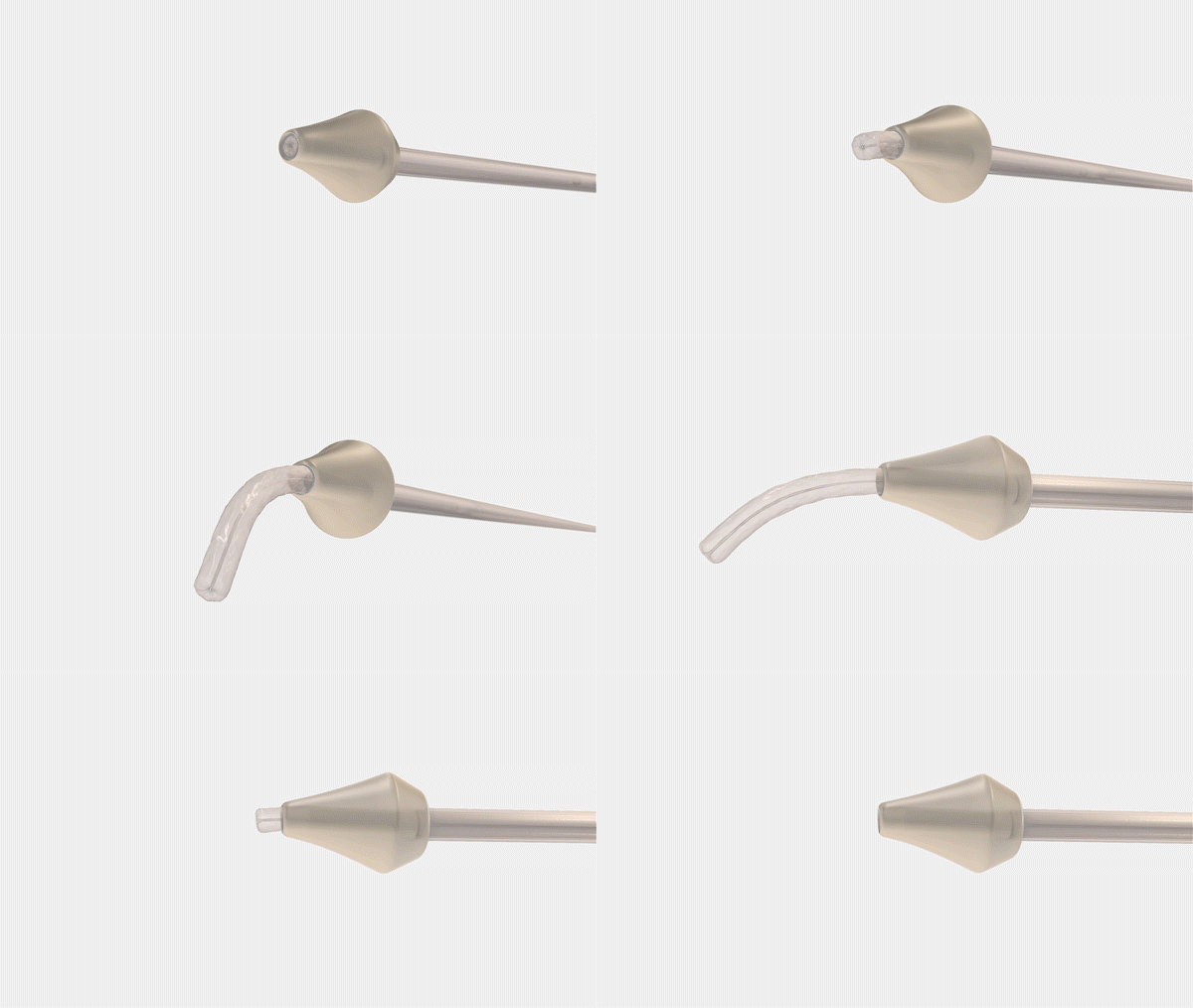
CrossGlide Technology
In addition,CrossGlide can automatically self-navigate along the shape of the cervical canal.No doctor operation required. It has currently received FDA approval for use in gynecological examinations, endometrial biopsies, in vitro fertilization, and embryo transfer.
This collaboration with Bayer aims to develop a technology equipped with CrossGlide.Single-Handed Placement Device, this device will be used in conjunction with Bayer's hormonal intrauterine system. Notably,In order to enable Bayer to further industrialize the adjustment of CrossGlide technology at its Turku company in Finland, the agreement includes an option for licensing the technology, but the specific financial terms of the agreement were not disclosed.
In the announcement, Piush Vidyarthi, founder and CEO of CrossBay Medical Inc., stated that the company will continue to develop and commercialize various gynecological medical devices utilizing CrossGlide technology in the coming years.
Collaborate with Hologic
In addition to its collaboration with Bayer, CrossBay Medical Inc. is continuously establishing strategic partnerships with other collaborators in the healthcare industry to drive innovation in the field of women's health care.

In 2017, CrossBay Medical Inc. received approval from the United States and the European Union to launch the first product utilizing CrossGlide technology, the "CrossBay IVF Embryo Transfer Catheter Set."In 2018, the company licensed the product and its related intellectual property to Vitrolife AB, a Swedish assisted reproductive technology product development company.
In the same year, the company licensed its second cervical dilator product using CrossGlide to Hologic, and the following year, their jointly developed cervical dilator Definity was launched for sale.In 2019, CrossBay Medical Inc. announced that its CrossGlide technology-based Endometrial Tissue Sampler (ETS) received European CE certification, marking the third product utilizing CrossGlide technology introduced by the company for endometrial biopsy procedures.
Bayer is a leading company in the healthcare industry, consistently committed to women's health by providing innovative treatment solutions, including various short-term and long-term contraceptive methods, as well as menopause management and gynecological disease treatment. Additionally, Bayer focuses on innovative options to address unmet medical needs of women globally and expand treatment choices.
In addition to developing a one-hand placement device equipped with CrossGlide technology in collaboration with CrossBay, Bayer also aims to integrate it with its own range of products to boost sales of its levonorgestrel intrauterine systems, including Mirena, Kyleena, and Skyla.
Mirena
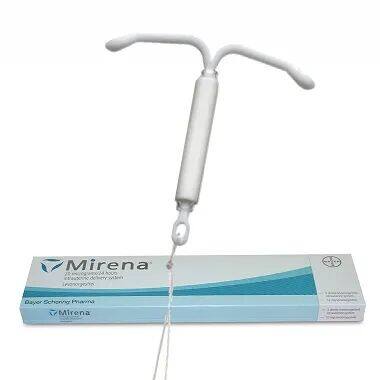
The Chinese name "曼月乐 (Mirena)" is a type of intrauterine device. Its shape is a white plastic frame, about 32mm in length, with a lumen on the longitudinal arm of the frame.The lumen is equipped with 52mg of levonorgestrel,Releasing 20ug daily, acting on the local endometrium,Sustained release for 5 years.
Kyleena
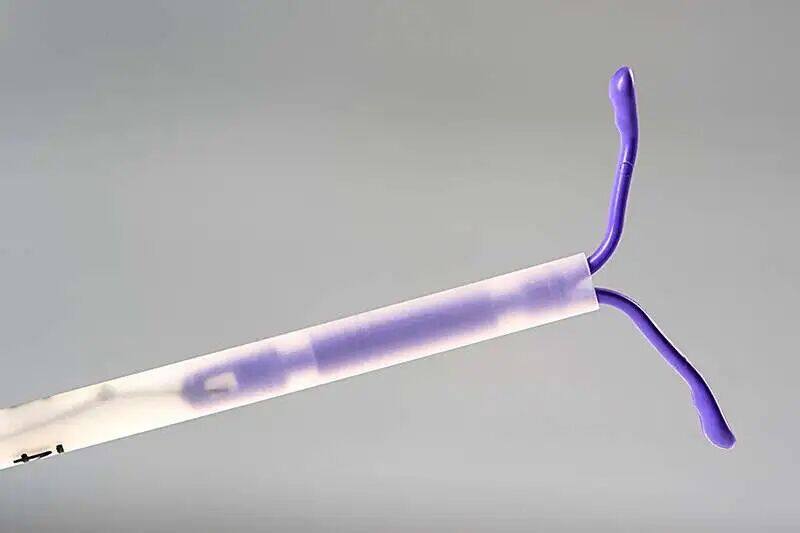
Kyleena is an intrauterine device launched by Bayer in 2016. It is a small, flexible, plastic ring-shaped product.According to the official statement,Each Kyleena contains 19.5mg of the progestin hormone levonorgestrel.The service life can be up to 5 years, and compared with emergency contraceptive pills, it has the advantage of "no harm to the body" and achieves long-term contraception.
Skyla

Skyla was approved by the FDA and launched in 2013.Compared with Mirena, Skyla contains only 13.5mg of levonorgestrel with an average release rate of 8μg and can be used for 3 years.Its T-shaped stent has a smaller volume, making it easier to place and remove; the upper part of the T-shaped stent has a silver ring, which can be located using ultrasound.
Notably, in 2021, Bayer announced that it would no longer focus on women's health as one of the company’s key R&D areas.And emphasized that they will focus their main market on research and development in core areas such as cancer, cardiovascular diseases, neurology, immunology, and rare diseases.
However, even as Bayer reduces investment in women's health, the company stated that it will continue research on certain specific projects, such as their work on elinzanetant, a non-hormonal drug for treating menopausal symptoms, which is expected to potentially become a blockbuster drug with sales exceeding 1 billion euros.
In addition, Bayer has been strengthening the layout of another core business in recent years.
Layout Artificial Intelligence
On January 18 this year,Bayer announced the acquisition of Blackford Analysis Ltd, a global strategic imaging artificial intelligence platform and solutions provider, for $13.3 billion.To advance its radiology innovation strategy.
This 200-year-old giant said,From then on, he will firmly commit to research and development, including the use of artificial intelligence and the promotion of medical imaging innovation, with the goal of surpassing the radiology department's annual growth rate of 5% by 2030.

Bayer Radiology
In fact,Bayer has a century-long legacy in the field of radiology.Its product portfolio includes contrast agents for computed tomography (CT), X-ray, and magnetic resonance imaging (MRI) enhancement examinations, precise intelligent high-pressure injection systems used during enhancement or nuclear medicine examinations, and information solutions that support efficient and optimized patient diagnosis and treatment.
Last year,Bayer Launches Calantic Digital Solutions, a Suite of Artificial Intelligence Applications Supporting Digital Imaging Diagnostics,Aimed at assisting radiologists and their teams in providing support during critical steps of the patient treatment process.

This platform provides AI vendors with a neutral, cloud-based integrated solutions platform, and gradually increases its number of applications, aiming to support disease triage, lesion detection, quantitative analysis, and improve diagnostic efficiency.And applications that automatically perform routine film-reading tasks and quantitative analysis, which will effectively improve the workflow of radiology departments and save time for radiologists and their teams.
By providing the Calantic digital solutions platform, Bayer will expand its comprehensive portfolio including contrast agents, medical devices, software, and services. The new platform will support healthcare professionals throughout the entire patient journey from diagnosis to treatment.Provide support in management.
--
Notably, as early as the beginning of 2021, Bayer announced that it would no longer prioritize women's health as one of its key research and development areas. The company stated that they would focus their main efforts on the research and development of core fields such as cancer, cardiovascular diseases, neurology, immunology, and rare diseases.Although the company previously emphasized that it would reduce investment in female health drug research, Bayer seems still willing to invest some funds in the contraception field.
So, what "high-tech" products will the collaboration between these two companies to tap the potential of the intrauterine device market bring us in the future? Medical Device News will continue to follow.
Welcome to follow WeChat Video Channel


Heavyweight! The first domestically produced intracardiac ultrasound product approved by NMPA
Pioneer of Tumor Electric Field Therapy Lays Off 200 Employees
Over 3.5 Billion: Imaging Giant Announces Major Collaboration
Innovation Leads the Way: United Imaging Sets a New Benchmark for Chinese Medical Technology Going Global
First Certification in China: "AI-Powered Innovative Medical Device" Drives Digital Upgrade in Orthopedics
The First Stock of Medical Device SOE Reform, Late-Night Barrage of Announcements
"Laparoscope Giant" Makes Another Acquisition
Fosun Group, This Company to Be Spun Off and Listed
RSNA Preview: GPS, United Imaging Healthcare, Canon...


BusinessBusiness cooperation email: qxzj@landianyiliao.com