Moon Surgical Files for IPO to Challenge Intuitive Surgical's Da Vinci with AI-Powered Maestro Robotic System

MastOR
Surgical Robot Developer

Johnson & Johnson
Healthcare Product Manufacturers, Health Service Providers
NVIDIA
Artificial Intelligence Computing Service Provider

Pioneer in Medical Device Media Reports
Share Professional Medical Device Knowledge

Source:Instrument Family,Reproduction without authorization is prohibited, and reproduction is allowed 24 hours later.
Recently, the Medical Device News learned that Moon Surgical, a surgical robot company invested in by Johnson & Johnson and NVIDIA, the leader in artificial intelligence chips,It sets its sights on the soft tissue surgical robot market dominated by Intuitive Surgical's da Vinci Surgical Robot, aiming to establish a foothold in this market.

It is reported that Moon Surgical was founded in 2019 by two founders, Brice Gayet and Pierre Campredon.The commercial version of the Maestro robot received the CE mark in September and is expected to gain FDA approval in the coming months.It is worth mentioning that Dr. Frederic Moll, the chairman of Moon Surgical's board of directors, was a co-founder of Intuitive Surgical and the namer of the da Vinci surgical robot, earning him the title of "Father of Surgical Robotics."
Moon Surgical (formerly MastOR) is an early-stage medical device company headquartered in Paris, focusing on developing surgical robots for laparoscopic assistance. Founded in 2019 by Brice Gayet and Pierre Campredon, the two founders, its core technology stems from joint research between the ISIR Robotics Laboratory at Sorbonne University and world-renowned surgeon Professor Brice Gayet, a pioneer in minimally invasive surgery.
MastOR Surgical Robot System
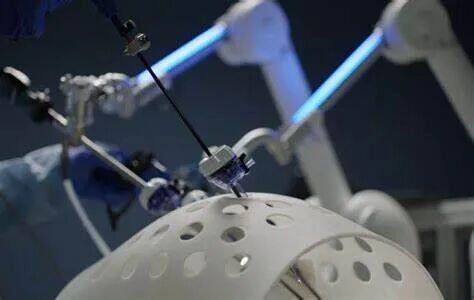
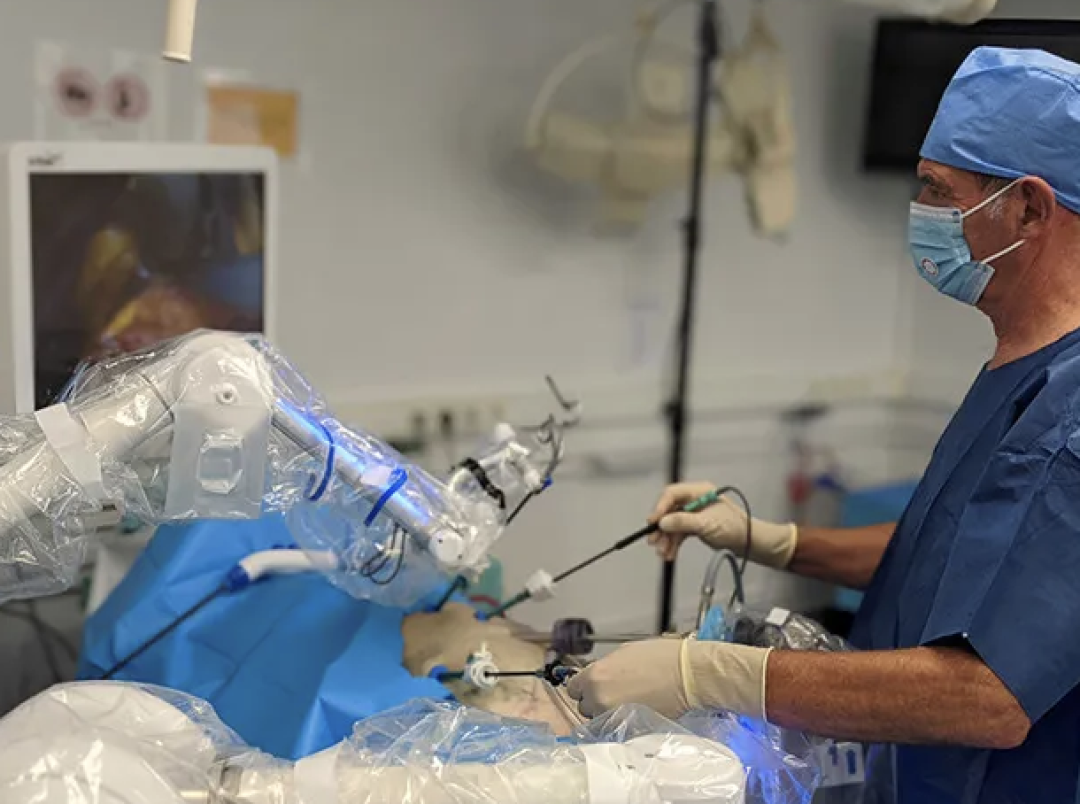
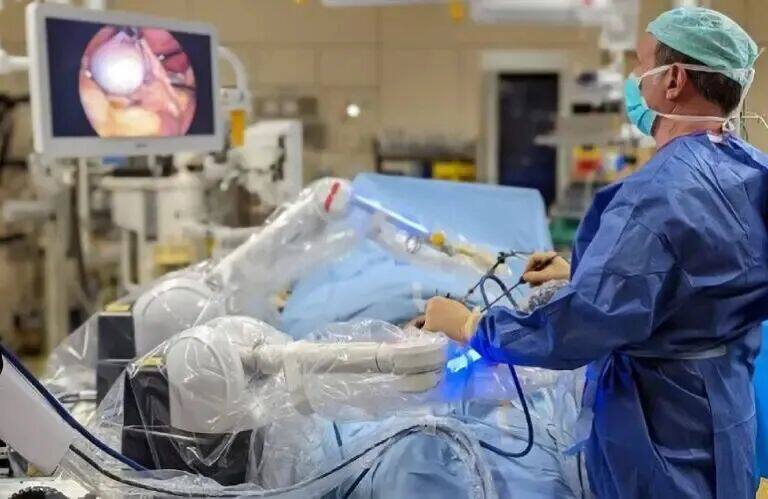
Based on unique core technology,Moon Surgical has developed a small, adaptable surgical robotic system - the Maestro system.This system is a dual-arm surgical robot collaboration platform capable of replacing surgical assistants to aid the chief surgeon during operations. It is also a "modular surgical robot" positioned opposite the doctor, allowing the doctor to conveniently move the arms and stabilize soft tissues.
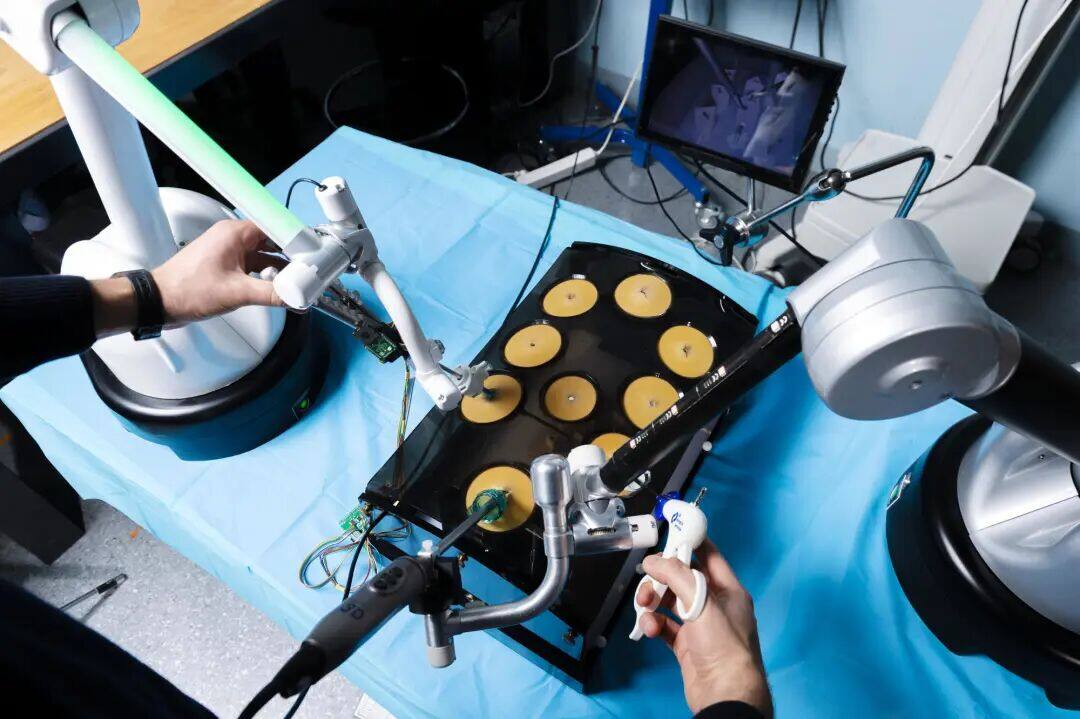
Thanks to magnetic coupling technology, the robot is compatible with any off-the-shelf laparoscope and medical instruments, reducing surgical costs. The design of the Maestro system specifically aims to enhance the precision and control in laparoscopic surgery, thereby supporting high-volume surgeons in performing procedures such as cholecystectomy and ventral hernia repair, as well as more complex multi-quadrant surgeries.Can be seamlessly integrated into existing clinical surgical workflows, replacing surgical assistants and improving surgical efficiency.
Advantage
Specifically, the Maestro surgical robot system has many advantages: simple structure, does not change the doctor's surgical habits, no need for re-learning; no need for an assistant to hold the endoscope, the chief surgeon can independently control the endoscope; compact equipment size, no need to remodel the operating room; the doctor operates beside the operating table with a sense of "touch"; compatible with traditional instruments (such as trocars, staplers, ultrasonic scalpels, endoscopes, etc.); low cost, consistent with the cost of traditional laparoscopic surgery.
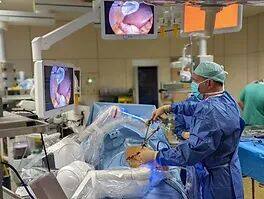
In addition, Moon Surgical has equipped Maestro with intraoperative camera tracking software through collaboration with the NVIDIA AI platform.With this intelligent system, MastOR's two robotic arms can learn to autonomously record the lead surgeon’s habits, automatically follow the instruments operated by the surgeon, and track the surgeon’s movements as well as the environment in the operating room, so that they can ultimately adjust the positioning of the two robotic arms to the optimal configuration before the surgery begins.
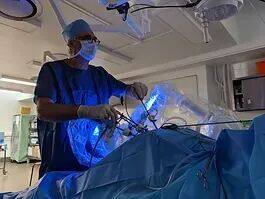
In the future, Moon Surgical envisions that in some minor surgeries, doctors will no longer need surgical assistants. Only one surgeon and a Maestro surgical robotic assistant will be required to complete the procedure.
Johnson & Johnson, NVIDIA Invest
From December 2022 to April 2023, over a span of four months, Maestro received two key approvals: clearance from the U.S. FDA and the EU CE certification.
Since its establishment, Moon Surgical has garnered significant attention from numerous investment firms, renowned enterprises, and scientists. It has secured investments from Sofinnova Partners,NVIDIA Ventures、GT Healthcare Capital、Johnson & Johnson Innovation(JJDC、Cathay Health), Sofinnova Partners, Yann Fleureau, Siddarth Satish, Sacha Loiseau, Richard Leparmentier, and Cathay Global Healthcare Fund, among other renowned investors, have invested over 100 million US dollars.
Targeting the Soft Tissue Surgical Robot Market Dominated by Da Vinci
Public information shows that on May 17, 2023, Moon Surgical announced the appointment of Fred Moll, M.D., as Chairman of the Board ("Chairman"). It should be noted that,Dr. Frederic Moll is known as the "Father of Surgical Robotics" in the field of surgical robots.
"Father of Surgical Robots"
It is reported that Dr. Frederic H. Moll has co-founded three surgical robotics companies in the field of surgical robotics, each of which is extraordinary.Among them, in 1995, Moll, together with John Freund and Rob Younge, founded Intuitive Surgical, which is also the namer of the da Vinci surgical robot.In 2000, Intuitive Surgical went public at $9 per share, marking the beginning of its dominance in the surgical robotics field.
 Fred Moll, the current Chairman of the Board
In 2002, Moll left Intuitive Surgical to found Hansen Medical, serving as the founder and CEO. The company developed robotic systems for vascular interventions/electrophysiology procedures and related consumables.
In 2007, Moll, along with Hari Sundram and J.P. Velis, founded a surgical robotics company which was later renamed Auris Health. The company's Monarch system is a diagnostic tool that uses robotic-assisted endoscopy. Applied in the early and more accurate diagnosis of lung cancer, it received FDA approval in 2018.In 2019, Johnson & Johnson acquired Auris Health. Moll joined Johnson & Johnson as the Chief Development Officer and participated in the acquisition of Verb Surgical from Alphabet Inc.
Large-scale commercialization in 2025
With the support of Johnson & Johnson, NVIDIA, the "Father of Surgical Robotics," and various factors, Moon Surgical has experienced rapid development. Recently, in a media interview,Anne Osdoit, the company's chief executive officer, stated that by targeting the soft tissue surgery market dominated by Intuitive Surgical, Moon Surgical aims to establish a foothold in the robotic soft tissue surgery market.
Currently, the initial version of the Monarch system has received FDA clearance and CE marking, but it is not the commercial version. On September 19, 2023, the commercial version of Maestro received CE approval, and it is expected that the commercial version of Maestro will receive FDA approval in the coming months. Moon Surgical's plan is,Limited release in the U.S. market in 2024, followed by broader commercialization efforts in 2025.
Anne Osdoit, CEO of Moon Surgical, said, "The vast majority of laparoscopic surgeries today are not performed with the da Vinci robot, and it’s unlikely that the da Vinci will ever be in every operating room." "For example, in the U.S., there are approximately 30,000 operating rooms where laparoscopic procedures are performed, but only 4,800 have a da Vinci system. So we developed the Maestro system to help increase the penetration rate of robotic-assisted soft tissue surgery. We believe Maestro can significantly enhance existing practices without the expense, complexity, and cost associated with larger platforms."
With the rapid penetration of new technologies such as artificial intelligence and the Internet of Things, healthcare is fully integrating with robotics, leading to a major transformation in surgical technology. The surgical robotics industry is experiencing rapid growth. According to statistics, the global surgical robotics market is expected to reach $28.51 billion by 2025, with a compound annual growth rate (CAGR) of 27.1% from 2021 to 2025.By 2030, the global surgical robot market will reach 61.9 billion USD. With the rapid development of minimally invasive surgical technology, the surgical robot market holds tremendous growth potential.
In the field of soft tissue surgical robots, due to the high technical, research and development, financial, and patent barriers, the industry's entry threshold is relatively high. As a result, the soft tissue surgical robot market has long been in a highly monopolized state, with the da Vinci Surgical Robot accounting for more than 80% of the global market.In recent years, in the international market, the competition has become increasingly fierce with the participation of medical device giants such as Medtronic, Johnson & Johnson, Vicarious Surgical, Moon Surgical, Galen Robotics, CMR Surgical, and Asensus Surgical.
In the Chinese market, although the surgical robot market started relatively late, it has experienced rapid development in recent years driven by various factors such as policies, market demand, and technological breakthroughs. An institution once predicted that by 2026, the market size of China's surgical robot sector will grow to 24.2 billion RMB, with an annual compound growth rate as high as 44.3%.In the field of soft tissue surgical robots, many Chinese participants, such as Surgerii, JINGFENG Medical, SIERUI, MicroPort Robot, and Weigao, have received approval for multiple products. The domestically produced version of the da Vinci system has also been approved, marking the beginning of intense competition.
Medtronic
Hugo RAS System: A modular multi-quadrant platform designed for a wide range of soft tissue surgeries. The surgical robot system launched by Medtronic utilizes a modular solution, focusing on overcoming the barriers of cost and application associated with surgical robots. The Hugo RAS system includes a surgical tower, console, surgical arms, and a mechanical cart.
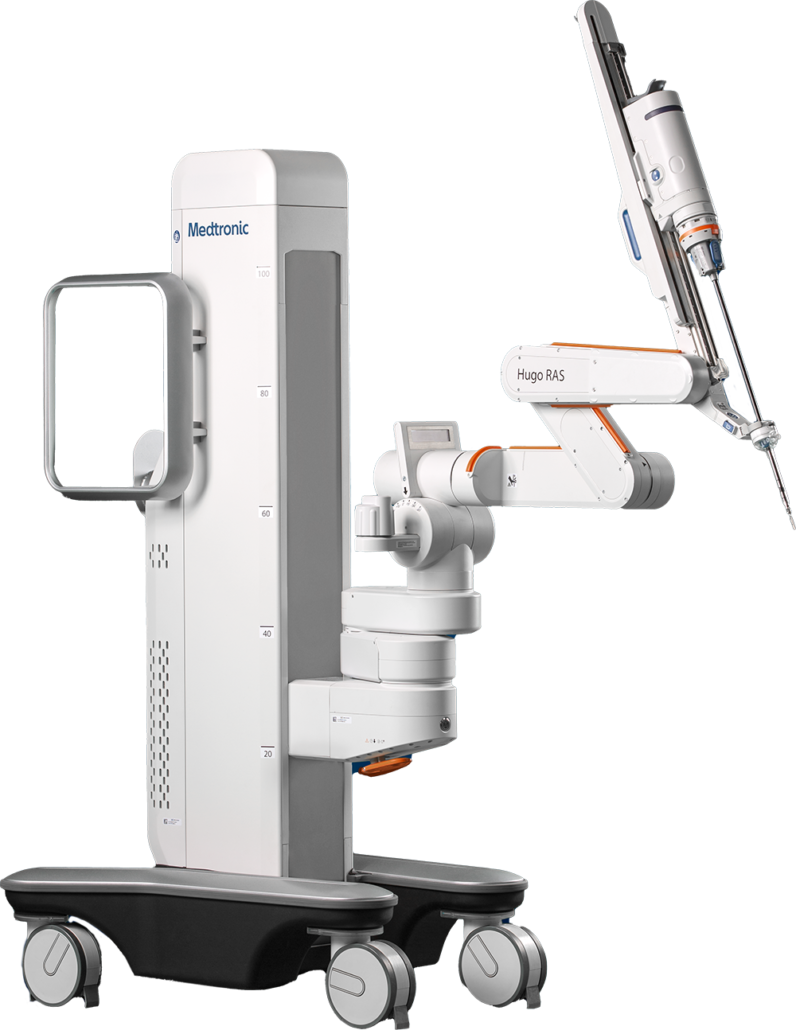
Data shows that Medtronic's Hugo has received regulatory approvals in the EU, Canada, Australia, and Japan, covering general surgery, urology, and gynecology indications.The system was also used for the first surgery in the Asia-Pacific region in Chennai, India, and in Latin America, it was used for a series of gynecological surgeries in Panama City. In December last year, it was announced that the first U.S. patient had participated in the Hugo clinical trial.
Johnson & Johnson
On February 13, 2019, Johnson & Johnson announced the acquisition of Auris Health for $5.75 billion, officially entering the surgical robot arena.In November 2020, Johnson & Johnson unveiled the Ottava surgical robot. Like the da Vinci system, it will be used for soft tissue robotic surgery.
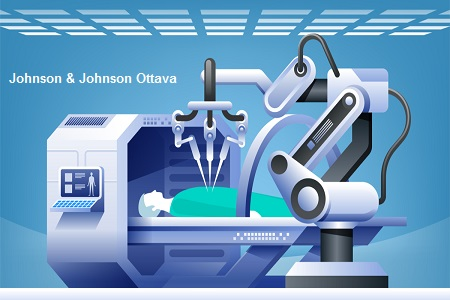
In November 2023, Johnson & Johnson announced plans to submit a clinical application to the U.S. FDA in the second half of next year to begin U.S. clinical trials of its Ottava system.
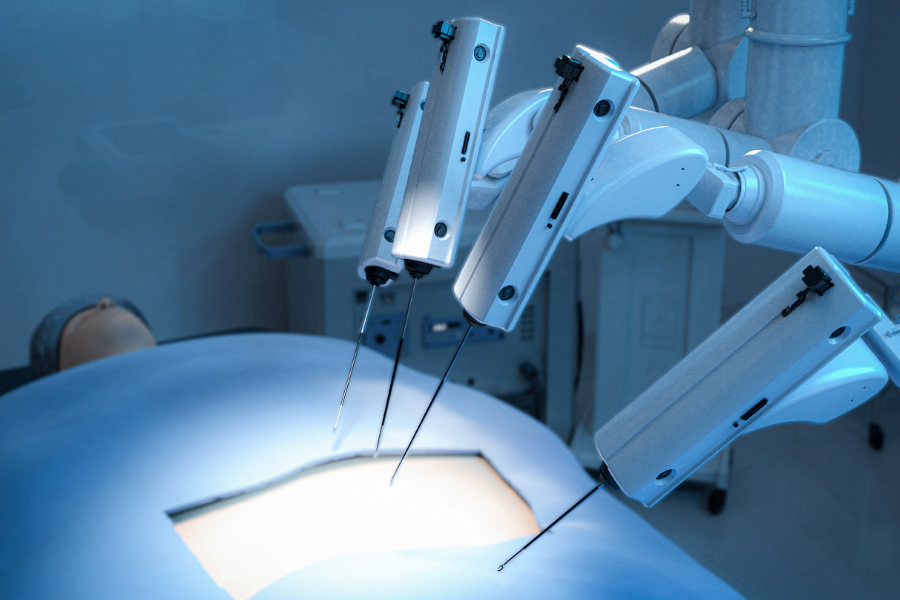
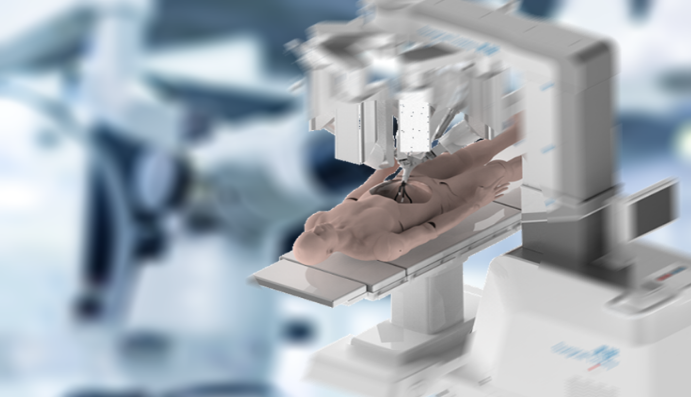
It is reported that the OTTAVA system is designed to be suitable for any operating room in the world, capable of seamless integration with the operating room to provide new clinical experiences. Specifically, in terms of structure and function, OTTAVA, as a surgical robot with four robotic arms, can integrate the four robotic arms into a standard-sized operating table, achieving a "two-in-one" structural design of the robotic arm & operating table. This design eliminates movement and collaboration barriers in robotic operating rooms, providing the surgical team with the freedom and flexibility to adapt to clinical workflows and personalized patient needs.
Asensus Surgical
Asensus Surgical, formerly known as TransEnterix, was originally founded in 2006 and is dedicated to shaping a broader future for surgery by combining computer vision and machine learning with surgical robotics.
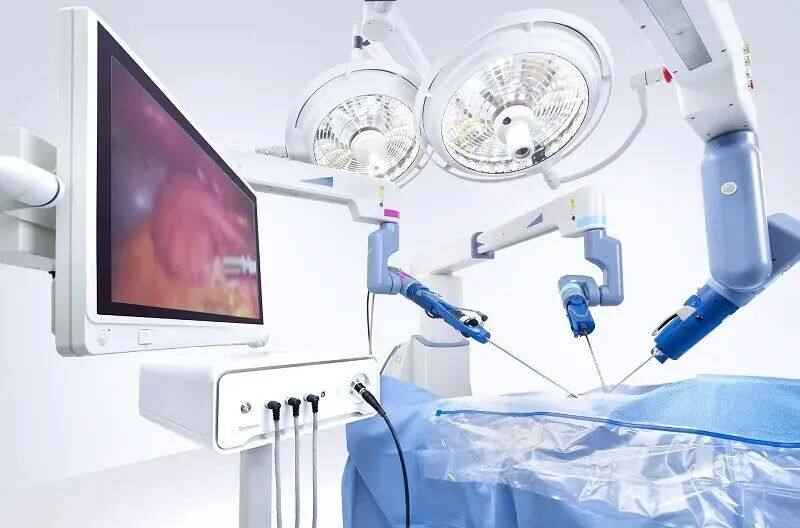
The flagship product developed —— the Senhance® Surgical Robotic Platform is the first and only digital laparoscopic platform, used in conjunction with the ISU system.It consists of three surgical robotic arms, a 3D imaging screen, and an ergonomically designed chair. This allows surgeons to sit comfortably at the console during surgery and view the surgical scene on the computer monitor using 3D glasses. It was approved for marketing in the U.S. in 2017, received EU CE certification the following year, and is currently available for sale in the United States, Europe, Japan, Russia, and other countries or regions. Notably, it is the first surgical robotic system to offer 3mm instruments, which are among the smallest instruments available on global robotic surgical platforms.
CMR Surgical
CMR Surgical, formerly known as Cambridge Medical Robotics founded in 2014, is a global medical device company. Its first surgical robot product, Versius, was successfully developed in 2017.It is the world's smallest surgical robot, capable of performing more than 130 types of surgeries, such as colectomies, hernia repairs, and lobectomies, covering seven surgical specialties.
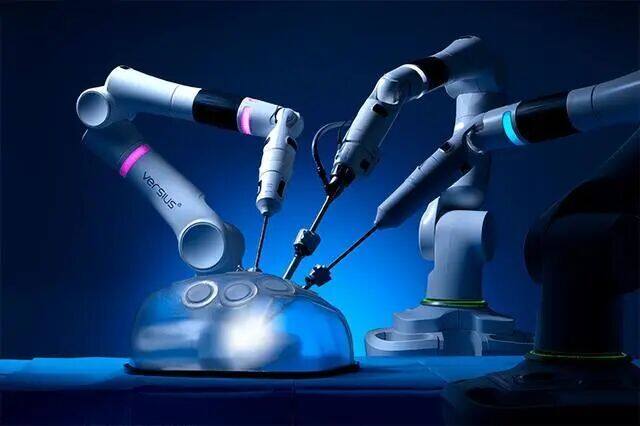
As a robot-assisted surgical device, Versius is designed to assist in precise control of its surgical instruments during urological, gynecological, and general laparoscopic procedures. It consists of a surgeon console, a visualization bedside unit (a modular robotic arm with an endoscopic camera attachment), and up to three instrument bedside units that can connect to a range of wristed surgical instruments.
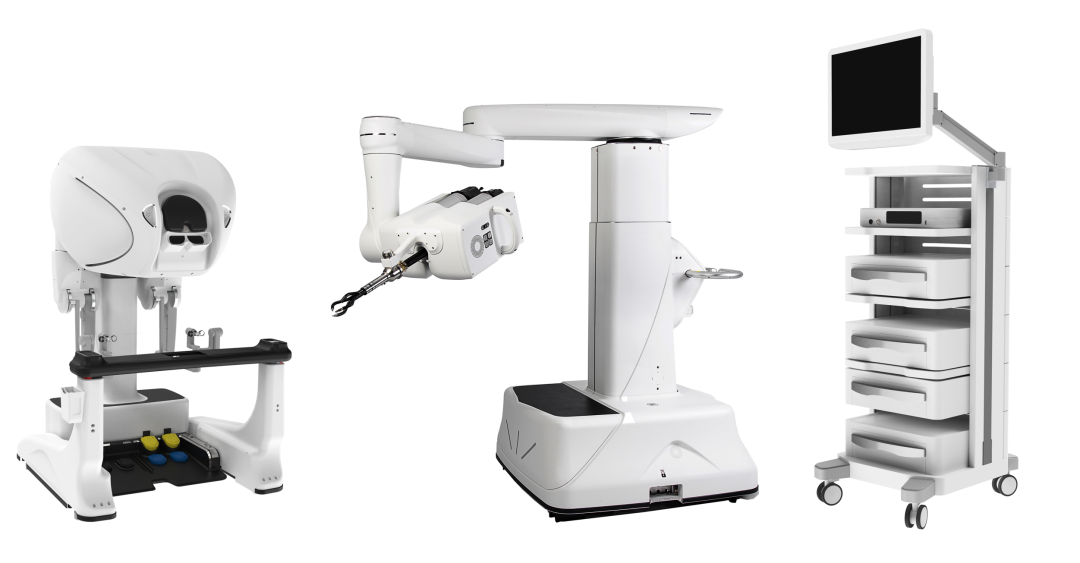
Surui Medical
Sizherui
Sizhery Intelligent Medical Equipment Co., Ltd., established in 2013, is a national high-tech enterprise in China that pioneered the research, development, production, and sales of endoscopic surgical robot technology and systems.A series of core technologies and original achievements have been formed in the field of surgical robotics, establishing a rich product matrix of surgical robots, including endoscopic surgical robots, transurethral flexible surgical robots, transoral surgical robots, cochlear implant surgical robots, and spinal endoscopic surgical robots.
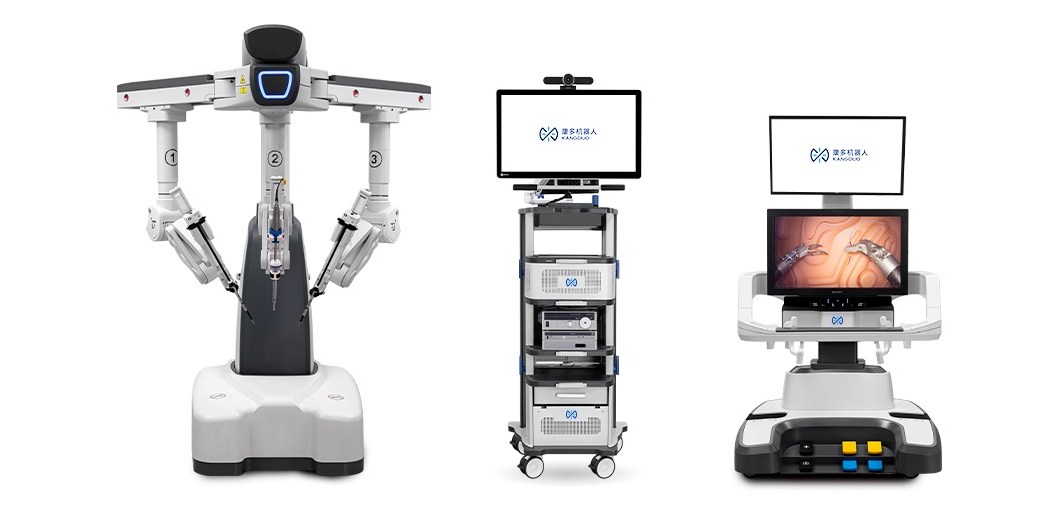
Among them, the core product, Kangduo Robot® SR1000, received the Class III medical device registration certificate from the National Medical Products Administration (NMPA) in June 2022. It is used for upper urinary tract endoscopic surgical procedures in urology.It is the first laparoscopic surgical robot in the urology field to enter China's Innovative Medical Device Special Approval Procedure (Green Channel) within the industry. It can assist doctors in performing minimally invasive surgeries in urology, gynecology, general surgery, and thoracic surgery, featuring precise intelligent control capabilities and a smooth, comfortable operational experience.
Minimally Invasive Medical Robot
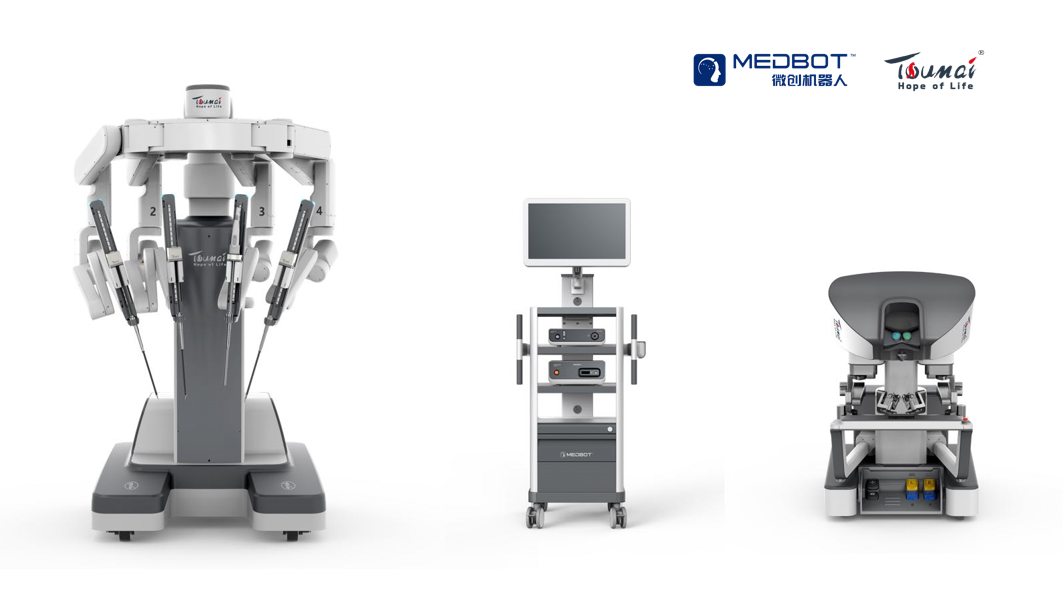
More exciting content
Welcome to follow WeChat Video Channel


Innovative Device Unicorn Files for Bankruptcy Restructuring
Bayer Strengthens Its Position in This Medical Device Field
The First Batch of GE Healthcare's Heavyweight Products Made in China Roll Off the Production Line
Pointing to China, FDA announces "withdrawal"
Johnson & Johnson Medical Technology Completes $2.6 Billion Acquisition
Philips Strengthens Collaboration to "Redefine Medical Imaging"
Medtronic CEO: Positive Response to China's Centralized Procurement
Heavyweight! The first domestically produced intracardiac ultrasound product approved by NMPA
Pioneer of Tumor Electric Field Therapy Lays Off 200 Employees
Over 3.5 Billion: Imaging Giant Reaches Major Collaboration


BusinessBusiness cooperation email: qxzj@landianyiliao.com