

EGFR-Mutant NSCLC Market Offers Vast Opportunities with Strong Competitive Edge for Domestic Innovative Therapies

Johnson & Johnson
Medical Device R&D and Manufacturer
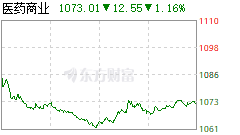
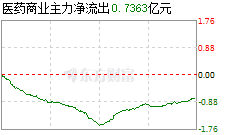
| Lead Rise Individual Thigh |
Name | Relevant | Price Change Range |
|---|---|---|---|
| Jianzhi Jia | Research Report Cash Flow | 0.53% | |
| Yixintang | Research Report Cash Flow | 0.25% | |
| Dasilin | Research Report Cash Flow | 0.12% | |
| Jiujiang Tong | Research Report Capital Flow | -0.14% | |
| Click to view all>> | |||
| Resources Gold Flow Entry |
Name | Relevant | Net Inflow (10,000) |
|---|---|---|---|
| Zhejiang Zhenyuan | Research Report Cash Flow | 2029.77 | |
| Yifeng Pharmacy | Research Report Cash Flow | 580.63 | |
| Liu Medicine Group | Research Report Cash Flow | 511.76 | |
| Haiwang Bio | Research Report Cash Flow | 438.76 | |
| Click to view all>> | |||
Key Investment Points
Event: On December 5, 2023, Johnson & Johnson held its Investor Open Day, during which the company introduced the progress of its innovative pipeline and its growth potential. In the field of lung cancer, the company has two marketed products: Amivantamab (an EGFR-MET bispecific antibody) and Lazertinib (a third-generation EGFR-TKI). Based on their excellent efficacy, the company expects that the peak share of these two products in first-line treatment could reach around 50%. The peak sales of the lung cancer product portfolio, including partner sales, are expected to reach $5 billion.
There is a significant unmet clinical need in the treatment market for EGFR-mutant NSCLC. According to the World Health Organization, there are approximately 2.2 million new cases of lung cancer globally each year, with NSCLC being the most common type, accounting for about 85%. The most common mutation in NSCLC is the EGFR mutation, which occurs in about 10-15% of the population in Western regions and 30-40% in Asian populations. EGFR mutations can be divided into classic mutations (e.g., L858R, exon 19 deletion mutations) and non-classic mutations (e.g., exon 20 insertion mutations). Classic mutations account for approximately two-thirds of all EGFR mutations. Patients with these mutations typically experience significant clinical improvement after treatment with EGFR-TKI inhibitors but are prone to developing resistance mechanisms. Each generation of EGFR-TKI drugs has been developed to address the resistance issues of the previous generation, leading to ongoing unmet clinical needs for patients who develop resistance. Currently, four third-generation EGFR-TKIs have been approved in China: osimertinib, almonertinib, furmonertinib, and bafonertinib. Non-classic mutations are mainly exon 20 insertion mutations, which account for approximately 12% of all EGFR mutations. Due to their unique spatial configuration and high heterogeneity, there has been a lack of safe and effective targeted therapies, resulting in poor patient prognosis and limited survival benefits, making this an urgent clinical challenge. Currently, three targeted drugs for second-line treatment of exon 20 insertion mutations have been approved globally: mobocertinib (which will be voluntarily withdrawn from the market), amivantamab, and sunvozertinib.
In China, Fumotinib and Befotinib Show Significant Efficacy Against Classic EGFR Mutations. Fumotinib, developed by Allist, is a domestically researched third-generation EGFR-TKI inhibitor in China. With its excellent efficacy and safety, it has become a potential preferred treatment option for 1L EGFR-mutated advanced NSCLC. Fumotinib has been approved for two indications: 2L EGFR T790M mutation and 1L EGFR-sensitive mutation, both of which have been included in the national medical insurance. Since its launch, Fumotinib has shown outstanding commercial performance, with Allist achieving revenue of 1.348 billion yuan (+160.34% year-on-year) in the first three quarters of 2023. Currently, Fumotinib is actively being developed for the treatment of atypical mutations such as EGFR exon 20 insertion and PACC rare mutations, as well as for combination therapies with other drugs, benefiting a wide range of patients. Additionally, Allist has introduced a new generation of EGFR-TKI, which is currently in preclinical development. Befotinib, the fourth third-generation EGFR-TKI inhibitor to be marketed in China, was co-developed by Betta Pharmaceuticals and Yifang Biotech. It was approved in May 2023 for the treatment of 2L EGFR T790M mutation and in October 2023 for the treatment of 1L L858R/exon 19 deletion mutation. Befotinib set a new record for PFS in the same treatment setting in both first-line and second-line clinical studies, making it a potentially preferred treatment option for patients and doctors.
For EGFR exon 20 insertion mutations in China, Sunvozertinib has a clear first-mover advantage. Sunvozertinib, the first innovative drug produced in China for second-line treatment of EGFR exon 20 insertion mutations, was approved for marketing in August 2023. Developed by Dizal Pharmaceutical, it is so far the first and only domestically produced innovative drug in the lung cancer field to receive "Breakthrough Therapy Designation" from both China and the United States. Currently, Sunvozertinib is exploring its potential application in first-line EGFR exon 20 insertion mutation and EGFR TKI-resistant patients, showing preliminary efficacy. In addition, Amivantamab’s market application for EGFR exon 20 insertion mutations in China was accepted in October 2023. Furmonertinib, for EGFR exon 20 insertion mutations in second-line treatment in China, has entered Phase II pivotal clinical trials, while first-line global Phase III patient enrollment in collaboration with ArriVent is ongoing; its domestic Phase Ib interim analysis has already demonstrated excellent efficacy and safety.
Investment Advice: In the NSCLC field, there is a significant unmet clinical need in the post-EGFR-TKI resistance market and in the treatment market for non-classical mutations, especially EGFR exon 20 insertion mutations. It is recommended to pay attention to innovative pharmaceutical companies that are developing pipelines for these products and next-generation EGFR-targeted drugs, such as Allist Pharmaceuticals, Betta Pharmaceuticals, and Dizal Pharmaceutical.
Risk Warning: Risks of industry policy changes, risks of new drug research and development, uncertainties in the market launch of products under research, risks of reliance on a single product, market competition risks, etc.