

Pfizer Publishes Review in npj Systems Biology and Applications: Harnessing Synthetic Biology to Advance RNA Therapeutics and Vaccine Design

Pfizer
Pharmaceutical R&D Developer
Recently Based onmRNAThe COVID-19 vaccine was successfully developed based onRNATreatment Methods Pave the Way for a Complete Transformation of the Pharmaceutical Industry. However, historical treatment options are continuously updated and reimagined in the context of new technologies, such as applying synthetic biology to promote therapeutic solutions. When it comes to therapies and vaccine development in genetic forms, synthetic biology provides a variety of tools and methods to influence the content, dosage, and breadth of treatments, with the potential to bring economic advantages in terms of time and cost efficiency. This can be achieved by enhancing the functionality and efficacy of drug sequences through the extensive tools available within this discipline.
Recently, researchers from Pfizer, Inc. in the United States published a research paper titled "Harnessing synthetic biology for advancing RNA therapeutics and vaccine design" in the Nature sub-journal npj Systems Biology and Applications.The review describes how the principles of synthetic biology can enhance RNA-based therapies by not only optimizing vaccine antigens, therapeutic constructs, therapeutic activity, and delivery vectors. The implementation of synthetic biology to enhance RNA vaccine technology has the potential to shape the next generation of vaccines and treatments.
I. Preface
Synthetic biology is a scientific field that involves rewiring organisms or biological molecular components to achieve new and desired capabilities. It encompasses a variety of applications, from designing enzymes or enhancing their activity, to assembling genetic parts in a synthetic manner and developing cellular therapies. Although synthetic biology itself is a relatively new field that emerged in the early 2000s, the tools necessary for designing living systems had been developed over decades prior to the formal establishment of the field, with roots tracing back to the discovery and development of genetic engineering technologies in the 1970s.
In the past, synthetic biologists primarily used DNA as the molecular choice for designing synthetic systems. As a result, synthetic DNA has played a crucial role in the development of artificial genes, gene regulatory networks, and even entire genomes, enabling scientists to study complex biological processes and even create synthetic organisms. However, with the rise of RNA therapies, there is growing interest in developing synthetic systems that exploit the unique properties of RNA molecules. RNA is not just a messenger; it plays a direct role in regulating cellular behavior.In the past few years, a large number of RNA partial libraries that affect almost every step of biological control have become available. Constructing RNA-based systems using these libraries is safer than systems built from DNA because they do not integrate into the host genome, making them suitable for therapeutic applications with higher safety standards. Unlike DNA-based systems, RNA-based systems constructed from RNA devices and modules do not require transcription.Using different RNA component libraries, researchers have begun to generate RNA-based systems that combine environmental sensing with functional outputs for therapeutic synthetic biology applications.
The recent success of mRNA COVID-19 vaccines has sparked a surge of interest in RNA therapeutic technologies and how they can be leveraged within the field of synthetic biology. In particular, some challenges associated with RNA technology can be addressed through synthetic biology. For instance, base modifications and mRNA circularization are used to reduce mRNA immunogenicity and increase mRNA longevity, respectively. By combining various biomolecular features in novel and synthetic ways, the inherent plasticity of RNA can be enhanced. As technology advances, scientists are uncovering new opportunities to integrate RNA platforms with synthetic biology, paving the way for innovative therapies that could revolutionize the pharmaceutical and healthcare industries.
2. Biomedical Applications of RNA in Synthetic Biology
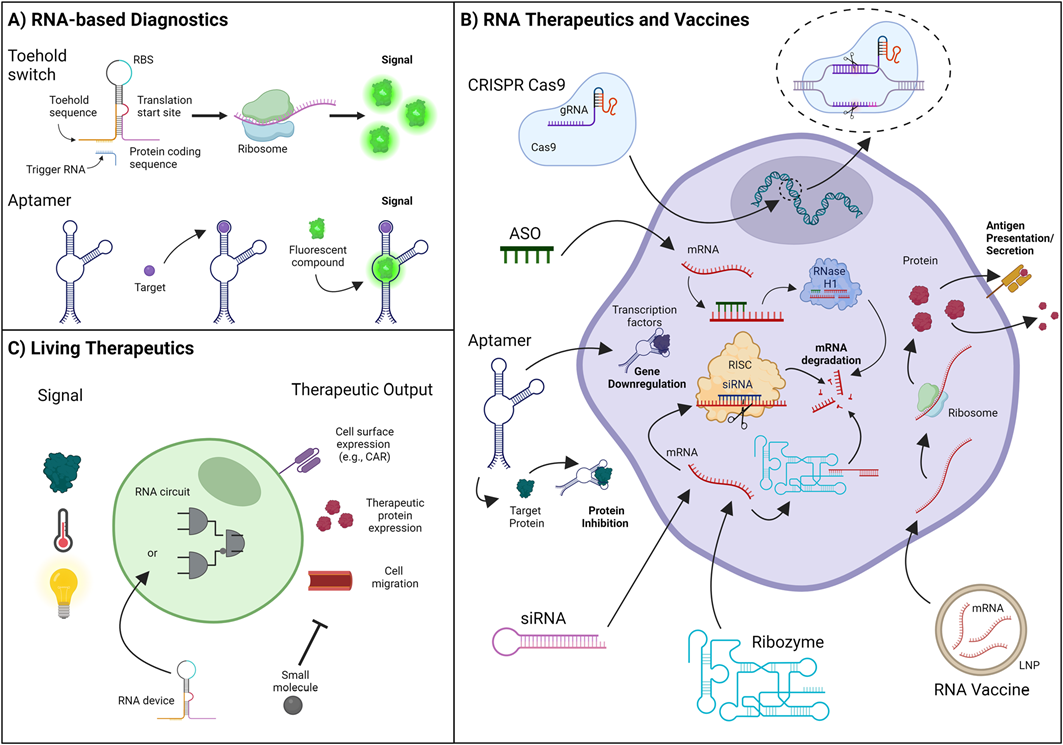
RNA-based synthetic biological systems are composed of heterologous components capable of controlling gene expression in response to specific exogenous cues or endogenous metabolites.These components, known as RNA devices (such as RNA aptamers, ribozymes, and RNA switches), can be used as sensors, regulators, or signaling molecules. When applied in synthetic biology, these devices can be improved by introducing new components or combined with other devices for use.When assembled into network-like structures, RNA devices can form synthetic circuits that perform more complex functions such as gene expression regulation, signal amplification, and logic operations. Not surprisingly, these devices and circuits, with their ability to control cellular behavior, have been widely applied in the development of new diagnostic strategies and therapeutic approaches.
1. Diagnostic Tools
Synthetic biology can obtain various RNA-based sensors and signaling molecules, accelerating the development cycle and providing solutions that can overcome these limitations. In fact, many RNA-based diagnostic methods have been developed for a wide range of diseases, which could potentially reduce the costs and time associated with traditional methods.
Although different RNA devices can be employed in these tools, the overall strategy remains unchanged: design an RNA molecule that can bind to a pathogenic nucleic acid sequence or other non-nucleic acid target sequences, thereby generating a detectable signal (e.g., fluorescence or color change). For instance, switches rely on conformational changes of the RNA device upon binding to the target sequence, which triggers the translation of downstream reporter genes (such as gfp).In recent years, aptamer-based sensors or aptasensors have also gained prominence in detecting cancer biomarkers (e.g., HER2), cardiovascular diseases (e.g., C-reactive protein), neurological disorders (amyloid-beta), and infectious diseases.
2. Living Body Therapy
RNA Devices Enable Engineering of Living Therapies, Such as Cell Therapies, Which Have the Ability to Sense and Respond to Environmental Cues Providing Information About Their Location, Associated Disease States, and Therapeutic Windows. These Cell Therapies Include Circulating Cells, Implantable Cells, and Tissue-Resident Human Cells. For Example, RNA Devices Can Control Engineered T Cells (i.e., CAR T Cells) to Enhance the Safety and Efficacy of CAR-T Therapy. Although CAR-T Clinical Outcomes Are Promising, Severe Adverse Events Such as Cytokine Release Syndrome Are Complex to Treat and Occasionally Fatal. RNA Devices Like RNA Switches Can Be Designed to Respond to Cues Such as Temperature Changes or the Presence of Small Molecules, Triggering the Inactivation of Engineered T Cells. These Devices Can Also Be Designed to Be Activated in the Presence of Specific Molecules or Environmental Conditions, Triggering CAR Expression and Enabling T Cells to Target Cancer Cells, Reducing the Risk of Cell Therapy-Related Adverse Events, and Improving Patient Outcomes.
3. RNA Therapies and Vaccines
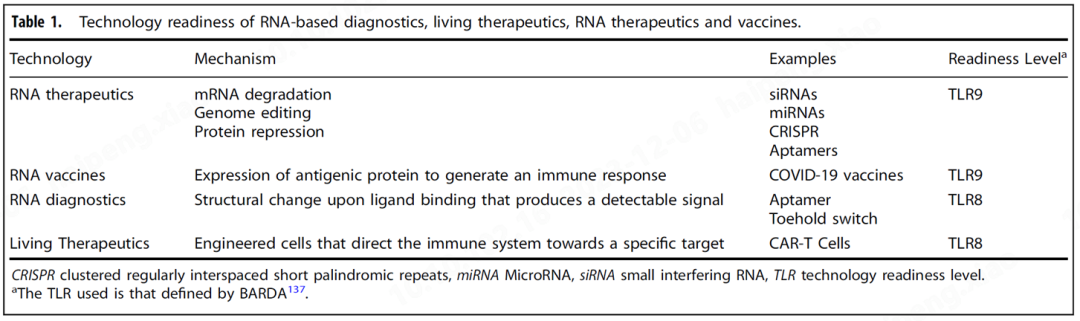
RNA Devices Are Becoming Increasingly Popular as a Means of Regulating Gene Expression, Enabling the Development of Gene Therapies for a Range of Diseases.Manipulating the expression or activity of therapeutic targets using three main methods: (1) ASOs, (2) siRNA, and (3) CRISPR.
3.1 ASOs
ASOs are single-stranded RNAs complementary to mRNA, regulating gene expression by inhibiting RNA translation and promoting degradation. ASO therapies can be divided into two main categories: (1) Target mRNA cleavage therapy and (2) Therapy modulating pre-mRNA splicing. The first category of drugs cleaves target mRNA by binding to the target mRNA sequence, promoting the degradation of target mRNA through RNase H activity that cleaves sequences within DNA-RNA duplexes. FDA-approved drugs utilizing this mechanism of action (MoA) include mipomersen and inotersen, for treating homozygous familial hypercholesterolemia and hereditary transthyretin amyloidosis, respectively. The second category of ASO therapy uses a steric hindrance-based mechanism to modulate pre-mRNA splicing. This MoA is particularly interesting for treating genetic diseases; drugs golodirsen and eteplirsen both target Duchenne muscular dystrophy, while nusinersen targets spinal muscular atrophy.
3.2 siRNA
siRNA Utilizes the RNA Interference (RNAi) Pathway, in Which siRNA Interacts with Argonaute (AGO) Proteins to Form RNA-Induced Silencing Complexes (RICS) That Suppress Target mRNA Expression. Unlike ASOs and Most Other RNA Drugs, siRNA Molecules Are Double-Stranded and Promote Their Activity Without Chemical Modification. Currently, Only Three FDA-Approved Drugs Leverage siRNA: These Include Patisiran, Givosiran, and Lumasiran, Which Target Hereditary Transthyretin-Mediated (hATTR) Amyloidosis, Acute Hepatic Porphyria, and Primary Hyperoxaluria or Mixed Dyslipidemia, Respectively.
3.3 RNA Aptamer
RNA Aptamers Provide an Effective Method to Control Gene Expression by Binding Specifically to Proteins Involved in the Gene Expression Process, Such as Transcription Factors. RNA Aptamers Offer Several Advantages Due to Their Ability to Target Both Intracellular and Extracellular Molecules. Unlike Other RNA-Based Therapies That Require Entry into Cells to Function, RNA Aptamers Can Directly Bind to Extracellular Targets, Thereby Inhibiting or in Some Cases Stimulating Their Function. For Example, Pegaptanib6, Which Binds Vascular Endothelial Growth Factor, Has Been Successfully Used to Treat Age-Related Macular Degeneration (AMD).
3.4 RNA Vaccines
RNA Vaccines Aim to Introduce Synthetic RNA Encoding Pathogen-Specific Antigens (e.g., the SARS-CoV-2 Spike Protein) into Cells to Trigger an Immune Response Against the Target Pathogen. Compared with Traditional Vaccines (such as Virus-Based, Viral Vector, and Protein Vaccines), RNA Vaccines Offer Advantages in Development Speed, Scalability, Safety, and Immunogenicity. For Example, Synthetic Cell-Free Production Methods Enable mRNA Vaccines to Be Rapidly Manufactured at Scale, Making Them Particularly Suitable for Responding to Emerging Infectious Diseases like COVID-19. In Fact, Pfizer/BioNTech and Moderna’s mRNA Vaccines Were Conceived, Designed, Clinically Tested, and Granted Emergency Use Authorization in Less Than a Year.
mRNA Vaccines Are Not Limited to COVID-19: Recent studies have shown that mRNA vaccines have the potential to become a powerful means of protective immunity against various infectious diseases, such as influenza virus, dengue virus, herpes simplex virus type 2 (HSV-2), rabies, and Zika virus. However, using the host's synthetic machinery to produce bacterial proteins may lead to issues like folding, transport, and post-translational modification difficulties. There is currently no way to use mRNA vaccines to produce more complex biomolecular antigens in human cells, such as the polysaccharides found in pneumococcal vaccines (e.g., Prevnar and Pneumovax), which limits their competitive ability with established bacterial vaccines. Additionally, preliminary research on mRNA vaccines has indicated that they are capable of inducing an immune response against cancer cells, enabling the body’s own defense system to recognize and attack them, with promising results observed in the treatment of breast cancer and prostate cancer.
4. Advancing RNA Vaccines through Synthetic Biology
By leveraging the existing protein synthesis machinery in transfected cells, mRNA vaccine-based approaches can theoretically turn human cells into factories for any protein antigen or therapeutic agent.However, in practice, factors such as gene size or number, organism-dependent codons, protein confirmation, and post-translational modifications may limit the effective delivery of mRNA vaccines. The synthetic nature of mRNA vaccines provides numerous opportunities to apply synthetic biology principles to overcome these potential barriers.
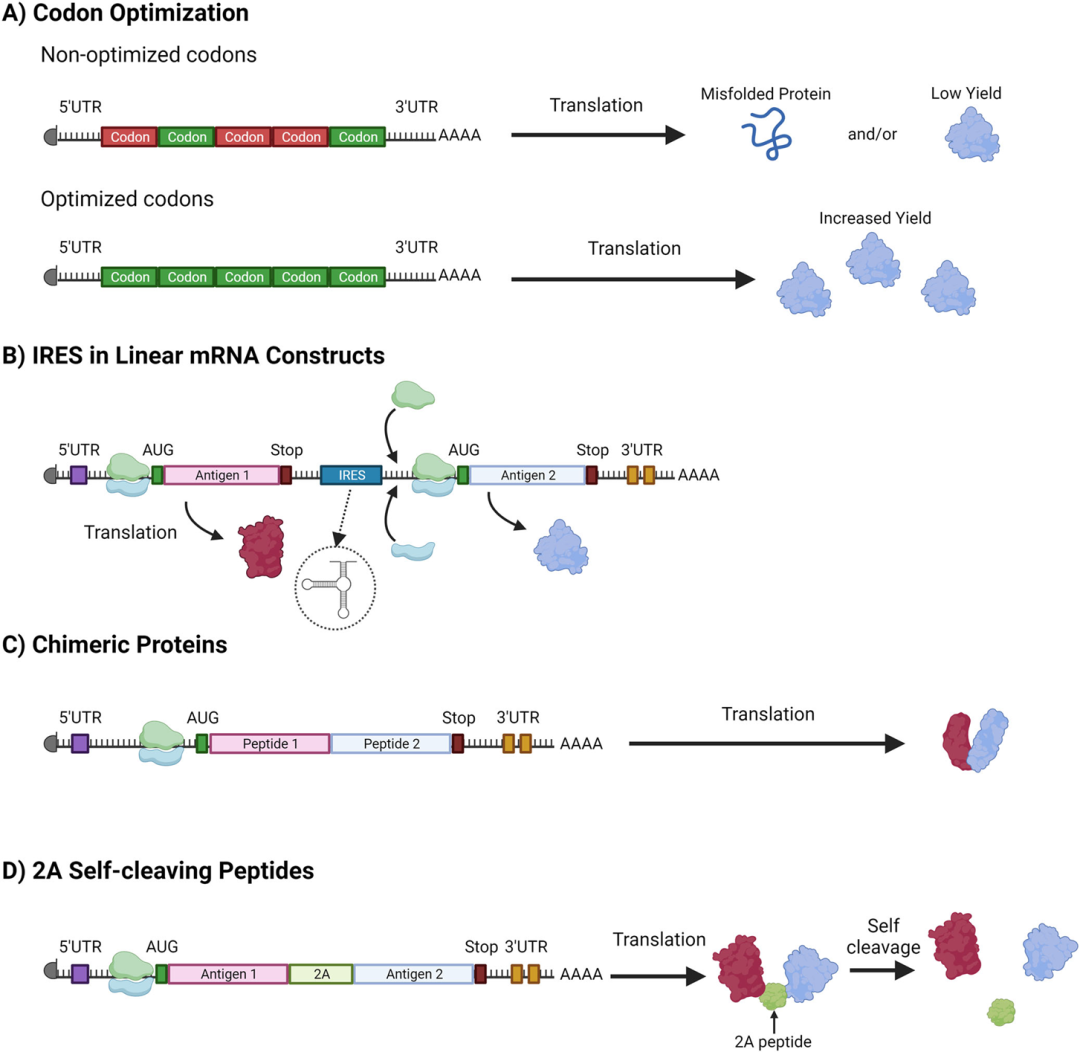
One such tool is codon optimization, the process of optimizing codons in synthetic constructs for protein expression.Through computational tools, such as deep learning, this process has been greatly advanced. However, when applying this process to vaccine design, some risks associated with codon optimization should be considered. For instance, overly rapid translation may lead to protein misfolding. Additionally, there is evidence that codon optimization is context-dependent, influenced by neighboring codons and cellular metabolic states, suggesting the need to gather further information to enhance the application of codon optimization in drug development.
Due to the size limitations associated with mRNA vaccines, the design of bacterial pathogen vaccines can be particularly challenging, as multiple antigens are required to account for the complexity of the pathogen's physiology or pathology, leading to increased costs and complexity and potentially reduced delivery efficiency. However, synthetic biology principles developed for recombinant protein expression can be utilized to overcome these obstacles. For instance, the size constraints of genetic vaccine constructs can be circumvented by encoding chimeric proteins or proteins composed of immunogenic epitopes from multiple proteins. In this way, epitopes from different strains, disease stages, or even different pathogen-related proteins can be combined to provide more comprehensive protection. A chimeric mRNA vaccine is under development that combines the SARS-CoV-2 spike with the influenza hemagglutinin matrix protein 1.
Other strategies for loading multiple antigens onto genetic vaccine constructs include the use of internal ribosome entry sites (IRESs) and self-cleaving 2A peptides.When designing circular RNA (circRNA) vaccines that lack a 5' cap to support classical cap-dependent translation, this becomes particularly important. However, the use of IRES also has some disadvantages, including size (>500 bps) and inefficient downstream gene expression, which depends on the sequence of the upstream gene. Self-cleaving 2A peptides, due to their smaller size (<100 bps) and high gene expression efficiency, can promote the expression of two independent protein antigens by inhibiting the ribosome from forming a peptide bond between glycine and subsequent amino acids when these peptides are directly encoded upstream of glycine. However, the cleavage is not 100%, which may affect the stability and activity of therapeutic proteins.
4.1 RNA Vaccine Constructs
Synthetic biology can also be applied to RNA constructs to overcome some of the current limitations of mRNA vaccines, such as the poor stability and short lifespan of mRNA in physiological environments, which limit the pharmaceutical applications of natural mRNA. For example,Modified RNA (modRNA) undergoes several modifications (such as codon optimization, nucleotide modification, and polyadenylation) to enhance stability and expression post-administration. Further modification can be achieved by encoding replicase within the nucleotide sequence, enabling the mRNA to self-amplify (i.e., self-amplifying RNA (saRNA)), thereby reducing the required dosage.
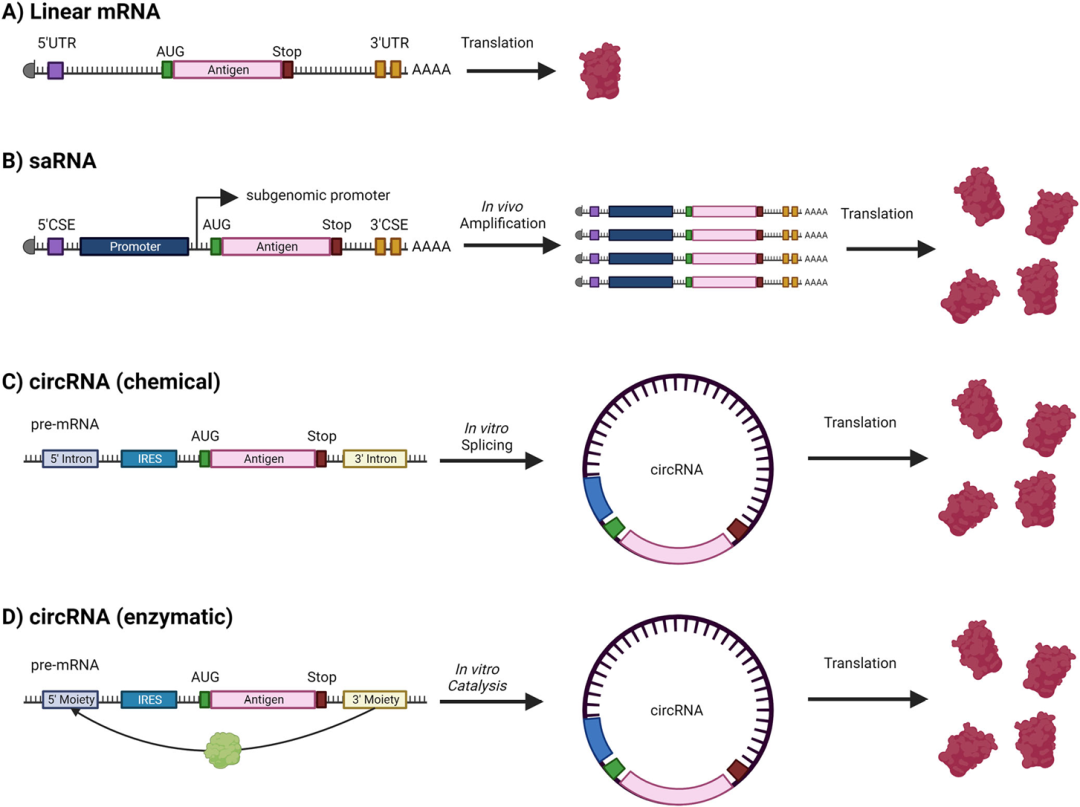
One of the most promising developments in mRNA technology is the development of circRNA.This technology uses self-splicing introns to circularize mRNA into ribonucleic acid "plasmids."Compared with the chemical modification of modRNA, circRNA offers a similar improvement in stability.Currently, promising results are being shown in various systems. For instance, a circRNA vaccine encoding the SARS-CoV-2 receptor-binding domain has been found to induce more effective and longer-lasting immune responses compared to an equivalent dose of modRNA. Importantly, circRNA constructs have also demonstrated high thermal stability, allowing storage at room temperature for up to 2 weeks, which facilitates easier distribution to geographic regions where cold chain maintenance is challenging.
saRNA and circRNA constructs, while reducing vaccine doses, have the potential to express multiple antigens on the same construct, which may one day lead to the expression of complex processes within host cells, such as those facilitating pathogen-specific post-translational modifications or generating pathogen polysaccharides. Furthermore, the further application of synthetic biology in these constructs could enhance or otherwise modulate antigen expression to address different applications.
4.2 RNA Vaccine Delivery
The principles of synthetic biology can be applied not only to the genetic content of RNA vaccines but also to their delivery vehicles.The selection of delivery systems for mRNA vaccines is particularly crucial because their size (~1.7 MDa) can make intracellular delivery difficult. Moreover, negatively charged mRNA is repelled by the negatively charged cell membrane and is susceptible to extracellular ribonuclease degradation. Therefore, the delivery vehicle for mRNA vaccines should facilitate cellular uptake and protect mRNA from degradation.
Characterization of biological delivery vehicles such as viruses and bacteria allows for targeted modifications using synthetic biology tools, thereby enhancing desired delivery characteristics. One of the most notable examples of gene vaccine biological delivery vehicles is adeno-associated virus (AAV), which has been used to deliver RNA encoding the SARS-CoV-2 spike protein. These tools include synthetic biological switches (such as chemical switches, protease switches, or optogenetic switches) that can control cellular processes like receptor activation, transgene expression, and protein trafficking. Gene expression after AAV delivery can also be controlled by tailoring the regulatory portions of the inverted terminal repeat-flanked expression cassette within the AAV capsid.
Bacterial vectors such as E. coli represent another class of potential gene vaccine delivery vehicles. E. coli may possess the richest knowledge base and associated molecular biology tools among all microorganisms. Therefore, using this vector system allows for advanced vaccine design while leveraging its capacity as a natural adjuvant. Attenuated non-pathogenic strains of E. coli present a promising option for vaccine design. Additionally, other recombinant features enabled by synthetic biology tools can assist in antigen delivery in certain ways. For instance, certain endosomal lysis proteins naturally associated with Listeria, such as listeriolysin, facilitate engineered bacterial vaccine carriers to achieve better endosomal escape and cytoplasmic transport necessary for delivering antigens to antigen-presenting cells.
One drawback of using microbial delivery vectors for antigen delivery is their biological complexity.Despite the potential advantages of bacteria or viral particles in adjuvant models and synthetic biology tools, there are other biological characteristics that do not enhance vaccine efficacy. These same features may negatively impact overall vaccine design, as foreign elements in microbial vaccine carrier systems may stimulate unwanted immune responses or cause undesirable toxicity. Additionally, bacteria are prone to degrading mRNA, making them unsuitable for its delivery. However, by using synthetic biology tools (e.g., DNA synthesis), synthetic, minimized bacterial genomes can be constructed within hollow cellular frameworks.
Gene payloads can also be delivered in fully chemical carrier systems, such as liposomes, which have gained broader recognition through their application in COVID-19 mRNA vaccines. Liposomes represent the intersection of antigen delivery and synthetic biology, and they can be further modified to confer delivery specificity.For example, strategies for attaching proteins to the surface of liposomes can be developed. These mechanisms can be applied to the surface localization of antibodies or similar targeting ligands to directly deliver RNA to specific tissues, making targeted RNA therapy possible, in a manner similar to radioimmunotherapy.
5. Outlook
The integration of synthetic biology and RNA technology has led to significant advancements in medical treatments, enabling the creation of new therapies and vaccines with revolutionary global healthcare potential. However, the application of this technology is still in its early stages and has yet to fully realize its potential.Currently, artificial intelligence (AI) and machine learning are in rapid development. AI and advanced computer-based models can be used to modify RNA sequences to enhance efficacy, identify new disease targets, and computationally design specialized RNA sequences with precise specificity for unique targets, such as aptamers and antibody-encoding sequences.For example, one can imagine using artificial intelligence to analyze large genetic information datasets and propose RNA construct designs for expressing complex multi-domain proteins, such as monoclonal antibodies.
Antibody sequences and binding information can be used to train AI to propose antibody sequences with desired targets or neutralization capabilities. It is also conceivable to use artificial intelligence to identify new regulatory and ribozyme functions that can be incorporated into RNA-based therapeutics to detect specific disease states, such as elevated blood glucose levels in diabetes patients, which could be used to develop a "switch" to then stimulate insulin production, thereby providing precise blood glucose level control for patients.
The application of artificial intelligence and machine learning in synthetic biology also has the potential to overcome the current limitations of mRNA vaccines, such as the inability to express multi-domain antigens or polysaccharide antigens.Without the ability to generate these antigens, RNA vaccines will remain limited in their targeted diseases and unable to fully replace traditional vaccines. Artificial intelligence may help design complex modules that can produce the multi-stage processes required for such antigens and could be used as RNA vaccinations, opening up new possibilities for vaccine development.
Despite many challenges remaining in the development of vaccines and RNA therapies using synthetic biology, its potential is undeniable. With ongoing research and innovation, groundbreaking new technologies may soon emerge. Through careful consideration and creative design, synthetic biology can provide an effective and safe platform for developing new treatments for a range of diseases.
Reference:Pfeifer, B.A., Beitelshees, M., Hill, A. et al. Harnessing synthetic biology for advancing RNA therapeutics and vaccine design. npj Syst Biol Appl 9, 60 (2023). https://doi.org/10.1038/s41540-023-00323-3