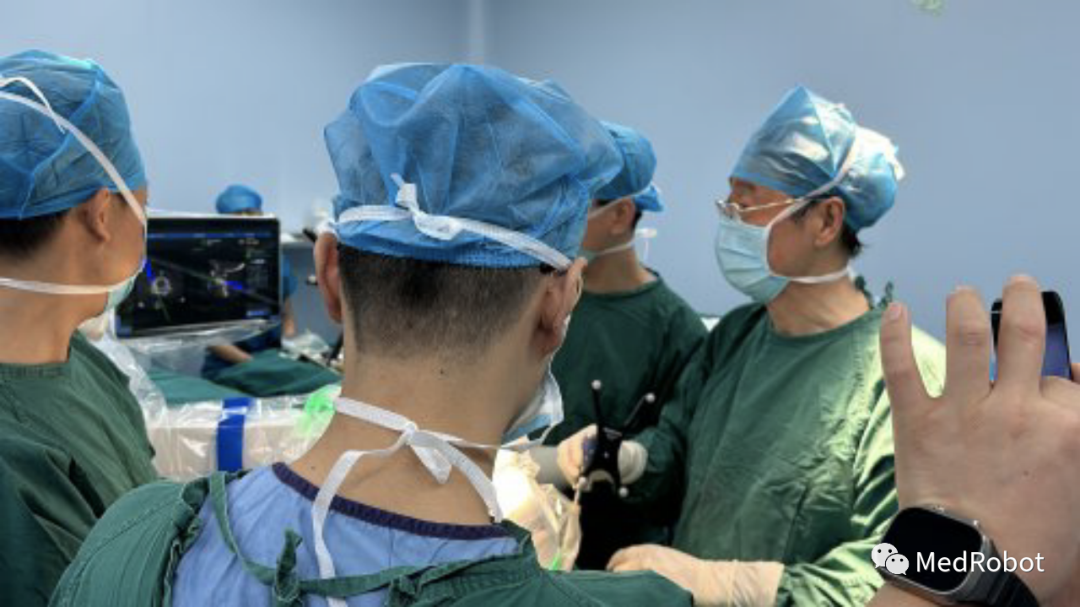
Recently, MedRobot learned that,Xi'an Honghui HospitalHaoDirector Ding Jun's TeamInMedtronicOrthopedic Robotics Integrated PlatformWith assistance, successfully completed15 cases of posterior cervical open reduction, fusion, and internal fixation.Cervical surgery is extremely difficult, but the Red Cross Hospital is actively exploring the latest medical technologies, relying on...Mazor X™️The proficient application,Has become a leader in the field of cervical spine surgery in China.
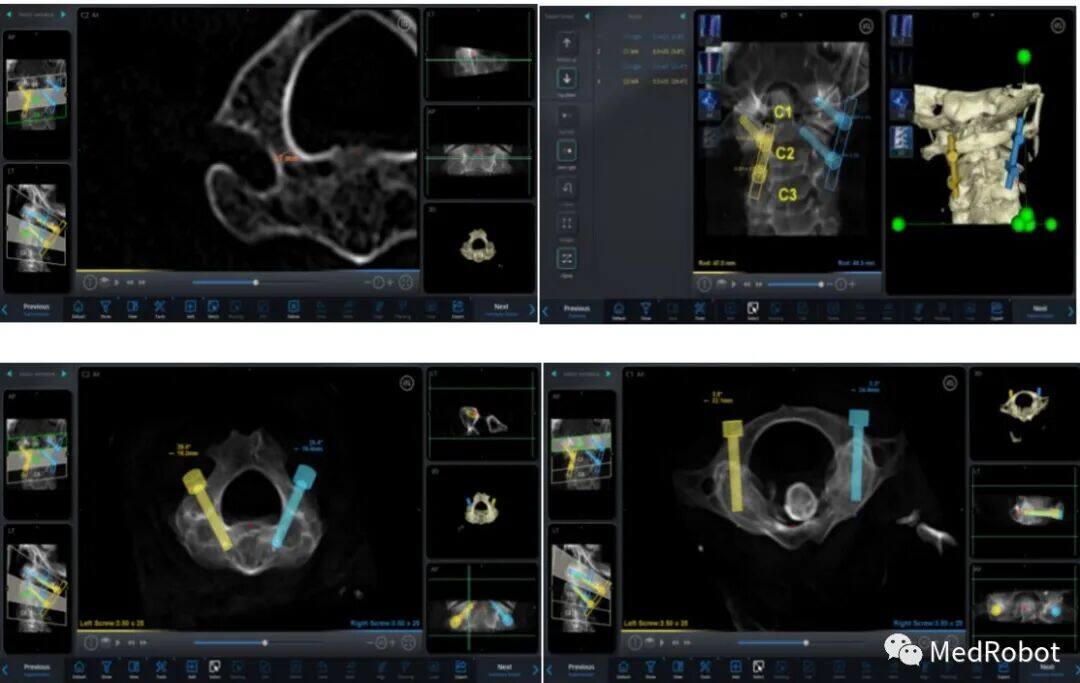
# Mazor X™️Cervical Surgery Breakthrough Achieved at Honghui HospitalAs the Dean of the Spine Hospital at Honghui Hospital in Xi'an City and the leading figure in the discipline of spinal surgery,Director Hao Dingjun has been engaged in clinical work of spinal orthopedics for 40 years, performing over ten thousand surgeries as the chief surgeon.Has profound expertise in various spinal disorders. The medical team led by Director Hao has also demonstrated strong professional skills and extensive experience in cervical spine surgeries.The 15 surgeries completed by the team includeFirst Case in ChinaMazor X™️Atlantoaxial Pedicle Screw Internal Fixation Assisted by an Integrated Orthopedic Robotics Platform.The patient's condition is located in a special position, belonging to a rare disease (ipsilateral sulcus annulus combined with high vertebral artery crossing), with an incidence rate of only 5%.The difficulty and risk of the surgery are relatively high.Traditional C-arm fluoroscopy struggles to provide a direct view of the entire pedicle, whereasMazor X™️This can be achieved through the analysis of preoperative imaging data,With the help of a unique AI-assisted surgical planning system,A comprehensive plan for the surgical procedure was made; the optimal entry point, screw angle, and pedicle screw model were selected. Given that the patient’s cervical pedicle measured only 3.7mm, precise planning of the screws was particularly crucial.Professor Dingjun HaoThrough the planning software, place 3.5mm screws and make fine adjustments using a sub-millimeter track verification module to ensure optimal screw holding power and guarantee a foolproof surgical plan.
And perform precise operations and navigate surgical visualization during the surgery, significantly reducing surgical risks and achieving optimal surgical outcomes.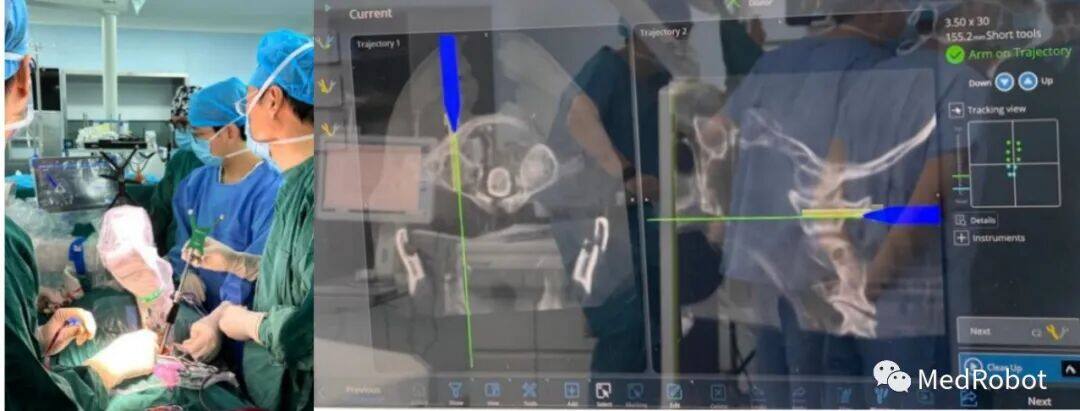
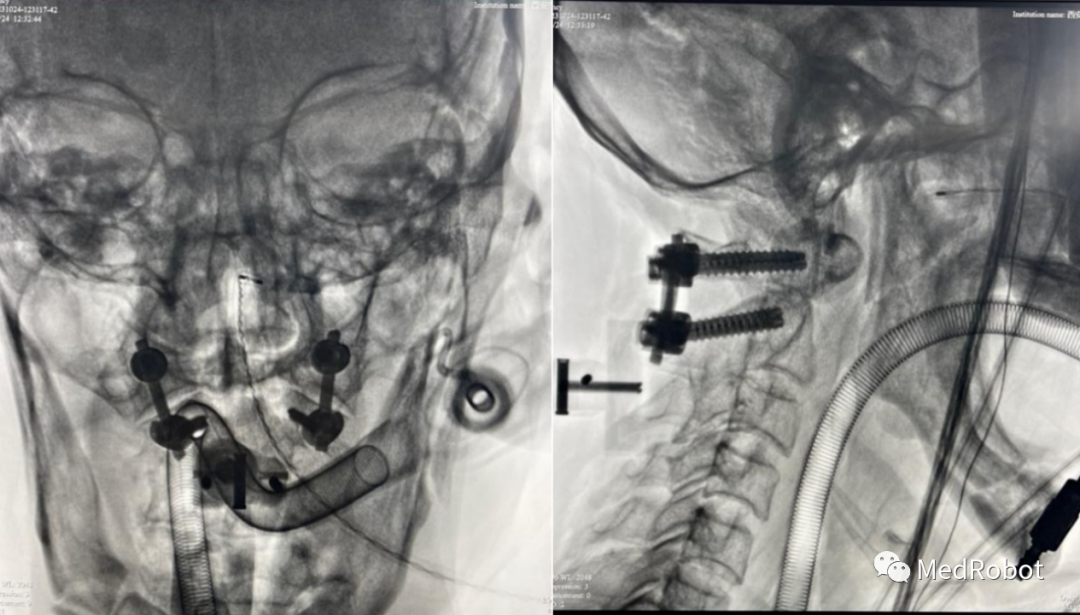
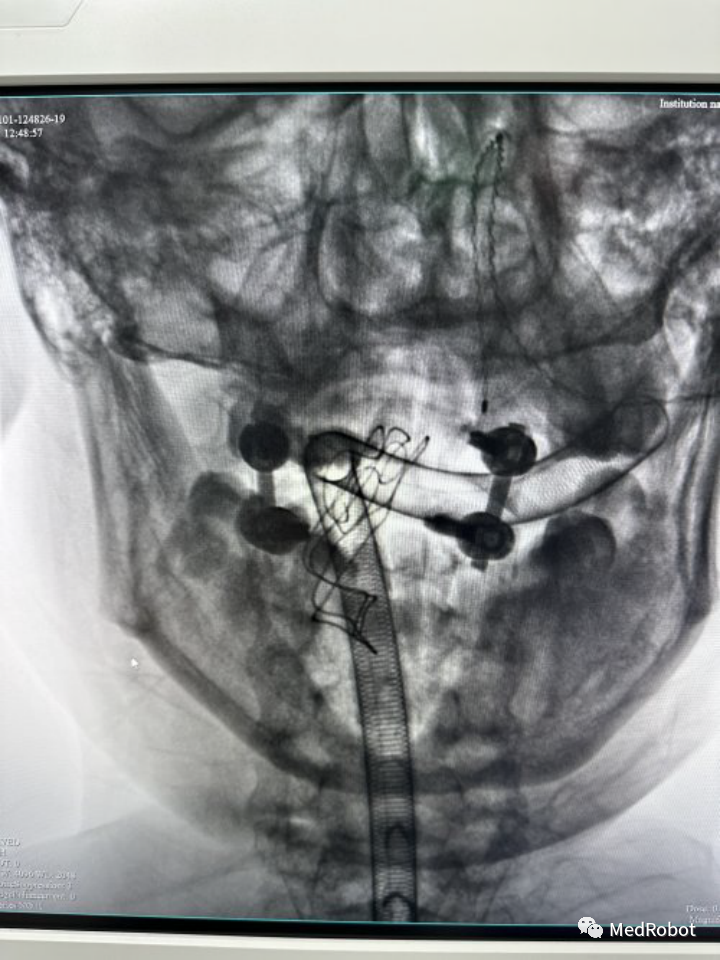
After O-arm verification, four 3.5mm screws were perfectly implanted into the extremely narrow cervical pedicles.
In another casePosterior Cervical Robot-Assisted Open Reduction, Fusion, and Internal Fixation SurgeryIn China, the surgical team has developed smoother and more默契的操作步骤, with collaboration efficiency greatly improved.Mazor X™️The powerful surgical planning function first indicated the atlas hemi-ring groove, the extremely narrow pedicle of the axis, the position of the sagittal fracture line of the axis, the degree of atlantoaxial dislocation, and the high crossing of the carotid artery, showing that the difficulty of screw placement was extremely high, with stringent requirements for the entry point, angle, and depth of the screw. Through adjustments of the surgical plan on multiple levels—axial, sagittal, and coronal planes—an optimal solution for screw placement was provided, ensuring safe and efficient screw placement.
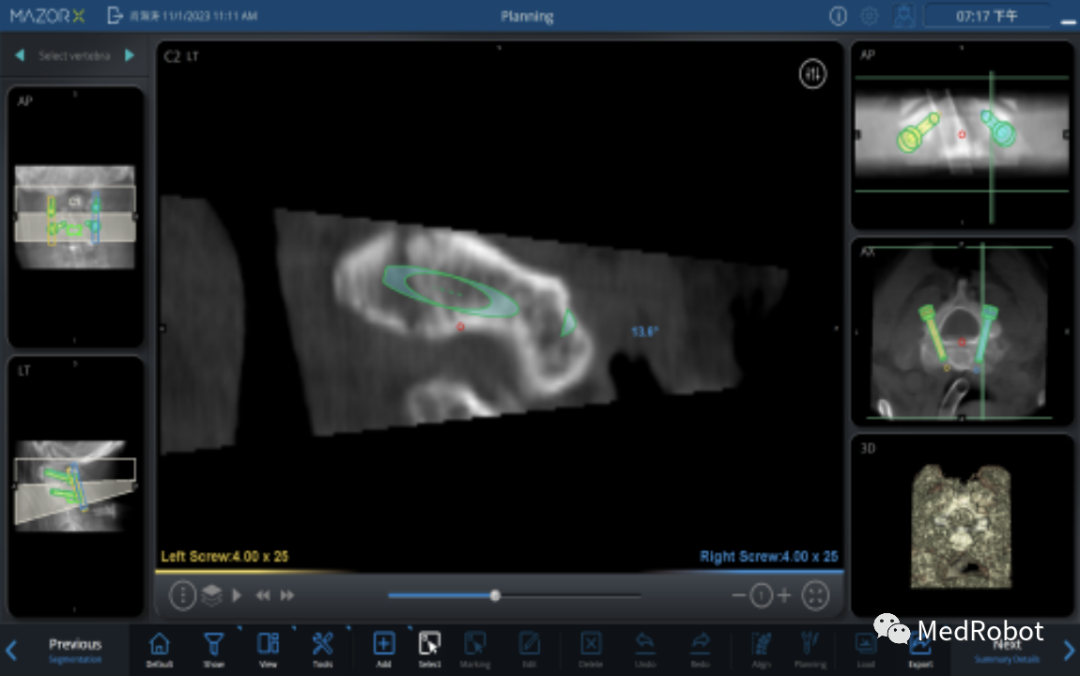
Intraoperatively,Mazor X™️The sub-millimeter precision positioning and navigation visualization functions effectively assisted in the highly challenging operations during the screw placement process.
Intraoperative O-arm verification confirmed the perfect placement of four screws within the extremely narrow cervical pedicles. The surgery proceeded very smoothly.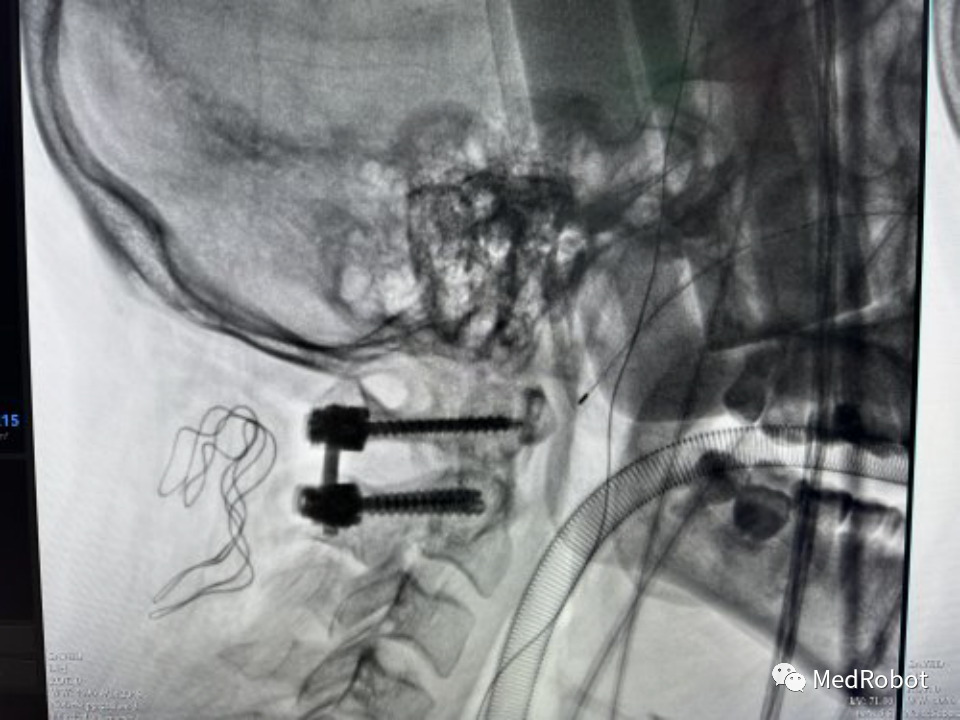
Professor Hao Dingjun commented: "The patient has a C2 vertebral fracture with atlantoaxial dislocation, no injury to the atlas, relatively stable, Mazor X™️"It is very helpful for the atlantoaxial screw placement in this case."In multiple surgical practices,Mazor X™️Orthopedic Robotics Integrated PlatformAll of these demonstrate the advantages of global surgical planning and full-dimensional visualization navigation, allowing doctors to create an accurate 1:1 real screw plan before surgery and quickly and accurately determine safe screw placement points during the operation. This sub-millimeter precision positioning capability and multi-dimensional visualization perspective are particularly prominent when dealing with special situations such as anatomical abnormalities or pedicle stenosis deformities, making surgeries safer and more successful.The members of the medical team also unanimously believeMazor X™️The visualization and surgical planning functions provide great assistance in managing patients with high cervical spine injuries, particularly demonstrating their superiority in atlantoaxial surgeries.These successful surgical cases are not only a testament to the skillful techniques and outstanding experience of Director Hao Dingjun's team in the field of cervical spine surgery, but also...Mazor X™️Orthopedic Robotics Integrated PlatformA Concentrated Display of Technical Accumulation and Foresight in the Application Field.
# Analysis of Cervical Spine Surgery RisksPosterior Cervical Laminectomy and Fusion (PCLF) is a surgical procedure used to treat cervical spine disorders or injuries. This surgery is highly complex and presents significant clinical challenges.✓ Complex anatomical location:The cervical spine is located in one of the most vulnerable parts of the body, surrounded by many important nerves and blood vessels. The surgery requires traversing surrounding tissues, such as muscles and ligaments, to reach the intervertebral space.✓ Dense neural structures:The cervical spine area contains a large number of nerve structures, and careful operation is required during surgery to avoid damaging nerve tissue, which places extremely high demands on the surgeon's skills and experience.✓ High precision requirements:Such surgeries require vertebral reconstruction, usually involving the implantation of bone fusion materials (e.g., screws, laminar plates, etc.), and the procedure is relatively complex, demanding advanced skills and precise execution.
Therefore, this type of cervical surgery presents significant challenges for clinicians, as any minor misstep during the procedure may result in nerve damage to the patient, potentially causing sensory or motor dysfunction, and in severe cases, even endangering the patient's life. Postoperative complications include: surgical site infection, neck vascular injury, spinal cord injury, and implant displacement or loosening. As the neck is a crucial supporting structure of the body, any error during surgery can have serious consequences for the patient.
# Cutting-edge Surgical Practice: Mazor X™️Technical Advantages of the Integrated Orthopedic Robotics PlatformCompared with traditional surgery, orthopedic surgical robots perform significantly better in terms of precision, navigation, surgical safety, and postoperative recovery. The pioneering surgical practices at Honghui Hospital have further advanced Medtronic'sMazor X™️Orthopedic Robotics Integrated PlatformThe advantages are fully demonstrated in cervical spine surgery.
? Preoperative Planning
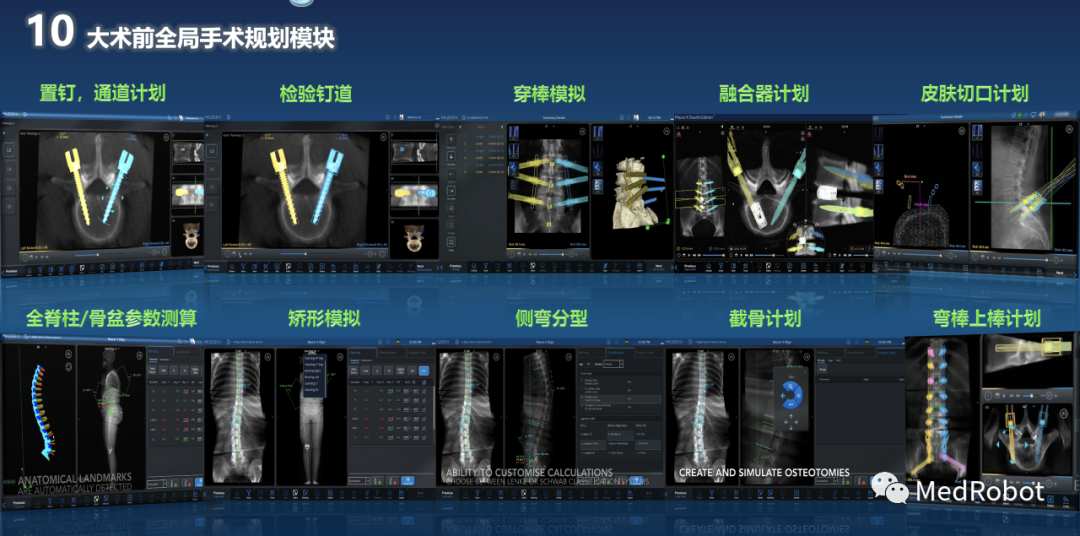
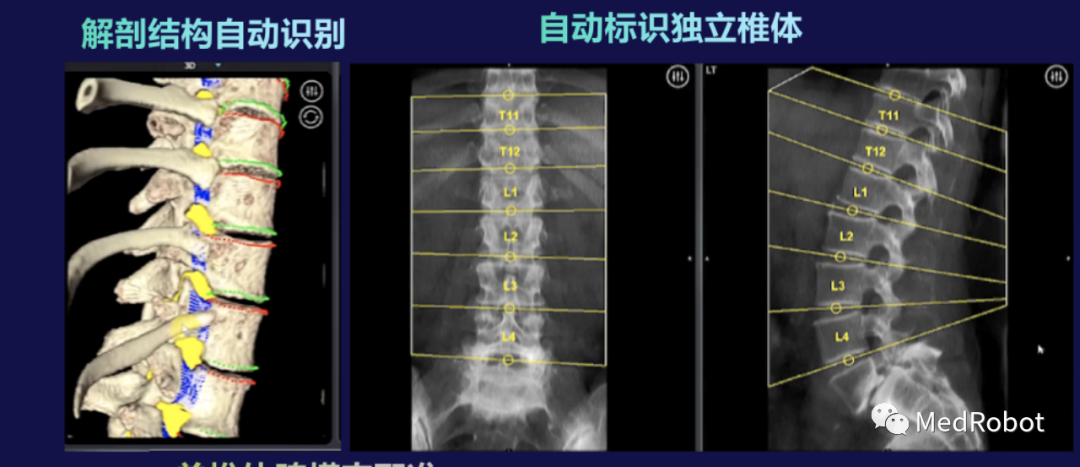
Utilize the anatomy insight engine and AI artificial intelligence technology to complete comprehensive preoperative planning;Preoperative planning uses the patient's CT data, relying onMazor X™️The anatomical insight engine identifies key anatomical structures and, through global preoperative planning software combined with artificial intelligence, assists doctors in various surgical planning procedures, including screw placement, skin incision, channel creation, cage planning, spinal parameter calculation, deformity classification, osteotomy simulation, etc., to create personalized, customized global surgical plans for patients, enhancing the efficiency and comprehensiveness of surgical planning.
? Intraoperative Registration
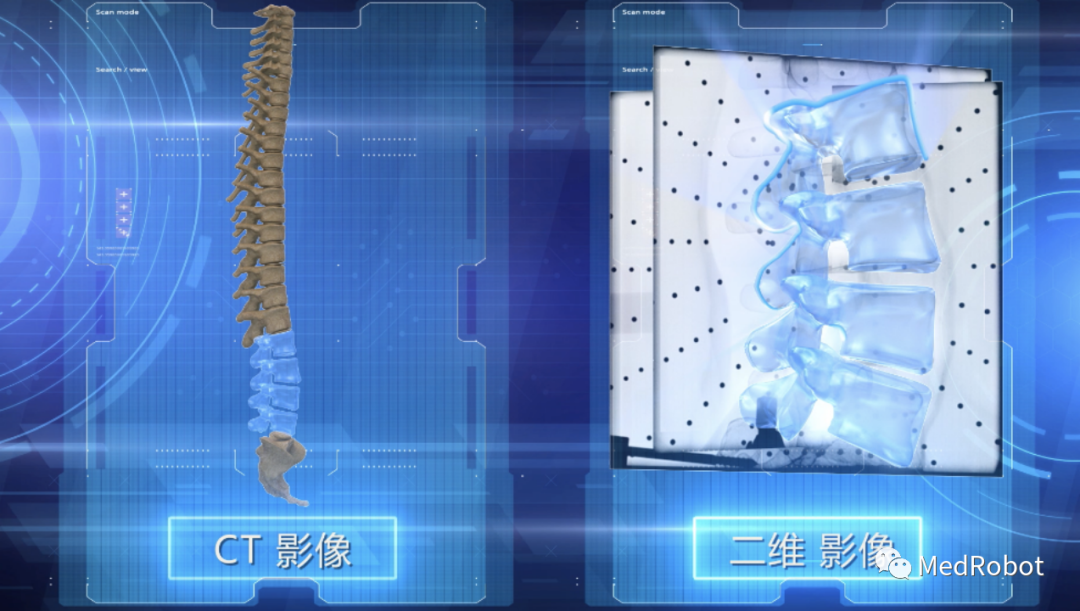
UtilizeMazor X™️Exclusive single-vertebra cross-modal registration technology completes preoperative planning and patient registration with only two 2D images; using single-vertebra cross-modal registration is more efficient than traditional smart devices that rely on intraoperative 3D scan registration, significantly reducing radiation dose and avoiding additional time required for formulating surgical plans during the operation.
? Intraoperative LocalizationMazor X™️The 3D surgical area reconstruction function uses optical spatial scanning and intelligent algorithms to build a 3D model of the surgical area, ensuring that the robotic arm avoids obstacles, plans the optimal operational path, and achieves fully automatic, precise positioning throughout the procedure. This ensures the accuracy and safety of the robotic arm's movements, allowing the entire surgical screw placement process to be smooth and efficient.
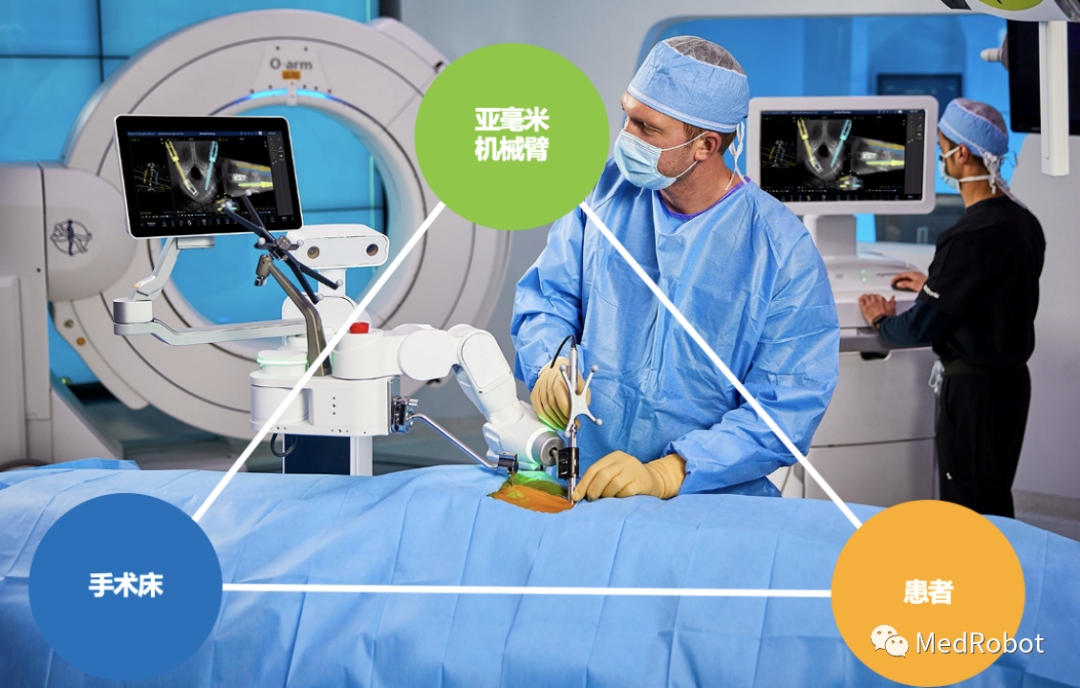
The technology of human-machine integrated follow-up platform ensures that the operating table, robotic arm, and patient are rigidly connected within the same spatial system, forming an independent system coordinate. This stable integrated platform effectively reduces deviations caused by slight movements of the patient or the trolley. At the same time, it allows doctors to adjust the bed position as needed, providing a spacious and free operation space, ensuring the stability and safety of the surgical environment.? Intraoperative VisualizationAchieve full-dimensional navigation visualization, allowing doctors to track surgical tools and implants in real time. This provides guidance not only in the planar direction but also visualizes all dimensions, including orientation and depth, truly enabling real-time, full-dimensional, and intuitive visualization operations, reducing the number of intraoperative fluoroscopies and minimizing radiation dosage.Combined with visual dynamic tools, this technology effectively alleviates surgeons' muscle fatigue, enhances screw placement stability, and shortens operation time by half, achieving a revolutionary breakthrough in percutaneous minimally invasive surgery with zero guidewires, zero radiation, and 100% precise screw placement.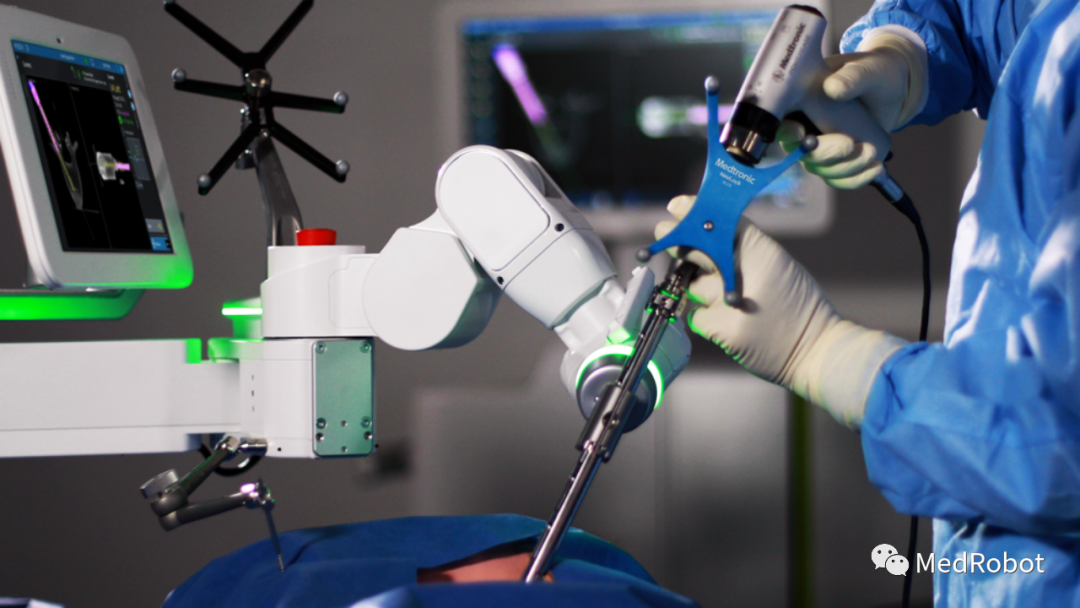
Honghui Hospital Applies Medtronic'sMazor X™️Orthopedic Robotics Integrated Platform,Successfully completed 15 cases of posterior cervical open reduction, fusion, and internal fixation surgery, demonstratingMazor X™️The tremendous potential and value in the medical field, along with the precision surgical operations led by robotics, also highlight the importance of robots in future medical practice.Mazor X™️Orthopedic Robot Integrated PlatformThe precision and predictability provide medical teams with an unprecedented AI-driven approach to surgical planning and execution. Intraoperative submillimeter accuracy and fully dimensional visualization not only enhance surgical efficiency but also significantly reduce operation time, lower the risk of postoperative complications, and accelerate recovery. This technological innovation profoundly impacts the quality of patient recovery and surgical outcomes while creating a more efficient and safer working environment for medical teams.In the future,Mazor X™️Orthopedic Robot Integrated PlatformIn the medical field, it will continue to play a key role. With the continuous evolution of its technology, it will provide medical teams with more intelligent and precise surgical assistance, further improving surgical outcomes. As the technology continues to advance, such robotic assistants will become standard tools for surgical support, bringing deeper changes to medical practice.
Taking it a Step Further —— The AiBLE Intelligent Orthopedics Innovation Ecosystem Concept Ushers in a New Era of Healthcare.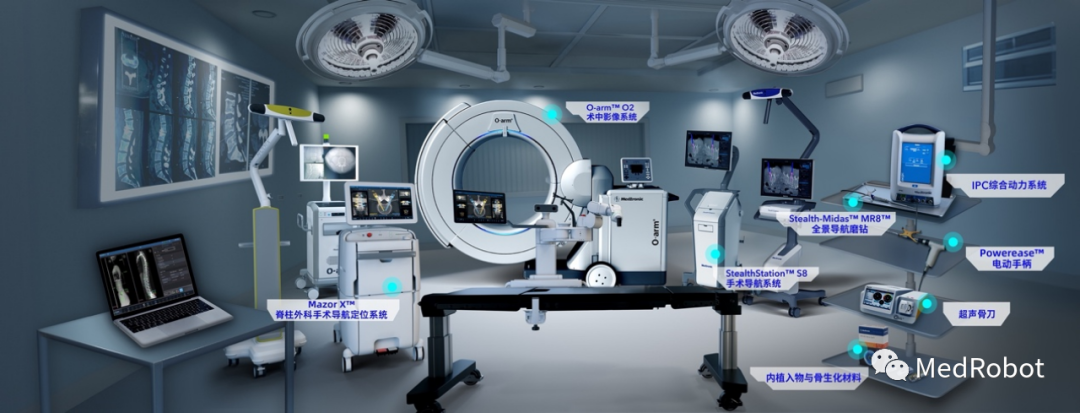
Medtronic China Orthopedics and Neurosurgery Business Group Launches AiBLE Intelligent Orthopedics Innovation Ecosystem Concept,Aiming to organically combine existing intelligent orthopedic robots with integrated navigation platforms, energy and power devices, tools, and implants, among other digital artificial intelligence technologies and products. These are paired with the doctor’s professional expertise to create a powerful synergistic effect, achieving a result where 1+1 is greater than 2. This will ensure full-process, full-function, and full-procedure coverage of orthopedic surgeries, providing reliable support for clinicians and treated patients.With the emergence of an increasing number of surgical smart devices, spinal surgery is moving towards minimally invasive and refined approaches. Smart devices have become indispensable assistants for doctors and a necessary precondition for surgical safety. The growing intelligence in surgeries also increasingly ensures patient safety and postoperative recovery, leading to an overall improvement in medical standards.
Well-known Surgical Robot Companies in China: