

A TCR Vβ6/Vβ10-Targeted IL-2 Fusion Molecule STAR0602 Drives Selective Expansion of Effector Memory T Cells for Potent Antitumor Immunity

Marengo Therapeutics
Developer of Anti-Tumor Therapeutics
TCR is generally considered an adaptive pattern, but αβTCR acts as an innate receptor, binding to non-clonal ligands at germline-encoded sites. Certain superantigen (SAg) proteins expressed by bacteria and viruses bind to specific germline-encoded Vβ sequences, driving efficient activation and proliferation of Vβ T cell subsets. Previously, purified SAgs and fusion proteins targeting SAgs to tumor cells demonstrated antitumor activity in animal models due to the activation and expansion of different germline Vβ T cell subsets.However, in addition to the rapid development of neutralizing antibody responses to these highly immunogenic proteins, the therapeutic effects of SAgs in humans are also limited by the risk of T-cell overactivation.
Activating T cells by targeting T-cell receptors (TCRs), co-stimulatory receptors, or cytokine receptors is an attractive approach to enhance anti-tumor T-cell responses; however, these methods often fail to sufficiently stimulate T-cell responses and may lead to severe toxicity, hindering their translation into clinical applications.
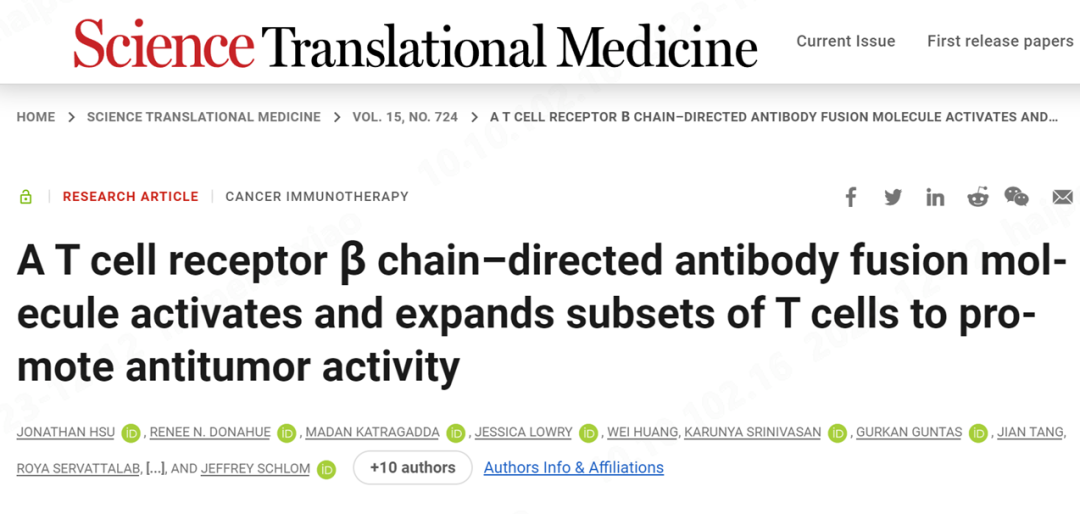
Recently, researchers from Marengo Therapeutics and the National Institutes of Health published a research article titled "A T cell receptor β chain–directed antibody fusion molecule activates and expands subsets of T cells to promote antitumor activity" in the journal Science Translational Medicine.Development of a Bifunctional Therapeutic Molecule Named STAR0602, Which Includes an Antibody Specifically Targeting Human TCR Vβ6 and Vβ10 Chains, Fused with an IL-2 Molecule to Selectively Activate T Cell Subpopulations Through TCR and IL-2 Receptor Signaling Pathways. Experiments Show Specific Expansion of T Cells Expressing Human Vβ6 and Vβ10 in vitro, Along With Enhanced Killing of Human Tumor Organoids. In vivo Studies Indicate Persistent Control of Tumor Burden by a Mouse Surrogate Molecule Across Six Solid Tumor Models. Data Supports Further Development of STAR0602 and Similar TCR-Targeted Antibody Fusion Molecules.
Research on the design and construction of a bifunctional therapeutic molecule STAR0602, which includes an antibody targeting human αβT cells germline Vβ6 and Vβ10 TCR, while fused with natural human cytokine IL-2,Simultaneously engage in non-clonal pattern TCR activation and co-stimulation to promote the activation and expansion of αβT cell subsets expressing different variable β (Vβ) TCR chains. In chronic infection models, native IL-2 drives the development of CD8+ T cells with high effector potential in a CD25-dependent manner.
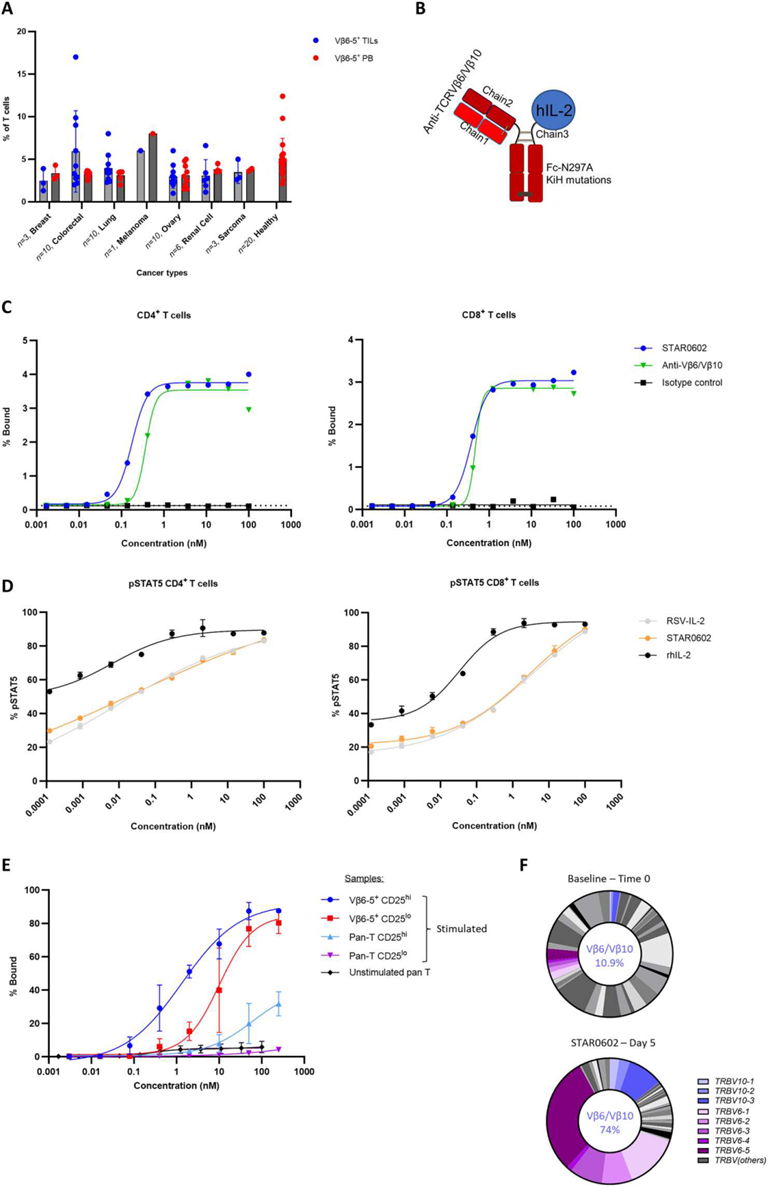
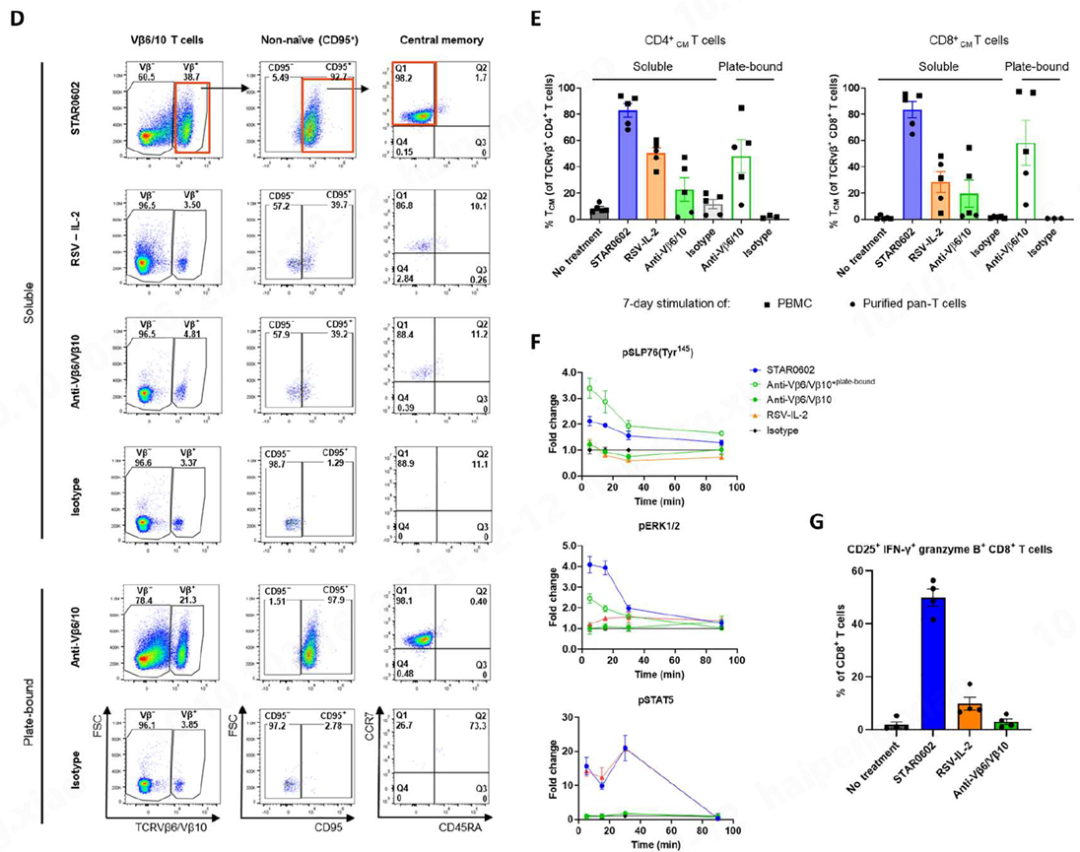
Moreover, in vitro stimulation of human T cells with anti-Vβ6/Vβ10 antibodies also promotes the induction of CD25.Therefore, STAR0602 achieves selective activation and expansion of CD8+ and CD4+ Vβ6/Vβ10 T cells by simultaneously cis-binding and activating with IL-2R through different TCR activation patterns on the same cell, promoting the expansion of human Vβ6 and Vβ10 CD4+ and CD8+ T cells with an atypical central memory phenotype.
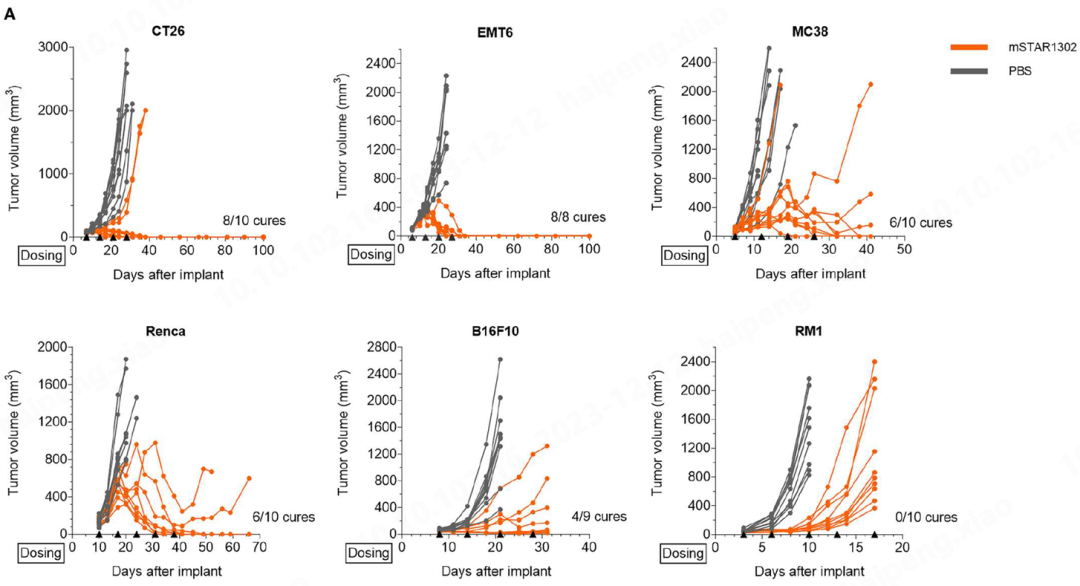
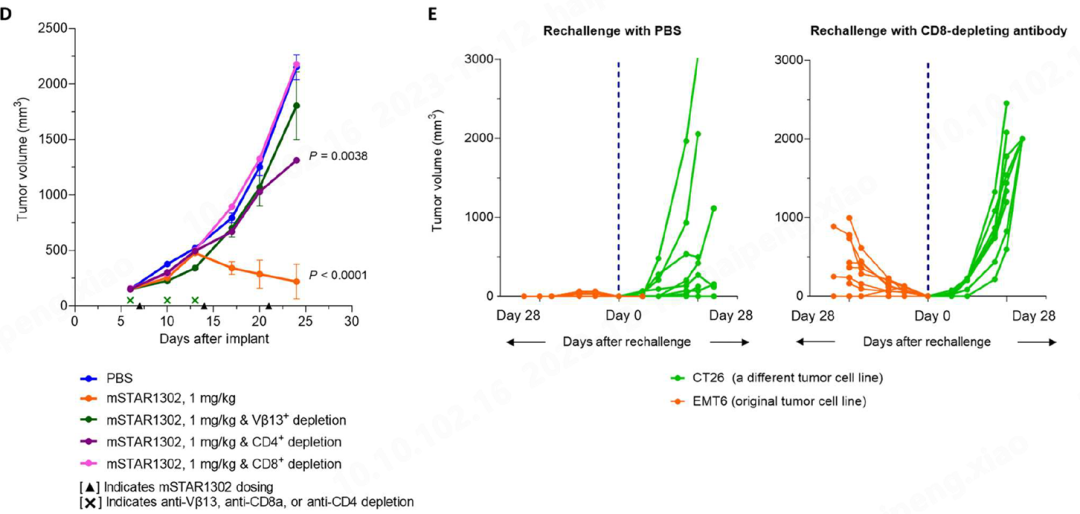
In vivo experiments using the mouse surrogate molecule mSTAR1302 showed that monotherapy induced durable tumor regression in six mouse solid tumor models (CT26, EMT6, B16F10, checkpoint-resistant tumors (MC38, Renca, RM1)) and significantly extended mouse survival.
Rechallenging mice with EMT6 breast cancer tumors showed that mSTAR0602 still reduced tumor burden, indicating the long-term protective memory immunity established by mSTAR0602. Additionally, studies on the depletion of Vβ13 CD8+ T cells in mice demonstrated that the anti-tumor effect of mSTAR0602 depends on Vβ13 T cells.
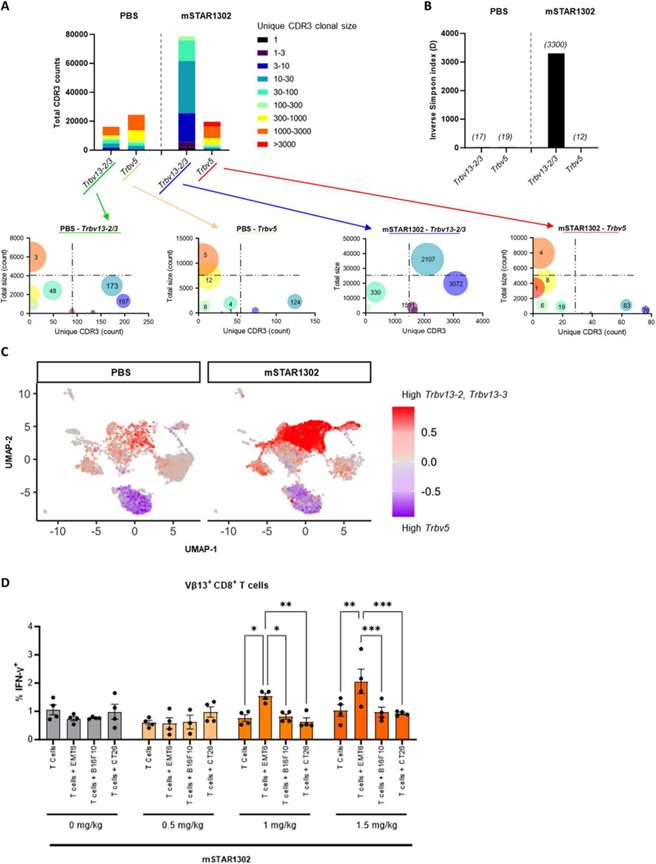
Transcriptomic analysis of tumor-infiltrating lymphocytes (TILs) in mice showed that mSTAR0602 treatment expanded Vβ T cells with a unique effector memory phenotype, suppressing genes associated with T cell exhaustion and TCR signaling inhibition. TIL-TCR sequencing further revealed,The increased diversity of the T-cell repertoire in the targeted Vβ T-cell subsets suggests clonal revival of tumor T-cell responses.
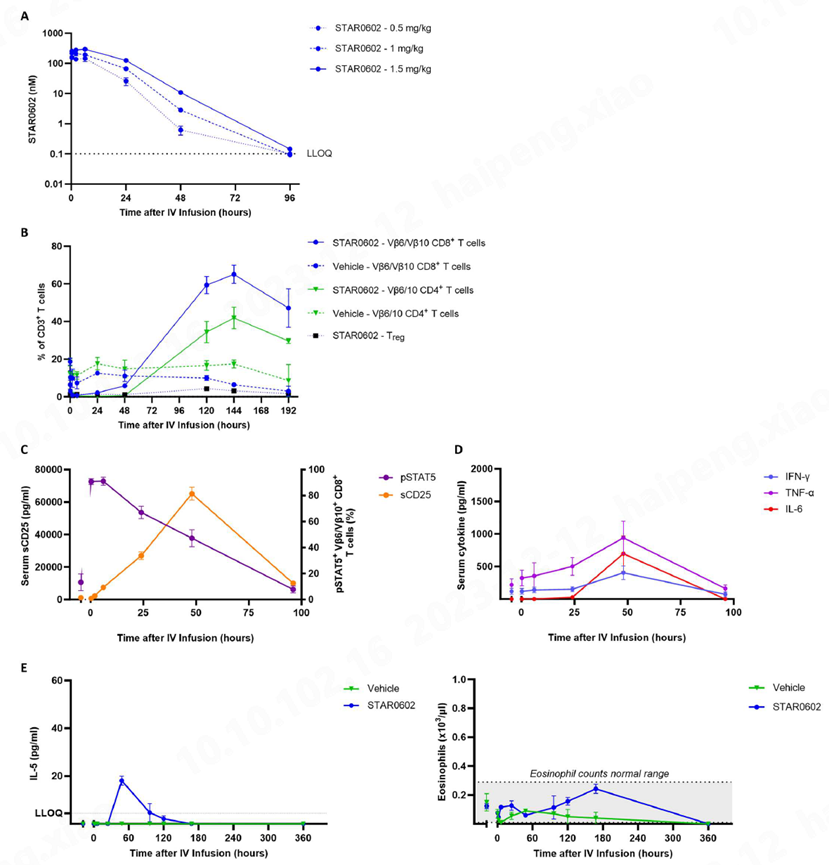
In addition, research on STAR0602 in non-human primate models and human ex vivo models has shown that STAR0602 exhibits anti-tumor and immune-boosting effects.With acceptable tolerability and limited cytokine release.
Overall, these data support the potential of STAR0602 to drive a robust T cell response against solid tumors through a unique mechanism of action, possibly offering a safe and effective treatment for patients who progress after checkpoint inhibitor therapy.
Thought
TCR antibodies can enhance T cells by targeting co-stimulatory signals, serving as an effective strategy for T cell activation. Recent in vitro studies on plate-coated anti-Vβ TCR antibodies have highlighted their role in driving the selective activation and expansion of human T cells expressing different germline-encoded Vβ TCR chains. This study expands on those findings by testing a therapeutic T cell activator (STAR0602), which achieves the activation and expansion of human germline Vβ T cell subsets in vitro and promotes potent antitumor activity.
Regarding the research on targeted VβTCR variants, on December 6, 2023,Researchers from King's College London and Marengo Therapeutics published a research paper titled "Innate TCRβ-chain engagement drives human T cells toward distinct memory-like effector phenotypes with immunotherapeutic potentials" in the journal. This official account has written an interpretive article on this study titled "Sci Adv | Mechanism of Action of Novel Antibodies Targeting Vβ TCR Variants Published by King's College London and Marengo Therapeutics》。
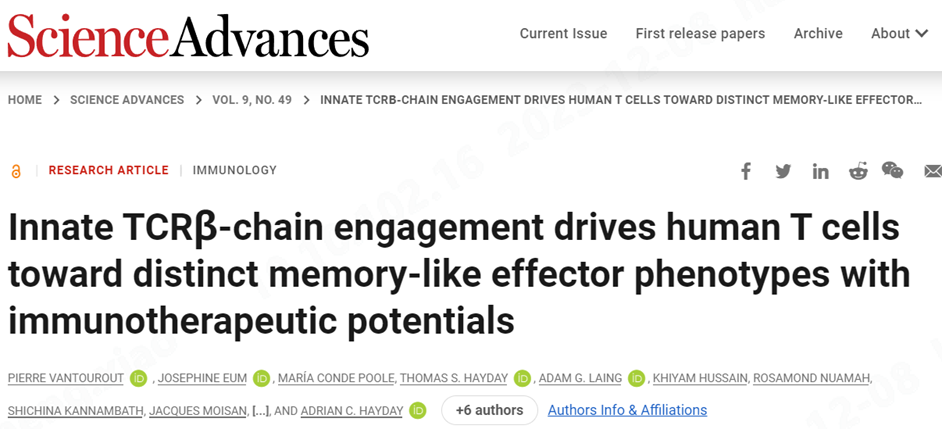
The study found that, unlike the T cell states induced by common CD3 antibodies or SAg stimulation, anti-Vβ antibodies induce polyclonal T cells to adopt a distinct memory-like effector (TMLE) phenotype. Moreover, in a therapeutic setting,Stimulation with anti-Vβ antibodies may help activate and maintain specific subgroups of the αβT cell repertoire, thereby reducing the occurrence of T cell states (cytokine release, activation-induced cell death, T cell exhaustion) similar to those induced by CD3 antibodies or SAg stimulation.
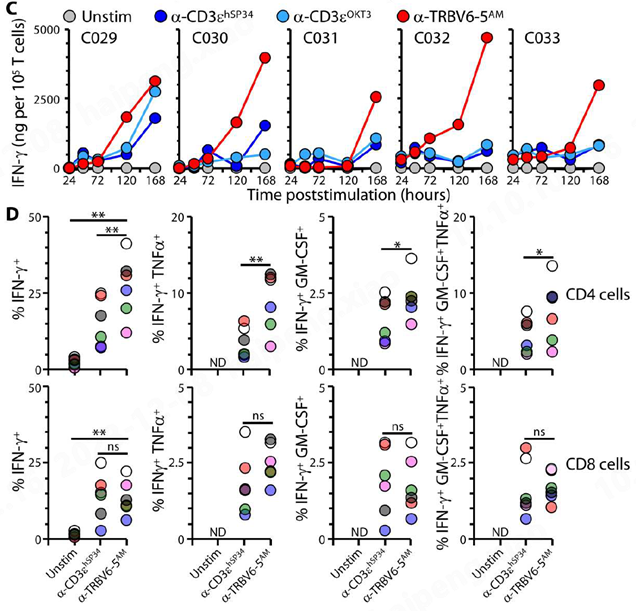
Through Marengo Therapeutics' STAR technology platform, therapeutic antibodies that simulate the action of bacterial superantigens (SAg) can be generated. Unlike traditional CD3 antibodies, these can bind to different TCR Vβ variants to activate specific subpopulations of T cells. Since different T cells express different TCR Vβ variants, these therapeutic antibodies can selectively activate specific T cell populations within CD8-positive and CD4-positive cells.Effective antitumor activity driven by "turbocharged" T cells and long-term tumor immunity promoted through memory T cells. Vβ antibodies mimic natural "super" TCR activators, featuring the flexibility/"tunable" properties of antibody fusion molecules.
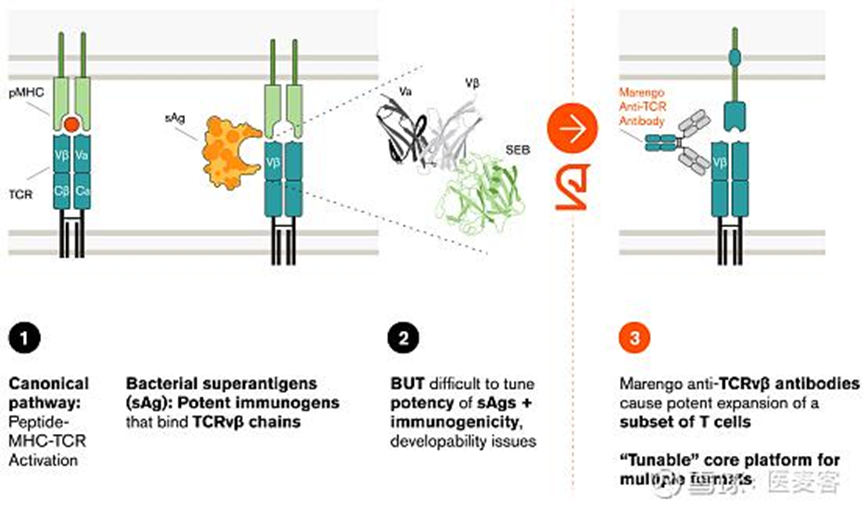
STAR0602 is a therapeutic antibody generated through Marengo's STAR technology platform that mimics the action of bacterial superantigens (SAg).Since STAR0602 achieves antitumor activity through a mechanism distinct from existing immunotherapies, future research should consider exploring its potential in combination with CPIs, vaccines, chemotherapy, and other small-molecule targeted therapies. Additionally, studies of STAR0602 in vitro, in non-human primates, and in primary patient-derived organoids, as well as studies of mSTAR1302 in several syngeneic mouse models described herein, support the advancement of STAR0602 into human trials.
A significant amount of work is needed in the future to determine the optimal use of STAR0602 in humans, including dosage and schedule. A Phase 1/2 first-in-human, open-label, dose-escalation and expansion study of STAR0602 in patients with advanced metastatic cancer has been initiated (NCT05592626). Overall, the results suggest that STAR0602 can provide a well-tolerated ex vivo T-cell immunotherapy in cancer patients and enhance anti-tumor activity.
Reference:A T cell receptor β chain-directed antibody fusion molecule activates and expands subsets of T cells to promote antitumor activity. Sci Transl Med . 2023 Nov 29;15(724):eadi0258. doi: 10.1126/scitranslmed.adi0258.