

Johnson & Johnson and AC Immune Advance Alzheimer’s Vaccine into Phase 2b, Triggering CHF 40 Million Milestone Payment

Johnson & Johnson
Medical Device R&D and Manufacturer

Welcome to follow Asymchem Pharma News

Recently, AC Immune announced that its partner, Johnson & Johnson, hasPlan to initiate a Phase 2b clinical study to evaluate ACI-35.030 (JNJ-64042056) in prodromal Alzheimer's disease (AD)., these people have not yet shown symptoms.
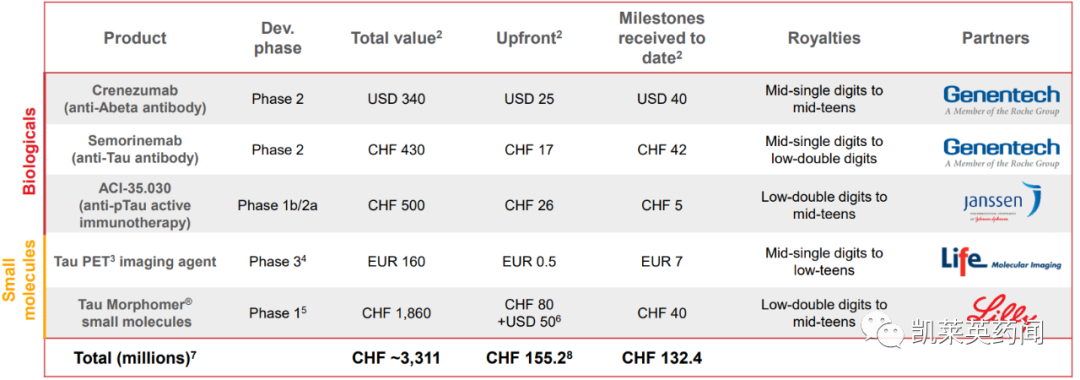
Since 2015, the two companies have been collaborating on the development of a vaccine targeting the tau protein, as part of a partnership with a potential value of up to $509 million. According to the terms of the licensing agreement,AC Immune will now receive a milestone payment of 15 million Swiss francs and another milestone payment of 25 million Swiss francs upon achieving an undisclosed registration goal.
About the Phase 2b ReTain Trial
The Phase 2b ReTain trial is a randomized, multi-center, double-blind, placebo-controlled clinical study involving individuals with preclinical AD. The aim is to evaluate the clinical efficacy of active immunization with ACI-35.030. The study seeks to test the hypothesis that ACI-35.030 has a disease-modifying effect, potentially delaying or preventing cognitive impairment or other clinical symptoms in preclinical AD patients by inhibiting the aggregation and spreading of pathological Tau proteins.
Approximately 500 preclinical AD subjects (cognitively normal, amyloid-positive, Tau-positive) were randomly assigned in a 1:1 ratio to receive either a single dose level of ACI-35.030 or placebo, administered via intramuscular injection for up to 4 years.
The primary endpoint is the measurement of cognitive decline through the PACC-5 score, which combines tests of episodic memory, temporal executive function, and global cognition. It is sensitive enough to detect early changes in cognitive function even before the first clinical symptoms of mild cognitive impairment (MCI) appear. The key secondary endpoint will evaluate the effect of ACI-35.030 compared to placebo on Tau aggregation and distribution, measured using Tau protein positron emission tomography (PET) brain imaging.
Secondary endpoints may meet the conditions for a Biologics License Application (BLA) to seek FDA accelerated approval, while the primary endpoint serves as the basis for traditional approval.。
About ACI-35.030
ACI-35.030 is a potent anti-phosphorylated Tau (pTau) candidate vaccine delivered via liposomes, designed to induce specific antibodies targeting pTau proteins, thereby promoting the clearance of related Tau aggregates and delaying the progression of Tau pathology.With "first-in-class" potential。The difficulty in AD prevention and treatment lies in early diagnosis. This drug bypasses early AD screening through preventive measures, opening up another path beyond protein clearance.
In 2022, new clinical data from the Phase 1b/2a trial of ACI-35.030 was reported at the company's Alzheimer's Clinical Trials (CTAD) conference:
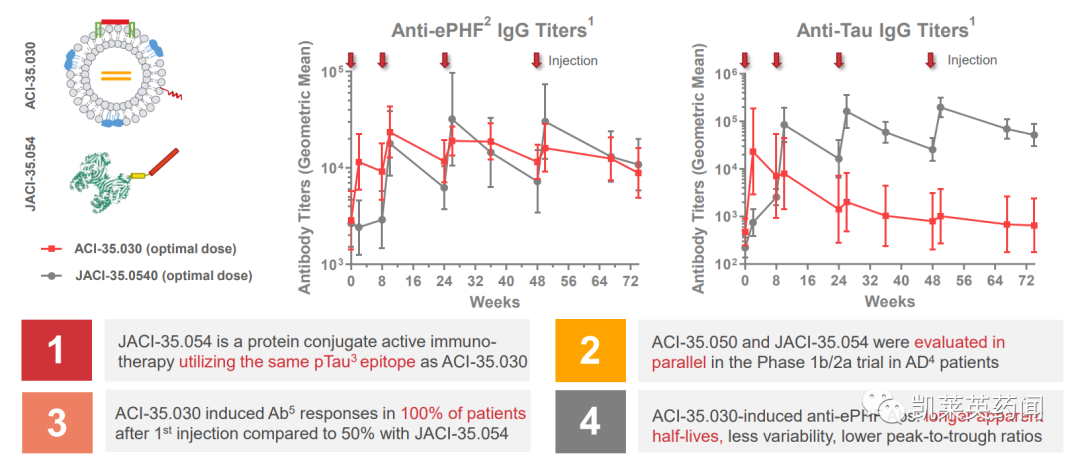
In 100% of elderly Alzheimer's patients, the first injection of ACI-35.030 targeting pathological pTau rapidly induces antibodies; importantly, the antibody response is sustained and focused on pathological pTau, including enriched paired helical filaments (ePHF).
The aggregation of pTau leads to the formation of neurotoxic ePHFs and Tau tangles.
Antibodies targeting non-phosphorylated Tau protein decrease over time.
To date, no safety or tolerability issues have been observed following ACI-35.030 vaccination.
About AC Immune
AC Immune is a clinical-stage biopharmaceutical company aiming to become the global leader in precision medicine for neurodegenerative diseases, including Alzheimer's disease, Parkinson's disease, and rare neurological disorders driven by misfolded proteins. The company has developed two platforms, SupraAntigen and Morphomer.
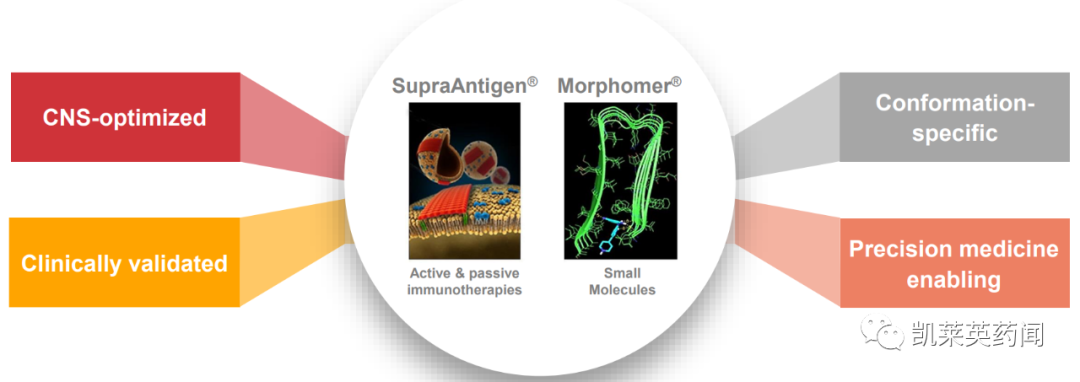
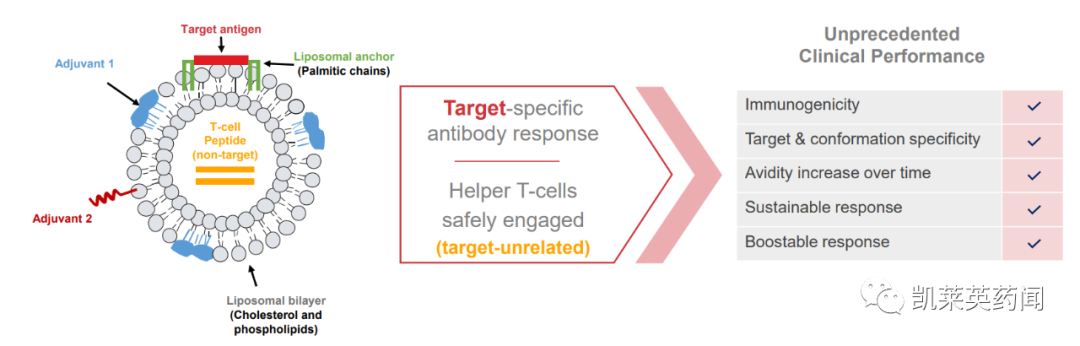
SupraAntigen uses proprietary liposomes to rapidly generate new candidate products for active immunotherapy and develops monoclonal antibodies for passive immunization targeting key neurodegenerative disease targets. The antibodies produced by this platform exhibit high specificity for the pathological conformations of misfolded proteins and demonstrate strong safety.
In addition to targeting amyloid-beta (Aβ) and Tau proteins, the company has also developed conformation-specific antibodies for emerging neurodegenerative disease targets, including α-synuclein, TDP-43, and the NLRP3 inflammasome pathway. The pipeline includes 10 therapeutic and 3 diagnostic drugs under development; among them, 5 products are in Phase 2 clinical trials, and 1 is in Phase 3.
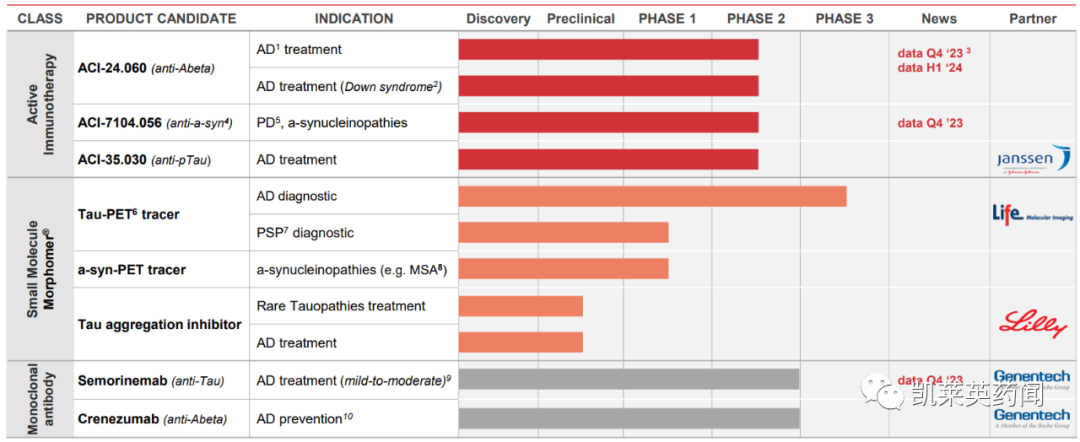
Among them, ACI-24.060 is another vaccine targeting Aβ developed based on the SupraAntigen platform. This drug has received FDA Breakthrough Therapy designation and has been granted Fast Track status. The Phase 1b/2 ABATE study showed that the low dose of ACI-24.060 can elicit an anti-Abeta antibody response as early as week 6 (2 weeks after the second injection), which helps prevent or clear plaques in the brain that are believed to cause AD and cognitive decline. In addition, the low-dose cohort demonstrated good tolerability.
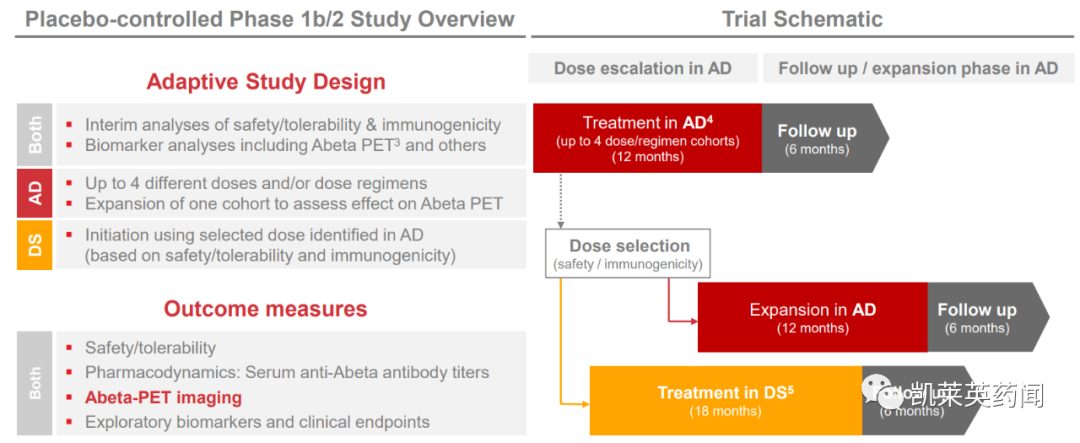
The company stated that it will announce the interim analysis data on the safety and immunology of ACI-24.060 in AD and DS patients in the second half of 2023; it will also release the PET imaging results evaluating the reduction of amyloid plaques in patients' brains for ACI-24.060 in the first half of 2024.
Apart from Johnson & Johnson, the company has established strategic partnerships with globally leading pharmaceutical companies (including Genentech under Roche, Eli Lilly, etc.), thereby securing substantial non-dilutive funding and potential milestone payments exceeding 3 billion US dollars.
Research and Development Status of AD Vaccine
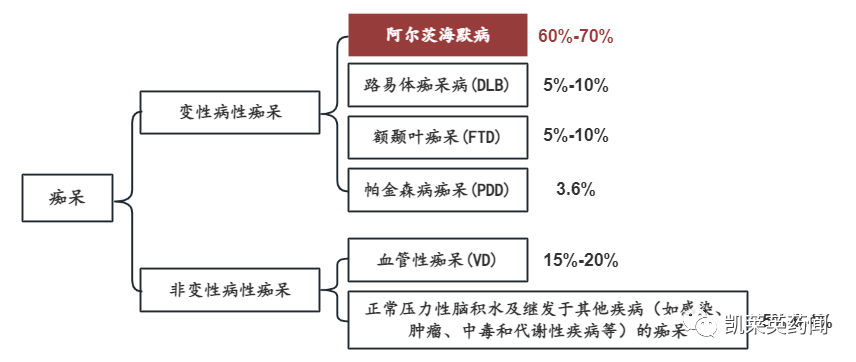
AD is a neurodegenerative disease commonly seen in the elderly; dementia can be divided into degenerative dementia and non-degenerative dementia. According to WHO statistics, Alzheimer's disease is the most common form of degenerative dementia, accounting for about 60%-70% of total dementia cases. Its main pathological changes include diffuse atrophy of the cerebral cortex, neurofibrillary tangles, and the formation of numerous senile plaques between nerve cells, with primary symptoms being progressive cognitive impairment and memory loss.
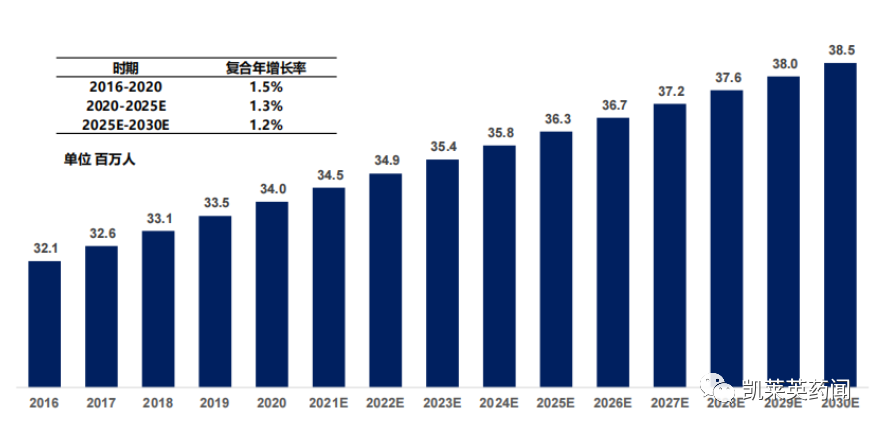
Against the backdrop of an aging population, the number of patients with dementia and mild cognitive impairment will continue to increase. As of 2018, approximately 33.1 million people worldwide were living with dementia, and this figure is projected to rise to 242 million by 2050.
2016-2030E Global Alzheimer's Disease Prevalence
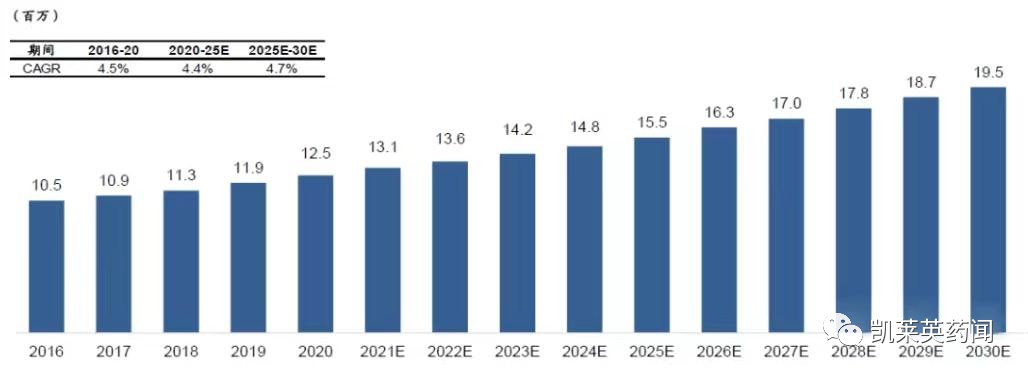
According to Frost & Sullivan data, the number of AD patients in China was 12.5 million in 2020. It is estimated that the number of AD patients in China will increase to 19.5 million from 2025 to 2030, with an annual compound growth rate of 4.7%. In 1990, AD ranked 10th in terms of mortality, but 20 years later, it had risen to 5th place.
Number of Alzheimer's Disease Patients and CAGR in China, 2016-2030
The pathological changes of AD are complex and diverse, and the exact pathogenesis remains unclear. It is generally believed to be the result of a combination of aging, genetic, and environmental factors. Patients commonly exhibit neuronal loss, synaptic dysfunction, extracellular Aβ deposition forming amyloid plaques, and intracellular neurofibrillary tangles formed by abnormally phosphorylated Tau protein.Currently, there are three major mainstream hypotheses on the pathogenic mechanism:
Aβ Amyloid Cascade HypothesisAβ is generated from amyloid precursor protein (APP) through the degradation by secretases. In the amyloidogenic pathway, APP is cleaved by BACE to produce sAPPβ, which is further cleaved by γ-secretase to generate Aβ peptides including Aβ1-42, Aβ1-40, and others. These peptides are released extracellularly and eventually aggregate to form amyloid plaques, leading to the development of AD.
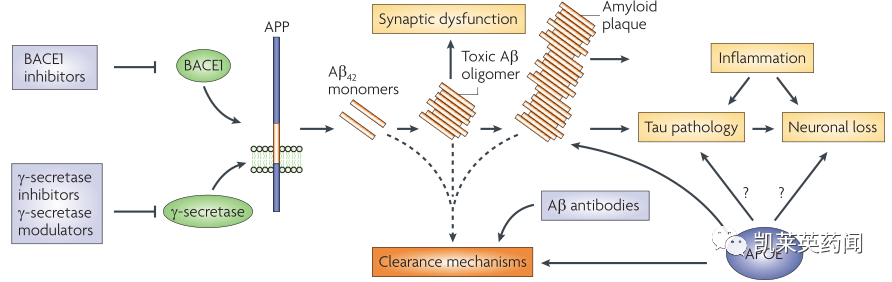
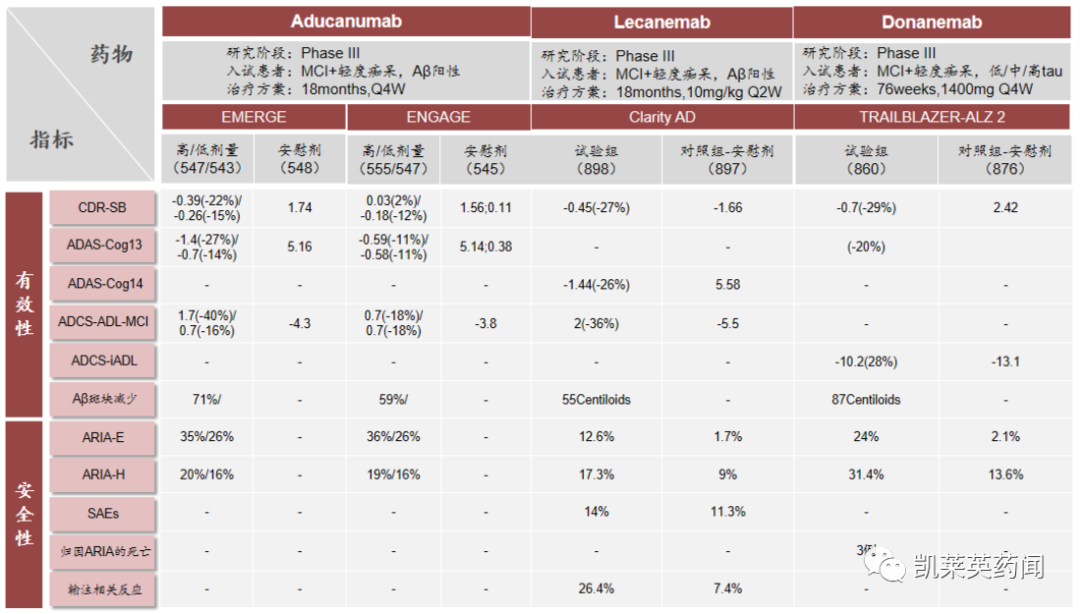
Biogen's Aducanumab, Lecanemab, and Eli Lilly's Donanemab are all AD drugs targeting Aβ amyloid protein, providing strong support for the Aβ hypothesis.
Comparison of Clinical Efficacy and Safety of Three Drugs
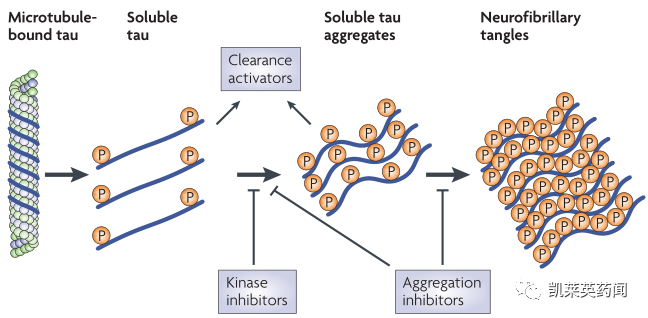
Tau Protein Abnormal Phosphorylation Hypothesis: In pathological conditions, the over-phosphorylation or abnormal phosphorylation of intracellular Tau protein causes it to lose its biological activity in promoting microtubule assembly, leading to microtubule disintegration and axonal transport障碍, which in turn induces apoptosis of neuronal cells and results in the occurrence of AD.
Cholinergic Hypothesis: This hypothesis suggests that the onset of AD is due to defects in neurotransmitters within the patient's brain, leading to damage of cholinergic neurons. The decreased activity of acetylcholinesterase (AChE) and choline acetyltransferase (ChAT) are the main reasons for the reduction in acetylcholine (ACh) concentration and the decline in cholinergic activity.
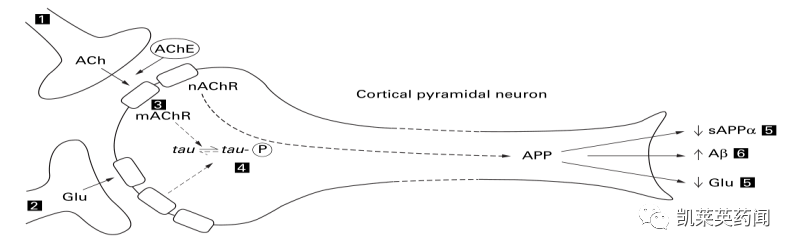
Immunotherapy strategies for AD include active immunization and passive immunization. Active immunization involves using vaccines or immunogens to stimulate the body to produce specific antibodies targeting pathogenic substances, characterized by strong immunogenicity and long duration. Passive immunization, on the other hand, involves directly introducing antibodies into the body, with features such as clear targets, rapid onset, and good safety. These immunotherapies aim to eliminate pathogenic substances in AD patients, prevent their aggregation, or inhibit the neurotoxic effects caused by these substances.
Over the past decade, researchers have conducted numerous studies on immunotherapy and achieved certain results. According to incomplete statistics,Currently, there are fewer AD vaccine pipelines under research, mostly targeting Aβ and Tau.。
AD Vaccine R&D Pipeline

References
1. Official Website of the Company
2、Southwest Securities
3. Official Account: Biomedical Explorer




"Views"Click once