

Carina Biotech Advances First-in-Class LGR5-Targeted CAR-T Therapy CNA3103 with Initial Patient Dosed in Phase 1/2 Trial for Metastatic Colorectal Cancer

Carina Biotech
Cancer Drug Developer

December 20, 2023 / eMedClub News /--2023Year12Month18Day,Carina Biotech Limited (Carina)AnnouncementItsLGR5TargetedCAR-TCell Therapy Candidate DrugCNA3103Completed1/2First Patient Dosed in Phase Clinical Trial,ThisIs a project aimed atMetastatic Colorectal Cancer(mCRC) Multicenter, Open-Label Study in Adult Patients(NCT05759728)。

Colorectal cancer is one of the malignant tumors with the highest incidence and mortality rates globally.Approximately 50% of patients with colorectal cancer may develop distant metastases during the course of the disease, and the overall 5-year survival rate for these patients is about 15%. The latest cancer report in China in 2022 shows that the number of new cases of colon cancer in China has reached 408,000.The mortality rate is as high as 19.6%., is the fourth most dangerous cancer in China. Immunotherapy, as a new treatment for malignant tumors, may benefit patients with colorectal cancer.
The phase 1 portion of the trial follows a Bayesian Optimal Interval (BOIN) design during dose escalation to safely and effectively explore the ideal phase 2 dose (RP2D) level. At each dose level, at least three subjects are enrolled per cohort. In the phase 2a portion of the trial, more patients will be treated at the phase 2 dose level of CNA3103 to further...Evaluate the safety, anti-tumor activity, pharmacokinetics, and pharmacodynamics of CNA3103。

Differentiated niche targets and chemokines,
Achieve Conquering Solid Tumors Without Recurrence

Forum on Immune Cell Therapy
Regulatory Trends in CAR-T Cell Therapy
Development and Application of CAR-T in Frontline Treatment of Hematologic Tumors
Clinical Development Progress of CD19 Dual-Target CAR-T
Construction of a Rapid CAR-T Manufacturing Process Platform
Opportunities for China-produced CAR-T to Go Global
Strategies for the Armed Upgrade of CAR-T in Solid Tumors
How TCR-T Overcomes Tumor Antigen Escape
Frontier Breakthroughs in Universal Cell Therapy
Innovative Development of Solid Tumor Targets
mRNA Technology Empowers Cell Drug Development

Make an appointment now,
Enjoy the "Early Bird" benefits!
Collaboration, Speeches, Synchronous Recruitment Ongoing
Carina Biotech believes that there are two major obstacles to CAR-T therapy for solid tumors: one isLack of Ideal Solid Tumor Antigen Targets, secondlyCAR-T Cells' Access to Tumor Tissue is Restricted. In order to overcome these two challenges,Achieving differentiated treatment pathways, Carina Biotech has avoided commonly targeted sites and instead selected atypical solid tumor antigens, including LGR5, GPC-1, ADAM-10, and nfP2X7.etc.
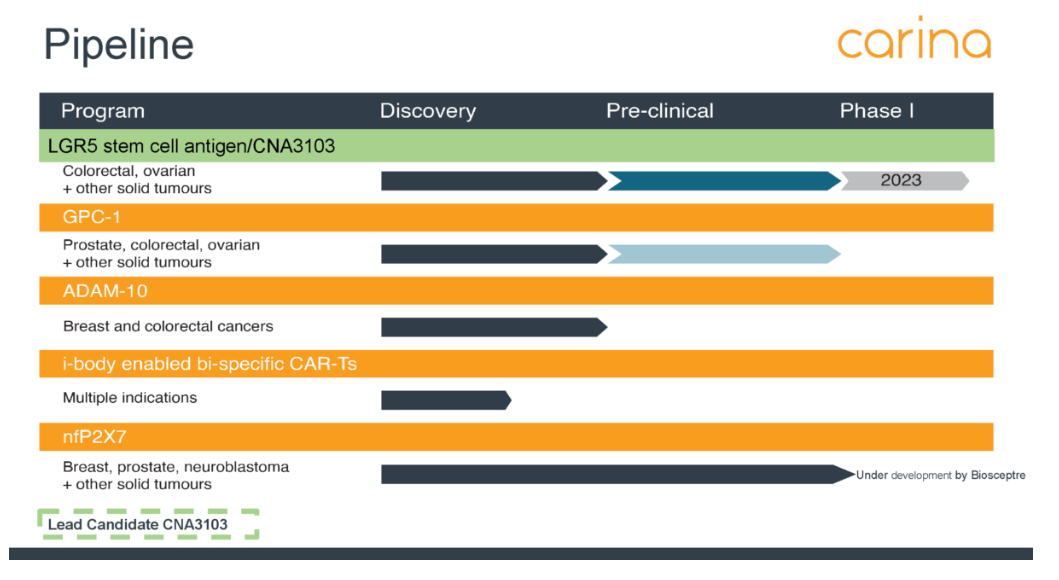
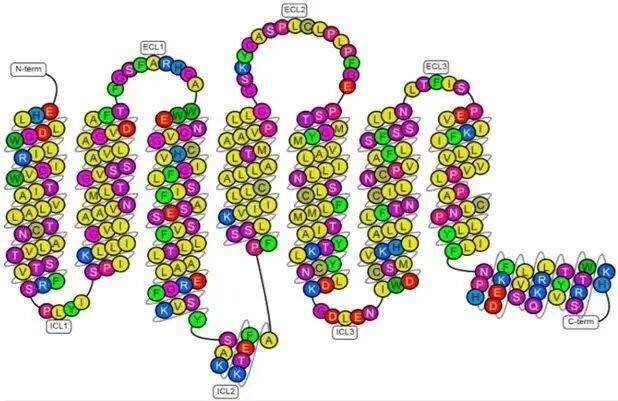
LGR5 is a key factor in the development and spread of colorectal cancer, highly expressed in most colorectal cancers, and is a marker of cancer stem cells.With the ability to self-renew and differentiate into various types of tumor cells, they initiate new tumors and develop resistance to most forms of chemotherapy, leading to particularly poor patient prognosis.CNA3103 targets cancer stem cells,Capable of reducing the generation of new tumor cells, thereby enhancing tumor suppression and preventing recurrence.. In preclinical studies,CAR-T cells targeting LGR5 have shown positive results, demonstrating the ability to kill various tumor cells both in vitro and in animal models, leading to complete tumor regression, preventing tumor recurrence, and exhibiting a longer survival period of CAR-T cells.
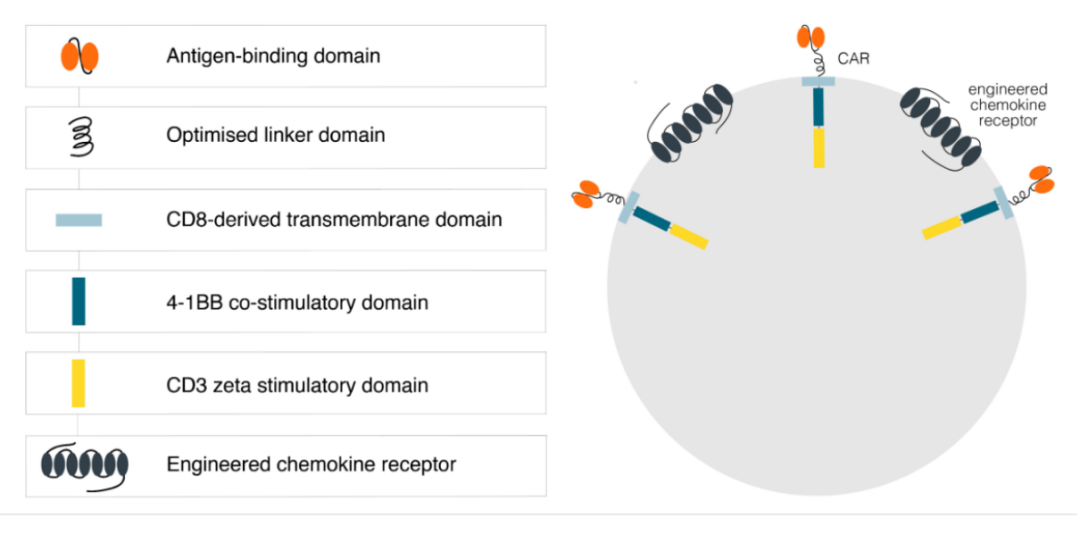
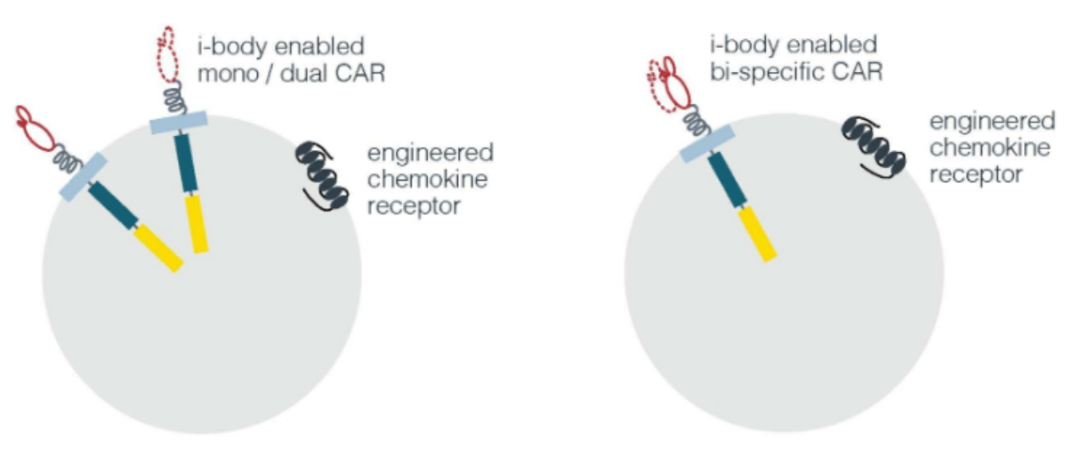
For the challenges of the solid tumor microenvironment, Carina has developed a proprietary multifunctional chemokine receptor platform to produce "supercharged" CAR-T cells.With bispecific and dual-targeting potential, capable of expressing chemokine receptors and utilizing the "homing" effect of chemokine receptors(Tumor cells and cells in the tumor microenvironment produce chemokines),Improving the contact and penetration of CAR-containing cells into solid tumors, thereby generating more effective and specific cancer-killing effects, reducing off-target effects, and protecting normal cells from attack.。
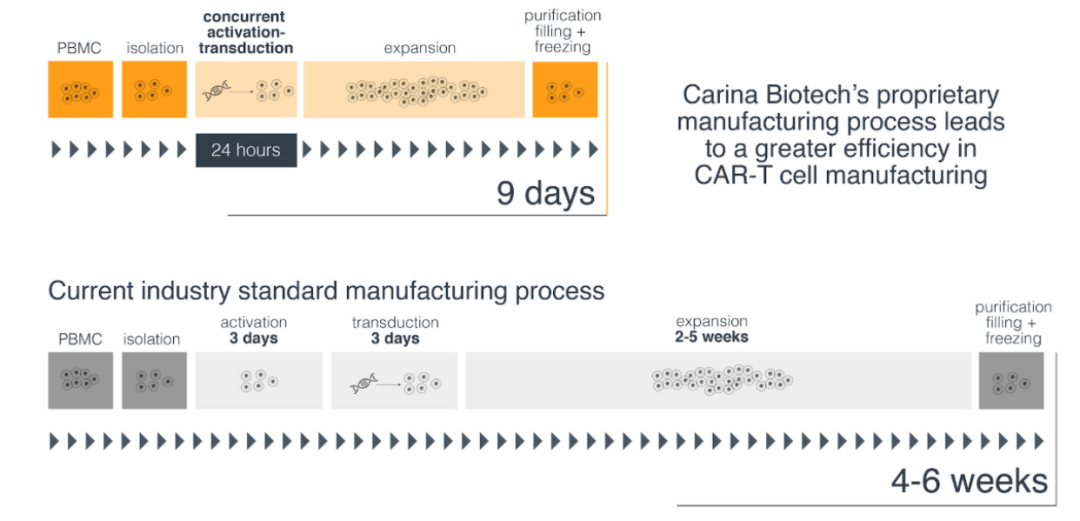
Carina also has a fully integrated proprietary manufacturing process,Shortening the traditional CAR-T production cycle from 4-6 weeks to 9 days, while also improving the quality of CAR-T cells,Capable of delivering potent CAR-T cell therapy to patients.
LGR5 Becomes an Effective Target for Multiple Solid Tumors

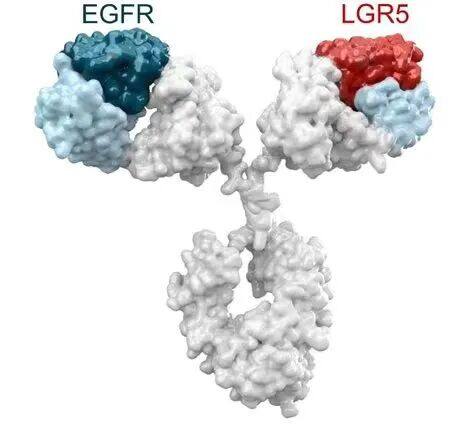
EGFR activity can promote uncontrolled cell growth, while LGR5 appears on the surface of cancer stem cells responsible for tumor expansion.Developed through Merus' proprietary Biclonics bispecific antibody platform,It can both block the growth and survival pathways of cancer cells and engage immune effector cells to directly kill cancer cells.In preclinical models,Petosemtamab demonstrated tumor regression or growth inhibition in multiple in vivo models, including head and neck cancer, esophageal cancer, and gastric cancer.. And,This antibody does not interfere with the function of healthy stem cells, which is crucial for the normal function of tissues.
Based on the results from the cohort expansion portion of the Phase 1/2 study,Bispecific antibody petosemtamab elicits responses in patients with advanced head and neck squamous cell carcinoma (HNSCC) and demonstrates manageable safety.As of February 1, 2023, 49 patients had enrolled in the trial, with 43 evaluable for efficacy.The overall response rate (ORR) for Petosemtamab treatment was 37.2%, with 1 patient achieving complete response (CR) and 15 patients achieving partial response (PR), and the disease control rate was 72.1%.
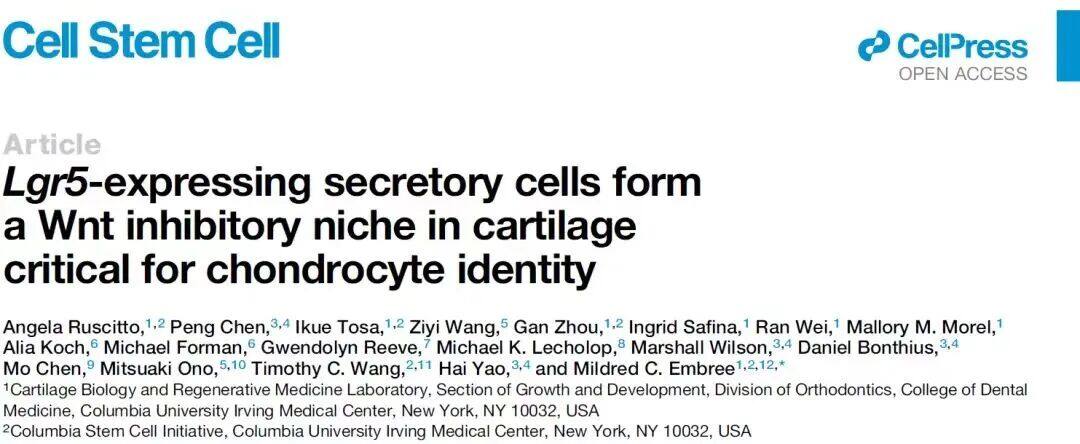
Recently, the research group led by Mildred C. Embree from Columbia University Irving Medical Center in the United States published an article in Cell Stem Cell titled "Lgr5-expressing secretory cells form a Wnt inhibitory niche in cartilage critical for chondrocyte identity." They used a temporomandibular joint (TMJ) model to conduct a detailed study on the reasons behind the formation of a niche with low levels of the canonical Wnt (cWnt/β-catenin) signaling pathway in articular tissues.It was found that the low cWnt niche maintained by Lgr5-expressing cells in the joint is crucial for maintaining chondrocyte characteristics. The occurrence of osteoarthritis is associated with impaired Lgr5 expression and the inability to maintain a low cWnt environment, which ultimately leads to the differentiation of chondrocytes into osteoblasts and disrupts chondrocyte balance.ResearchersA new therapeutic strategy, StemJEL, has been developed.This is an injectable hydrogel therapy coated with SOST recombinant protein within 2% hyaluronic acid, allowing for sustained release in bones, thereby inhibiting cWnt activity.Showed good therapeutic effects in osteoarthritis (OA) animal models., which is expected to become a new method for the treatment of osteoarthritis in the future.
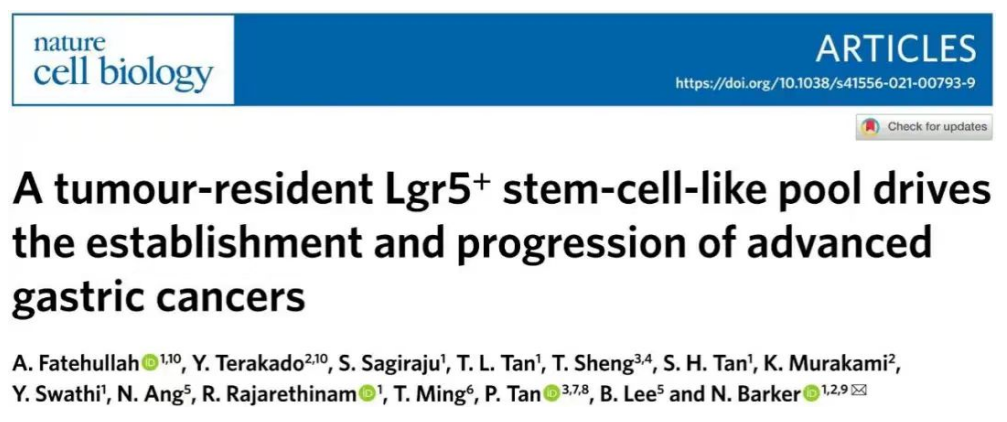
On December 2, 2021, the N. Barker team from the Institute of Molecular and Cell Biology at Singapore’s A*STAR published an article online in Nature Cell Biology titled “A tumour-resident Lgr5+ stem-cell-like pool drives the establishment and progression of advanced gastric cancers.” Using the Claudin18-IRES-CreERT2 (Cldn18-IRES-CreERT2) allele, they selectively drove conditional dysregulation of the Wnt, receptor tyrosine kinase, and Trp53 pathways within the gastric epithelium, constructing a highly reproducible metastatic, chromosomally unstable gastric cancer model that accurately recapitulates the characteristics of advanced human gastric cancer. They also developed an in situ tumor organoid transplantation model.It has been proven that tumor-resident Lgr5+ stem-like cells are crucial for the occurrence and metastasis of gastric cancer (GC).This provides a valuable preclinical model for gaining insights into clinically relevant mechanisms of cancer progression and evaluating therapeutic targets.
Conclusion
3.https://doi.org/10.1016/j.stem.2023.08.004
4.https://www.carinabiotech
5.Official Websites of Various Companies


Dian Dian "Share”、“Like" and "In View",Give me a little recharge~"