AbbVie Terminates Phase 2 SYNERGY Trial of Acazicolcept in Systemic Lupus Erythematosus Ahead of Schedule

AbbVie
Innovative Drug Developer
Disclaimer: Due to limited expertise, errors are inevitable, and some information may not be the most up-to-date. Comments pointing out any inaccuracies are welcome. This article is only an introduction to medical and health-related drugs and does not recommend any treatment plans (if involved). This article does not constitute any investment advice.
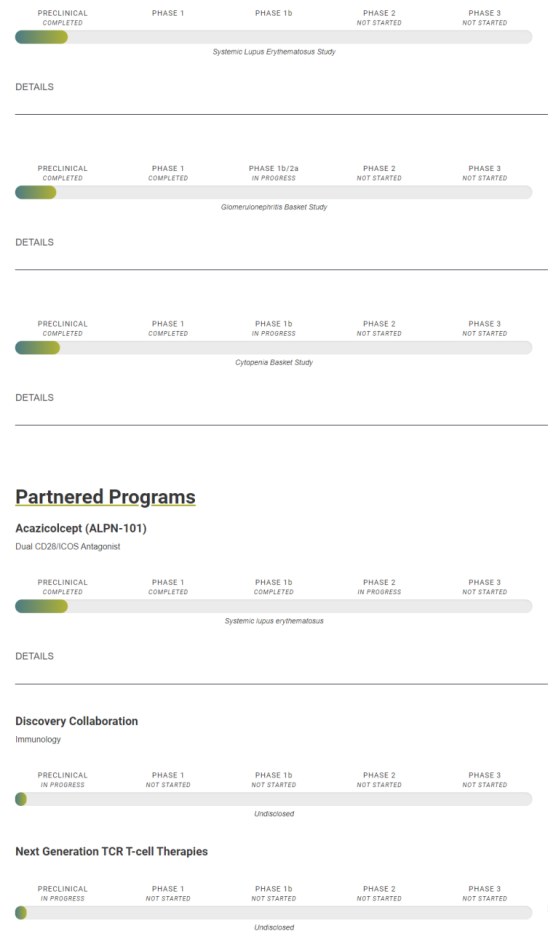
On December 21, 2023, Alpine, which focuses on developing immunotherapies for autoimmune and inflammatory diseases, announced that it had revised the licensing agreement for Acazicolcept with AbbVie. AbbVie agreed to end the Phase 2 Synergy study for the treatment of systemic lupus erythematosus ahead of schedule. However, the $75 million option exercise fee was reduced to $10 million, and potential development, commercial, and milestone payments, as well as royalties, were also decreased by 25% compared to the original agreement. To date, Alpine has received $105 million in non-refundable upfront and milestone payments.

Acazicolcept is a first-in-class CD28/ICOS co-stimulatory dual antagonist. In June 2020, AbbVie reached an agreement with Alpine, paying $60 million upfront, up to $805 million in option exercise and development, regulatory, and commercial milestone payments, as well as tiered royalties on net sales, for the exclusive license option of Acazicolcept.
The Synergy study began enrolling participants in June 2021, with plans to complete the study within two years and recruit a total of 130 patients with systemic lupus erythematosus.However, the plan to establish a testing site in Russia was terminated due to the Ukraine war, resulting in a delayed enrollment rate and causing R&D expenditures to exceed Alpine's expectations.As of September 30, 2023, Synergy had cash and cash equivalents and short-term investments totaling $193 million, a decrease of 18.91% year-over-year.
In addition to Acazicolcept, Alpine’s pipeline also includes Povetacicept, a dual antagonist of the BAFF (B-cell activating factor) and APRIL (a proliferation-inducing ligand) cytokines. Three studies for the treatment of systemic lupus erythematosus, IgA nephropathy, and cytopenia have already entered the clinical stage.