

The Paradoxical Year of Cell and Gene Therapy in 2023: Breakthroughs Amid Layoffs

IASO Biotechnology
Cancer Treatment New Drug Developer
As the year comes to an end, the market's chilly reception on social platforms has sparked renewed jesting.
"What to throw? Throw resumes." "What to look at? Look at the snow." "What to play? Play card games," It seems that everyone is worried about their career prospects. Old Jiang, a seasoned pharmaceuticals investor with over 10 years of experience in the industry, began reflecting amidst the gloomy atmosphere among his peers. He increasingly felt that perhaps the current difficulties were exaggerated by people’s self-deprecating humor, making them seem especially tough. Yet, many individuals and companies were still reaping rewards. Once this thought took hold, it wouldn’t leave him.
As 2023 comes to an end, people may not look back with nostalgia. However, beyond the financial frenzy, the healthcare innovation industry has undergone profound transformations this year that are worth examining. The once red-hot fields of cell and gene therapy have experienced both highs and lows. The global family of commercially available cell and gene therapy drugs is rapidly expanding, while biotech companies — some still in the research phase and others with core products already on the market — are conducting widespread layoffs. Meanwhile, multinational pharmaceutical giants are entering the scene to scoop up assets. The development trajectory of cell and gene therapy enterprises seems to be disrupting conventional logic.
Whether analyzed from the perspective of quantity or quality, 2023 can be called a harvest year for the global cell and gene therapy field.
In terms of quantity, in 2023, a total of six cell and gene therapy drugs were approved for marketing globally, setting a new record high. Since the approval of Novartis' Kymriah and Gilead's Yescarta, two CAR-T cell therapy drugs, in 2017, cell and gene therapy drugs have been coming to market one after another. From 2020 to 2023, the number of cell and gene therapy drugs approved for marketing globally increased year by year. As a new type of clinical solution, cell and gene therapy drugs have officially taken the stage in history.
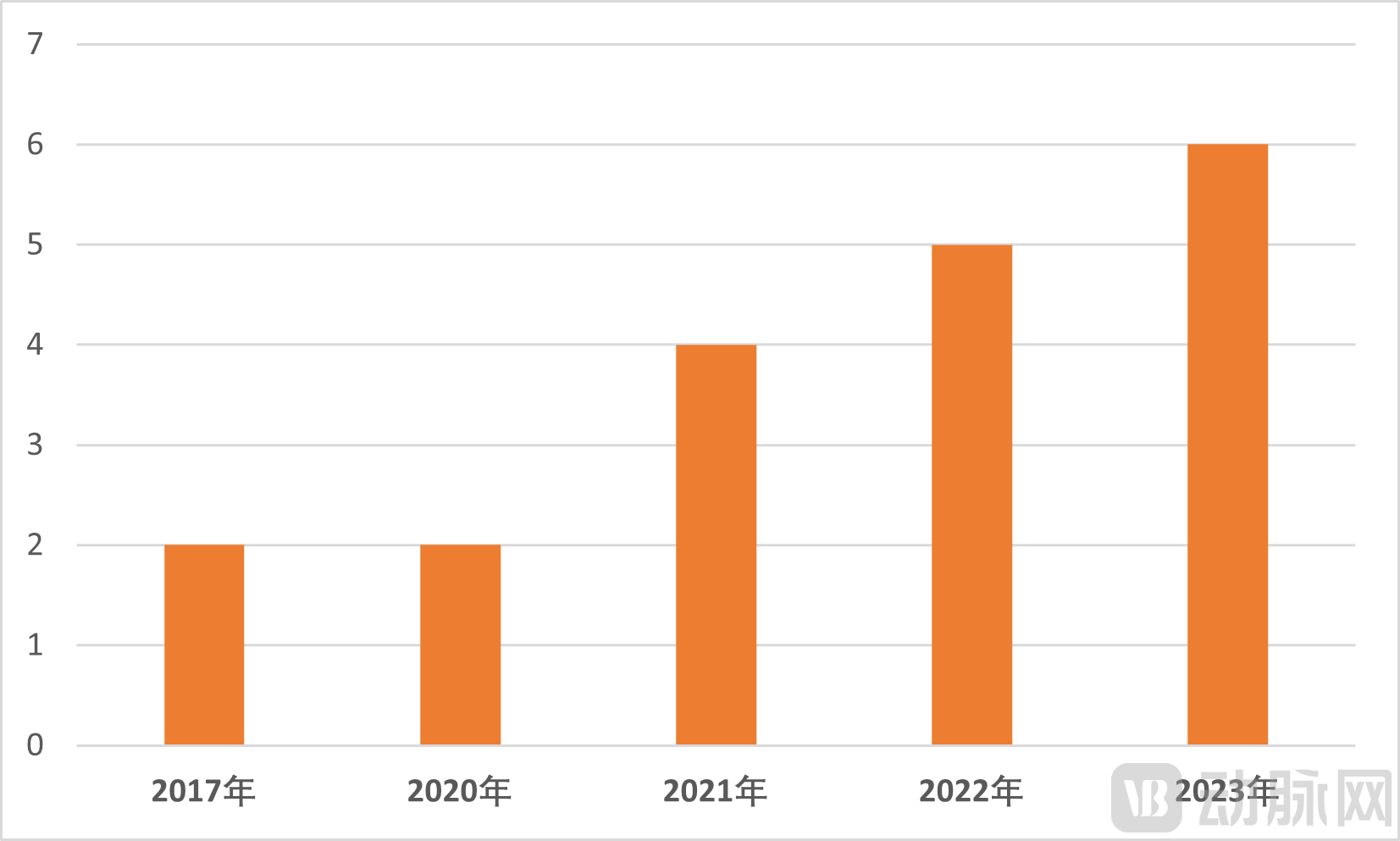
Number of Cell and Gene Therapy Drugs Approved for Marketing Worldwide Since 2017 Data Source: VCBeat Database
In terms of quality, 2023 saw the commercialization of cell and gene therapy products break boundaries across multiple dimensions. The first allogeneic cell therapy product, the first gene therapy drug for ex vivo treatment, and the first gene-editing drug have emerged, with cell and gene therapy products beginning to reach various unmet clinical needs.
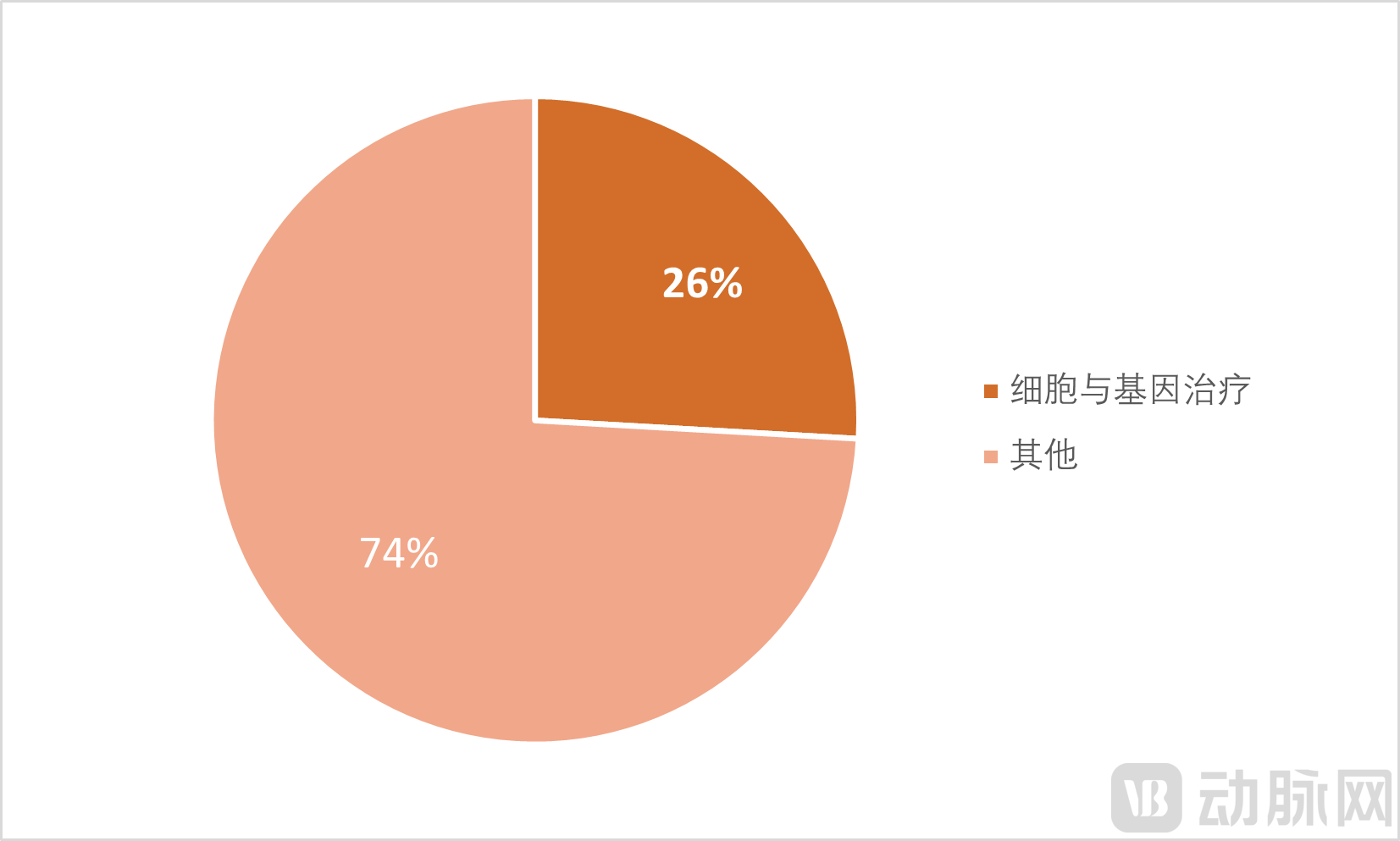
2023Cell and gene therapy drugs approved for marketing in the year Data source: VCBeat Database
First, the global allogeneic cell therapy product launch.Prior to this, cell therapy required the reinfusion of autologous cells, which has always been a bottleneck in the manufacturing process that is difficult to scale and reduce costs. On June 28, 2023, Lantidra was approved for marketing by the U.S. FDA. This is the first allogeneic islet cell therapy generated from pancreatic cells obtained from deceased donors approved by the FDA. Lantidra, an allogeneic islet cell therapy developed by CellTrans, is used to treat adult patients with type 1 diabetes, specifically those adult patients with type 1 diabetes who are unable to reach target glycated hemoglobin levels due to persistent severe hypoglycemia.
Recently, the research and development of cell therapy for diabetes have gained significant attention. For instance, Vertex is studying a diabetes stem cell therapy called VX-880. According to reports, in the Phase 1/2 clinical trial of VX-880, two patients became insulin-independent, and all six patients secreted endogenous insulin. Additionally, just one day after Lantidra was approved for marketing, Eli Lilly announced it would acquire its diabetes cell therapy partner Sigilon Therapeutics for over $300 million. The two parties will collaborate to develop encapsulated cell therapies for treating Type 1 diabetes. Meanwhile, another stem cell-derived islet cell therapy from Vertex, VX-264, is also an encapsulated cell therapy.
Secondly, gene therapy drugs are moving from injection to topical application.Vyjuvek, developed by Krystal Biotech, is a gene therapy for the treatment of Dystrophic Epidermolysis Bullosa (DEB). It is the first FDA-approved topical gene therapy and also the first repeat-dose gene therapy.
Before Vyjevek was marketed, there was no specific drug for DEB in clinical practice. Pain and itching were managed by using glucocorticoids combined with drugs like dapsone, or functionality was restored through surgical interventions. Vyjevek delivers genes via a genetically engineered HSV-1 vector, which does not integrate into the host cell genome nor disrupt the host genome in any other way, significantly improving the quality of life for DEB patients.
Finally, and most significantly, the breakthrough lies in the approval and market launch of the first gene-editing drug by the end of the year.On November 16, Vertex and CRISPR jointly announced that the CRISPR/Cas9 gene-editing therapy exa-cel (Casgevy) received conditional approval from the UK Medicines and Healthcare products Regulatory Agency (MHRA) for marketing. This marks the world's first approved CRISPR gene-editing drug. Casgevy is indicated for treating patients aged 12 years and older with sickle cell disease (SCD) accompanied by recurrent vaso-occlusive crises (VOCs), as well as transfusion-dependent β-thalassemia (TDT) patients who are unable to access human leukocyte antigen (HLA)-matched hematopoietic stem cell transplantation.
Specifically, Casgevy utilizes CRISPR/Cas9 technology to edit patients' own CD34+ hematopoietic stem cells and progenitor cells (hHSPC) in vitro via electroporation, enabling high levels of fetal hemoglobin (HbF) production in red blood cells, thereby improving the patient's condition and reducing the need for blood transfusions.
With the launch of Casgevy, the industry's attention to CRISPR therapy has significantly increased. Besides Casgevy, multiple gene-editing therapies worldwide have also entered the clinical stage. Among them, the investigational CRISPR in vivo genome editing therapy NTLA-2001, co-developed by Intellia Therapeutics and Regeneron, has shown promising preliminary results in Phase 1 clinical trials, demonstrating improvement in transthyretin (ATTR) amyloidosis, and is about to enter global Phase 3 trials. Additionally, VERVE-101, a single-base editing therapy based on the CRISPR system developed by Verve Therapeutics that targets specific genes to modify individual letters, recently showed potential in Phase 1b clinical trial results for permanently reducing cardiovascular disease risk with a one-time treatment.
Moreover, after a gap of two years, China-produced cell and gene therapy products were launched intensively in 2023, further narrowing the gap with global cutting-edge treatment solutions.
On November 8, the official website of the National Medical Products Administration (NMPA) announced that the CAR-T product Naciorlen Injection (formerly known as Herkilen) submitted by Hekin Bio has been approved for marketing. It will be used to treat adult patients with relapsed or refractory B-cell acute lymphoblastic leukemia (r/r B-ALL). Reportedly, Naciorlen Injection is the first CAR-T cell therapy drug approved for marketing in China for the treatment of adult patients with relapsed or refractory B-cell acute lymphoblastic leukemia (r/r B-ALL), and it is also the second such product globally. The first similar product globally is Tecartus, a CD19-targeted CAR-T cell therapy drug, which was approved by the U.S. Food and Drug Administration (FDA) on October 1, 2021, for the treatment of adult B-cell precursor acute lymphoblastic leukemia (B-ALL).
Moreover, as the first fully human BCMA-targeted CAR-T cell therapy developed in China, IASO Bio and Innovent Biologics' Cilta-cel Injection was approved for marketing on June 30 for the treatment of adult patients with relapsed or refractory multiple myeloma (R/R MM). Prior to this, Abecma, developed by 2seventy bio as the world’s first BCMA-targeted CAR-T drug, received FDA approval in the United States in November 2021. Its current indication aligns with that of Cilta-cel Injection. According to 2seventy bio's financial report, Abecma achieved sales revenue of $297 million in 2022. 2seventy bio anticipates that Abecma’s sales will double in 2023, reaching between $470 million and $570 million, demonstrating the strong market potential of such drugs once they enter clinical use.
On the other hand, most cell and gene therapy companies are not doing well at present.
Mass Layoffs Hit Biotech Industry: Cell and Gene Therapy Sector in the U.S. Severely Impacted in 2023
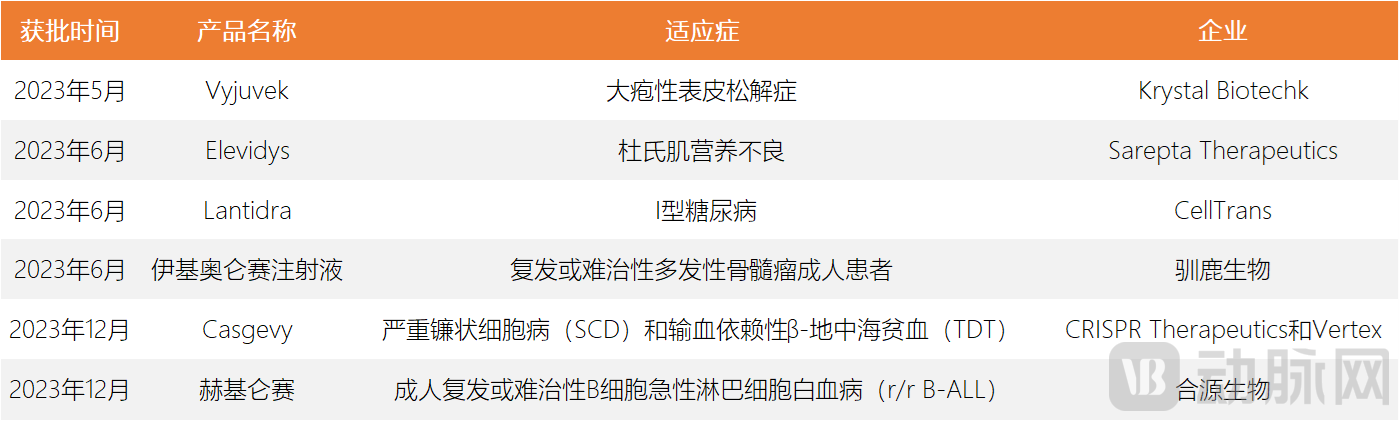
2023Year, United StatesBiotechLayoff Structure Data source: VCBeat整理 according to public information
To laugh last in the wave of cell and gene therapy seems to be an unsolvable problem no matter what.
Layoffs and pipeline cuts are most directly caused by concerns about cash flow becoming problematic, or cash flow has already started to show problems. Furthermore, if categorized by the commercialization status of core products, it is evident that cell and gene therapy companies at different stages face varying levels of pressure.
For cell and gene therapy companies with core products already on the market, layoffs are often accompanied by an increase in certain positions, which essentially reflects a shift in business focus. For instance, at the end of November, Kite Pharma laid off 7% of its workforce following its annual business review. While Kite Pharma did not elaborate on the departments affected, combined with Gilead’s statements, it is clear that in the coming year, Kite Pharma will place greater emphasis on commercialization. The company has two commercialized cell therapy products: Yescarta and Tecartus. According to Gilead Sciences' financial report, in 2022, the sales of Yescarta and Tecartus reached $359 million and $89 million, respectively. It is projected that by 2024, Yescarta's sales in the U.S. and Europe will reach $966 million and $321 million, respectively. Even years after their market launch, the sales peak for cell therapy products has yet to be reached. Gilead stated that while Kite Pharma is implementing layoffs, it plans to recruit 90 new employees and emphasized its commitment to further promoting the adoption of cell therapies.
For instance, at the beginning of December, just before Casgevy was approved for marketing, CRISPR Therapeutics announced a 10% workforce reduction. According to foreign media analysis, despite having ample cash reserves, CRISPR Therapeutics decided on this counter-trend layoff primarily to align with post-product business restructuring. Currently, cell and gene therapy companies, including CRISPR Therapeutics and Bluebird Bio, are extensively establishing qualified treatment centers to receive, treat, and monitor patients undergoing gene therapy. It is reported that Vertex and CRISPR Therapeutics will successively set up approximately five self-operated treatment centers in the United States and the European Union. The construction, operation, and maintenance of these centers often require personnel from various specialties, which is considered the real reason behind CRISPR Therapeutics' layoffs.
Moreover, PTC Therapeutics announced layoffs in September and halted preclinical and early-stage gene therapy research projects to reduce operating expenses. UniQure cut its workforce by 20% to extend planned gene therapy trials to 2027. Due to competitive pressure on its approved cell therapy, 2seventy bio, a company spun off from bluebird bio, announced the elimination of 176 positions, reducing its total workforce by 40%.
However, for cell and gene therapy companies whose core products are still in the clinical stage, layoffs often accompany the scaling down of R&D pipelines, which can be seen as the last push before commercialization. In early January, Editas Medicine announced a 20% reduction in workforce and significantly cut drug development expenditures to focus on CRISPR-based treatments for sickle cell disease and β-thalassemia, specifically EDIT-3001. By the end of 2022, Editas had disclosed results from the first two patients treated with EDIT-3001, showing good tolerance and efficacy, but overall lagging behind CRISPR Therapeutics and Bluebird bio.
Another star company in the cell and gene therapy sector, Beam Therapeutics, which has slightly lagged behind in development progress, announced in October that it plans to lay off about 20% of its workforce, affecting approximately 100 positions, as part of its corporate restructuring plan. Combined with the cost savings from the restructuring, the company now expects its cash runway to extend until 2026. Under the restructuring plan, Beam will prioritize its sickle cell disease programs, including BEAM-101 and its base editor BEAM-302 for treating alpha-1 antitrypsin deficiency (AATD). The company also intends to initiate early clinical trials for BEAM-301 in treating glycogen storage disease type Ia, or GSD1a.
Of course, the worst-hit are cell and gene therapy companies whose core products have not been commercialized and whose clinical progress is relatively lagging. Among the cell and gene therapy companies that laid off employees in 2023, many ultimately chose to dissolve or go bankrupt.
In 2023, mergers and acquisitions were an unavoidable topic in the biopharmaceutical innovation ecosystem. In the field of cell and gene therapy, compared to out-licensing of pipelines under research, both acquirers and targets opted more frequently for direct equity cooperation.
On the one hand, multinational giants have been actively acquiring Biotechs considered to have potential.At the end of December, AstraZeneca announced an agreement with Gracell Biotechnologies, a U.S.-listed Chinese cell therapy company, to acquire the latter for a total price of approximately $1.2 billion. After the acquisition is completed, Gracell Biotechnologies will operate as a wholly-owned subsidiary of AstraZeneca in China and the United States. This marks the first complete acquisition of a Biotech company in China. Upon the release of this news, many have remarked that multinational giants have begun purchasing Biotech companies at low valuations.
In fact, overseas, multinational pharmaceutical companies have long begun to snap up Biotech firms. At the beginning of October, Eli Lilly announced a $1.4 billion acquisition of radiopharmaceutical Biotech company POINT Biopharma. The day after AstraZeneca’s acquisition news was released, this deal was officially completed. Additionally, Cytokinetics, a Biotech firm engaged in drug development for muscle biology and musculoskeletal kinetics disorders, recently saw a significant rise in its stock price. Reports suggest that the company is about to be acquired.
On the other hand, biotech companies frequently merge through equity consolidation to seek mutual support.In early March, two months after announcing a 40% layoff to cut costs, TCR² Therapeutics, a leading U.S. TCR-T cell therapy company, announced its merger with another top player in the field, Adaptimmune Therapeutics, to jointly develop cell therapy products for solid tumors. Following the announcement, TCR² Therapeutics' stock price surged over 40%. According to the agreement, the new company will retain the name Adaptimmune and continue developing T-cell therapies targeting solid tumors. The cash runway of the combined company is expected to extend until 2026. Additionally, after consecutive layoffs in January and April, Talaris Therapeutics announced in October its merger with Tourmaline Bio to jointly develop cell therapy products.
Whether being acquired by multinational pharmaceutical companies or undergoing mergers and acquisitions within the industry, after years of rapid and unchecked growth, cell and gene therapy enterprises are starting to shift from fragmentation towards consolidation. Compared to discussing the success or failure of individual companies, such industry trend changes may be more worthy of attention.
In a sense, in 2023, cell and gene therapy moved out of the eye of the capital storm. However, as an innovative therapy with great potential to meet clinical needs, the maturation of cell and gene therapy is undoubtedly difficult to stop due to external objective pressures.