Building Safe Protection for Infants During RSV Season: Nirsevimab (Beyfortus) Gains Approval in China

AstraZeneca
Biopharmaceutical Manufacturer

Sanofi
Pharmaceutical R&D Developer

Johnson & Johnson
Healthcare Product Manufacturers, Health Service Providers
Source丨Original work by Healthnews21
Author/Ji Yuanyuan
Editor/Xu Xu
Image/21 Image Library
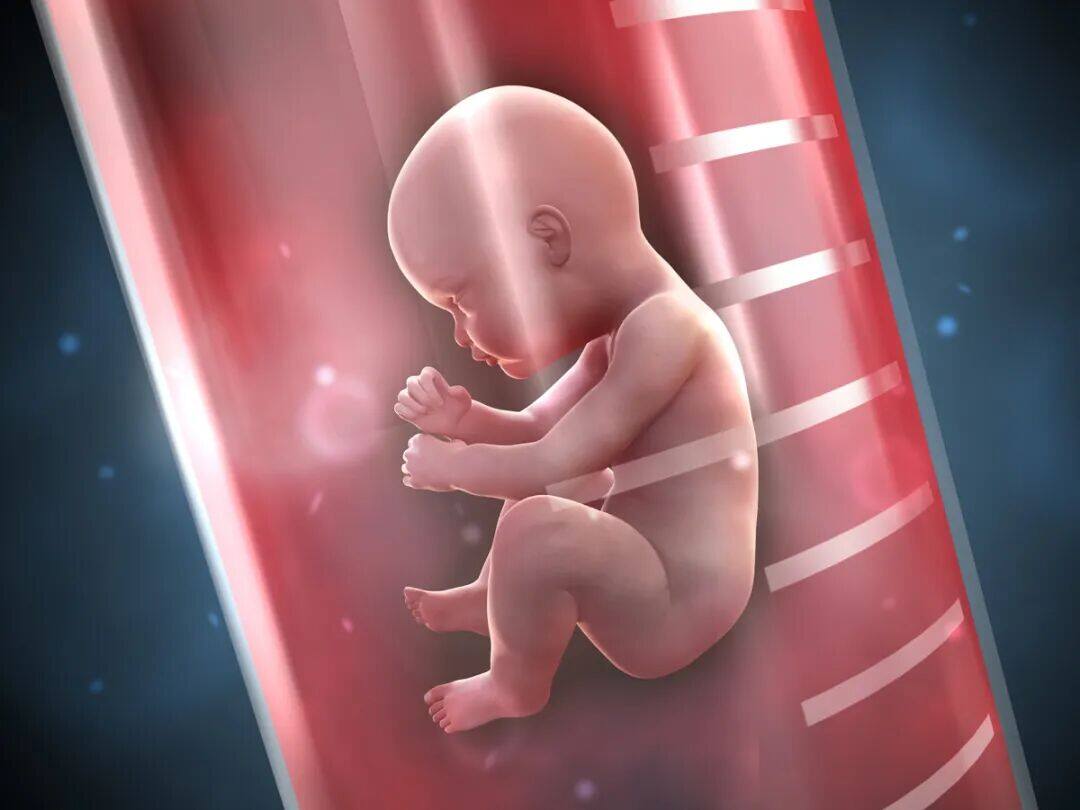
At the beginning of 2024, AstraZeneca and Sanofi jointly announced that the long-acting monoclonal antibody Beyfortus® (Nirsevimab) has officially been approved for marketing by the National Medical Products Administration of China, for the prevention of lower respiratory tract infections (LRTI) caused by respiratory syncytial virus (RSV) in newborns and infants.This medication is suitable for newborns and infants who are about to enter or be born during the first RSV infection season. Nirsevimab is expected to launch in China during the 2024-2025 RSV infection season.
RSV is a common, highly contagious seasonal virus. It is the most common cause of lower respiratory tract infections (such as bronchiolitis and pneumonia) in infants and one of the leading causes of infant hospitalization, with most RSV-related hospitalizations occurring in healthy, full-term babies. China is one of the countries with a high incidence of RSV globally.
According to estimates by The Lancet,In 2019, there were approximately 33 million RSV-ALRTI (RSV virus infection with symptoms of acute lower respiratory tract infection) cases among children under 5 years old globally, leading to around 3.6 million hospitalizations and 100,000 deaths in children.
Professor Liu Hanmin, President of West China Second University Hospital, Sichuan University, and Principal Investigator (PI) of the Phase III clinical trial of Nirsevimab in China, stated that there is currently no specific treatment for respiratory syncytial virus (RSV) disease in infants. Severe RSV infections during infancy can have long-term effects, making prevention key to protecting infants. Nirsevimab, an innovative long-acting monoclonal antibody, can protect infants through a single injection during the RSV season.
"The approval and launch in China not only alleviates the disease burden on children and families caused by RSV infections but also has the potential to reduce the healthcare system's burden from pediatric respiratory illnesses, which will be an important contribution to RSV prevention and control in China," said Professor Liu Hanmin.
An analyst from a securities firm's pharmaceuticals industry also pointed out to the 21st Century Business Herald reporter that the widespread prevalence of RSV also indicates a huge market demand.

RSV is a common respiratory virus in infants and young children and is one of the leading causes of hospitalization due to lower respiratory tract infections in this population. In 2023, media reports from various regions in China indicated an increasing trend in respiratory syncytial virus (RSV) infections among infants and young children, with a notable rise in the number of RSV cases reported in Beijing, Shanghai, and Zhejiang.
Data shows that globally, RSV causes approximately 3 million hospitalizations among children under 5 years old each year, with about 60,000 deaths occurring in hospitals. In the United States, RSV is the leading cause of hospitalization for infants under 1 year old, and among the 177,000 elderly people hospitalized annually due to RSV, 14,000 result in death. However, there is still no preventive solution available for all infants and the elderly, and existing treatment drugs are limited to symptom relief.
Professor Deng Jikui, Chief Physician of the Infectious Diseases Department at Shenzhen Children's Hospital and member of the Infectious Diseases Group of the Pediatric Branch of the Chinese Medical Association, previously stated in an interview with reporters from the 21st Century Business Herald,Respiratory syncytial virus (RSV) shares similarities with other respiratory viruses, primarily spreading through the respiratory tract. However, RSV also has distinct characteristics, particularly in its significant impact on children, especially infants under 1 to 2 years old, who bear a particularly heavy burden.
"The pathogenicity of respiratory syncytial virus (RSV) is similar to many other viruses, primarily causing increased respiratory secretions and mucus, as well as tracheal smooth muscle spasms, after transmission through droplets or close contact with the respiratory tract. This leads to symptoms such as fever, cough, wheezing, and runny nose in children," said Deng Jikui. He pointed out that if there are infants under 1 or 2 years old at home, special attention should be paid to whether the child suddenly develops symptoms of cough, especially wheezing.
"Respiratory syncytial virus shows significant differences in the age of infected individuals, with a heavier disease burden on infants and young children. There are two factors: one is age—the younger the child, the more susceptible; the other is season—there's a higher likelihood during epidemic seasons," said Professor Deng Jikui. Analysis of respiratory disease conditions across regions in 2023 reveals that there are quite a few patients with co-infections of influenza, respiratory syncytial virus, and Mycoplasma pneumoniae. For children, respiratory syncytial virus and influenza easily attack together, making it even more necessary to strengthen prevention.
It is also based on current clinical needs that, in addition to Sanofi/AstraZeneca, a group of multinational pharmaceutical companies including Pfizer and GSK are accelerating their efforts to expand into the RSV drug market.

According to estimates by灼识咨询, the number of severe RSV infection cases in children under 5 years old globally is expected to reach 37.07 million by 2032, including approximately 2.9 million cases in China. The compound annual growth rate for severe RSV infection cases in this age group from 2022 to 2032 is projected to be 1.1%. Additionally, research data indicates that RSV infections often lead to long-term adverse outcomes in infants and young children, triggering chronic respiratory conditions such as recurrent wheezing, asthma, and reduced lung function.
This will also further expand the global market size of RSV drugs (both preventive and therapeutic drugs), which is expected to grow from $1.8 billion in 2020 to $12.8 billion by 2030, with an annual compound growth rate of 21.4%. Among this, RSV drugs targeting children are projected to increase from $1.8 billion in 2020 to $11.7 billion by 2030, accounting for 91.1% of the global RSV drug market. Meanwhile, China’s RSV drug market is expected to surge from $5.2 million in 2020 to $1.5 billion by 2030, with an annual compound growth rate of 75.8%, and RSV drugs for children are anticipated to represent approximately 89.4% of the entire RSV drug market in China.
Nirsevimab's approval in China is primarily based on the results of three pivotal clinical trials and the China clinical development program. For all clinical trial endpoints,A single injection of Nirsevimab demonstrates consistent efficacy against lower respiratory tract diseases caused by respiratory syncytial virus, providing sustained protection for five months, i.e., a typical RSV season.
Nirsevimab was approved in the European Union in October 2022 for the prevention of lower respiratory tract disease caused by RSV in neonates and infants during their first RSV season. Subsequently, in July 2023, nirsevimab received approval from the U.S. Food and Drug Administration (FDA) following a unanimous recommendation from the Antimicrobial Drugs Advisory Committee. Currently, marketing applications for nirsevimab submitted in Japan and several other markets are under review.

In fact, since RSV was discovered in the 1950s, scientific researchers in China and abroad have conducted extensive experimental explorations on RSV drugs. However, there are still very few approved drugs for the prevention and treatment of RSV, and vaccine development has been particularly challenging. Previously, the WHO listed the prevention of RSV infection as one of the top global priorities.The research and development of RSV prevention products is listed by the WHO as one of the highest priority products globally.
According to incomplete statistics, there are nearly 70 RSV preventive drugs currently under research, with companies such as GSK, Moderna, Johnson & Johnson, Sanofi, AstraZeneca, and Merck involved. At the same time, Chinese companies such as Aim Vaccine, Unique Pharmaceutical Laboratories, Advaccine, Bluebird Bio, Clover Biopharmaceuticals, and Walvax Biotechnology are also making advances in this field.
The above-mentioned securities analyst pointed out,2023 is the first year of commercialization for RSV prevention drugs. In 2023, the FDA was the first in the world to approve the market entry of two RSV vaccines.
On May 3, 2023, local time, the FDA approved the listing of GlaxoSmithKline (GSK)'s respiratory syncytial virus (RSV) vaccine Arexvy for the prevention of lower respiratory tract disease (RSV-LRTD) caused by RSV infection in the elderly population. It has also become the world's first approved RSV vaccine to be marketed; On May 31, 2023, local time, Pfizer announced that its bivalent respiratory syncytial virus (RSV) vaccine ABRYSVO has been approved by the FDA for listing and can be used to prevent lower respiratory tract disease (LRTD) caused by RSV in people aged 60 years and above.
On August 21, 2023, Pfizer announced that the FDA had approved ABRYSVO for active immunization of pregnant women at 32 to 36 weeks gestation to prevent lower respiratory tract disease (LRTD) and severe LRTD caused by respiratory syncytial virus (RSV) in infants from birth up to 6 months of age.
As a number of companies accelerate their RSV market layout, some have chosen to step away from the competition in this field. At the end of March 2023, Janssen Pharmaceuticals, a subsidiary of Johnson & Johnson, announced it was abandoning its adult respiratory syncytial virus (RSV) vaccine program and would halt its Phase 3 EVERGREEN study. The EVERGREEN study, which began in 2021, was a randomized, placebo-controlled trial designed to evaluate the company's RSV candidate vaccine in 27,000 adults aged 60 and above.
Regarding the reasons for the discontinuation, in the announcement, Dr. Bill Hait, Executive Vice President of Johnson & Johnson, stated that the decision to halt the RSV vaccine development was made after evaluating the prospects of the RSV vaccine, with the aim of enabling Johnson & Johnson to continue focusing on advancing a differentiated pipeline and committing to those truly unmet clinical needs.
After Johnson & Johnson's exit, who will gain a larger market share in the future has also become a major topic of interest among industry insiders.
"The development of preventive drugs is relatively difficult. Those involved in the layout need to have a certain understanding of processes, proteins, virus pathogenic mechanisms, etc. The chosen technical route needs to elicit a response from the body, and there will be significant challenges throughout the entire development process. In the last century, a vaccine company obtained clinical trial approval, but encountered immense difficulties during the trials, with many serious side effects, leading to its quick termination. This serves as a reminder that developing such a vaccine is indeed not easy." Professor Deng Jikui also pointed out,Monoclonal antibodies are somewhat different. Antibodies produced by the human body, after purification, are very safe with essentially no significant side effects, and are more likely to gain clinical approval.
The development of RSV-related products is challenging, but the promising prospects have attracted an increasing number of global companies to enter the field. As research progresses, being the first to market means gaining a competitive edge. In the future, more RSV products are expected to be approved and launched, intensifying market competition. Commercialization, production, and manufacturing will become crucial points of competition.
The aforementioned analysts also emphasized that in the context of continuously emerging competitive products, it is necessary for companies to strengthen intellectual property protection and establish a comprehensive global intellectual property system. Utilizing policy frameworks to balance interests between manufacturers is a win-win approach, which not only safeguards the interests of original research drugs but also ensures that competitive products can rapidly reduce the prices of patented medicines.