

Maze Therapeutics Files for IPO: Leveraging Human Genetic Modifiers to Develop Precision Medicines for Rare and Chronic Diseases

Maze Therapeutics
Developer of Therapeutic Drugs for Genetic Diseases

Sanofi
Pharmaceutical R&D Developer
Why do two people with the same pathogenic gene exhibit completely different disease symptoms? In some cases, one person may not show any signs of the disease at all? Scholars began addressing this question as early as 2010. An article that year discussing the variable symptoms of the monogenic hereditary disease cystic fibrosis brought modifier genes into the spotlight.
Some patients who were expected to develop severe disease symptoms only exhibit mild symptoms, which is the result of genetic modifiers at work. Genetic modifiers (also known as modifier genes) are specific genes that can alleviate or even eliminate symptoms caused by disease-causing genes.
The presence of modifier genes has led scientists to a new approach for treating genetic disorders — using genetic modifiers to intervene in the treatment of genetic diseases.
Maze Therapeutics (hereinafter referred to as "Maze") is a biopharmaceutical company that translates this concept into clinical practice. Maze was founded in 2018 and is headquartered in San Francisco, USA. The company focuses on studying natural genetic variations in humans and conducts large-scale genetic screenings in the lab to discover genes that may help protect humans from diseases. Maze has brought together many renowned scholars in the field of genetic disorders, including Dr. Mark Daly, Dr. Stephen Elledge, Dr. Aaron Gitler, Dr. Sekar Kathiresan, and Dr. Jonathan Weissman.
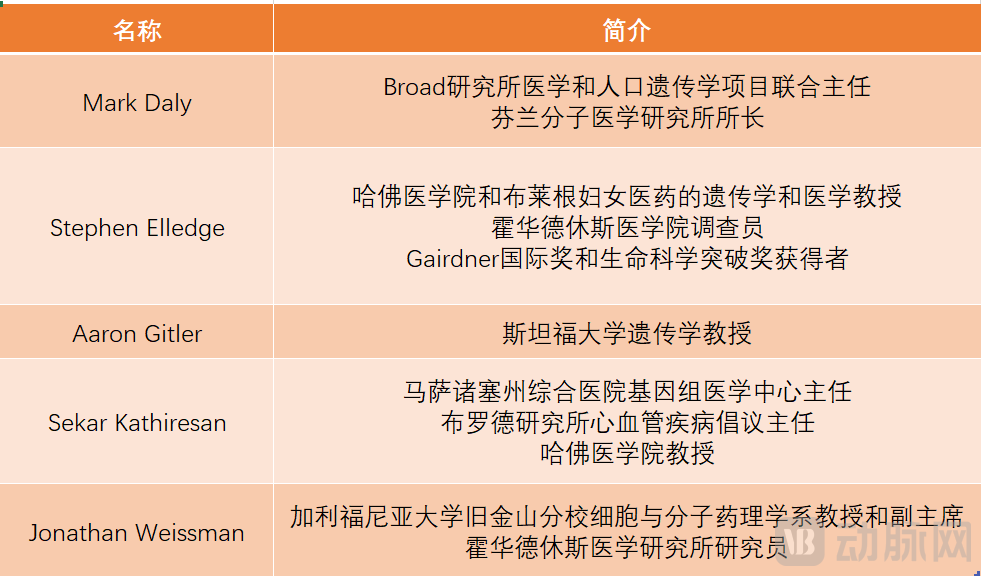
Introduction to Some Scientists from Maze Therapeutics VCBeat Mapping
Maze Therapeutics combines advanced data science methods with a robust set of R&D capabilities, focusing on developing novel precision medicines for patients with genetic diseases. Consequently, Maze has developed Compass.TMPlatform——It integrates human genomic data, functional genomics tools, and data science technologies to explore new connections between known genes and their impact on susceptibility, onset timing, and disease progression rates. Through the analysis of large-scale human genetic data, Maze is committed to transforming actionable biomolecules into novel therapeutics.
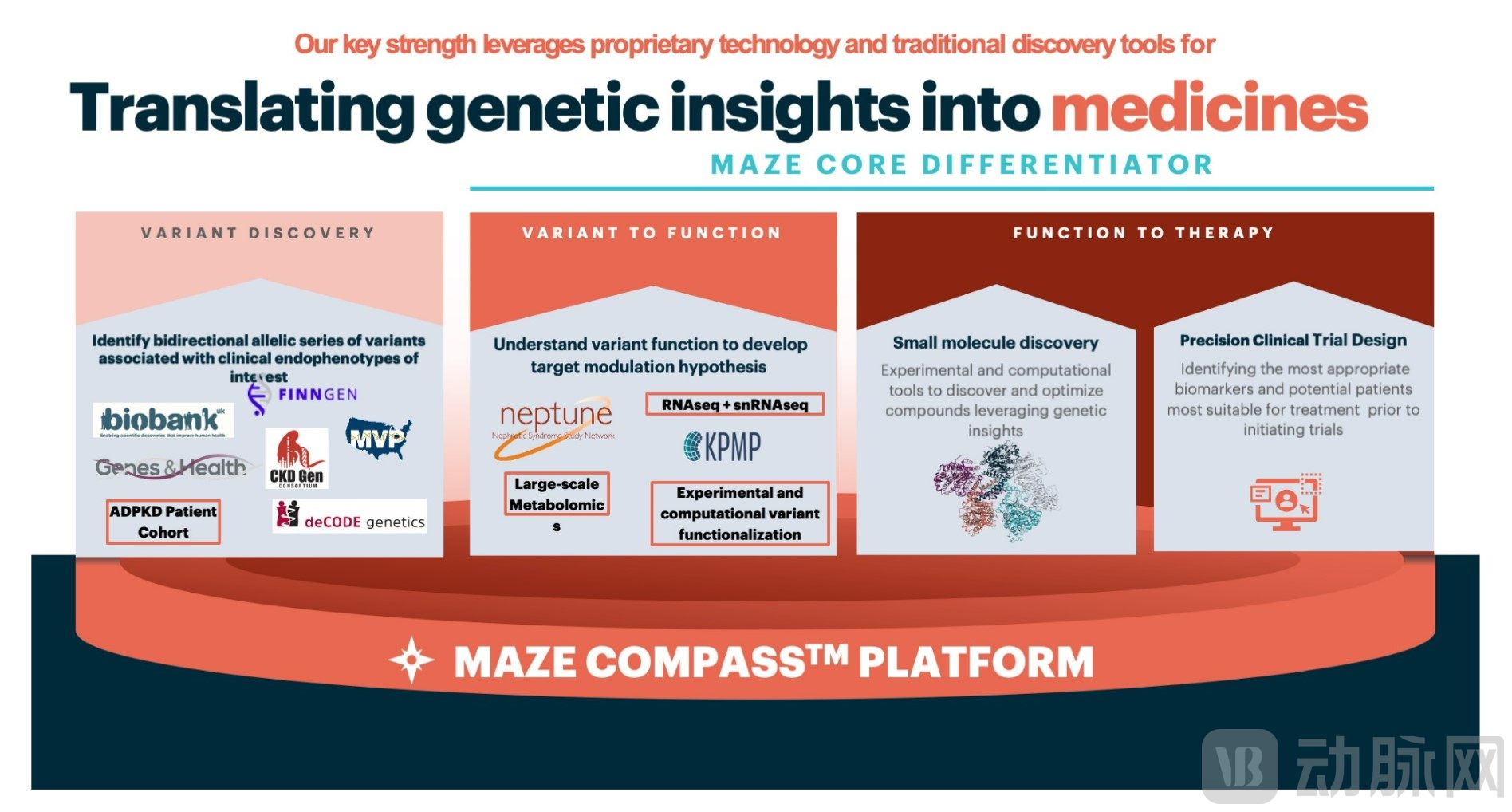
CompassTMPlatform (Source: Maze Therapeutics official website)
January 2022,MazeAnnounced the completion of a $190 million financing round. This round was led by Matrix Capital Management, with participation from General Catalyst, a16z Bio+Health, Woodline Partners and other institutions. The proceeds will be used to advance Maze's nine precision drug programs validated by human genetics, targeting rare diseases, cardiovascular diseases, and ophthalmic conditions. Among them, the three lead research and development projects are:Treatment for Pompe DiseaseMZE001 Project, the APOL1 program for treating chronic kidney disease, and the program for treating Amyotrophic Lateral Sclerosis (ALS)ATXN2 Project。
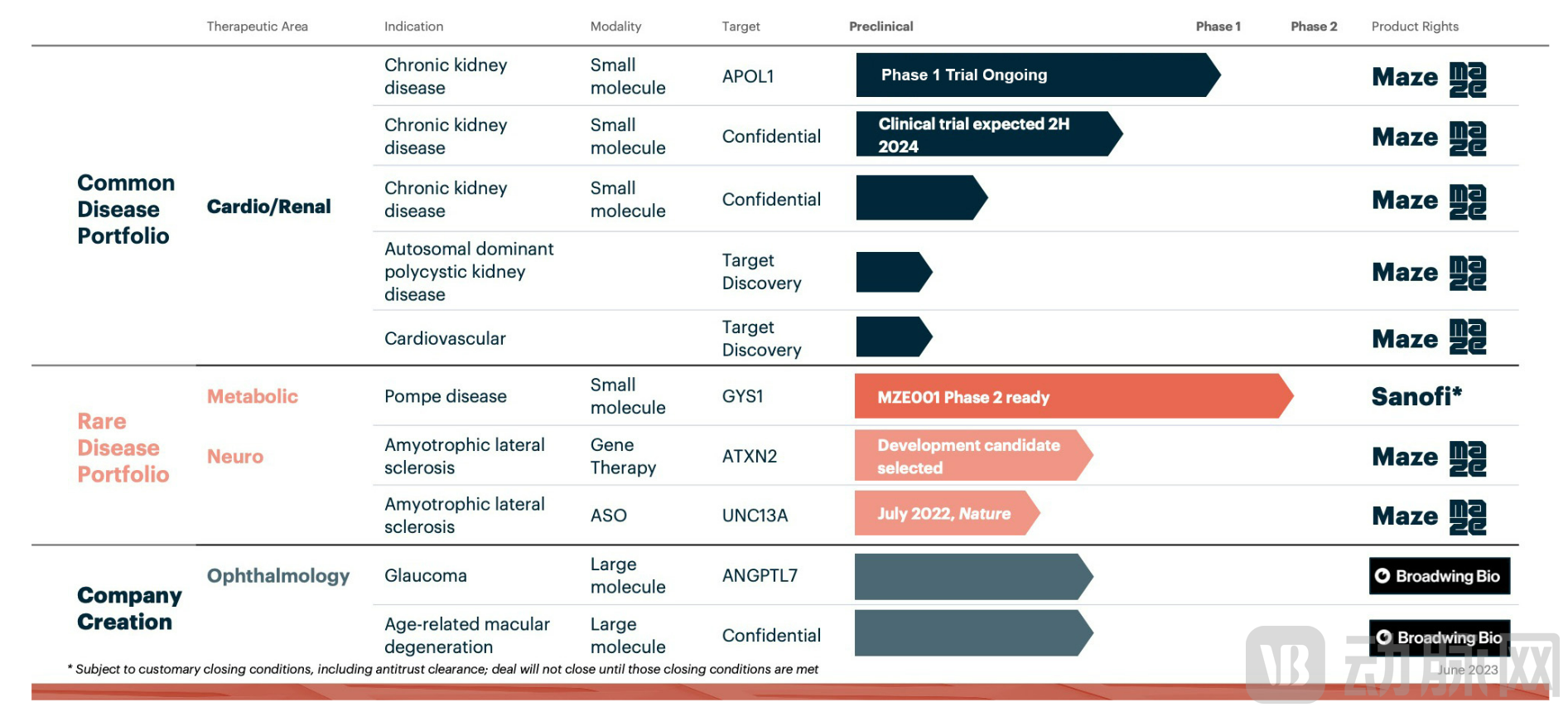
Maze Therapeutics R&D Pipeline (Source: Maze Therapeutics Official Website)
MZE001 Project: Phase II Clinical Trial, Granted "Orphan Drug" Designation
The fastest progressing is MZE001, a GYS1 small molecule inhibitor for the treatment of Pompe disease, which is currently in Phase 2 clinical trials.Previously, Maze announced positive results of MZE001 in a Phase 1 clinical trial. In preclinical disease models, treatment with MZE001 demonstrated potent and selective inhibition of GYS1, reducing glycogen accumulation by depleting the substrate. Importantly, in multiple preclinical studies, MZE001 treatment was generally well-tolerated, with no observed on-target or off-target toxicity.
As a GYS1 inhibitor, MZE001 achieves the treatment of Pompe disease by selectively inhibiting GYS1 and limiting the accumulation of pathogenic liver glycogen.
In terms of mechanism, Pompe disease is an autosomal recessive genetic disorder. Mutations in the gene encoding acid α-glucosidase (GAA) on the patient's chromosome lead to a deficiency of GAA in the body, which prevents the breakdown of glycogen. This results in functional impairments such as muscle weakness and breathing difficulties.
Infantile-onset Pompe disease progresses rapidly, and patients may die of heart failure around the age of one. Late-onset Pompe disease, on the other hand, causes irreversible progressive damage to multiple organs and systems, greatly affecting the quality of life of patients. Currently, the only specific effective treatment for Pompe disease is enzyme replacement therapy (ERT), but it is expensive, and the market has long been dominated by Sanofi.
The data analysis released this time shows that MZE001 demonstrated good tolerability at a dose of 720 mg twice daily. Researchers used a novel biomarker—peripheral blood mononuclear cell (PBMC) glycogen—to evaluate the efficacy of MZE001 in subjects. After 10 days of dosing, PBMC glycogen showed exposure-dependent reduction across all dose levels, validating the targeted action of MZE001 on GYS1.
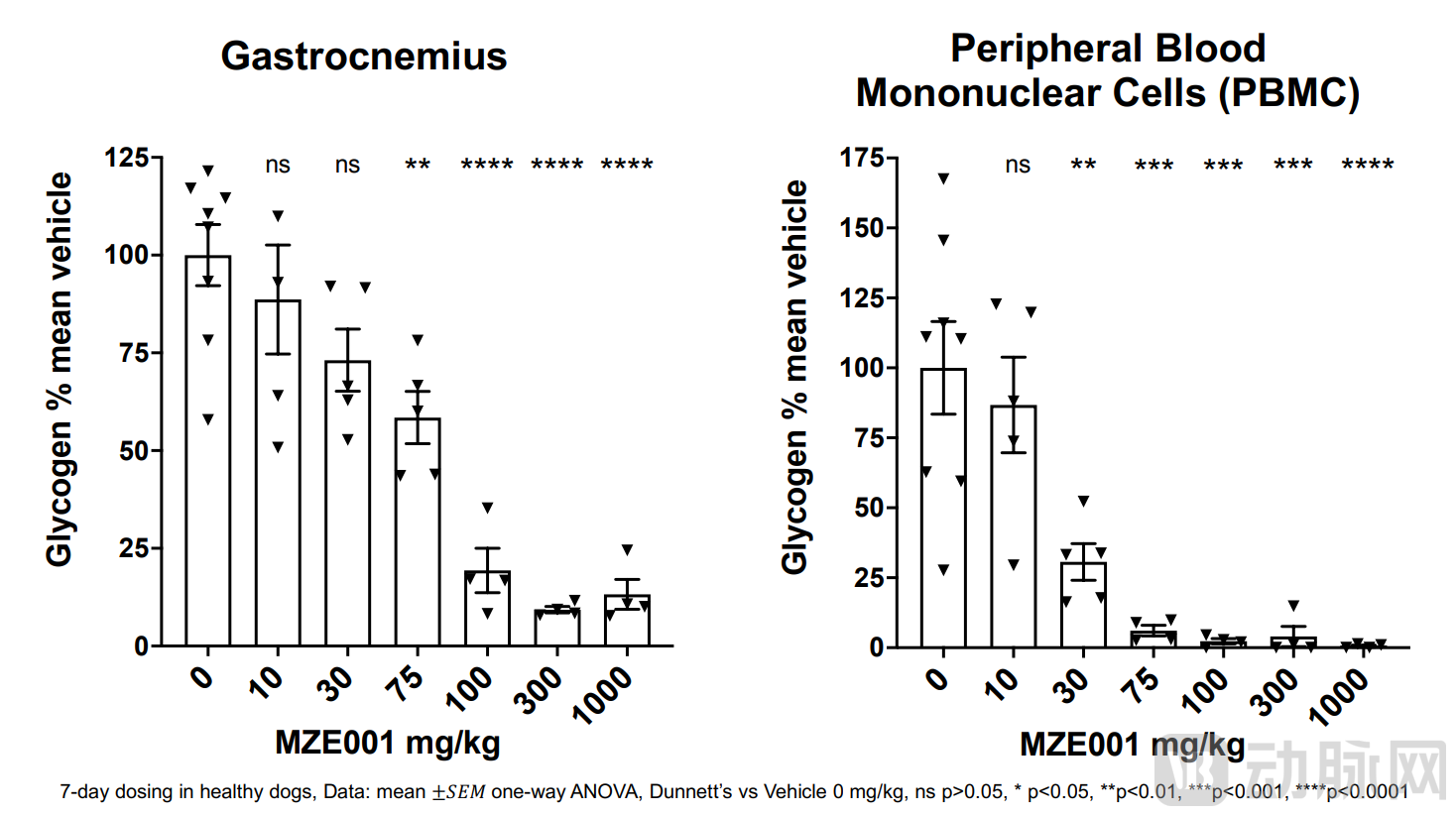
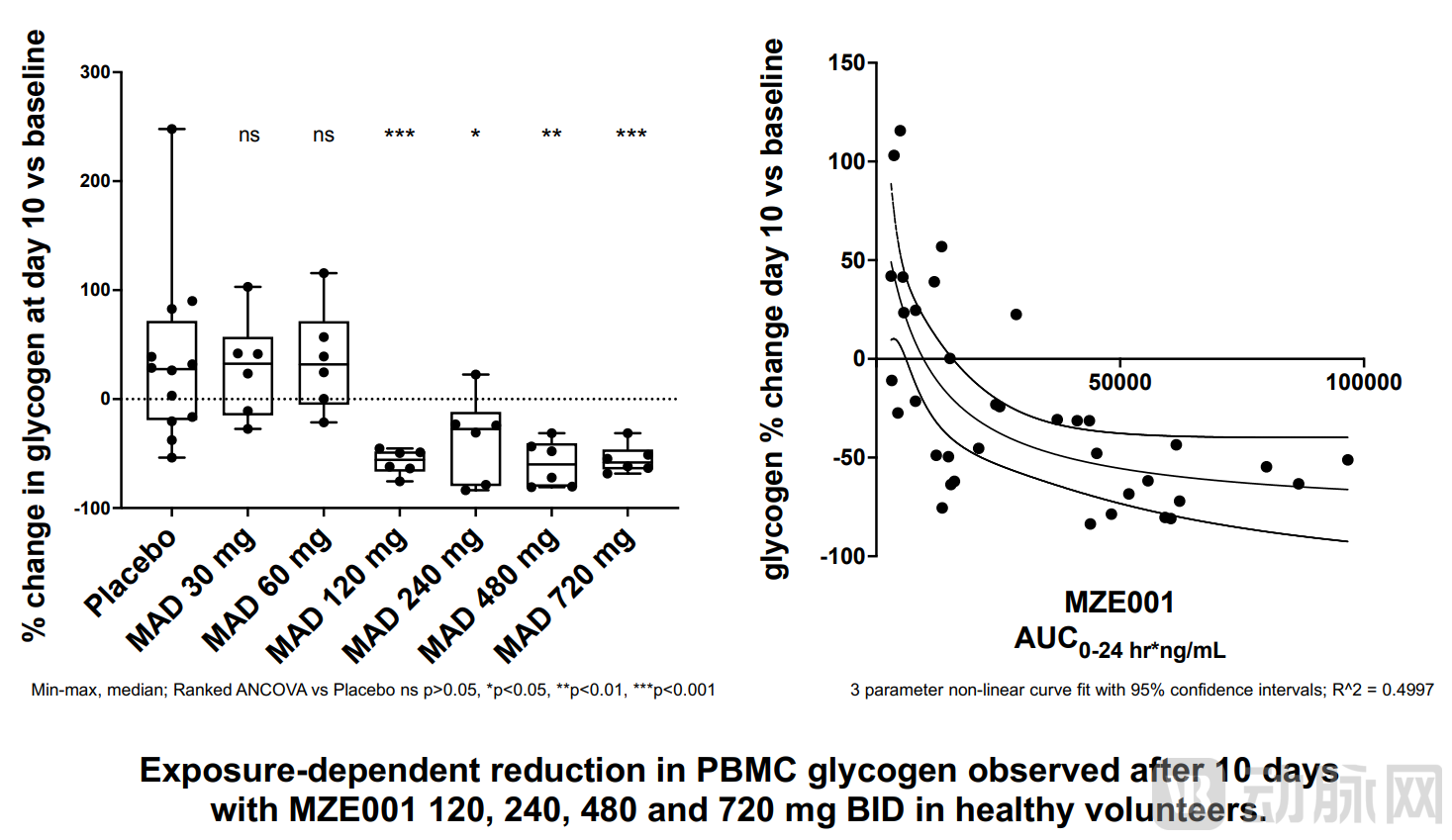
Results of the MZE001 Trial (Source: Maze Therapeutics Official Website)
August 2022,The U.S. Food and Drug Administration (FDA) has granted Maze Therapeutics’ investigational product MZE001 for the treatment of Pompe disease "Orphan Drug" designation.。
MZE829 Project: Phase I Clinical Trial Demonstrates Promise for Treating Chronic APOL1 Kidney Disease
MZE829, the second most advanced novel oral APOL1 inhibitor in development, has entered Phase 1 clinical trials. MZE829 is an orally administered small molecule apolipoprotein L1 (APOL1) inhibitor designed to block APOL1 pore function and improve the manifestations of APOL1 nephropathy.
APOL-1-Mediated Nephropathy: A Chronic Kidney Disease Caused by APOL1 Gene Mutations. An article published in "The Journal of Clinical Investigation" indicates that populations of West African descent (including many African-Caribbeans and African Americans) are prone to carrying two mutated APOL1 genes (G1 and G2) and developing proteinuric kidney disease.
Nephropathy caused by hereditary APOL1 gene mutations develops from a functional toxicity, leading to podocyte injury. This damage disrupts the kidney's filtration function, resulting in proteinuria and rapidly progressing to progressive nephropathy. Progressive nephropathy necessitates dialysis, kidney transplantation, and can even lead to death. Current treatments fail to address the genetic pathogenic mechanisms of this disease, thus novel and effective therapies targeting APOL1 are needed.
Previously, Maze has confirmed that inhibiting the APOL1 channel function through medication can improve albuminuria symptoms in acute mouse models of APOL1 kidney disease (AKD). At the American Society of Nephrology Kidney Week 2023 held in 2023, Maze announced the latest preclinical research results of a novel APOL1 inhibitor.
At the conference, Maze Therapeutics presented a new chronic AKD mouse model, which is heterozygous for the APOL1 G1/G2 variants. Researchers induced sustained high expression of APOL1 in mice through infection and used an engineered adeno-associated virus (AAV) to express interferon-γ (IFNγ), leading to increased urinary albumin-to-creatinine ratio (uACR) and diabetic glomerulosclerosis. The results showed that oral administration of a small-molecule APOL1 inhibitor significantly reversed IFNγ-induced albuminuria and kidney injury in APOL1 G1/G2 transgenic mice.
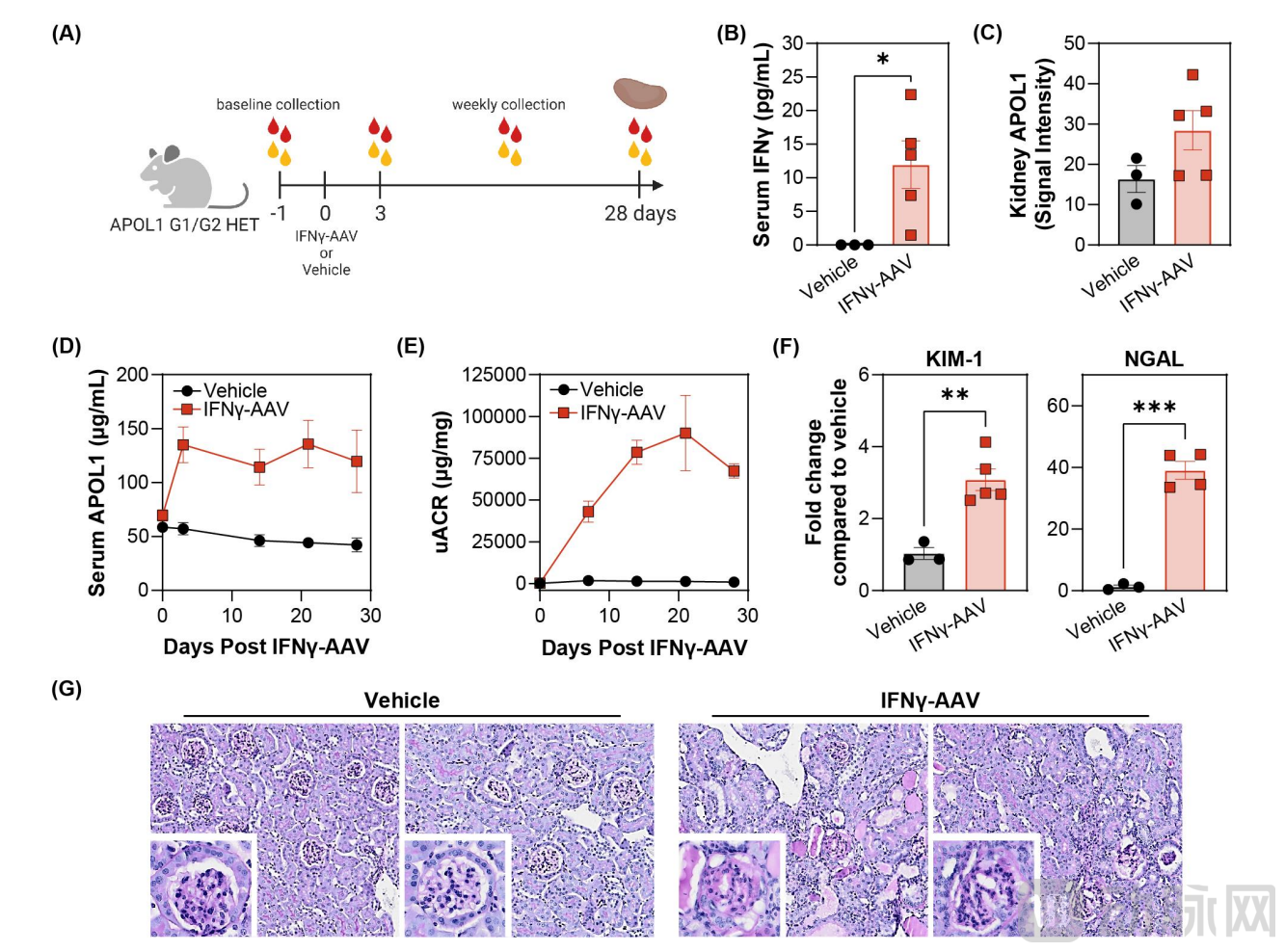
Results of the MZE829 Trial (Source: Maze Therapeutics Official Website)
The research results indicate that the APOL1 inhibitor MZE829 has the potential to reverse disease manifestations of APOL1 nephropathy in a chronic APOL1 nephropathy mouse model. Maze Therapeutics is expected to report trial data in the second half of 2024 to support advancing into a Phase 2 clinical program for patients.
ATXN2 Project: Animal Trials Show Lifespan Extension Potential, Breaking Through ALS Challenges
Amyotrophic lateral sclerosis (ALS), also known as Lou Gehrig's disease, is one of the five major incurable diseases globally. Currently, only four drugs approved by the FDA are available on the market, and their efficacy is minimal. Therefore, there remains a significant unmet clinical need for ALS.
Aaron Gilter, co-founder of Maze Therapeutics and professor at Stanford University, discovered through whole-genome screening that the ATXN2 target is a highly effective target for regulating TDP-43 deposition. It can limit the toxicity of a protein called TDP-43, which is associated with pathological aggregates found in up to 97% of ALS cases. Research findings published in the journal *Nature* show that knocking out the ATXN2 gene in ALS mice extended their survival from around 20 days to over 300 days.
The Value of Drug Development Based on the ATXN2 Target,Professor Aaron Gilter and two alumni of Tsinghua University's Biology Department co-founded EverSpring BioPharmaceuticals., aiming to develop innovative drugs targeting ATXN2 and other targets from multiple aspects such as small molecule drugs, PROTAC, and ASO, bringing new hope for攻克渐冻症 and other neurodegenerative diseases.
In March 2023, the first Chinese summit on motor neuron disease and ALS, initiated by Professor Aaron Gitler, was held at Zhangjiang Science Park in Shanghai. At the conference, Professor Aaron Gitler shared a screening platform based on CRISPR-CAS9 gene editing technology and discussed a small molecule discovered on this platform that effectively suppresses the ALS target Ataxin2. This molecule demonstrated an effect of extending life by up to one year in mouse experiments.
In the future, Maze Therapeutics will develop a novel microRNA gene therapy targeting ATXN2 and utilize its proprietary functional genomics tools to optimize its properties, thereby translating these significant research findings into reality.
In May 2023, Maze Therapeutics announced the signing of a global exclusive licensing agreement with Sanofi for Maze's Glycogen Synthase 1 (GYS1) program, including the clinical candidate MZE001. Under the terms of the agreement, Maze will receive a payment of $150 million, comprising upfront cash and future equity investment, plus potential milestone payments of up to $600 million upon successful commercialization.
For Maze, Sanofi is the leading pharmaceutical company in the Pompe disease field. Collaborating with Sanofi allows Maze to leverage its resources and expertise in Pompe disease to advance the clinical trials and subsequent market launch of MZ-001, as well as recover the initial R&D costs. If MZE001 succeeds in clinical trials, it will become the first oral treatment for patients with Pompe disease.
However, in December of the same year, Sanofi suddenly announced the termination of this collaboration due to opposition from the U.S. Federal Trade Commission (FTC) over antitrust concerns.
Acting Deputy Director of the FTC's Bureau of Competition, Nate Soderstrom, stated in a press release: "Sanofi's acquisition of Maze's Pompe disease drug threatens to deprive patients of new innovative treatment options and maintain the status quo of excessively high pricing for life-saving medications." The FTC's administrative complaint noted that shortly after Maze disclosed its development plans in 2021, Sanofi identified MZE001 as a significant threat to its monopoly in the Pompe disease field. MZE001 not only has the potential to capture a substantial market share from Sanofi’s product but could also completely replace it to become the standard therapy for Pompe disease.
FTC emphasized that this transaction would expand Sanofi's dominance in the treatment of Pompe disease and reduce innovative competition within the industry for the development of new drugs for Pompe disease. "It is crucial for patients and doctors to have access to innovative and affordable treatment options."
To this end, the FTC filed an administrative complaint with a 3-0 vote and sought a temporary restraining order and preliminary injunction from the federal district court.
After being questioned by the FTC, Sanofi decided to abandon the introduction of Maze Therapeutics' core drug MZE001. Sanofi stated that they anticipate a prolonged litigation process with the FTC and therefore will "terminate the agreement with Maze according to the contractual terms." Sanofi remains committed to addressing the unmet needs of the Pompe patient community." Sanofi said it "respects but disagrees with" the FTC's actions. Maze CEO Jason Coloma stated in a declaration: "We are disappointed by the FTC’s first challenge against our GYS1 project licensing agreement with Sanofi."
The gene modification industry originated in the 1970s when scientists began attempting to use viral vectors to introduce exogenous genes into cells. With continuous technological advancements, the emergence of efficient gene editing tools such as ZFNs, TALENs, and CRISPR/Cas9 has enabled widespread application and development of gene modification technologies. In the early 21st century, gene modification technology started being applied in agriculture, medicine, and industry, achieving significant results. In recent years, with in-depth research and application of gene modification technology, the industry has shown a trend of explosive growth.
China started early in basic research and clinical trials in the field of gene therapy. The first clinical trial can be traced back to 1991 (a gene therapy clinical trial for patients with hemophilia B). However, the regulatory policies and regulations for gene therapy were relatively lagging at that time, with no detailed requirements or provisions for various stages of research and development, resulting in weak constraints. In 2003, the National Medical Products Administration (NMPA) issued the "Technical Guidelines for Human Gene Therapy Research and Formulation Quality Control," gradually beginning to strengthen the regulation of gene therapy. In 2018, China began to enhance technical guidance and legislation in areas such as gene therapy and biosecurity. In recent years, several documents have been successively released, including the "Technical Guidelines for Long-term Follow-up Clinical Studies of Gene Therapy Products (Trial)," "Technical Guidelines for Non-clinical Research and Evaluation of Gene Therapy Products (Trial)," "Technical Guidelines for Non-clinical Research of Genetically Modified Cell Therapy Products (Trial)," and "Technical Guidelines for Pharmaceutical Research and Evaluation of In Vivo Gene Therapy Products (Trial)," continuously optimizing China's regulatory system for gene therapy. In 2022, the Center for Drug Evaluation under the NMPA issued the "Technical Guidelines for Pharmaceutical Research and Evaluation of Ex Vivo Gene Modification Systems (Trial)" to further standardize and guide the pharmaceutical research of ex vivo gene modification systems.
Currently, China's gene editing industry is in the early stages of development, with many startups such as EdiGene, HuiDa Gene, BangYao Bio, BenDao Gene, RayFond Bio, and ZhongYin Technology. Currently, there are only seven listed companies: Canbridge Pharma, OBiO Technology, BGI Genomics, Genscript Biotech, Shanghai Model Organisms, Land Therapeutics, and Staidson. As of 2023, China's gene editing industry remains a blue ocean sector, with significant growth potential.
The following are some companies that have laid out in the field of gene editing:
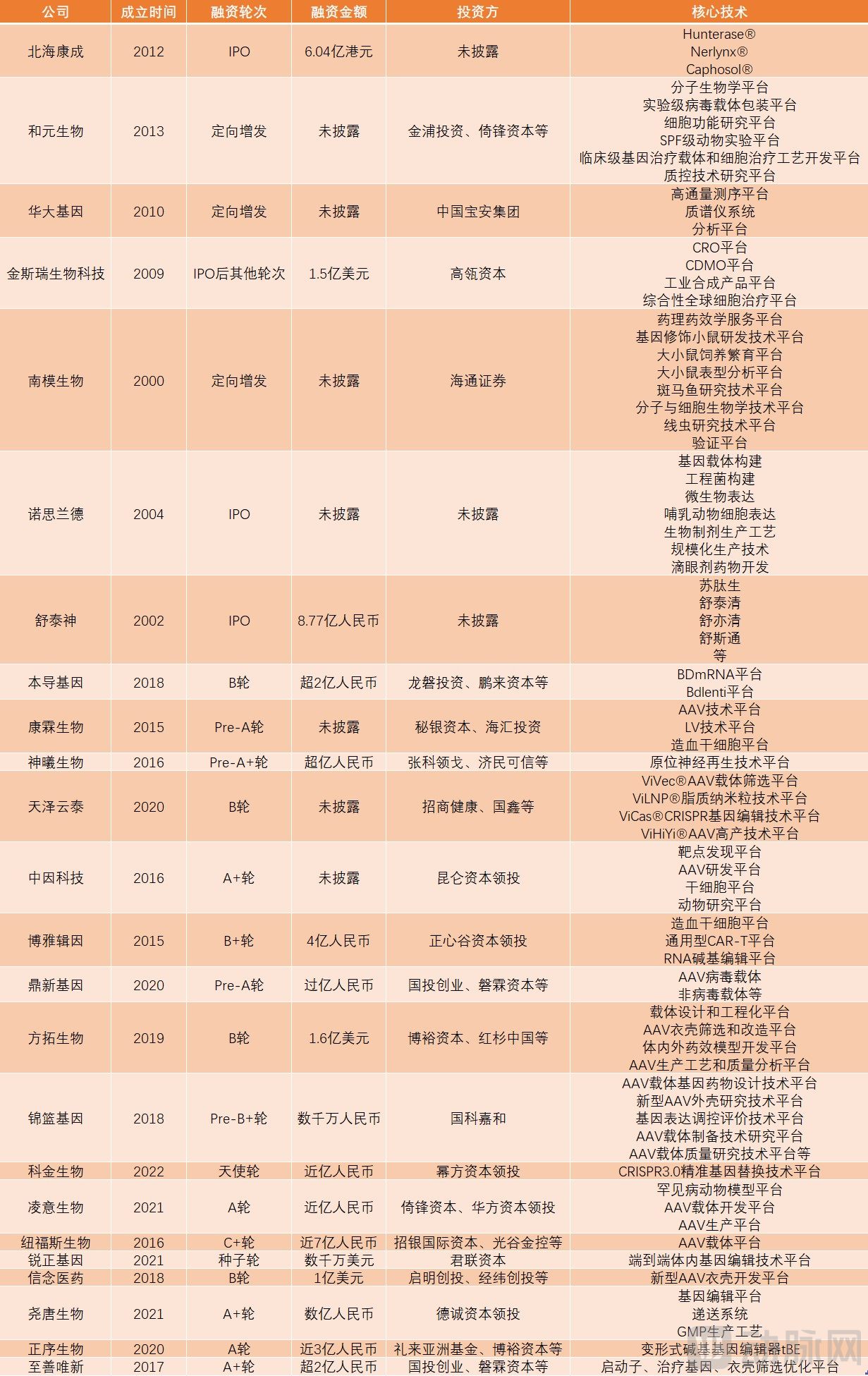
VCBeat Mapping Incomplete Statistics
The gene modification industry, as a frontier field, has shown tremendous potential and room for development but still faces some pressing issues that need to be addressed. Technical challenges remain, such as how to achieve more precise gene editing and avoid unintended off-target effects. Ethical and social issues are also significant factors, including whether gene editing might have profound impacts on human society or spark controversies over fairness and ethics. Additionally, the commercialization process faces high research and development costs and stringent regulatory requirements, all of which are important factors hindering the rapid growth of the gene modification industry. Therefore, to fully leverage the advantages of gene modification technology, joint efforts from researchers, policymakers, and society at large are required to find solutions. It is believed that the future will bring more breakthroughs and innovations in the gene modification industry.