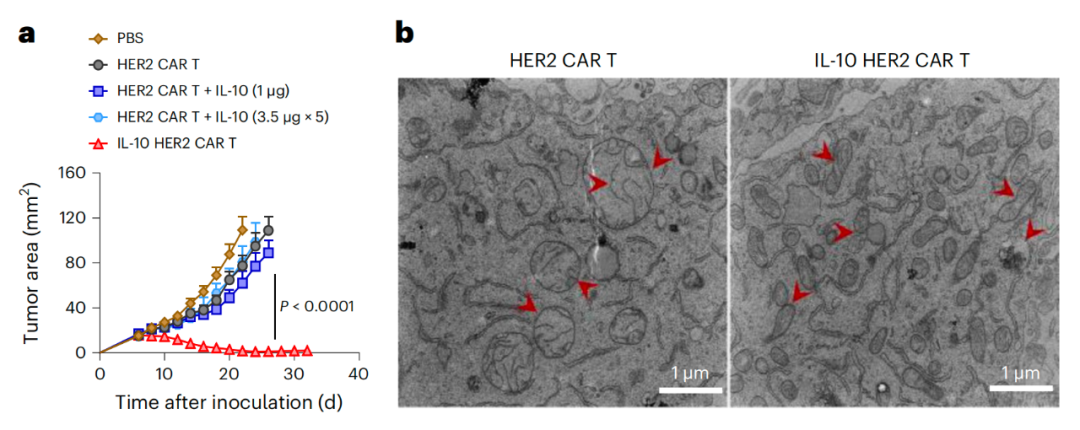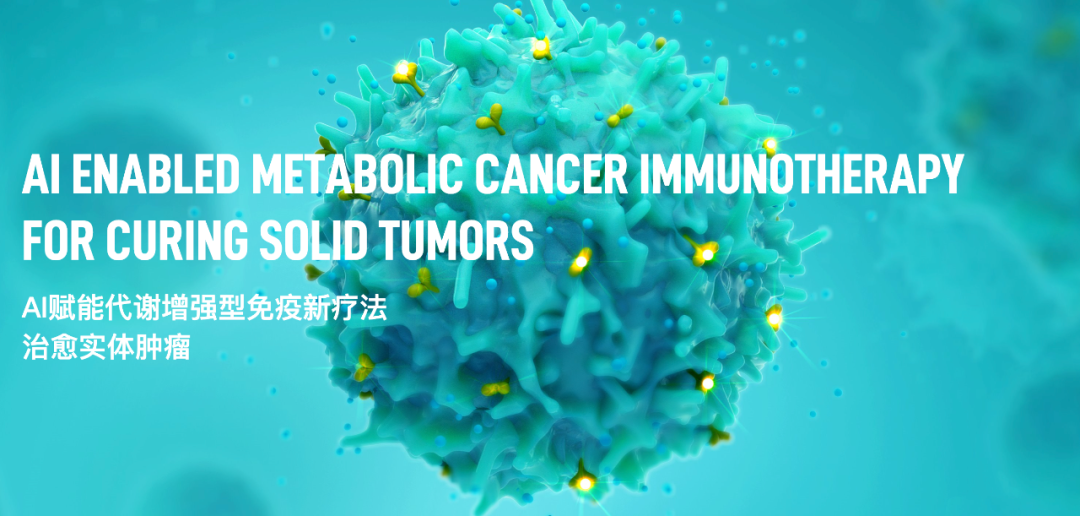

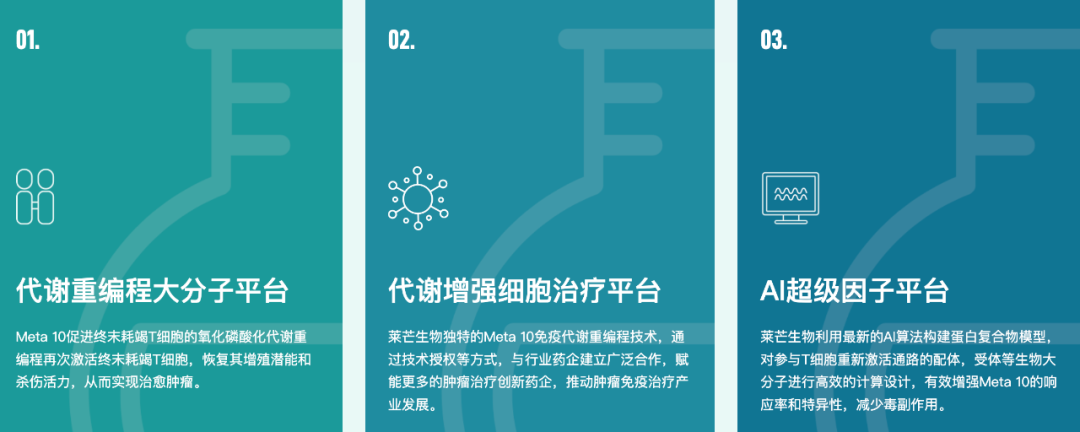
Typesetting|Chengwen ShuiDesigning CAR-expressing T cells that can recognize and eliminate tumor cells expressing homologous antigens.CAR-T Cell TherapyA milestone breakthrough has been achieved in the treatment of hematologic malignancies, and to date, the US FDA has approved six CAR-T cell therapies for marketing.However, due to theTumor Microenvironment(TME)The immunosuppressive effects limit the efficacy of CAR-T cell therapy in solid tumors. CurrentlyThe CAR-T cell therapies that have been marketed are all used for the treatment of hematologic malignancies.Antigen stimulation and immunosuppressive factors in the TME cause CAR-T cells entering the tumor to partially lose their proliferative capacity and antitumor activity.This condition is referred to asT Cell Exhaustion(T cell exhaustion), associated with a decline in metabolic adaptability and mitochondrial dysfunction.To extend the benefits of CAR-T cell therapy to patients with solid tumors, the issue of CAR-T cell exhaustion needs to be addressed.January 2, 2024, École Polytechnique Fédérale de Lausanne, SwitzerlandTang LiProfessor in collaboration with Zhejiang UniversityGuo YugangResearcher,Sun JieResearch Team(Yang Zhao、Chen JiangqingAs the first author), inNature BiotechnologyThe journal published an article titled:IL-10-expressing CAR T cells resist dysfunction and mediate durable clearance of solid tumors and metastasesResearch Paper.The study developedAutocrine IL-10 CAR-T Cells(Metabolism-EnhancedIL-10 CAR-T Cells), which can effectively prevent CAR-T cell exhaustion in the tumor microenvironment of solid tumors. Unprecedented anti-tumor effects were observed in mouse tumor models, not only rapidly eliminating solid tumors but also inducing long-lasting protection to prevent tumor recurrence.The metabolic-enhanced IL-10 CAR-T cell therapy based on this research has demonstrated good safety and efficacy in the IIT clinical trial for patients with relapsed and/or refractory diffuse large B-cell lymphoma or B-cell acute lymphoblastic leukemia.Have helped more than ten patients achieve complete remission, and will continue inConduct IIT clinical trials for solid tumors in the second quarter of 2024.Multiple strategies have been developed to alleviate T cell exhaustion, including the combined use of immune checkpoint inhibitors, targeted integration of CAR cDNA at the TRAC gene locus, or enabling CAR-T cells to express and secrete stimulatory cytokines.(e.g., IL-7, IL-12, IL-15, and IL-21), but methods based on immunostimulatory cytokines are limited due to toxic effects or insufficient antitumor efficacy.Interleukin-10(IL-10)It is widely regarded as an anti-inflammatory cytokine, but its impact on CAR-T cells has not been thoroughly studied. In May 2021,Tang LiTeam(Guo Yugang(As the first author)InNature ImmunologyJournal Publication【2】,Indicates that in combination with adoptive T-cell therapy, the administration of a compound with an extended half-lifeIL-10-FcThe fusion protein can reinvigorate terminally exhausted T cells and induce durable complete responses in multiple solid tumor models.However, to maintain a sufficient concentration within solid tumors, multiple injections of the IL-10-Fc fusion protein are required, which limits the clinical application of this approach.Published inNature Biotechnology's mostIn the new study, the research team designed a tandem structure encoding the second-generation CAR and IL-10.AutocrineIL-10 CAR-T Cells(Metabolism-Enhanced IL-10 CAR-T Cells), which is linked to a self-cleaving 2A peptide, enabling T cells to simultaneously express CAR and secrete IL-10. Conventional CAR-T cells were used as controls.Metabolically enhanced IL-10 CAR-T cells demonstrated superior efficacy in multiple tumor models.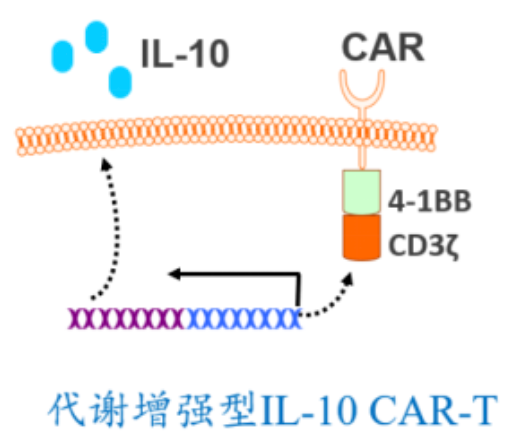 The research team first established CAR-T cells producing murine IL-10 in a syngeneic mouse model, targeting four different mouse-origin tumors: subcutaneous colon adenocarcinoma, subcutaneous melanoma, orthotopic melanoma, and metastatic breast cancer. In all tested models, metabolically enhanced IL-10 CAR-T cells demonstrated significantly improved and more durable anti-tumor activity. This finding was further validated in three human-derived cancer xenograft models in immunodeficient mice.(Subcutaneous Lymphoma, SubcutaneousPancreatic Ductal AdenocarcinomaAnd pancreatic ductal adenocarcinoma in situ)This was also verified in China. Additionally, no adverse reactions related to IL-10 were observed during the treatment of these mouse models.Detailed analysis shows,Metabolism-Enhanced IL-10 CAR-T CellsIn the tumor microenvironment(TME)Intermediate resistance to T cell exhaustion and maintenance of their mitochondrial fitness. Electron microscopy images show that, compared to conventional CAR-T cells, tumor-infiltratingMetabolism-Enhanced IL-10 CAR-T CellsRich in mitochondria, these mitochondria are functionally and structurally sound, with an increase in the number and length of mitochondrial cristae.CAR-T Cells Producing IL-10 Demonstrate Enhanced Ability to Eliminate Solid TumorsSingle-cell RNA sequencing and metabolomics analysis further indicated that the secretion of IL-10 induces alterations in the T cell transcriptional program, leading to enhanced cytotoxicity, proliferation, and mitochondrial respiration. Moreover, the secretion of IL-10 promoted T cell stemness and memory T cells, resulting in a sustained anti-tumor response, resistance to a second tumor cell inoculation, rapid tumor clearance, and long-lasting immune protection.Regarding this research achievement, St. Jude Children's Research Hospital in the United StatesChi HongboProfessor Tuan stated,By designing CAR-T cells expressing IL-10, anti-tumor immunity can be significantly enhanced, T cell exhaustion reduced, and T cell proliferation capacity and effector function strengthened. This strategy eradicated established solid tumors in both syngeneic and xenograft mouse models and induced a robust memory immune response to control tumor recurrence. Overall, this is a noteworthy study with strong therapeutic potential.As described in the paperMetabolism-EnhancedIL-10 CAR-T CellsMay be a method worth promoting to prevent T cell exhaustion and metabolic dysfunction, which the research team calls "Metabolic Armor”(metabolic armoring)In addition to enhancing CAR-T cells, this method can also be extended to other T cell-based therapies, such as TCR-T therapy and TIL therapy.It is worth mentioning that the co-corresponding authors of this paperTang LiProfessor,Guo YugangResearcher AllianceXtalPiFoundedLeman Bio,Based on immunometabolic reprogramming + artificial intelligence technology, the research, development, production, and commercialization of novel cancer immunotherapies represent its core technology.Meta 10Demonstrates tremendous potential in curing solid tumors.
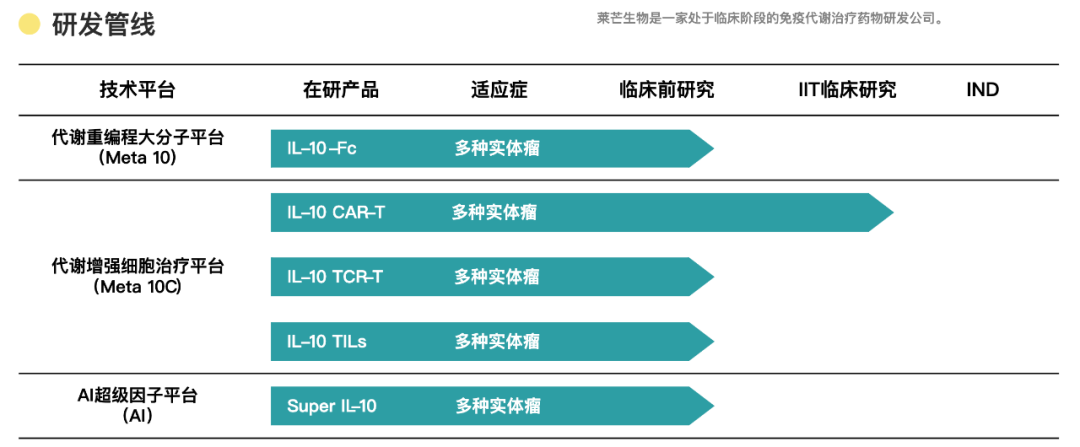
 Leman BioDeveloped byMetabolism-Enhanced IL-10 CD19 CAR-T Cell Therapy(Meta10-19 Injection)Clinical translational research is currently underway, relatedIIT Clinical Research Began in February 2023,At an extremely low therapeutic dose(Only 1%-5% of the commercialized CD19 CAR-T cell therapy dose), has continuously brought complete remission to more than ten patients with relapsed/refractory lymphoma or acute leukemia.Moreover, the entire treatment process was mild and controllable, with no significant CAR-T treatment-related side effects such as cytokine storms or neurotoxicity observed in any of the enrolled patients during the treatment period.Metabolically Enhanced IL-10 CD19 CAR-T Promises a Safer, More Effective, and Affordable Preferred Treatment Option for Relevant Cancer Patients.Leman Biotech R&D Pipeline1. https://www.nature.com/articles/s41587-023-02060-8
2. https://www.nature.com/articles/s41590-021-00940-2


SettingsStar Marker`, not missing any exciting tweets`Welcome to share on Moments and WeChat groupsTo promote the dissemination and exchange of cutting-edge research, we have established severalProfessional Exchange Group, Press and hold the QR code below to add the editor's WeChat and join the group. Due to the large number of applicants, please include a note when adding WeChat:School/Professional/Name, if it isPI/Professor, please also indicate.
PointIn View`, Convey Your Taste`