Several Class 1 New Drugs from Takeda, Eli Lilly, Darui Bio, and Others Receive IND Approval in China | CDE Weekly Report

Rona Therapeutics
Nucleic Acid Drug Developer
▎Report by the WuXi AppTec Content Team
According to the official website of the Center for Drug Evaluation (CDE) under China's National Medical Products Administration, more than ten Class 1 new drugs received clinical trial implied permission in China for the first time this week. These new drugs involveAntibody-Drug Conjugates(ADC)、Peptide Conjugate Drugs(PDC)、siRNA Drugs、Gene-Modified Autologous Hematopoietic Stem Cell Drugand various other new molecular types, which are under development for the treatment of tumors, psoriasis, hypercholesterolemia, inflammatory bowel disease, β-thalassemia, and other diseases. This article will introduce some of these novel drugs (in the order of their approval), for readers' reference only.

Rona Therapeutics: RN0191 Injection
Mechanism of Action: PCSK9-Targeted Double-Stranded Small Interfering RNA (siRNA) Drug
Indications: Hypercholesterolemia or mixed dyslipidemia
RN0191 is a PCSK9-targeting double-stranded siRNA drug independently developed by Rona Therapeutics. Preclinical studies show that RN0191 hasPotent and Long-lastingThe pharmacological activity and excellent safety profile are promising.Only Two Shots Needed Per YearCan significantly and continuously reduce serum levels ofLow-Density Lipoprotein Cholesterol(LDL-C) levels. In addition, it can also reduce another lipid metabolism index closely related to atherosclerosis - lipoprotein(a), which is expected to further reduce the residual risk in patients with cardiovascular disease. The drug has been approved for clinical trials in China this time and is proposed to be developed as an adjuvant therapy to diet.For adult primary hypercholesterolemia (familial and non-familial)OrPatients with Mixed DyslipidemiaTreatment.
Takeda: TAK-279 Tablets
Mechanism of Action: TYK2 Inhibitor
Indications: Plaque Psoriasis
TAK-279 is a highly selective, orally available allostericTyrosine Kinase 2(TYK2) inhibitor, developed by Nimbus Lakshmi, a wholly-owned subsidiary of Nimbus. In December 2022, Takeda acquired it forApproximately USD 6 billionThe cooperation has reached an agreement on the acquisition of Nimbus Lakshmi and its TAK-279 (previously known as NDI-034858). TYK2 is involved in the signal transduction of various cytokines and mediates downstream STAT phosphorylation. This pathway has been demonstrated to be a major pathogenic mechanism in psoriasis and other autoimmune diseases. The drug's recent clinical approval in China aims to develop treatments for patients eligible for systemic therapy or phototherapy.Adult patients with moderate to severe plaque psoriasis。
Insilico Medicine: ISM5411 Tablets
Mechanism of Action: PHD Inhibitor
Indications: Inflammatory Bowel Disease
ISM5411 is an orally available PHD-specific inhibitor independently developed by Insilico Medicine, which can promote the expression of intestinal barrier protective genes.Inflammatory Bowel Disease(IBD) for the treatment. PHD2 plays a crucial role in regulating the stability and transcriptional activity of HIFα, through which HIF1αInduction of Intestinal Barrier Protective GenesThe expression is also considered a protective regulatory factor for IBD. ISM5411 has previously completed the dosing of the first group of healthy subjects in a Phase 1 clinical study in Australia.
Eli Lilly and Company: LY3537982 Capsule
Mechanism of Action: KRAS G12C Inhibitor
Indications: Non-Small Cell Lung Cancer
Public information shows that LY3537982 is a new generation developed by Eli Lilly.KRAS G12C-specific inhibitor, has been proven to target in vitroKRAS G12CMutation, thereby inhibitingKRASDependent mutation signals. According to preclinical research data previously released by Eli Lilly, LY3537982 is expected to nearly completely inhibit the activation of the KRAS protein, which may potentially benefit carriers.KRAS G12CPatients with gene mutations can achieve maximum clinical benefit. The drug has been approved for clinical use in China this time, with the proposed indications: in combination with pembrolizumab or in combination with pembrolizumab, pemetrexed, and platinum-based chemotherapy.TreatmentKRAS G12CAdvanced Non-Small Cell Lung Cancer with Mutations。
Staidson: STSA-1001 Injection
Mechanism of Action: Anti-NGF (Nerve Growth Factor) Monoclonal Antibody
Indications: Cancer Pain
STSA-1001 Injection is developed by Staidson.ARecombinant fully human IgG1 monoclonal antibody injection against NGF. This antibody can effectively block the binding of NGF to its receptor, thereby effectively inhibiting the NGF signaling pathway in pain conditions.Reduce neuropathic pain caused by excessive innervation; while also effectively blocking the regulatory effect of NGF on the activity of nociceptive ion channels/receptors and the expression levels of nociceptive genes,Alleviate Harmful PainThe analgesic mechanism of STSA-1001 is different from that of opioids and other analgesics (including non-steroidal anti-inflammatory drugs), withEffective Pain Relief Without AddictionThe advantages. The drug has been approved for clinical trials this time,Proposed Development for Cancer Pain Treatment。
Stellar Peptide: Injectable SC-101
Mechanism of Action: Nectin-4 Targeting Peptide Drug Conjugate (PDC)
Indications: Solid Tumors
SC-101 is a product developed by StarLink Peptide.Peptide Targeting Nectin-4 ProteinAndMicrotubule InhibitorsThroughConnectorConjugatedPDCNectin-4 is a type I transmembrane protein that has been found to be abnormally expressed in various tumor tissues. Its high expression can promote the proliferation and metastasis of cancer cells and is associated with disease progression and poor prognosis. The drug has been approved for clinical use in China this time, intended for the treatment ofAdvanced malignant solid tumors expressing Nectin-4。
Daiichi Sankyo: DS-6000a
Mechanism of Action: CDH6-Targeted ADC
Indications: Ovarian cancer, Peritoneal cancer, Fallopian tube cancer
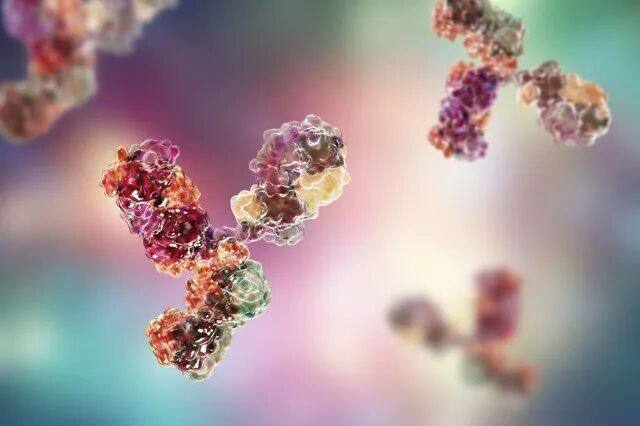
Public information shows that DS-6000a (raludotatug deruxtecan, R-DXd) is an ADC targeting CDH6, developed byHumanized Anti-CDH6 IgG1 Monoclonal AntibodyThroughCleavable Tetrapeptide LinkerWith multipleTopoisomerase I Inhibitor Payload(A derivative of exatecan,DXd) connection composition. In October 2023, Merck (MSD) and Daiichi Sankyo reached a collaboration worth up to $22 billion to jointly develop the latter's three ADCs, one of which is DS-6000a. CDH6 is expressed in approximately 65% to 85% of ovarian cancer tumor cells and is associated with patients' disease progression and lower survival rates. DS-6000a has been approved for clinical trials in China and is intended for the treatment of patients who have previously received at least one line of systemic anticancer therapy.Platinum-Resistant High-Grade Ovarian Cancer、Primary Peritoneal CancerOrFallopian Tube CancerPatient.
Kanglin Biotech: KL003 Cell Injection
Mechanism of Action: Gene-Modified Autologous Hematopoietic Stem Cell Drug
Indication: Transfusion-dependent β-thalassemia
KL003 Cell Injection is a gene-modified autologous hematopoietic stem cell product developed by Kanglin Bio, intended for the treatment ofTransfusion-dependent β-thalassemia in adults or childrenSymptom. This product is mediated by lentiviral vectorsβ-globin Gene-Transduced Autologous Hematopoietic Stem CellsAnd reinfused, differentiating into red blood cells expressing functional normal β-globin in the patient's body, restoring the patient's hemoglobin level, thereby freeing the patient from transfusion dependence, with the potential to achieve a one-time functional cure.
Guide Gene: BD211 Autologous CD34+Hematopoietic Stem Cell Injection
Mechanism of Action: Gene-modified Autologous Hematopoietic Stem Cell Drug
Indications: β-Thalassemia
BD211 Autologous CD34+The hematopoietic stem cell injection, developed by BDgene, is a gene-modified autologous hematopoietic stem cell treatment for thalassemia.Gene CompensationTherapeutic Product. According to the press release from BD Gene, BD211 utilizes a series of optimization technologies,Highly Expressing β-Globin, effective for various genotypes of thalassemia such as β0/β0, β0/β+, and canBetter restoration of normal human hemoglobinStatus; with safety protection addedInsulator Sequence, further improve the product's performance after entering the human bodySafety. This drug has been approved for clinical use in China this time, and is intended to be used for the treatment ofTransfusion-dependent β-thalassemia。
References:
[1] Center for Drug Evaluation (CDE) of the National Medical Products Administration (NMPA) of China. Retrieved Jan 5, 2024, from https://www.cde.org.cn/main/xxgk/listpage/4b5255eb0a84820cef4ca3e8b6bbe20c
[2] Official websites of various companies and public materials
This article is from the content team of WuXi AppTec. Individuals are welcome to share it on their social media platforms, but unauthorized reproduction by media or institutions in any form to other platforms is strictly prohibited. For authorization to reproduce, please contact us by leaving a message on the "MedView" WeChat Official Account. For other collaboration inquiries, please contact wuxi_media@wuxiapptec.com.
Disclaimer: The content team of WuXi AppTec focuses on introducing the research progress in global biopharmaceuticals and health. This article is for information exchange only, and the views expressed in the article do not represent the position of WuXi AppTec, nor does it mean that WuXi AppTec supports or opposes the views mentioned in the article. This article is not a recommendation for treatment plans. For guidance on treatment options, please visit a正规 hospital.