Medtronic's Next-Gen Micra AV2 and VR2 Leadless Pacemakers Receive CE Mark Certification

Medtronic
Chronic Disease Medical Device and Therapy Developer
On January 5, 2024, Medtronic announced that its two leadless pacemakers, Micra AV2 and Micra VR2, have successfully obtained the European CE Mark certification. This breakthrough achievement not only demonstrates Medtronic's continued leadership in cardiac pacing technology but also adds another significant milestone to its innovative journey in cardiac patient care. Since inventing the first wearable pacemaker in 1957, Medtronic has been committed to the exploration and innovation of cardiac pacing technology.
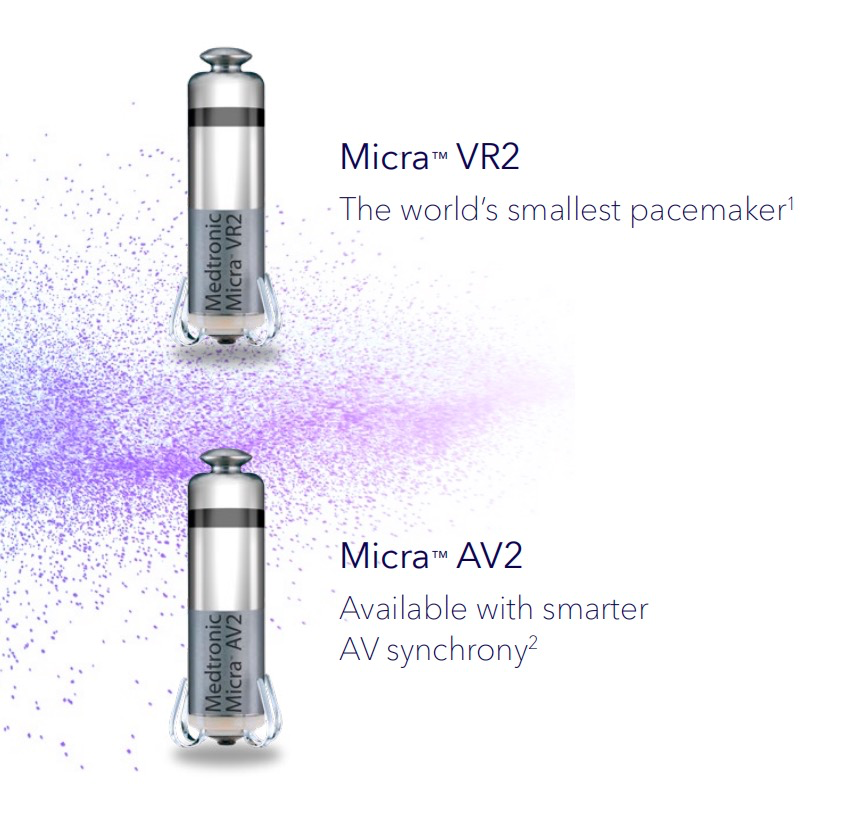 Micra AV2 and Micra VR2 Leadless Cardiac Pacemakers
1.75g Pacemaker
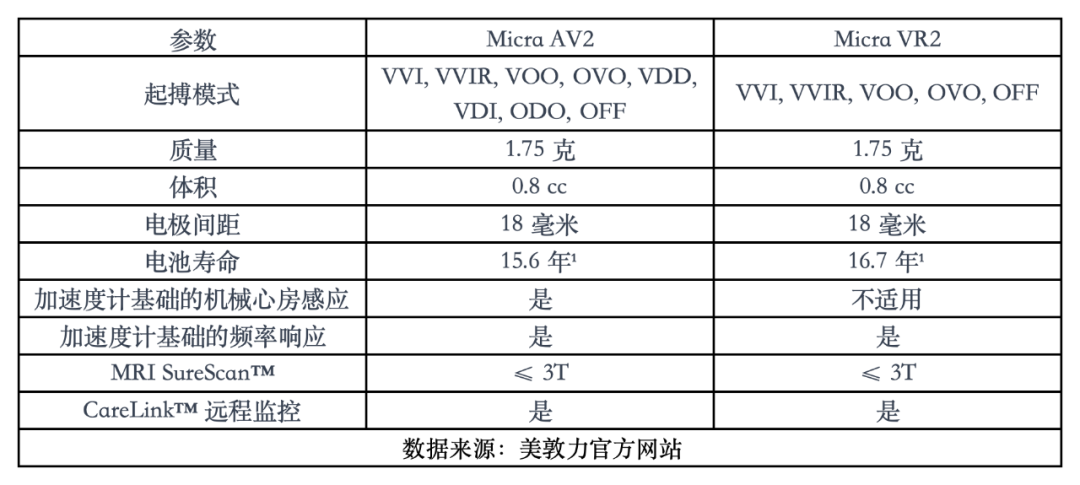
Micra AV2 & Micra VR2It is an upgrade of Medtronic's first-generation leadless pacemaker, with its appearance and most of the design continuing from the first generation. Therefore, its surgical method is also similar to the first generation.Leadless pacemakers are the same, and also have the first generationAll Advantages of Leadless Pacemakers.
Medtronic hails it as the world's smallest pacemaker. Compared to earlier versions, Micra AV2 and Micra VR2 offer longer battery life and more convenient programming. The battery life of these two products has increased by approximately 40% compared to the previous generation, with Medtronic estimating their battery life to reach nearly 16 years and 17 years, respectively. However, Medtronic emphasizes that these devices still retain the advantage of leadless pacing, which can reduce the risk of complications compared to traditional pacemakers. According to a press release, over 80% of patients receiving Micra pacemaker treatment may only need to use one device for their entire lifetime.
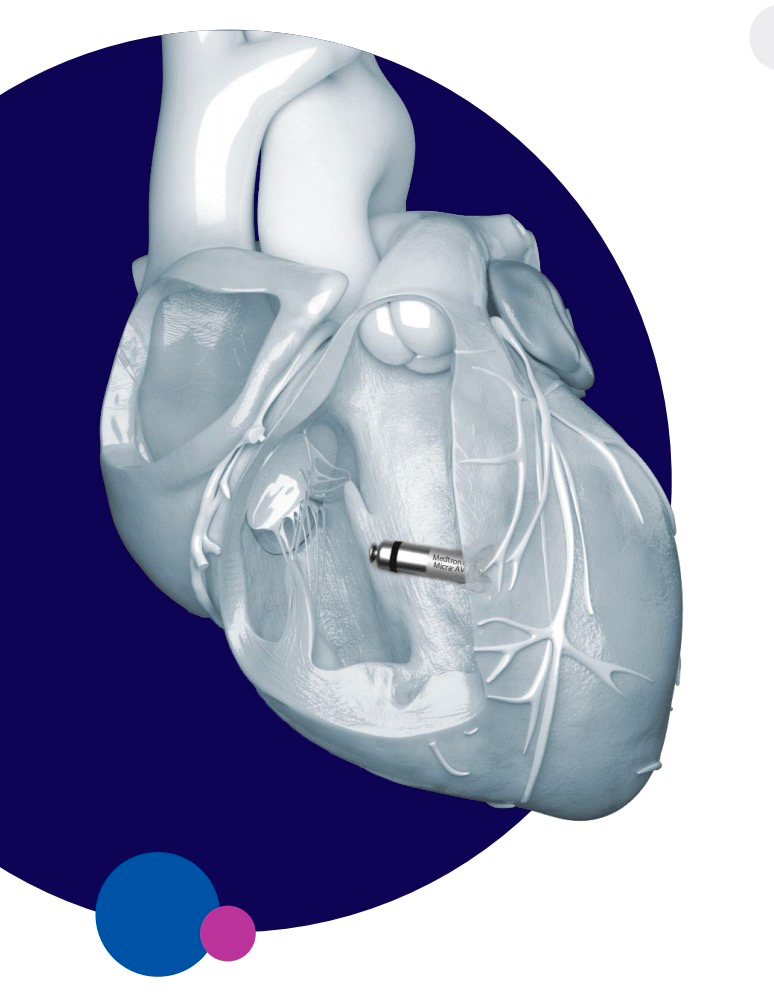
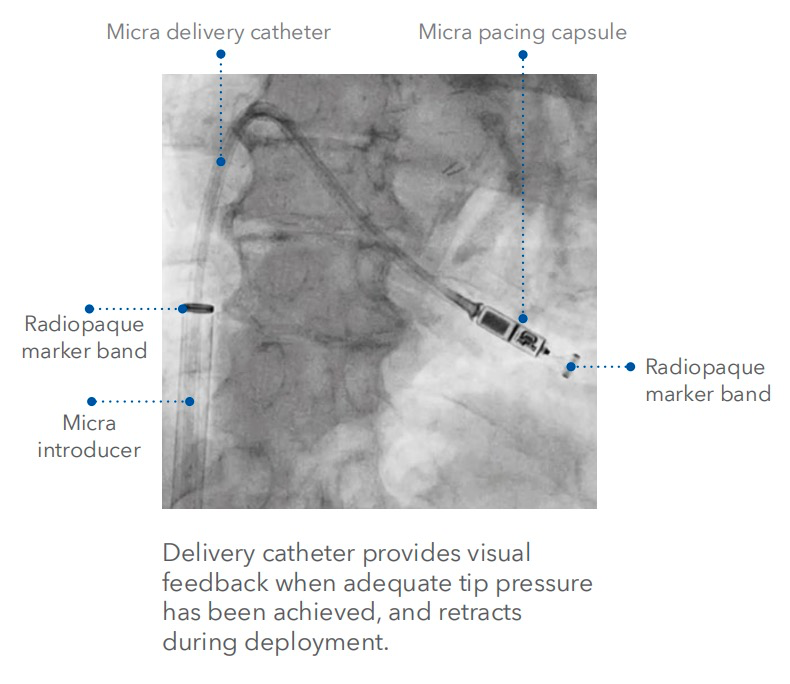
Micra Device Also Features Remote Monitoring, Which is Expected to Reduce Hospitalizations and Enhance Patient’s Sense of Security. Its size is only about one-tenth of a traditional pacemaker. Unlike traditional devices, the Micra device requires no leads or subcutaneous surgical "pocket," thereby reducing complications associated with leads and pockets and eliminating visible device markings.
Dr. Robert C. Kowal, General Manager of Medtronic's Cardiac Pacing Therapy Division, stated: "For more than eight years, our Micra leadless pacemaker has provided tangible benefits to patients in need of a pacemaker. Today, these patients can benefit from the latest leadless pacing technology, which for most of them, may be the only device they will ever need."
Global Pacemaker Market Analysis
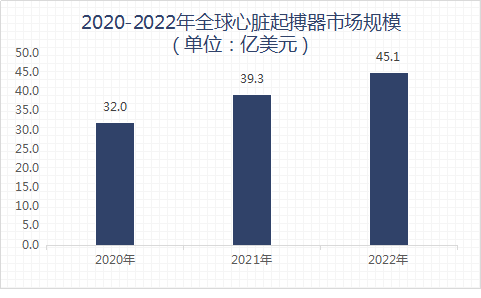
The global market for cardiac pacemakers is rapidly expanding, especially in China’s vast market. According to Huamei statistics, the global cardiac pacemaker market size reached $4.51 billion in 2022, with a projected compound annual growth rate (CAGR) of 3.6% from 2023 to 2030. The increasing burden of cardiovascular diseases has become one of the key factors driving market growth. Forecasts indicate that by 2028, the global cardiac pacemaker market size will climb to $6.14 billion.
Data Arrangement: Huamei
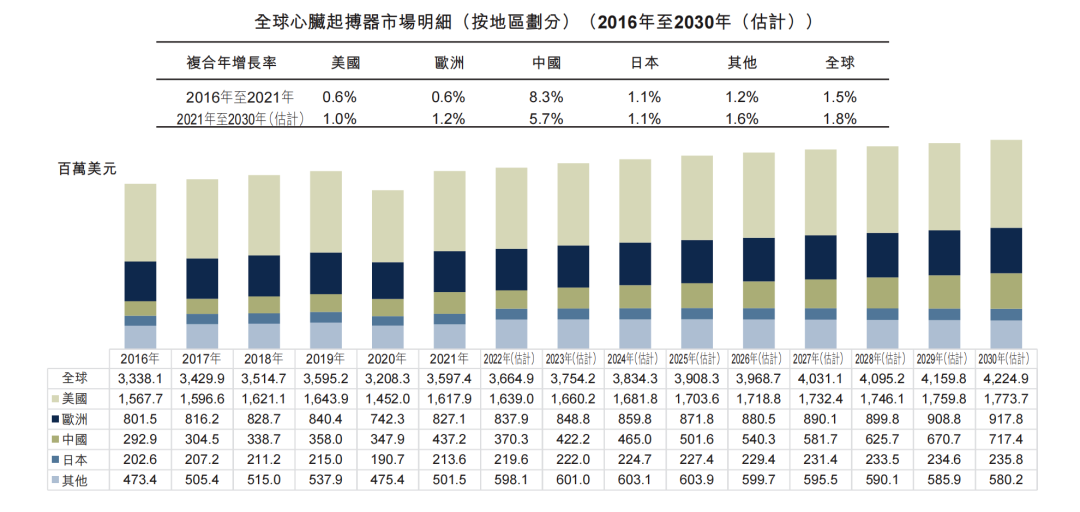
Another study from Vedalco shows that in 2021, the U.S. pacemaker market size reached USD 16.179 billion, accounting for the largest global market share (45.0%). It is projected that China will become the fastest-growing pacemaker market, with a forecasted compound annual growth rate (CAGR) of 5.7% from 2021 to 2030.
Data Source: WeiDu纵横
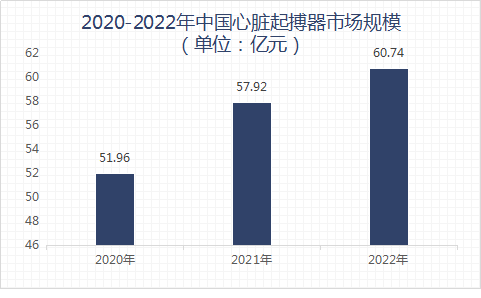
In China's market, the penetration rate of pacemakers is relatively low. Due to factors such as technological barriers, foreign brands dominate the market, with Boston Scientific, Medtronic, and Abbott being the leading global companies in the pacemaker industry, collectively accounting for nearly 85.0% of China’s market. By the end of 2023, only three domestically produced brands—Lepu Medical, Lifetech Scientific, and MicroPort Medical (Lead Creation)—had received product approvals. Currently, dual-chamber pacemakers have become the core product in China’s pacemaker market. According to statistics, the number of clinical implants of dual-chamber pacemakers in China reached 85,420 units in 2021, accounting for 76% of the total market.
Data Compilation: Huamei
From a product perspective, the development of commercial pacemakers is primarily dominated by five multinational companies: Medtronic, Abbott, Boston Scientific, Biotronik, and MicroPort. The table below provides a detailed comparison of these companies' major pacemaker products approved in the United States, the European Union, and China.
Policy Boosts Development
The rising incidence of cardiovascular diseases globally, along with the intensifying trend of aging, has led to a continuous growth trend in the pacemaker market. Each year, the World Health Organization reports approximately 41 million deaths from cardiovascular diseases worldwide, accounting for 74% of total non-communicable disease-related deaths. This data underscores the critical importance and urgency of optimizing care for heart disease patients.
Therefore, in recent years, China has repeatedly issued relevant policies and regulations, listing implantable medical devices as a key development area. It strongly promotes the development of cardiovascular interventional devices, encourages domestic innovation, and aims to break the monopoly of imported products. At the same time, China has successively carried out centralized procurement of high-value medical consumables. Jiangsu Province was the first to initiate the procurement of dual-chamber pacemakers, followed by provinces such as Yunnan, Qinghai, Anhui, Shandong, and Fujian, which have also gradually started the procurement of cardiac pacemakers.
As China-produced alternatives and centralized procurement scales expand, the price of implantable cardiac pacemakers will no longer remain excessively high. In the 2022 Shaanxi Province centralized procurement, the average price of non-MRI-compatible cardiac pacemakers from selected manufacturers, such as Lepu Medical and CH pacemakers, has dropped to around 16,000 yuan. With advancements in patients' medical awareness, increased penetration rates of pacemakers, and higher medical insurance reimbursement ratios, user acceptance of cardiac pacemakers will also continue to rise.
Source of the article:Medical Device Innovation Network

END
PAST/PREVIEW
Electrophysiology Leader Spends Over 800 Million Yuan on New Headquarters
Due to Explosion Risk! Just Now, Philips Issued a Level-One Recall of Over a Hundred MRI Machines
After Spine Business Exits China, Orthopedic Giant Sells the Business for $2.68 Billion