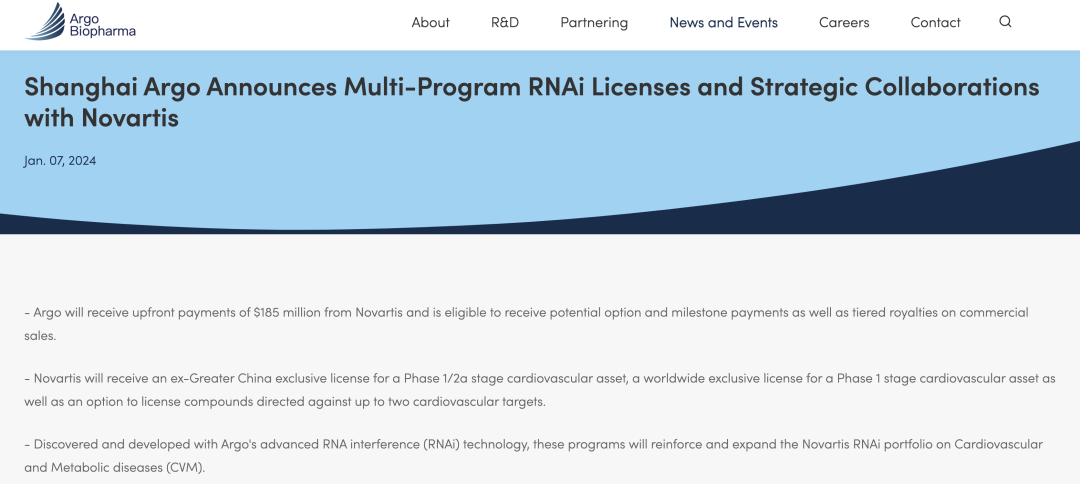
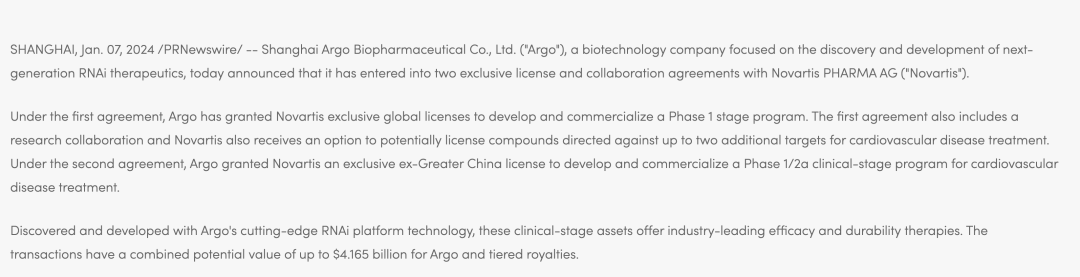
On January 7, 2024, Argo Biopharma announced a collaboration agreement with Novartis. Argo has granted Novartis global rights to a Phase I clinical project, while Novartis will select two additional targets for cardiovascular diseases. Moreover, Novartis has also obtained the global rights outside of Greater China for a Phase 1/2a clinical project.Novartis pays $185 million upfront, with total collaboration value up to $4.165 billion. This article takes this as an introduction and provides a brief analysis of the news event.
01
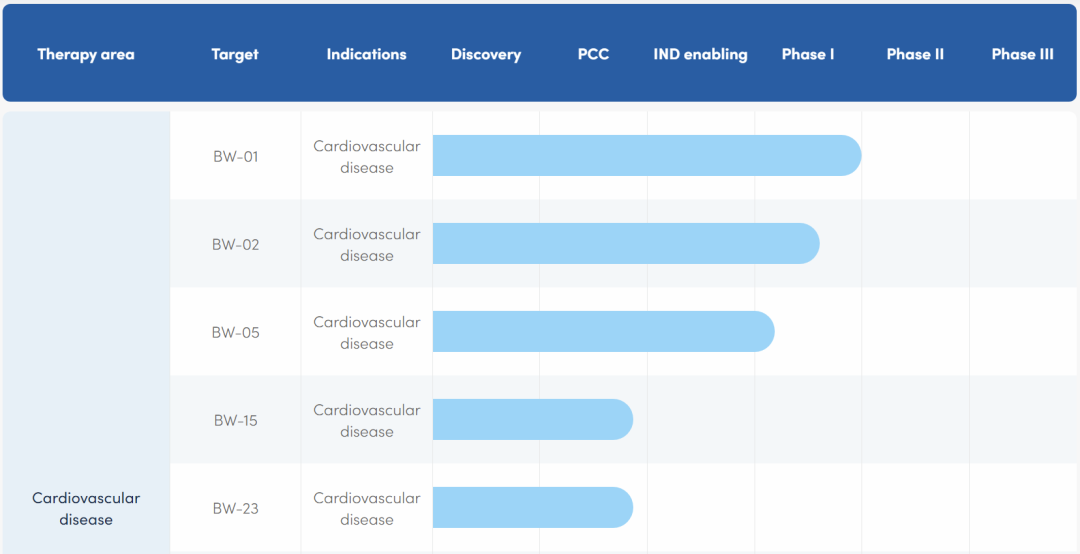
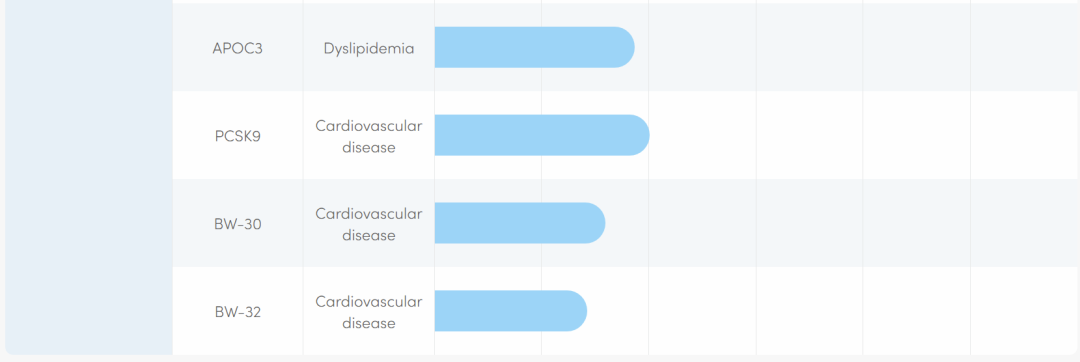
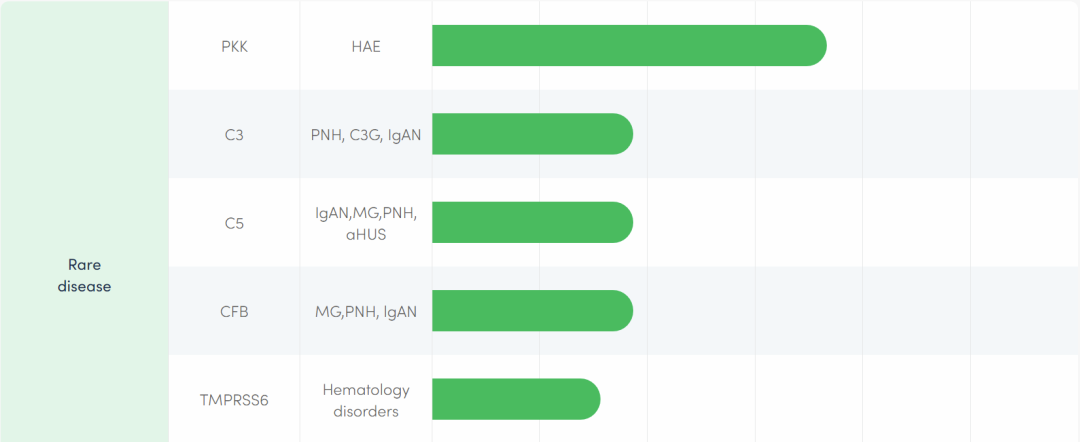
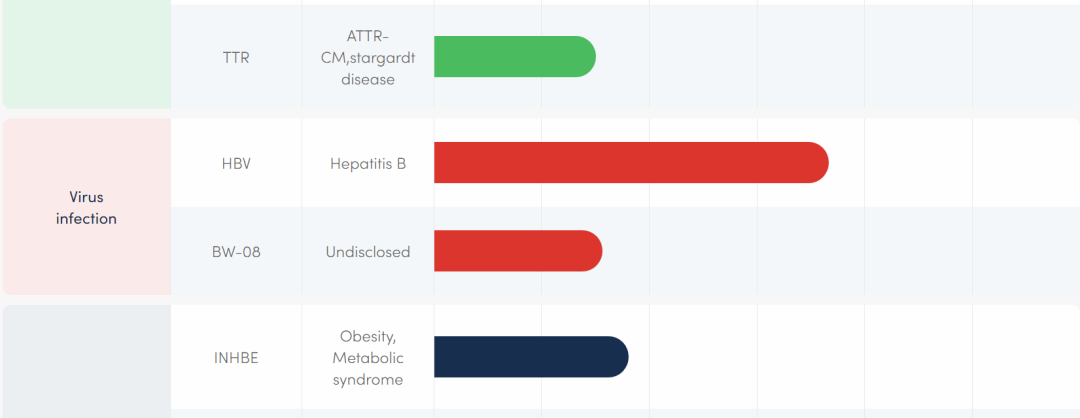
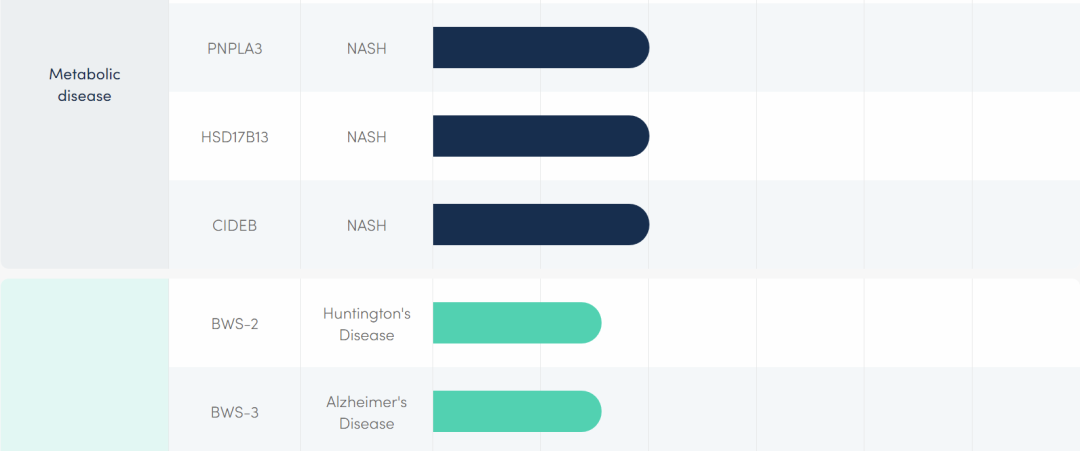
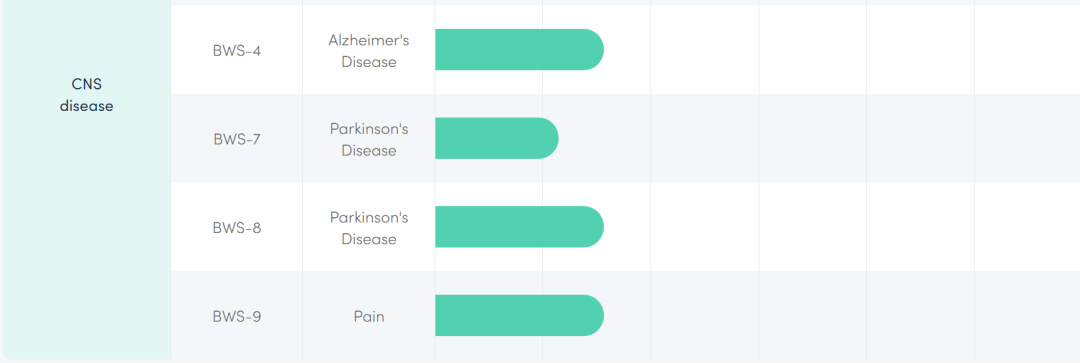
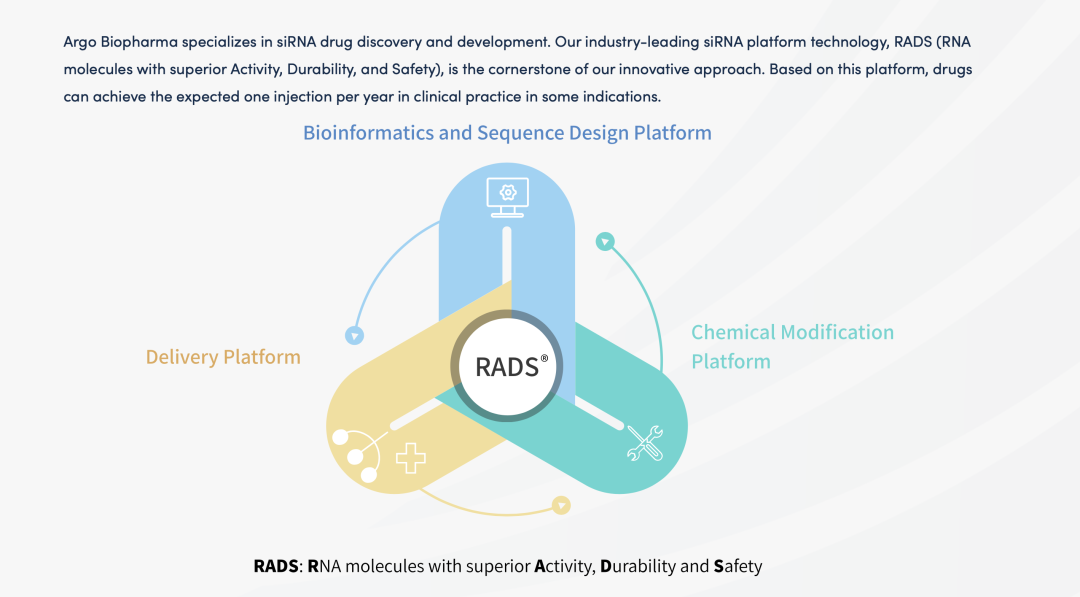
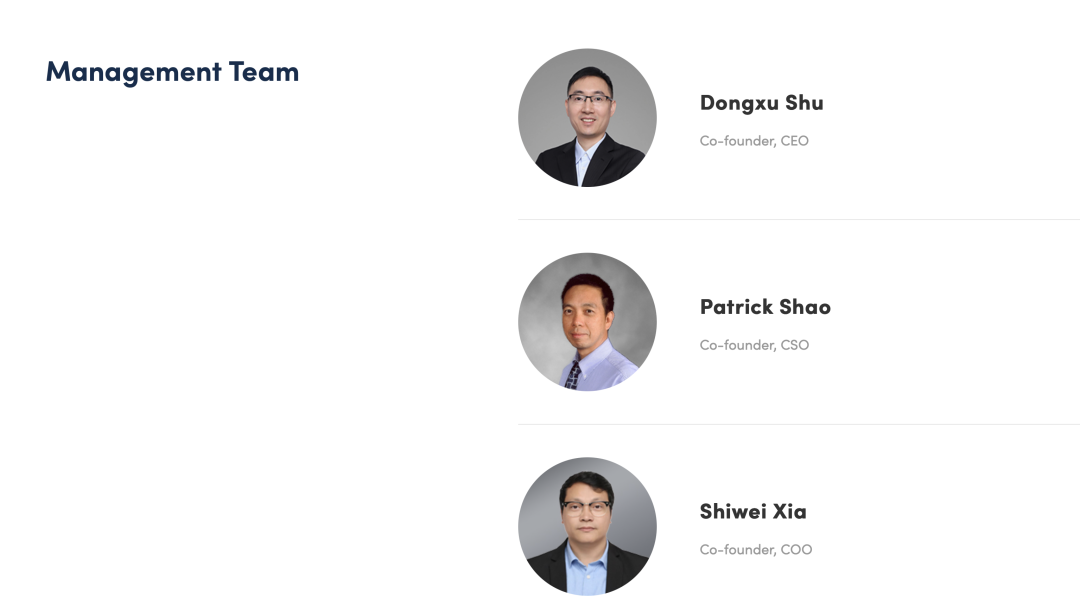
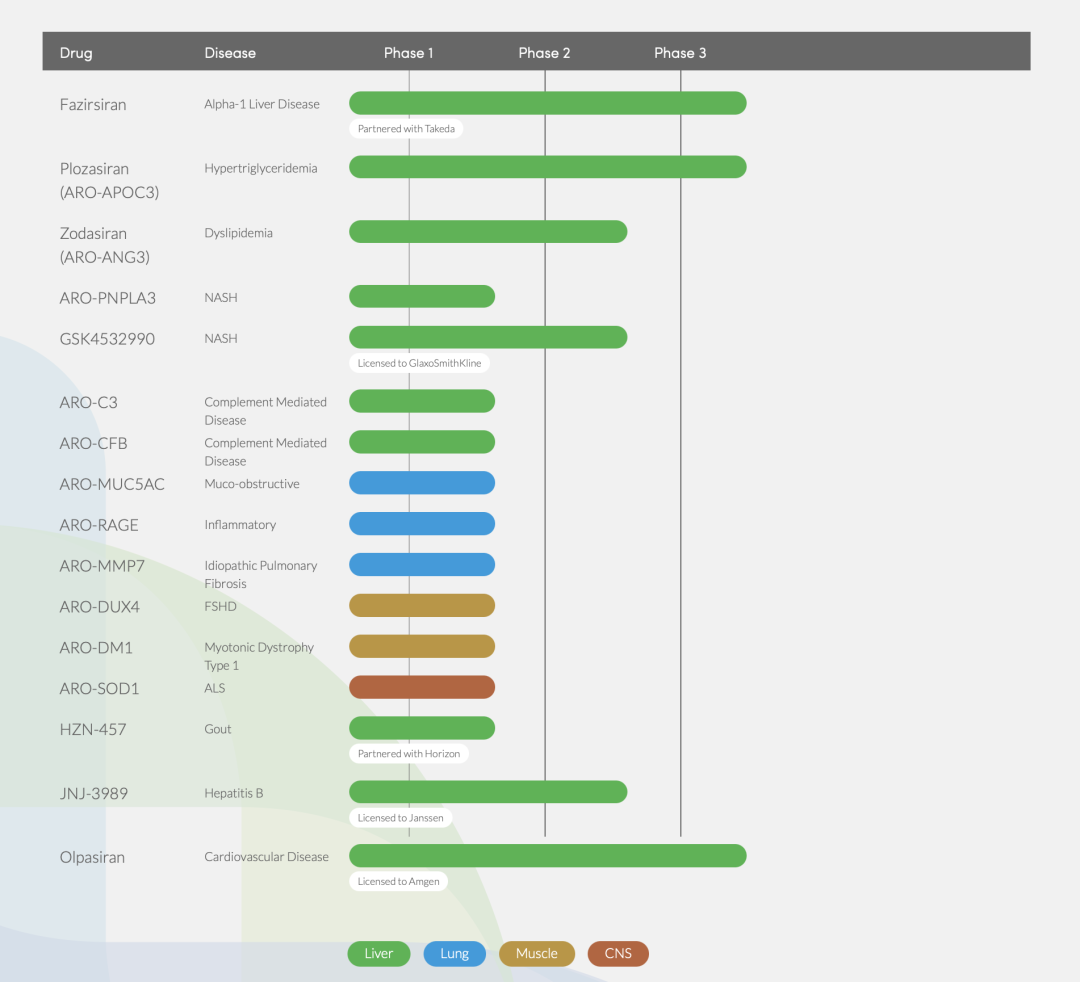
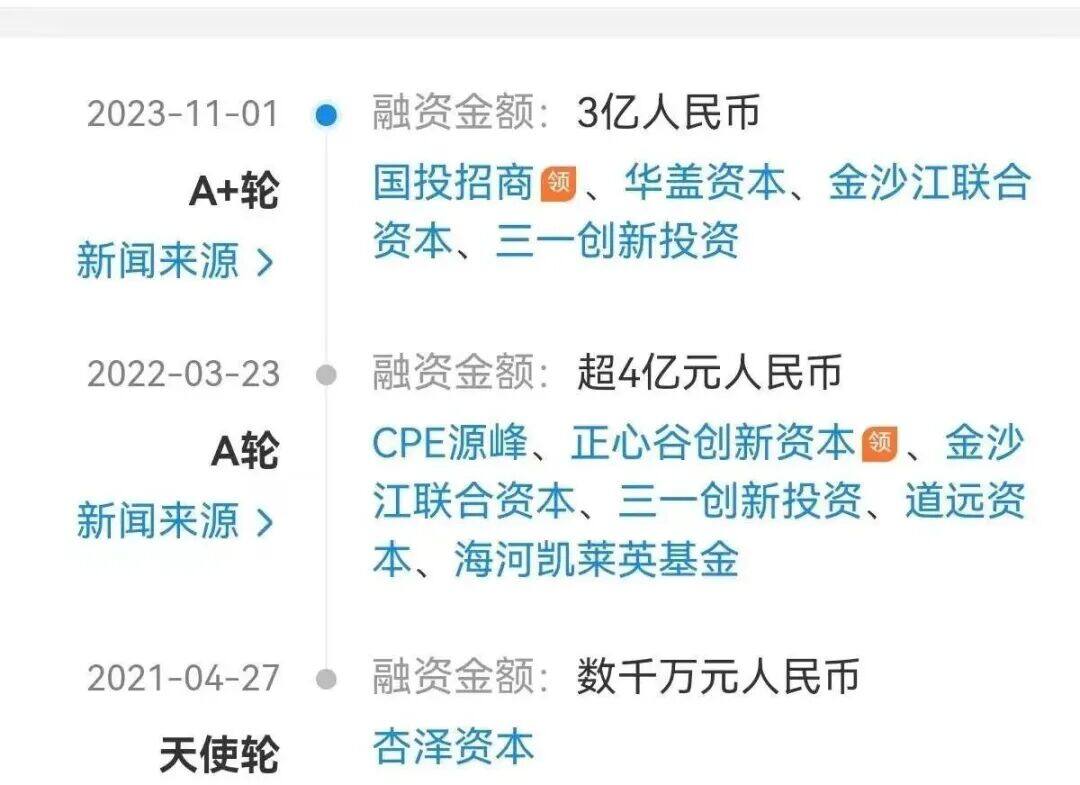
Argo Technology Platform/Pipeline/Management Team Argo Biopharma was founded in April 2021 as a biotechnology company focused on the development of siRNA drugs. The company currently has over 50 employees, with core members coming from Arrowhead, a siRNA drug company, and multinational pharmaceutical companies such as Merck. In less than three years since its establishment, the company has advanced four projects into clinical trials, with the fifth project already submitted for clinical application. The indications cover cardiovascular diseases, rare diseases, hepatitis B, autoimmune conditions, neurological disorders, and more. Some projects are expected to enter Phase 2 clinical trials by early 2024.Among them, BW-01 and BW-02 in the cardiovascular field have entered the clinical stage. Argo Product Pipeline Argo Biopharma siRNA Technology Platform: RADS (RNA molecules with superior Activity, Durability, and Safety) The company's three co-founders, including the CEO-Dr. Shu Dongxu andAnd CSO-Dr. Patrick Shao,Before the establishment of Argo Biopharma,Have all been inArrowhead PharmaceuticalsWorked. Arrowhead, as a pioneer in RNAi therapy, is well-known in the industry. Arrowhead Pharmaceuticals Pipeline Layout In terms of financing,ArgoTo date, it has completed three rounds of financing, with a total amount exceeding 700 million RMB.The investors include Apricot Capital, Loyal Valley Capital, CPE Yuanfeng, Daoyuan Capital, Sanyi Innovation Investment, and金沙江联合创投, among other well-known institutions. The latest round was in November 2023, where Argo Biopharma completed a 300 million RMB A+ funding round led by SDIC Capital, with participation from Huagai Capital, Yuanxi Haihe Fund, and existing investor Sanyi Innovation Investment.
02
Why Novartis? Novartis has a strong advantage in the cardiovascular field. As Entresto is about to enter the patent cliff, the core strategy to focus on creating new growth points for performance includes the dual drivers of siRNA therapy and ASO drugs.
SuperHeavyweight Variety:Entresto, facing the patent cliff
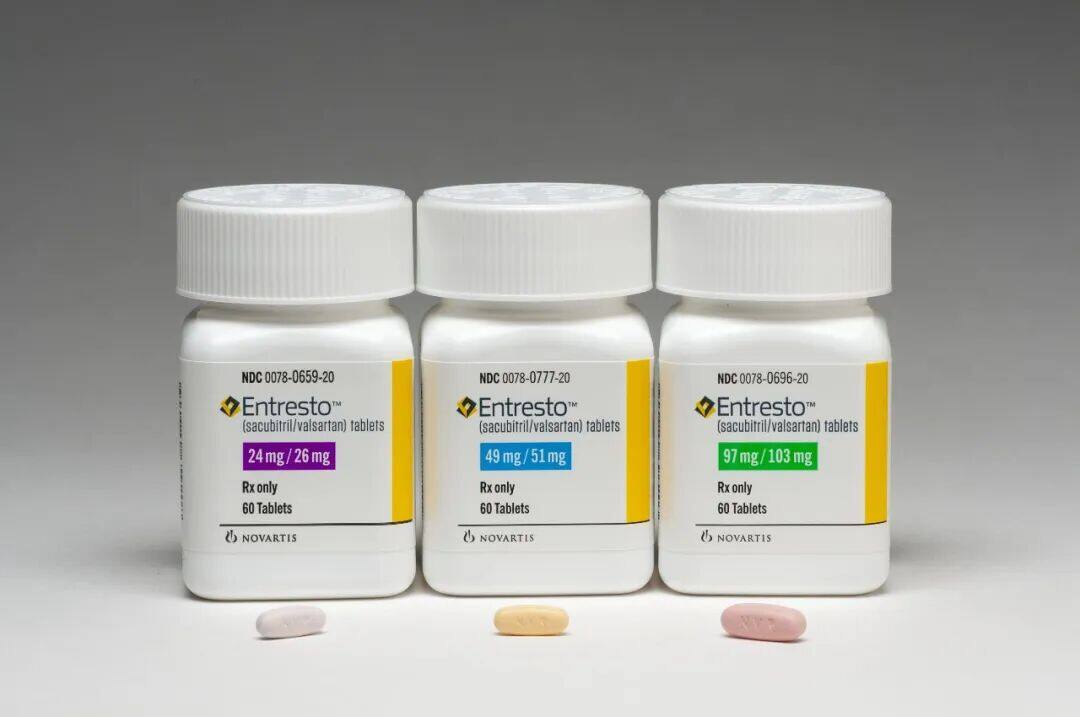
Entresto (诺欣妥) is the first ARNI (angiotensin receptor-neprilysin inhibitor) drug and a groundbreaking innovative drug in the field of heart failure treatment worldwide. It was approved by the FDA in 2015 and quickly gained market share. Global sales increased from $1.028 billion in 2018 to $4.644 billion in 2022, with a CAGR exceeding 45%, making it a major contributor to Novartis' revenue.The market expects to break through 10 billion US dollars in 2026.After Entresto entered the Chinese market in 2017, it successively gained approvals for heart failure and hypertension indications, quickly becoming a "golden blockbuster." Data from Menet shows that in China's three major terminals and six key markets, Entresto’s sales revenue grew by 134% year-on-year in 2020. In 2021, it surpassed 2 billion yuan for the first time, with a year-on-year increase of 127.62%. Faced with such a huge market, generic drug companies both in and outside China have long been eyeing it. In recent years, Entresto has faced intense patent challenges from generics, including from Chinese pharmaceutical companies (Salubris, CSPC Ouyi, and CT Tianqing).
siRNA Drug Inclisiran:Novartis' New Star in Lipid-Lowering
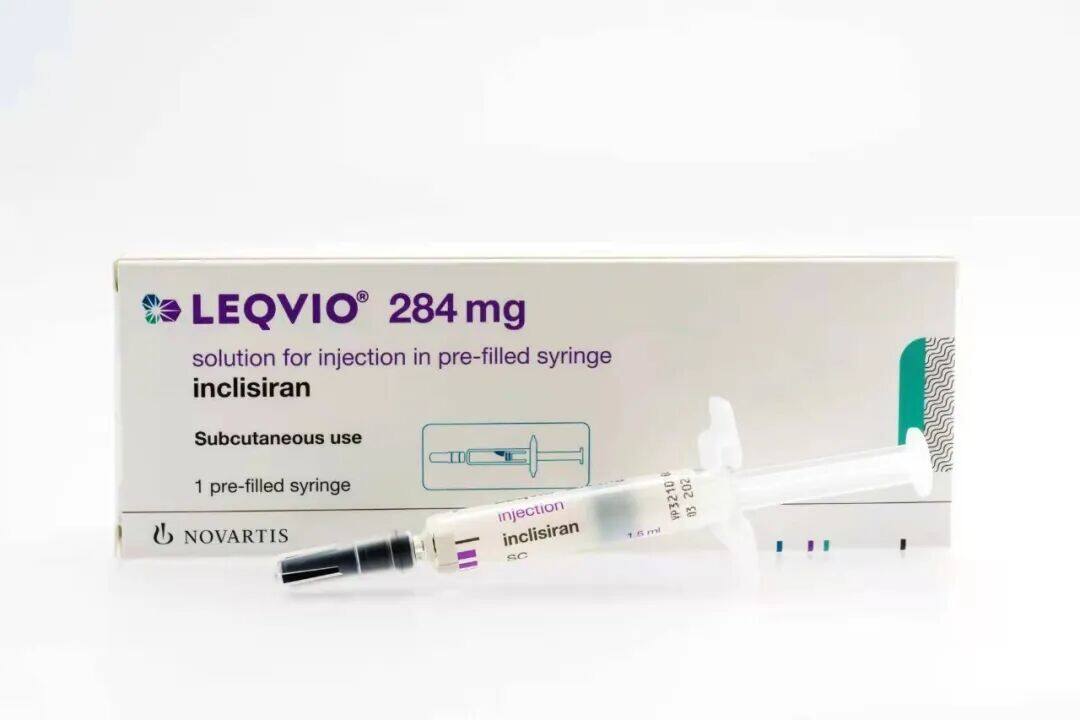
Inclisiran was initially developed by Alnylam, the leading small nucleic acid company in the United States. Since its establishment in 2002, Alnylam has been dedicated to the development of RNAi therapies, accompanying this field from its inception to growth and consistently leading the RNAi revolution. In 2013, Alnylam exclusively licensed the global development, manufacturing, and commercialization rights of Inclisiran to The Medicines Company. According to the cooperation agreement, Alnylam is entitled to receive a total of $180 million in milestone payments from the latter and will receive 20% of the royalties based on Inclisiran's global net sales. In 2019, based on the positive outlook for the product pipeline, Novartis acquired The Medicines Company for a staggering $9.7 billion, thereby obtaining full rights to Inclisiran.Thereafter, Inclisiran was successively approved for marketing by the European Medicines Agency (EMA) in 2020 and the U.S. Food and Drug Administration (FDA) in 2021 for the treatment of adult hypercholesterolemia or mixed dyslipidemia. In 2023, Novartis China announced that Inclisiran had been approved by the National Medical Products Administration (NMPA) for marketing in China as an adjunct to diet for the treatment of adult patients with primary hypercholesterolemia (heterozygous familial and non-familial) or mixed dyslipidemia. After its market launch, Inclisiran quickly gained momentum. Novartis' financial report shows that Inclisiran's sales for the full year of 2022 were $112 million, a year-on-year increase of 833%.In the first half of 2023, its sales volume surged nearly three times (+293%), with revenue reaching 142 million U.S. dollars, making it one of the top ten growth drivers for Novartis in Q2 of 2023.Credit Suisse predicts that by 2024, the global annual sales of Inclisiran will reach $1.13 billion; GlobalData estimates that by 2027, Inclisiran sales could reach $2.5 billion.
Conclusion
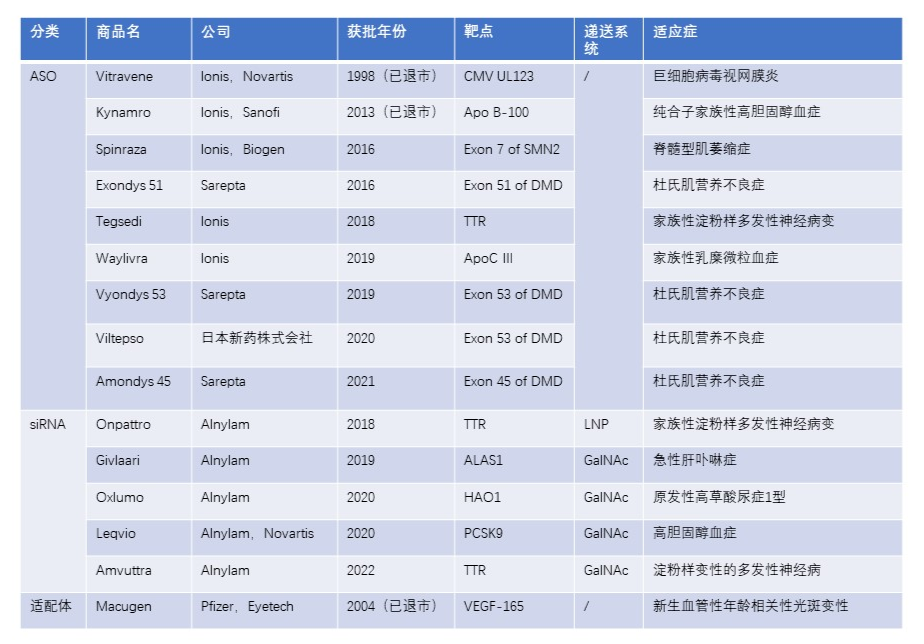
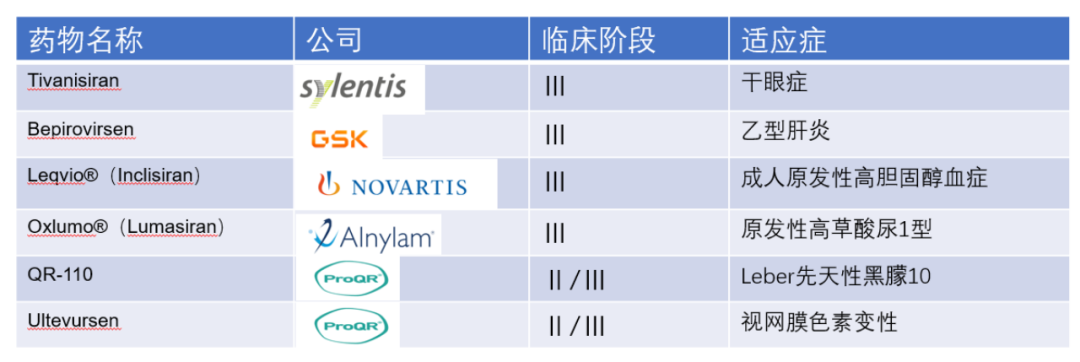
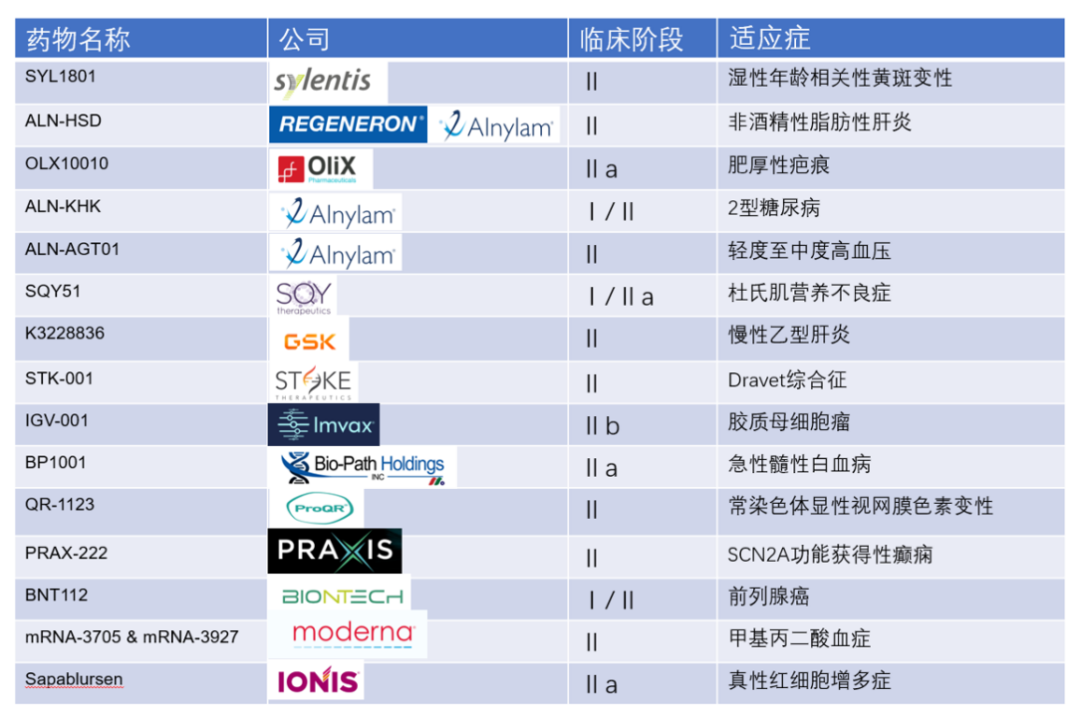
The development of small nucleic acid drugs has not been smooth sailing, and they were once halted by major pharmaceutical companies due to issues such as stability and safety.Since 2016, the number of small nucleic acid drugs coming to market has significantly increased, ushering in rapid development. The design and development of small nucleic acid drugs are not constrained by the druggability of proteins or the discovery of new targets.In the future, with the continuous advancement of delivery systems and modification technologies, small nucleic acid drugs are expected to cover a wider range of indications and even replace some existing therapies, indicating a very broad potential market. Roche recently acquired Alnylam's AGT siRNA for $2.8 billion, with an upfront payment of $310 million. Boehringer Ingelheim and Ribo Biotech reached a collaboration on NASH siRNA worth over $2 billion. Looking forward to more breakthroughs and progress in small nucleic acid drugs from biotech companies in China. Figure caption: Globally marketed small nucleic acid drugs (including those that have been withdrawn) Figure: Overview of Global Small Nucleic Acid Drugs in Phase III Clinical Trials (Partial)Figure Caption: Overview of Global Small Nucleic Acid Drugs in Phase II Clinical Trials(Partial) References in this article: Argo,Novartis, Arrowhead Pharmaceuticals Official Website,Medical Notes, Air Guests, Pharma Talks, etc. BiG Small Nucleic Acid Series Articles:
January 18, Big Talk JPM! 2024 Biomedical Venture Capital New Year Symposium

Keywords:Highlights of JPM 2024;Biotech Innovation, BD, Financing, and M&A Trends▼
March 8-9, XDC Innovation Unstoppable! 2024 BiG ADC Special Seminar
Keywords:Clinical Indications Expansion; Target & Project Initiation; Bispecific ADC; Combination Strategies; Next-Generation Linker-Payload; Radiopharmaceuticals▼ June 13-14, A Decade of Medicine, Sunrise in the East! BiG 10th AnniversaryKeywords:Source Innovation and Transformation, Innovative Technology Platforms (PROTAC/Molecular Glue; Bispecific ADC; Small Nucleic Acid Drugs; AI + Macromolecules), Clinical Research & International Development Strategies (Oncology/CNS/Autoimmune/Metabolic Diseases)▼ Co-build Biomedical Innovation Ecosystem!How to Join BiG Membership?