Johnson & Johnson Acquires Ambrx Biopharma for $2 Billion to Expand ADC Pipeline Amid Intensifying Competition

Johnson & Johnson
Healthcare Product Manufacturers, Health Service Providers

Ambrx Biopharma
Biologics Developer
▎Traceability
On December 22, 2023, LegoChem Biosciences entered into a licensing agreement with Janssen Biotech, Inc., a subsidiary of Johnson & Johnson, for the development and commercialization of LCB84, an antibody-drug conjugate (ADC) targeting Trop2. Meanwhile, I published an article titled "MNC pharmaceutical companies are desperate for ADC, but they still need to be rational when buying projects.》。
The combination of IO and ADC becomes the main theme of future cancer treatment. It is understandable that large multinational pharmaceutical companies are eager to invest in the ADC track, but now it seems a bit like grasping at straws.
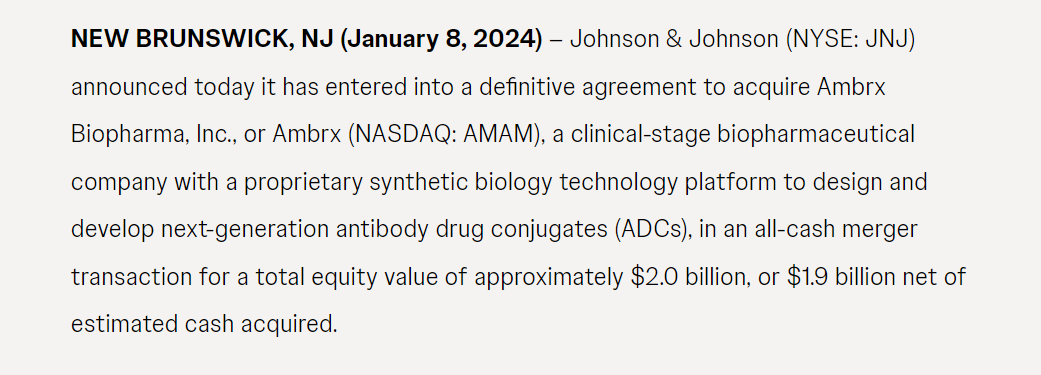
On January 8, 2024, Johnson & Johnson (NYSE: JNJ) announced that it had reached a definitive agreement to acquire Ambrx Biopharma, Inc. or Ambrx (NASDAQ: AMAM), a clinical-stage biopharmaceutical company, for a total equity value of approximately $2 billion. The primary pipeline, PSMA ADC, will be integrated.
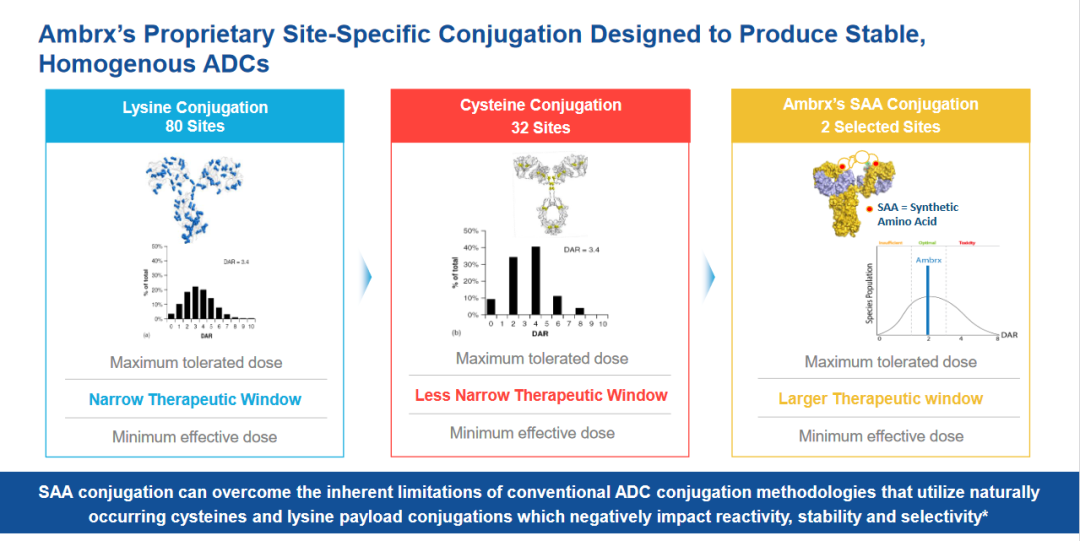
As is well known, Ambrx utilizes non-natural amino acid site-specific conjugation technology, but this technique can affect antibody expression yield, influencing the subsequent drug pricing.
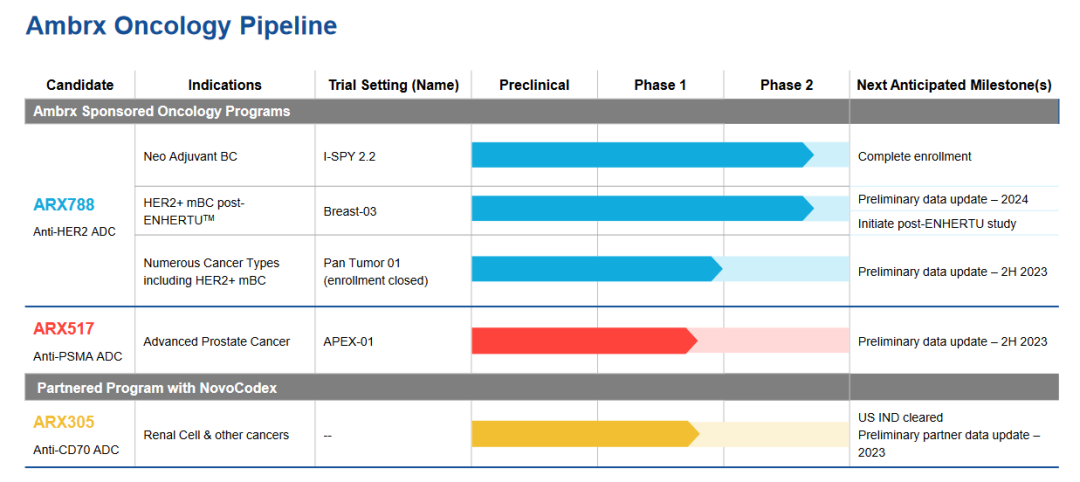
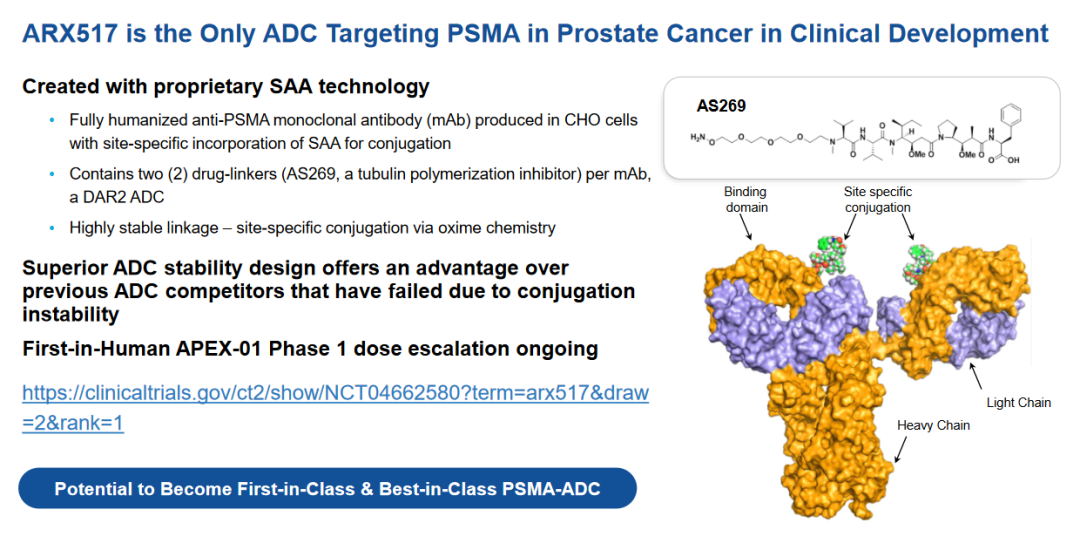
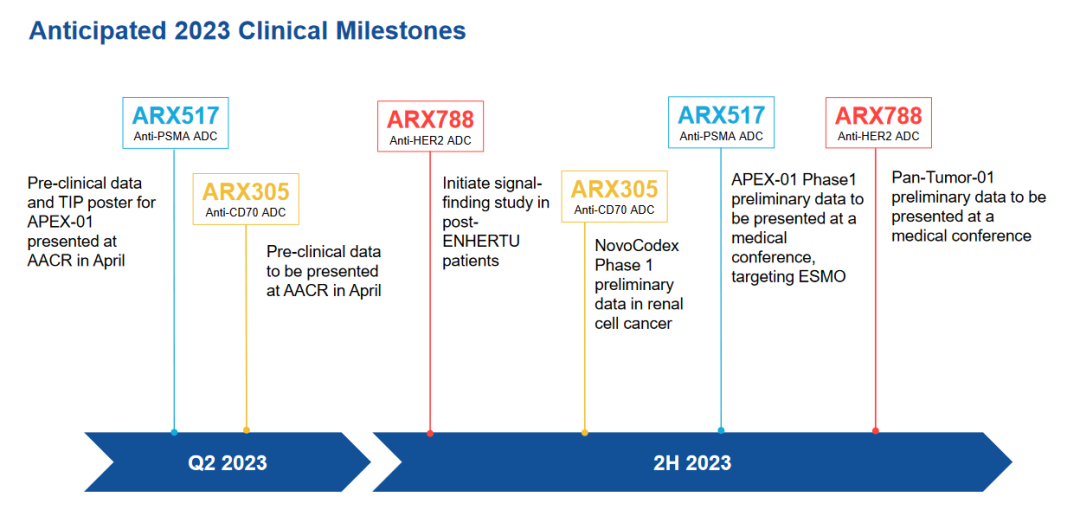
Ambrx's oncology pipeline mainly includes ARX517, a PSMA ADC for patients with metastatic castration-resistant prostate cancer (mCRPC); ARX788, a HER2 ADC for the treatment of patients with metastatic HER2+ breast cancer; and ARX305, a CD-70 ADC for the treatment of patients with renal cell carcinoma.
ARX517 is currently one of the main pipelines, DAR2, with a non-cleavable linker.
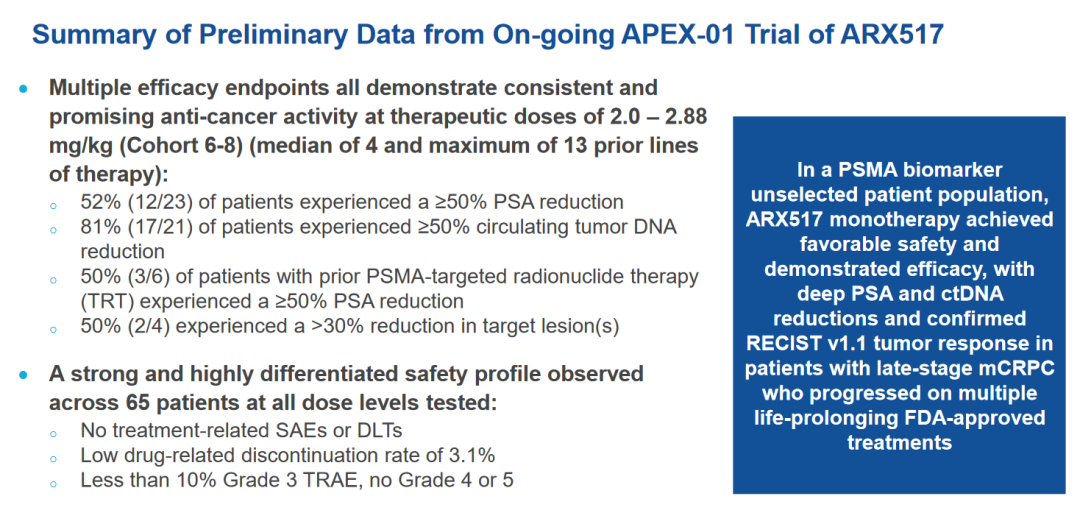
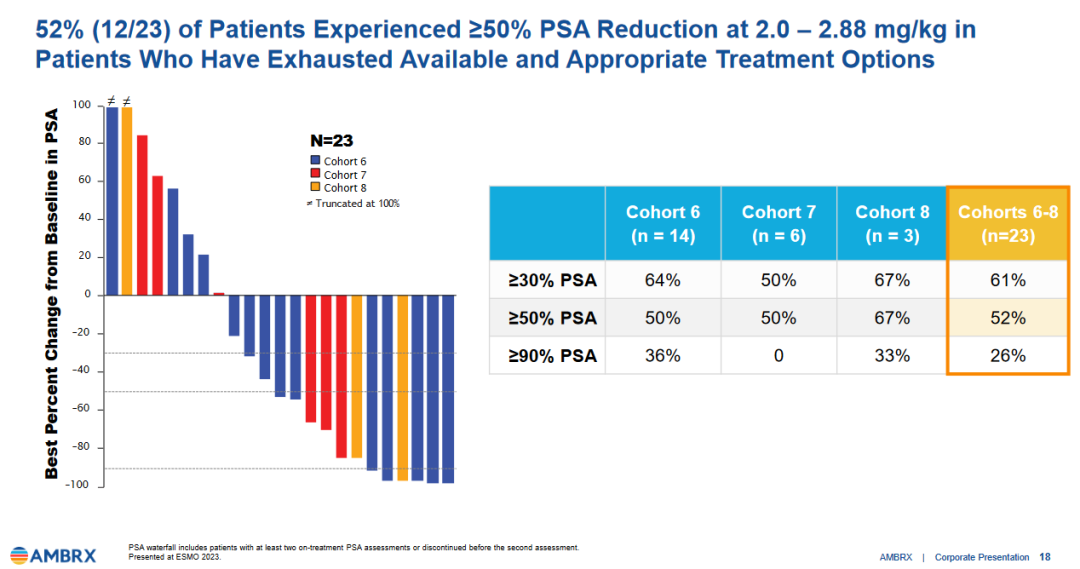
Clinical data showed relatively excellent results, with 52% (12/23) of patients experiencing a PSA reduction ≥50%, and 26% achieving a PSA reduction ≥90%. PSA reduction was positively correlated with OS benefit.
And the data of Xaluritamig, Amgen's STEAP1xCD3 bispecific antibody, seems to be more excellent.
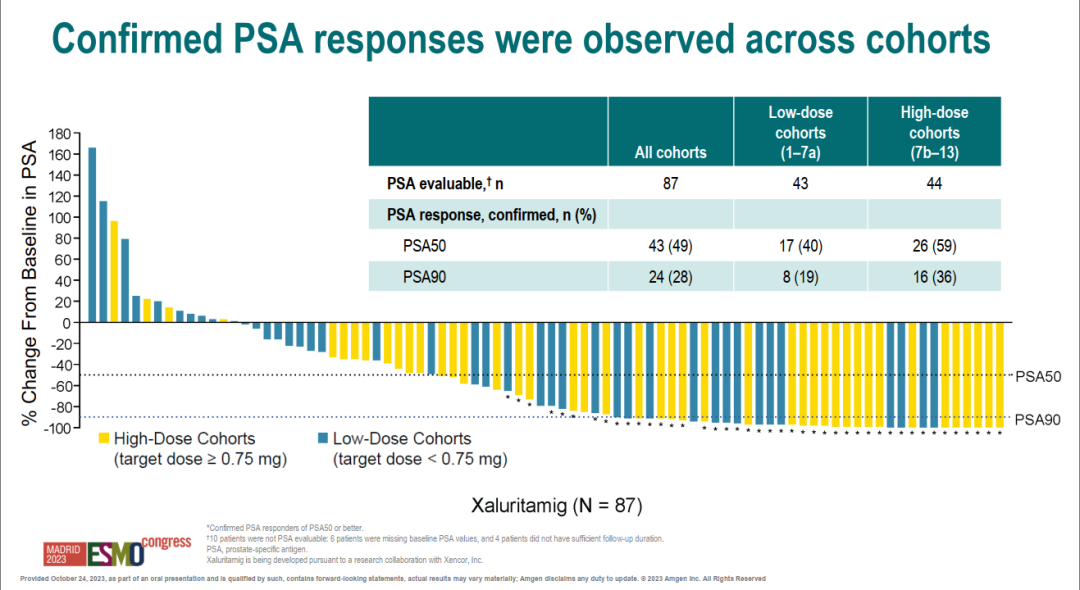
Moreover, the ORR in the high-dose group was 41%.
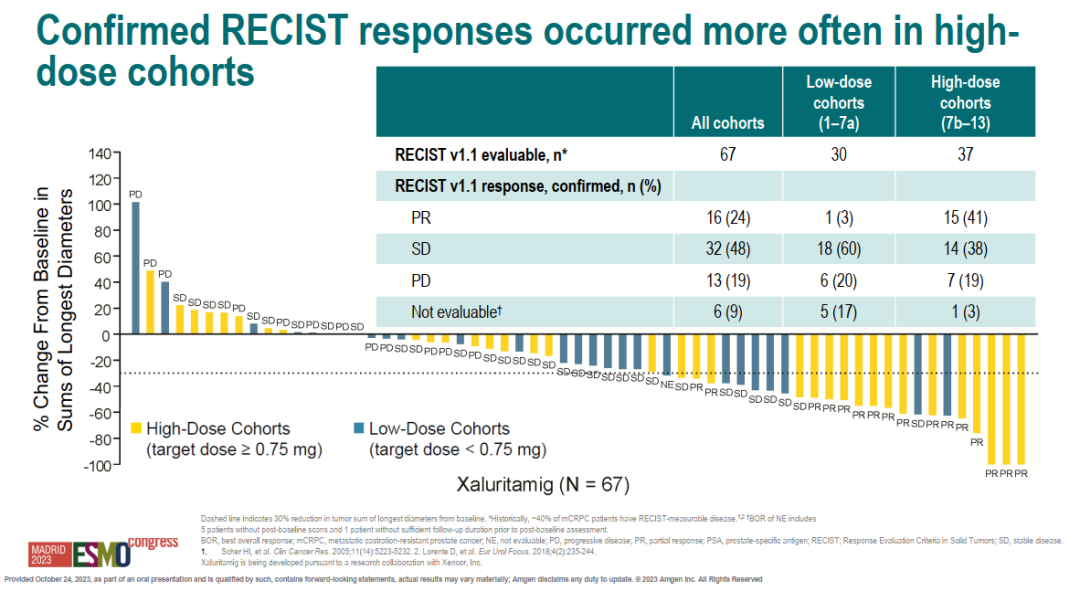
Clearly, the data for the STEAP1xCD3 bispecific antibody is more appealing. Of course, due to different mechanisms, the two are not directly comparable, and there may even be potential for combination therapy in the future. However, based purely on the data, the STEAP1xCD3 bispecific antibody comes out on top. As for whether the data from the evidently flawed Ambrx ADC platform represents the best data in the ADC field, that remains uncertain. It is undeniable that PSMA could become a promising target in the ADC race.
But one puzzling aspect at present is that, as a DAR2 design, Ambrx's site-specific conjugation technology did not increase the dosing level, and there is significant variability in dosing levels across different projects, such as ARX517 (PSMA ADC) and ARX788 (HER2 ADC). ARX517 reached 2.88mg/kg without exhibiting dose-limiting toxicity, whereas ARX788 only reached 1.7mg/kg.
ARX788 also has a DAR2 and uses a non-cleavable linker.
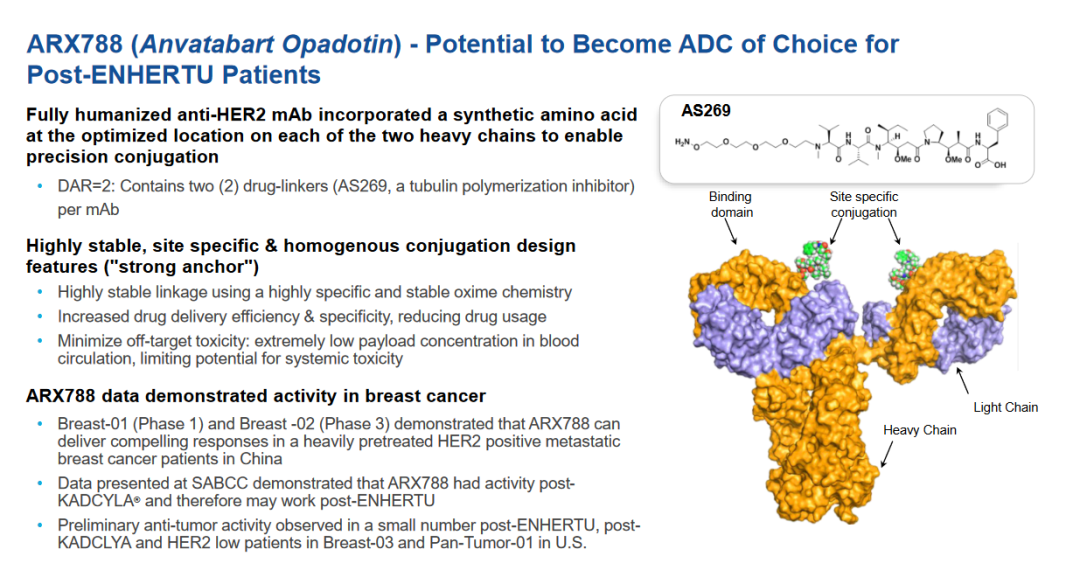
Clinical data released as follows, believe it or not.
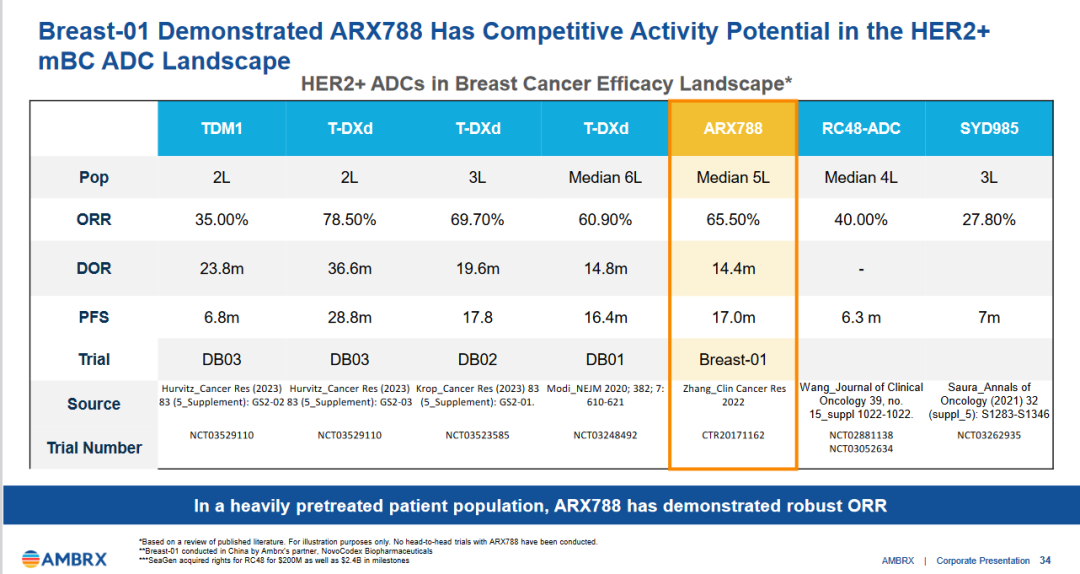
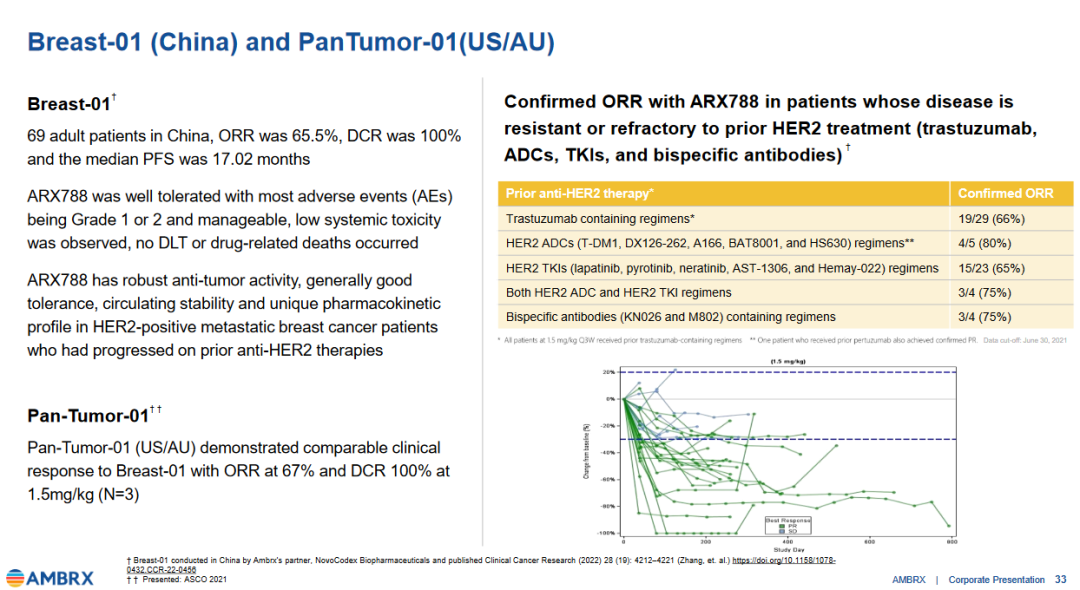
There is still a long way to go.
The Ambrx platform has obvious drawbacks, and its pipeline is still in the early stages. It is recommended that executives at Johnson & Johnson proceed cautiously. China's ADC companies are high-quality and cost-effective—come take a look regularly.