

JPM 2024 | Pfizer/Biohaven: Pipeline Spanning 20 Indications Including ADCs and Extracellular Protein Degraders with Blockbuster Potential

Pfizer
Pharmaceutical R&D Developer

Biohaven
Biological New Drug Developer

Welcome to follow Asymchem Pharma News
On January 8, 2024, the 42nd J.P. Morgan Healthcare Conference (J.P. Morgan Healthcare Conference, referred to as "JPM") officially kicked off. During the event, Pfizer's Chief Executive Officer Albert Bourla stated that the company has implemented significant cost-cutting measures necessary for business restructuring and will focus on operational and profit growth in 2024; additionally, the company has a series ofMajor acquisitions have been suspended, and the focus will primarily be on licensing deals, which will allow access to early-stage, lower-cost assets.。
In May 2022, Pfizer acquired Biohaven for a total of approximately $11.6 billion, gaining several projects including calcitonin gene-related peptide (CGRP) receptor antagonists rimegepant and zavegepant; other pipelines are independently operated by the new Biohaven company, continuing under CEO Vlad Coric and his team.

Biohaven is a biopharmaceutical company focused on discovering, developing, and commercializing life-changing treatments in key therapeutic areas such as neuroscience, immunology, and oncology. The company is leveraging its established drug development expertise and multiple proprietary drug development platforms to advance a range of the most innovative therapeutic combinations.
Biohaven's R&D Pipeline
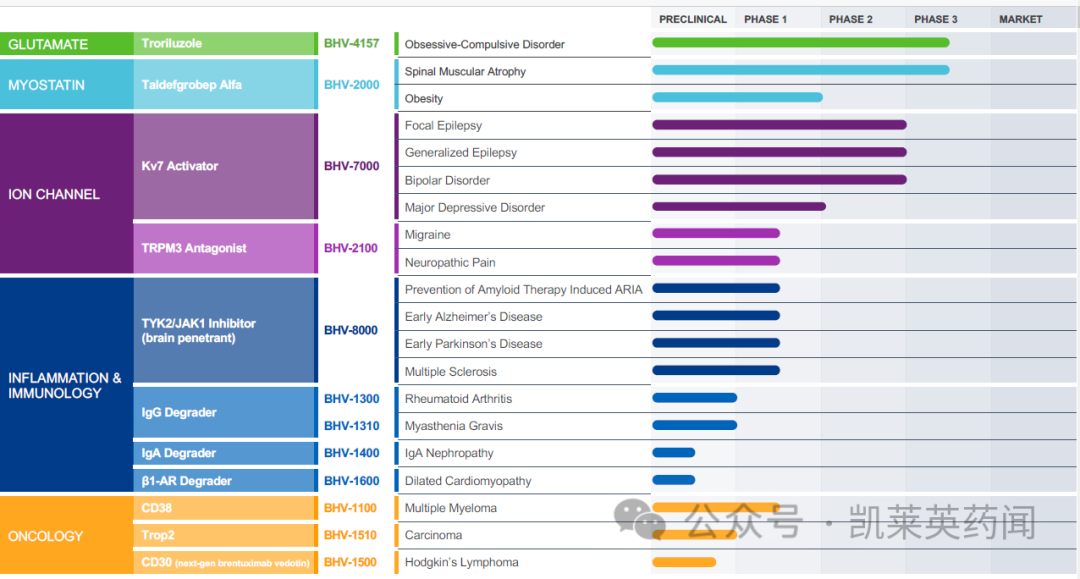
At this meeting, Biohaven emphasized the progress of its innovative product portfolio and outlined the anticipated milestones for 2024; leveraging the company's proprietary technology platforms to advance products across a range of indications including epilepsy, bipolar disorder, depression, obsessive-compulsive disorder, migraine, pain, obesity, Alzheimer's disease, Parkinson's disease, multiple sclerosis, rheumatoid arthritis, and cancer; as well as rare autoimmune and inflammatory diseases, including myasthenia gravis, cardiomyopathy, spinal muscular atrophy, and IgA nephropathy.
Biohaven in2024Year'sExpected Milestones
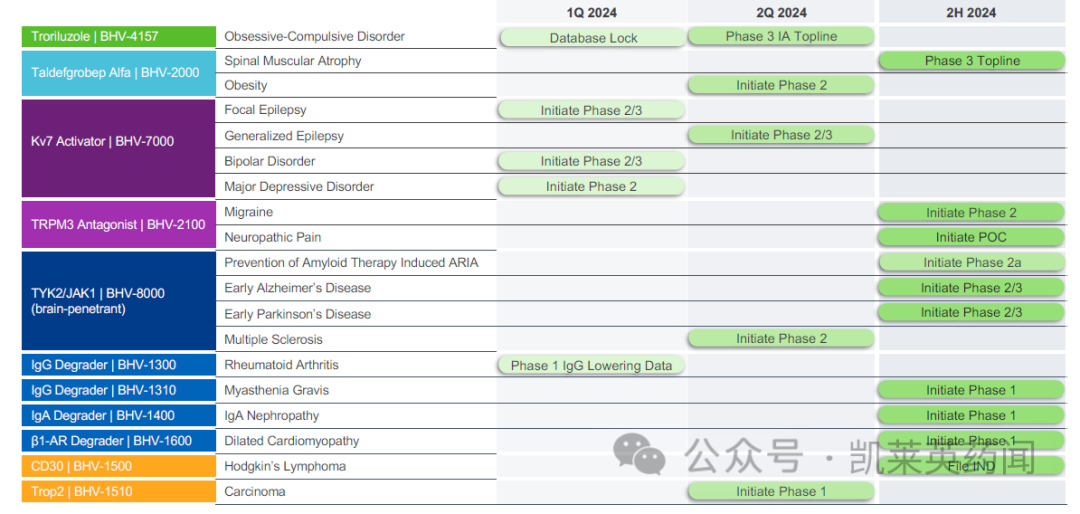
Biohaven stated that the split company will fully utilize the selective Kv7 activator platform and the extracellular protein degradation platform to develop a variety of new investigational drugs, addressing the growing public health crisis and bringing new solutions to difficult-to-treat diseases.
✦
Clinical Milestones Expected to be Achieved in 2024
✦
Part.1
Selective Kv7 Activator: BHV-7000
BHV-7000 is a potent activator of Kv7.2/Kv7.3; Kv7.2/Kv7.3 are key subunits involved in neuronal signal transmission and modulation of epileptic hyperexcitability, representing a breakthrough target in the fields of neurology and neuropsychiatry with "blockbuster" potential.
In July 2023, the company announced preliminary data from the Phase 1 clinical trial of BHV-7000. The results showed that the pharmacodynamic effects of BHV-7000 were similar to those of antiseizure medications (ASMs) reported in the literature, including Kv7 activators under development that have demonstrated clinical efficacy in treating epilepsy. Additionally, pharmacokinetic data supports the use of a once-daily extended-release formulation for Phase 2/3 clinical trials.
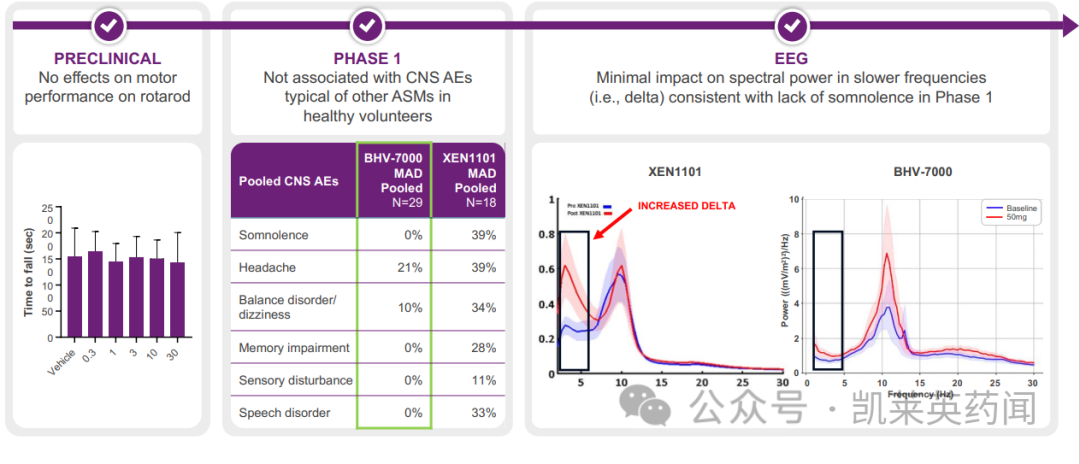
The company is expected to initiate a Phase 2/3 study for focal epilepsy and bipolar disorder, as well as a Phase 2 study for major depressive disorder in the first quarter of 2024. Additionally, a Phase 2/3 study for generalized epilepsy is planned to commence in the second quarter of 2024.
Part.2
New Glutamate Modulator: Troriluzole
Troriluzole is a novel glutamate modulator. Glutamate is one of the major excitatory neurotransmitters in the human nervous system, and the primary mechanism of troriluzole is to reduce glutamate levels between neuronal synapses. This investigational drug increases glutamate reuptake by enhancing the expression and function of excitatory amino acid transporters located in glial cells, thereby reducing synaptic glutamate levels.
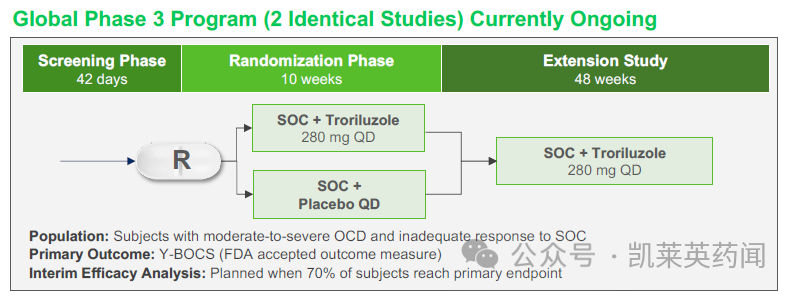
Currently, the company is in Phase III development for obsessive-compulsive disorder (OCD), as an adjunctive treatment for patients who have an inadequate response to existing standard-of-care treatments. The aforementioned study data will be locked in the first quarter of 2024 and the primary results of the interim efficacy analysis of Phase III will be disclosed in the second quarter of 2024.
Part.3
Myostatin Inhibitor: Taldefgrobep alfa
Taldefgrobep is a novel myostatin inhibitor optimized to block myostatin and activin A signaling in a balanced manner (two key regulators of muscle growth).
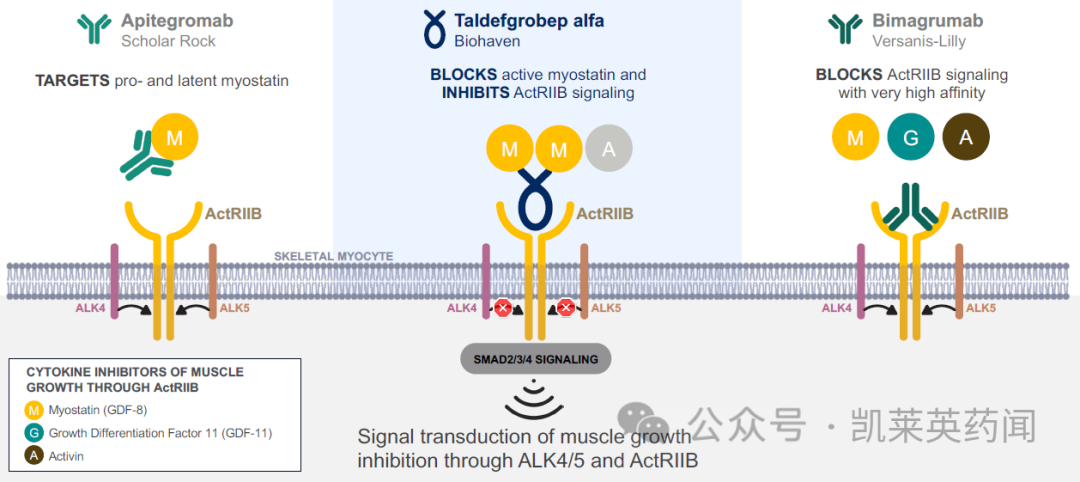
Currently, the company is conducting a Phase 3 trial of taldefgrobep for spinal muscular atrophy (SMA) as an adjunctive therapy to enhance muscle mass and function in patients receiving standard-of-care treatment. Additionally, taldefgrobep has potential in treating obesity; preclinical models have shown that taldefgrobep significantly reduces fat mass and increases lean body mass.
The company plans to initiate a Phase 2 study of taldefgrobep for obesity in the second quarter of 2024 and report the top-line results of the Phase 3 study of taldefgrobep for SMA in February 2024.
Part.4
TRPM3 Antagonist: BHV-2100
BHV-2100 is a potential first-in-class oral selective TRPM3 antagonist, offering a novel, non-addictive treatment for migraine and neuropathic pain. The drug is rapidly absorbed, reaching 90% of the inhibitory concentration within 1 hour, and is well-tolerated at the anticipated therapeutic dose.
The company will initiate a Phase 2 study for the treatment of acute migraine and a Proof of Concept (POC) study for neuropathic pain in February 2024.
Part.5
TYK2/JAK1 Inhibitor: BHV-8000
Is a potential first-in-class oral, brain-penetrant, selective TYK2/JAK1 inhibitor with the potential to treat neuroinflammatory diseases. In a Phase 1 study involving healthy volunteers, three single ascending dose cohorts and one multiple ascending dose cohort have been successfully dosed, demonstrating good tolerability.
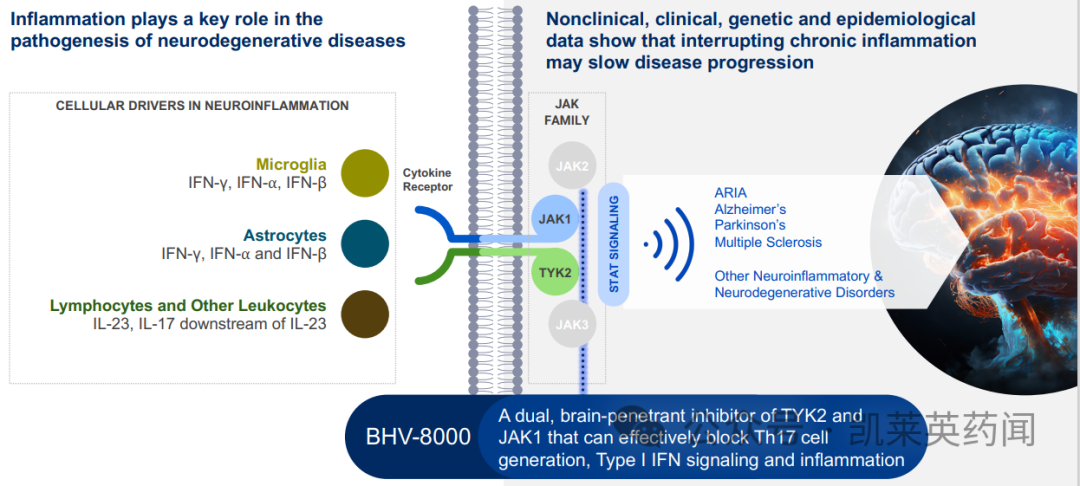
The company expects to initiate a Phase 2 study of BHV-8000 for multiple sclerosis in the second quarter of 2024; and a Phase 2a study for the prevention of ARIA induced by amyloid-beta therapy, as well as a Phase 2/3 study for early Parkinson's disease and early Alzheimer's disease, in February 2024.
Part.6
PlanAdvance Four Degrader Projects into IND
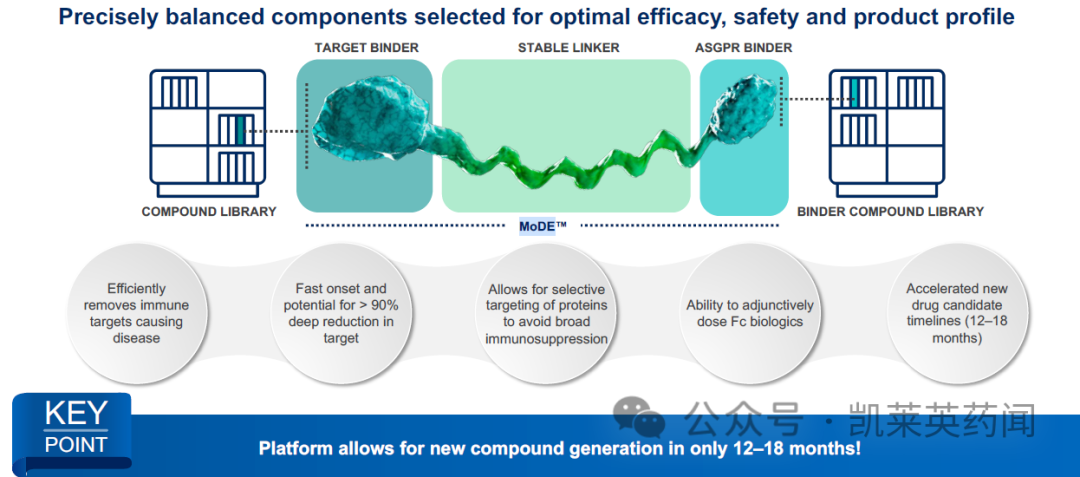
Biohaven has established a novel extracellular protein degrader technology platform called MoDE, which enables small molecules to bind to extracellular target proteins and facilitates their elimination from the body via the liver. MoDE is a bispecific molecule, with one end binding to the liver ASGPR target and the other end binding to the extracellular target protein.
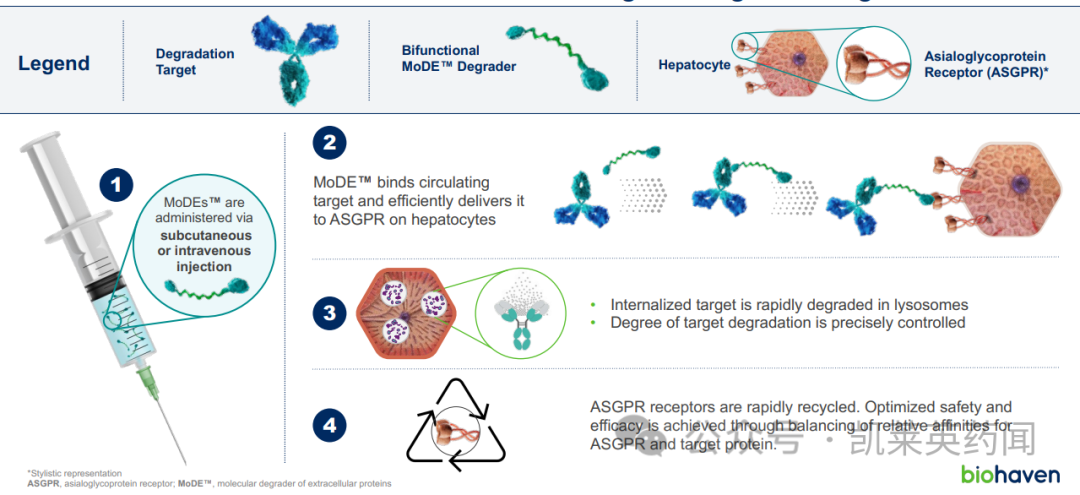
This molecule belongs to a first-in-class mechanism of action, utilizing the liver ASGPR receptor to efficiently and safely remove circulating pathogenic targets.
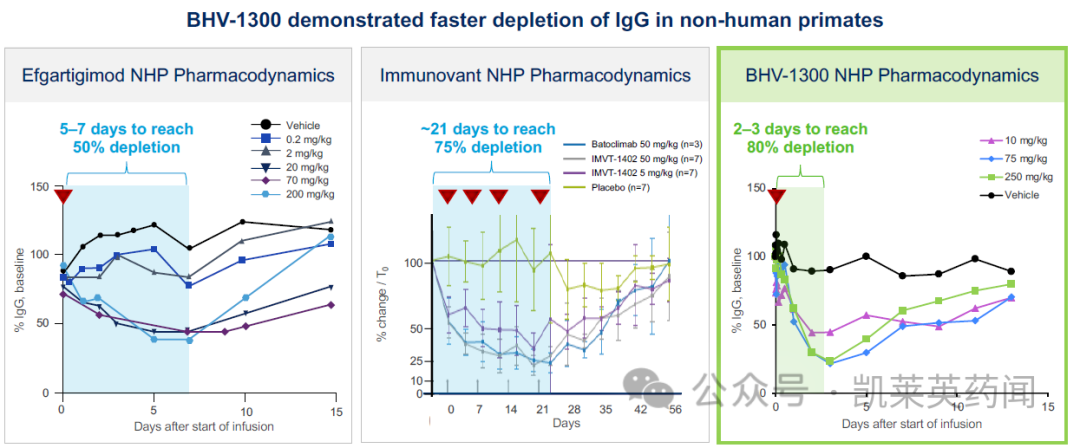
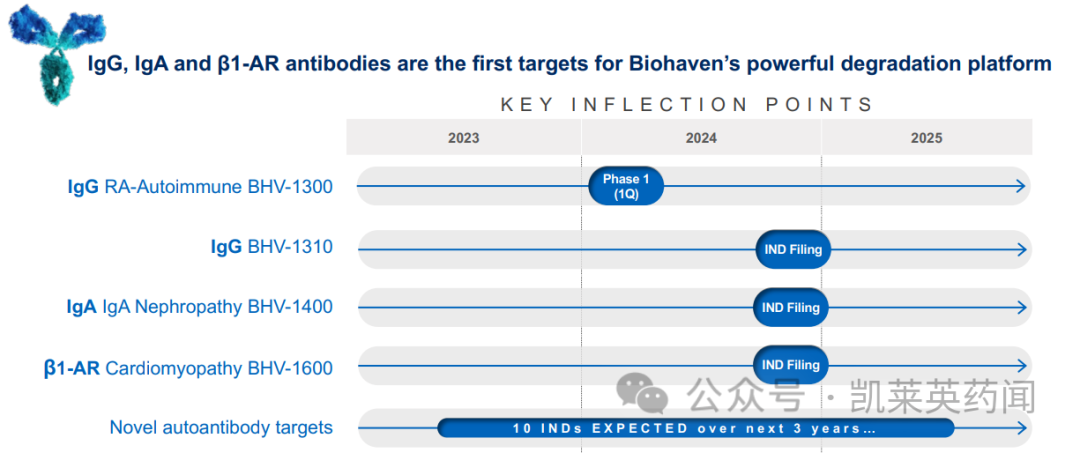
BHV-1300:BHV-1300, an IgG degrader with best-in-class therapeutic potential, can further reduce IgG levels compared to FcRN-targeting drugs without causing albuminemia or dyslipidemia. Additionally, patients may be able to self-administer subcutaneously. The company expects to submit the IND for BHV-1300 by the end of 2023.
Preclinical in vitro experiments showed that BHV-1300 can induce rapid endocytosis and degradation of extracellular IgG by hepatocytes; when BHV-1300 and IgG are in a 1:1 ratio, it mediates the clearance of 40% of IgG within 2 hours; the clearance process is highly specific and does not affect IgA and IgM. In non-human primate animal experiments, repeated dosing with BHV-1300 reduced IgG levels by more than 90%.
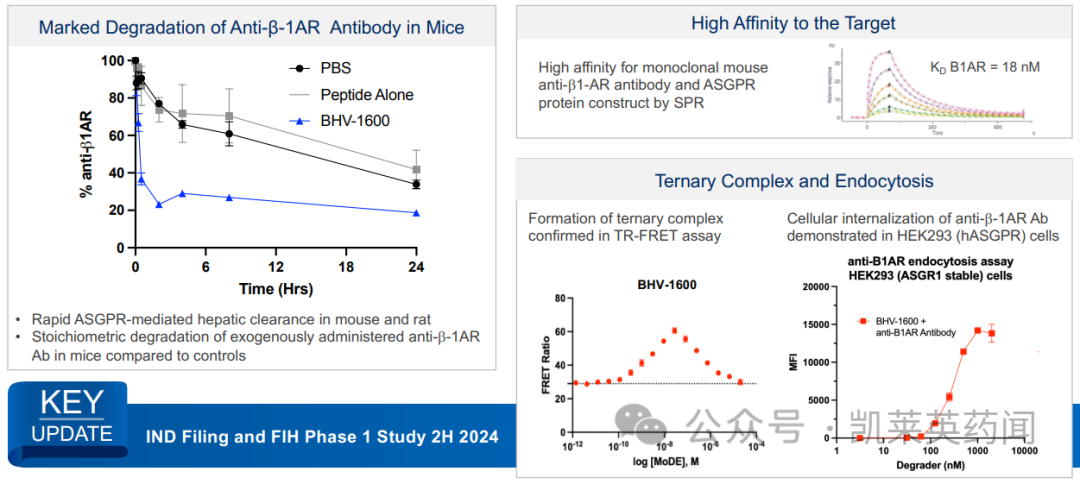
BHV-1600:A New Generation of Targeted β1-AR Degraders for the Treatment of Heart Disease. Studies Show: The drug can ideally degrade β-1AR antibodies both in vitro and in vivo.
BHV-1400:IND application submitted for the treatment of IgA nephropathy.
Part.7
Advancing BHV-1510 and BHV-1500 through the ADC platform
This technology platform is superior to the commonly used maleimide and lipophilic click chemistry in the industry, providing a more stable and consistent drug-to-antibody ratio (DAR) for applications in the field of oncology.
BHV-1510:It is a Trop2-targeted ADC with Best-In-Class potential, capable of exerting synergistic effects when used in combination with anti-PD1.
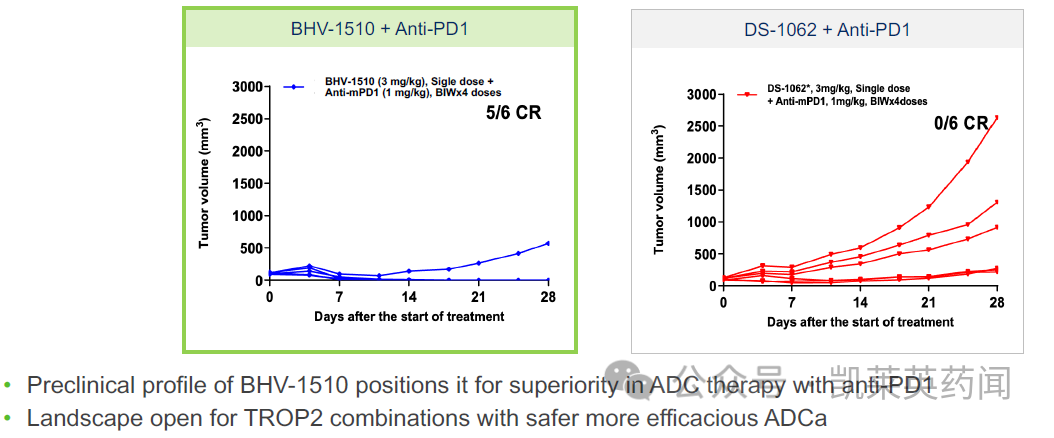
This drug has highly differentiated efficacy and safety, with the potential to expand the treatment scope, prolong treatment duration, and enhance therapeutic effects.
The company plans to initiate the Phase 1 trial of BHV-1510 in the second quarter of 2024.
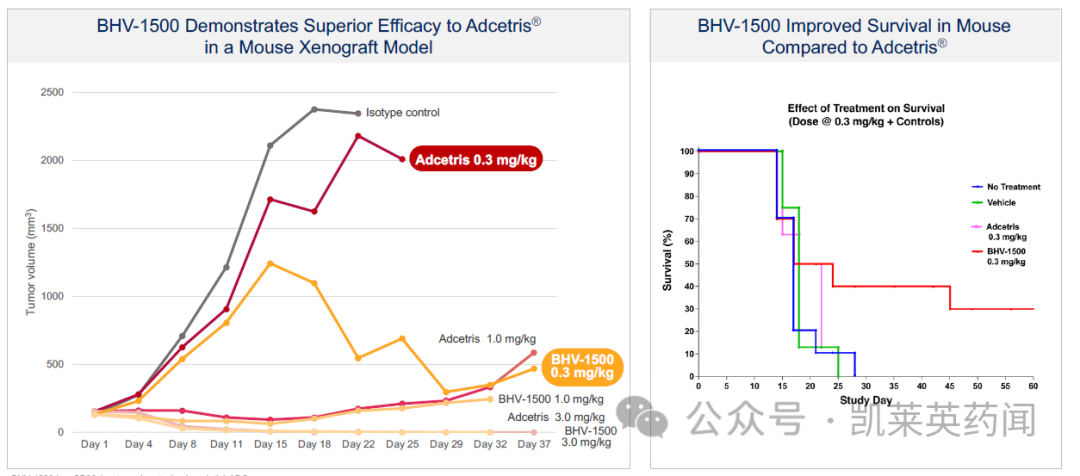
BHV-1500:The company plans to submit the IND application for BHV-1500, a next-generation ADC based on brentuximab, in the second half of 2024.



"Views"Click once