Chronic Disease Medical Device and Therapy Developer

Source: Siyu MedTech; Editor: Liu XinyiReprint Requirements: Please indicate the source of the article at the beginning of the text, and it can be reprinted directly.
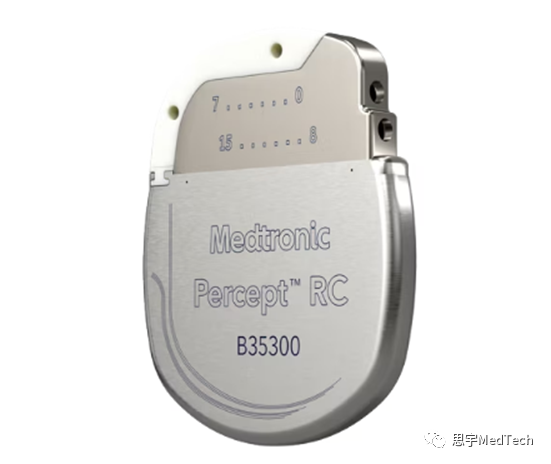
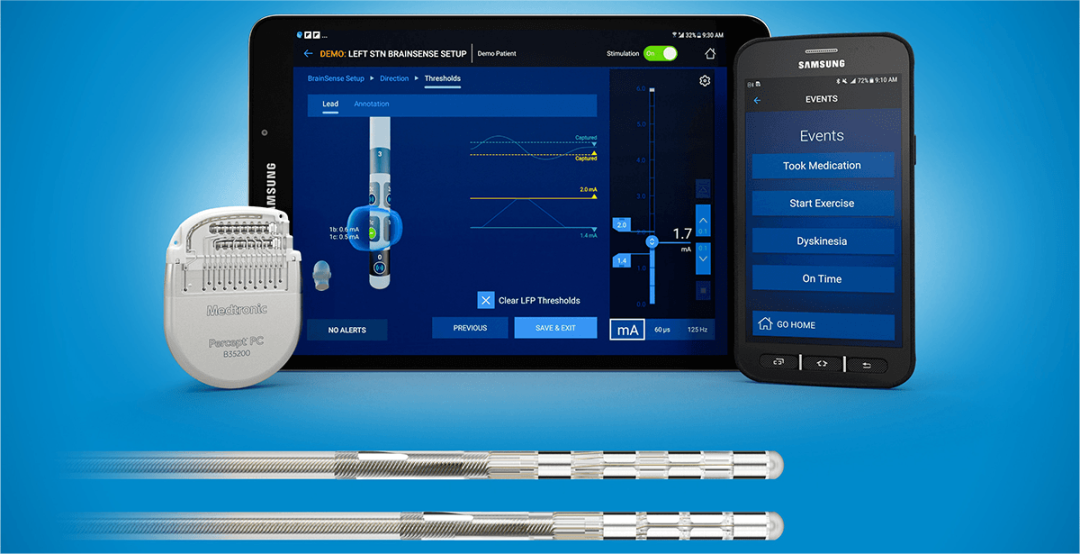
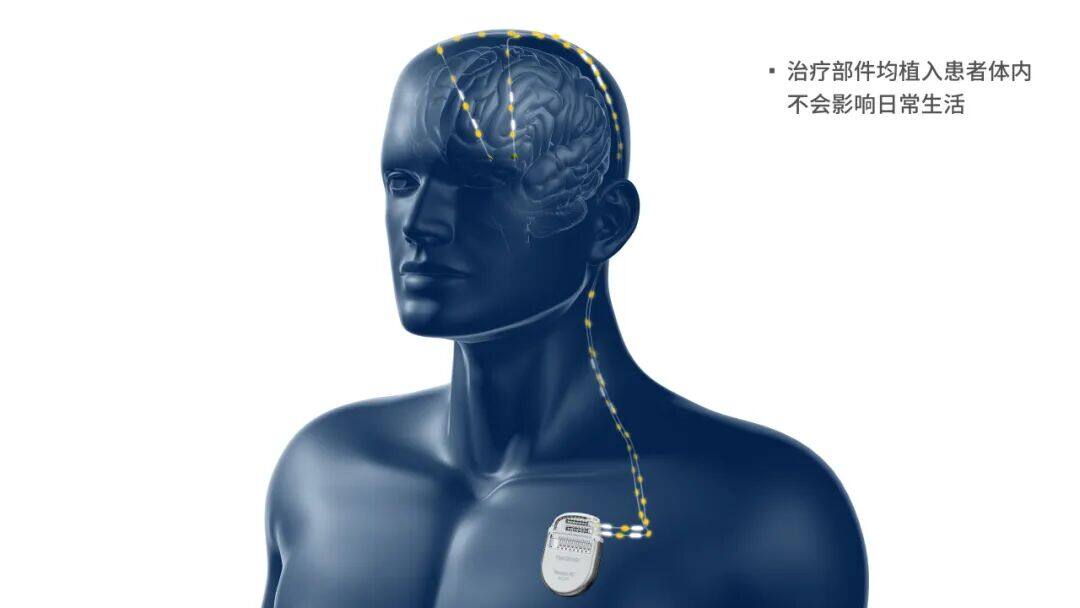
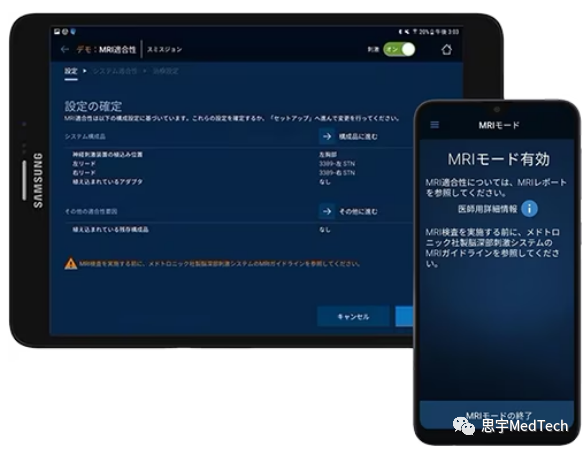
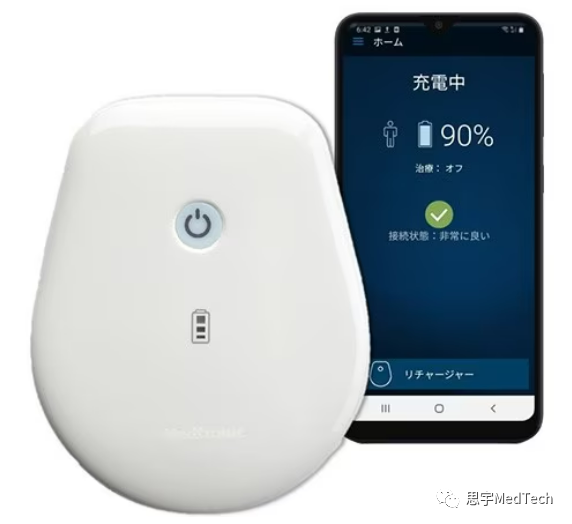
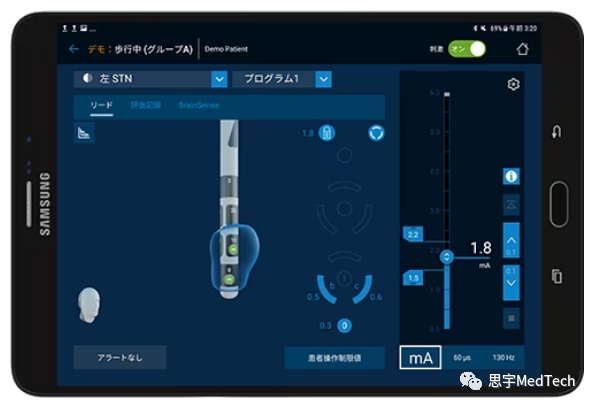
On January 8, 2024, Medtronic (NYSE: MDT) announced that its rechargeable brain stimulator, Percept RC, received FDA approval. # About Percept RCCurrently, in addition to Percept RC, Medtronic's Percept series also includesPercept PC Neurostimulator、BrainSense™ Sensing TechnologyAndSENSIGHT™ Directional Lead。However, this new Percept RC is available on the marketMinimum、Thinnest(DBS devices that can be implanted deeper), while also being equipped withBrainSense™ Sensing Technology, it is the first rechargeable DBS device to adopt this sensing technology.The principle of the product is to assist patients' drug treatment by performing unilateral or bilateral electrical stimulation on deep brain areas (thalamus, subthalamic nucleus, or lymph nodes within the pallidum). The features of the product are as follows:Equipped with BrainSense™ Sensing Technology: Traditional DBS devices often provide one-way stimulation therapy, unable to offer clinicians data support for postoperative adjustment plans, thus preventing the clinical team from customizing treatment based on the patient’s specific condition. In contrast, BrainSense™ sensing technology is the result of over a decade of research by Medtronic's development team. It can collect real-life data from patients (while delivering electrical stimulation to the brain, it can also detect specific brain signals associated with disease symptoms) and analyze them using intelligent algorithms, providing doctors with objective evidence for their treatment strategies, thereby enabling personalized precision treatment for patients.MRI Compatible: This DBS device is the only rechargeable device that does not interfere with MRI scans. Under certain conditions, patients can undergo 3T and 1.5T MRI scans without turning off DBS therapy. Before scanning, patients can use the accompanying software to check MRI compatibility, generate an MRI report, and adjust stimulation settings suitable for MRI examination (stimulation off or bipolar setting).Powerful battery function: The ultra-fast battery technology is adopted, allowing patients to charge the battery from 10% to 90% within one hour under normal conditions. The product can operate continuously for 15 years with weekly charging (with the battery capacity remaining above 99% over 15 years);Multifunctional Programming: OptiStim™ can assign inherent output values to each electrode to achieve the optimal stimulation shape. ShapeLock™ allows for increasing or decreasing stimulation while maintaining the stimulation shape. Additionally, the multi-rate function enables users to select two different stimulation rates, which can separately assign different rates to electrodes in the left and right brain hemispheres or on different electrodes of the same lead.Highly Scalable: The software corresponding to the product can be updated subsequently. # Product IndicationsBefore receiving the FDA's approval, this product had already obtained the EU's CE certification and was launched in Japan. Although the official FDA document has not been released yet, based on Medtronic’s press release and the indications approved for CE certification, it’s not hard to speculate that this DBS device will still be used in the U.S. to treat the following conditions:Parkinson's diseaseParkinson's disease is a degenerative disorder of the central nervous system that commonly affects the elderly population. Typical patients exhibit three main symptoms: tremors (shaking hands), limb rigidity, and slow movement. The exact cause has not been fully elucidated, and there is currently no cure.Essential TremorEssential tremor is a neurological disorder that is easily confused with Parkinson's disease. It commonly occurs in people over 40 and causes involuntary, rhythmic shaking (especially in the hands). The condition generally worsens over time and can be severe in certain populations.Primary DystoniaDystonia is a movement disorder characterized by abnormal movements or postures caused by sustained or intermittent muscle contractions, which often recur and may interfere with a patient’s daily life. Primary dystonia, also known as idiopathic dystonia, is mainly hereditary.EpilepsyEpilepsy is a chronic disease characterized by recurrent seizures, caused by sudden abnormal discharge of neurons in the brain, leading to temporary dysfunction. Patients may experience severe convulsions of varying durations, which can result in physical injuries or even fractures.More than 11 million people in the United States suffer from movement disorders, including approximately 3.4 million with epilepsy. If DBS therapy gains recognition among epilepsy patients, Medtronic won't have to worry about securing another piece of the market. # About MedtronicMedtronic is a global leading medical technology company, founded in 1949, with its headquarters located in Minneapolis, Minnesota, USA. The company mainly focuses on providing lifelong treatment, diagnosis, and monitoring solutions for patients with chronic diseases such as cardiovascular disease, neurology, diabetes, and spinal disorders.On November 21, 2023, Medtronic announced its financial results for the second quarter of fiscal year 2024 (FY24), ended October 27, 2023. The earnings report showed that global revenue for the second quarter was $7.984 billion, a year-over-year increase of 5.3%, with organic growth of 5.0%. The company’s core business demonstrated strong growth, with multiple regions and business segments achieving increases. Revenue from the Cardiovascular portfolio was $2.923 billion, up 5.9% year-over-year; revenue from the Neuroscience portfolio was $2.288 billion, up 4.7%; revenue from the Medical Surgical portfolio was $2.142 billion, up 7.0%; and Diabetes revenue was $610 million, up 9.7%.