Top 10 Medical Device Highlights from JPM24: Strategic Acquisitions, AI Integration, and Next-Gen Product Launches

Boston Scientific
Medical Device Manufacturer

Axonics
Developer of Novel Implantable Neuromodulation Technologies

GE Healthcare
Digital Solution Provider

MIM Software
Medical Imaging Solutions Provider

Medtronic
Chronic Disease Medical Device and Therapy Developer

Cosmo Pharmaceuticals
Gastrointestinal Disease Drug Manufacturer

Illumina
Diagnostic Product Developer

GRAIL
Early Cancer Diagnosis Technology Developer

Abbott
Diagnostic and pharmaceutical product manufacturers

Tandem Diabetes
Developer of Medical Devices for Diabetes Treatment

Dexcom
Blood Glucose Monitoring System Developer

Veracyte
Molecular Diagnostics Testing Company

C2i Genomics
Developer of Personalized Liquid Biopsy Technology

Butterfly Network
Developer of Artificial Intelligence Medical Imaging Equipment

Embecta
Diabetes Management Service Provider

Flagship Biosciences
Technology-Driven Organizational Analysis Service Company

Thermo Fisher Scientific
Biotechnology Product Developer

Samsung Electronics
South Korea's largest electronics manufacturing company

Pioneer in Medical Device Media Reports
Share Professional Medical Device Knowledge
Source:Instrument Family,Reproduction without authorization is prohibited, and reproduction is allowed 24 hours later.
Recently, the 42nd JPM Healthcare Conference (JPM24) officially opened in San Francisco, USA, at the address: HILTON UNION SQUARE CONTINENTAL BALLROOM 3. The conference lasted for 4 days, from January 8 to January 11.

As the largest and most information-rich healthcare investment conference in the industry, the 42nd Annual JMP Healthcare Conference (JPM24) has attracted industry leaders, emerging companies, innovators in technology, and members of the investment community from around the globe.Aimed at building a platform to connect and cooperate with each other, leading the development and investment trends of the global medical and health industry.

The themes of this conference covered digital health, artificial intelligence, deep learning, gene editing and bioengineering, mental health, implant technology, wearable technology, mobile health, telemedicine, quantified self, behavioral science and psychology, funding and finance, startup entrepreneurship, data analysis, preventive care, personalized care, service automation, and collaboration, among others.
Bringing together more than 8,000 investors, industry professionals, senior government officials, and 550 global healthcare companies (from Fortune 100 enterprises to small and emerging private companies) to discuss the latest market trends and innovations in the healthcare field.On-site, the participating industry leaders also announced numerous updates on acquisitions, approvals, and more. In the medical device field, Boston Scientific, GE Healthcare, Medtronic, Abbott, Illumina, Dexcom, Roche, and others disclosed their latest strategies and future development trends.

On the first day of the 42nd JPM Healthcare Annual Meeting (JPM24), Boston Scientific Corporation announced,A final agreement has been reached to acquire Axonics, Inc. (NASDAQ: AXNX), a publicly traded medical technology company and manufacturer of sacral neuromodulation therapies.The acquisition price is $71 per share, with a total equity value of approximately $3.7 billion (equivalent to about 26.5 billion yuan). After subtracting Axonics' approximately $300 million in cash and equivalents, the enterprise's total value is approximately $3.4 billion.

Axonics, Inc. was founded in 2012 and is a developer of novel implantable neuromodulation technologies. The company has developed the world's first rechargeable Sacral Neuromodulation (SNM) device.Conducted its initial public offering in 2018, raising $120 million, and received investment from Legend Capital, a subsidiary of Lenovo Holdings, before the IPO.Ranked first in the Americas' fastest-growing companies in 2022 and second in 2023, according to the Financial Times.
It is worth mentioning that the company is one of Medtronic's main competitors in the field of urinary incontinence, and Axonics therapies treated approximately 100,000 patients with urinary incontinence globally in 2023.Total net revenue for the fiscal year 2023 is expected to be approximately $366.1 million, representing a 34% increase compared to fiscal year 2022. Sacral neuromodulation revenue is expected to be approximately $291.7 million, reflecting a 31% growth compared to fiscal year 2022.

In addition,Boston Scientific's acquisition also includes Axonics' Bulkamid – an FDA-approved hydrogel-based urethral bulking injectable for the treatment of female stress urinary incontinence, a condition estimated to affect 28 million people.In 2021, Axonics acquired Contura for $200 million in a combination of cash and stock, obtaining the product.
GE Healthcare Announces Plan to Acquire MIM Software, a Provider of Artificial Intelligence and Medical Imaging Analysis. The Two Parties Have Reached an Acquisition Agreement, but Specific Financial Terms Have Not Been Disclosed.
However, GE Healthcare revealed that it would use cash on hand to pay for this acquisition. According to the company's previously disclosed financial reports,As of the third fiscal quarter of 2023, the company had free cash flow of $570 million (approximately RMB 4.08 billion). Based on this, it is estimated that the transaction amount will not exceed $570 million.

Data shows that MIM Software, Inc. was founded in 2003, with its headquarters located in Cleveland, USA. The company focuses on providing artificial intelligence-based software, covering various medical fields such as radiation oncology, molecular radiotherapy, diagnostic imaging, and urology. Its products are widely used in imaging centers, hospitals, specialized clinics, and research institutions worldwide.
The portfolio of imaging solutions developed by MIM Software can provide several unique advantages for GE Healthcare. For example, integrating multimodal imaging information into treatment planning; automated tools to help reduce repetitive tasks and manual intervention; providing more quantitative information and advanced applications in imaging diagnosis, contrast/nuclear medicine imaging to assist clinical judgment on treatment efficacy and prognosis; and offering platforms for theranostic imaging and dose management.

GE Healthcare plans to integrate MIM Software's innovative solutions into its advanced visualization products.To promote the application of digital technologies at all stages of disease diagnosis and treatment, including AI-based lesion segmentation and target delineation, as well as dose analysis in radiation therapy, especially in the rapidly growing fields of radiology imaging, nuclear medicine molecular imaging, and radiation oncology.
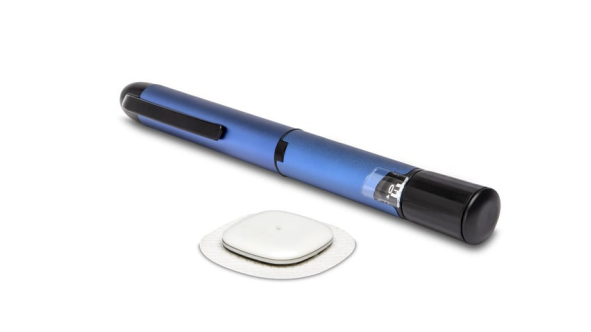
Medtronic stated that it plans to begin offering the combo package to diabetes patients aged 7 years and above in Europe through a limited release starting in spring 2024, with the commercial rollout phase expanding throughout the summer.This combination pack (MiniMed 780G pump and Simplera Sync system) marks the first time that Medtronic's latest automated insulin pump is combined with the latest glucose sensor, functioning as a disposable all-in-one blood glucose sensor. It can be inserted under the skin in less than 10 seconds and eliminates the need for finger pricks.
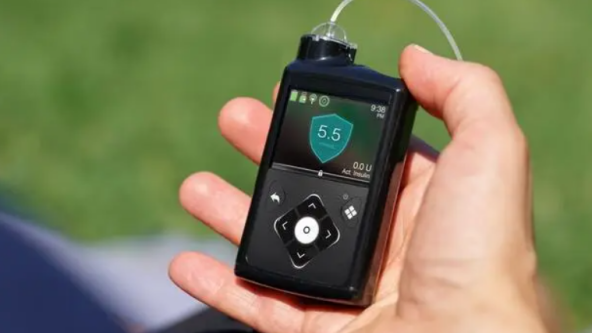
It is reported that the Medtronic MiniMed™ 780G system is the latest HCL insulin pump system, which received EU CE approval in June 2020 for T1DM patients aged 7 to 80 years and can currently be used with Medtronic's Guardian 4 sensor.The continuous glucose monitoring product (CGM) Simplera received the CE mark in September 2023, suitable for individuals aged 2 years and above, including children and adults with Type I and Type II diabetes. The device transmits data to a mobile app via Bluetooth communication.
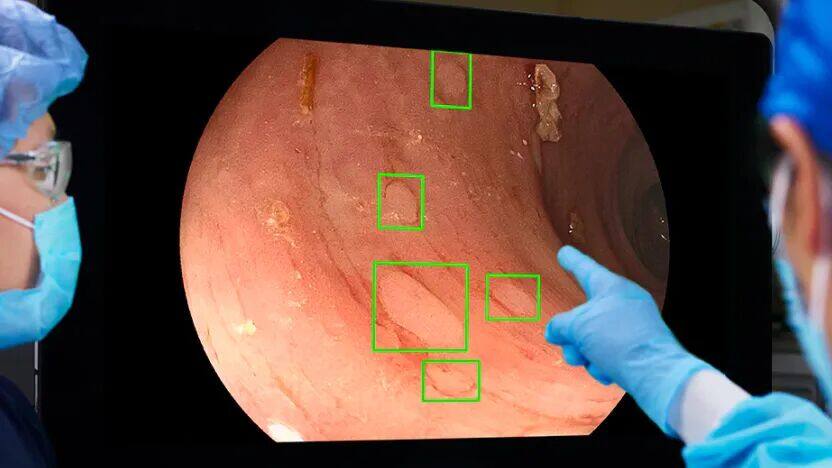
In addition, Medtronic CEO Geoff Martha delivered a speech on artificial intelligence at the 42nd JPM Healthcare Conference (JPM24).It is reported that Medtronic is currently leveraging the power of artificial intelligence for clinical decision support, creating new indications, and providing personalized treatment. One of the company's greatest AI success stories is the GI Genius intelligent endoscopy module.
On December 11, 2023, Medtronic announced that it had reached an agreement with Cosmo Pharmaceuticals ("Cosmo"), an artificial intelligence developer.Further expand the partnership between the two parties in the GI Genius intelligent endoscopy module.
According to the agreement,Medtronic will pay Cosmo Intelligent Medical Devices (IMD), a subsidiary of Cosmo, an initial fee of $100 million, up to $100 million in milestone achievement fees, and double-digit royalties on net sales.
Data shows that Cosmo is a plug-in software development company focused on endoscopy. Its developed GI Genius module was approved by the FDA in April 2021, becoming the first marketed computer-aided polyp detection system. The product's highlight is its ability to detect colorectal polyps and potential cancerous lesions in real-time through AI technology, including lesions that may be missed by the human eye. It was listed by Fortune magazine in the U.S. in the 2022 "Change the World" list.
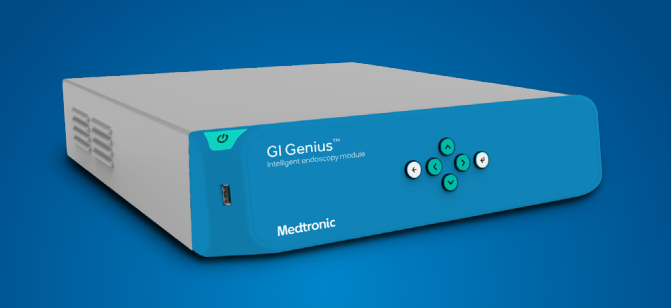
Since its launch, GI Genius has been exclusively distributed by Medtronic.This collaboration aims to ensure that Medtronic continues to enjoy exclusive commercial rights to the product on a global scale, while leveraging the achievements already made by the GI Genius intelligent endoscopy module to complete a series of innovative developments.
Illumina's New CEO Jacob Thaysen Shares Recent Strategic Focus and Development Path at the 42nd JPM Healthcare Conference (JPM24)The unaudited financial figures indicate that the company's core business revenue for the fourth quarter was approximately US$1.09 billion, while the consolidated revenue for the fiscal year 2023 was about US$4.497 billion, representing a 2% decrease compared to fiscal year 2022.
In the preliminary analysis of Q4 earnings, it exceeded Wall Street expectations, following what the company described as the most successful launch of a high-throughput DNA sequencer in its history. The company shipped 79 NovaSeq X instruments in Q4 2023 and 352 during the fiscal year 2023.The shipment of Illumina's sequencing instruments exceeded the initial expectation of 330-340 units. Approximately 20% of the shipments were delivered to new customers entering the high-throughput sequencing market, indicating potential growth in consumables demand later this year. Overall, Illumina shipped over 2,200 sequencing instruments of various types in 2023, with the cumulative installed base now exceeding 25,000 units.

At the same time,Illumina also stated that it plans to finalize a strategy by the end of June to either sell GRAIL to interested buyers or spin it off as an independent company.
It is understood that Illumina and GRAIL jointly announced on September 21, 2020, that they had reached a final acquisition agreement, with Illumina acquiring GRAIL for $8 billion in cash and stock. However, the FTC opposed the acquisition plan in March 2021, and relevant departments began reviewing the transaction. Over the following two years, the acquisition of GRAIL by Illumina encountered continuous setbacks.
Illumina Announces Decision to Divest GRAIL, Terms to Be Finalized by End of Q2 2024
In October 2023, the European Commission gave the company 12 months to resolve the divestiture of Grail, with a possible three-month extension, but required Illumina to ensure that Grail would restart on a solid foundation.
In the case of a standalone listing, this means Illumina must fund Grail for two and a half years. Illumina stated that it has been evaluating potential third parties that could help finance the spin-off, but if Illumina encounters difficulties, it indicated that issuing debt to cover the payment is more likely, while prioritizing its investment-grade credit rating.
On the first day of the 42nd JPM Healthcare Conference (JPM24),Abbott and Tandem announced that the FreeStyle Libre 2 Plus CGM is now compatible with Tandem Diabetes Care's t:slim X2 insulin pump and Control-IQ algorithm.

This collaboration will enable Abbott and Tandem's devices to create a so-called hybrid closed-loop diabetes management system.The FreeStyle Libre 2 Plus sensor collects glucose readings once per minute, wirelessly transmitting this data to Tandem's system for analysis by the Control-IQ algorithm. The algorithm predicts blood glucose changes 30 minutes in advance and automatically adjusts the insulin dosage of the t:slim X2 pump every five minutes as needed.
At the same time, users can view their real-time glucose and insulin data on Tandem's t:connect mobile application and the display screen of the insulin pump itself.
In summary, "artificial pancreas" systems like this one aim to help prevent potentially dangerous spikes and drops in glucose levels while also reducing the burden on individuals to meticulously manage and adjust insulin doses throughout the day. However, they still need to manually input mealtime boluses and are advised to closely monitor their glucose levels.

In addition to its ease of use, the FreeStyle Libre 2 Plus CGM offers a 15-day wear duration, meaning users only need to change the sensor twice a month, ensuring a more convenient and cost-effective experience.To create a closed-loop system, existing t:slim X2 users in the U.S. will be able to install a free software update to make their devices compatible with the FreeStyle Libre 2 Plus sensor. Meanwhile, for new customers, Tandem has stated that it has begun shipping pumps with the update pre-installed.
Dexcom stated at the 42nd JPM Healthcare Conference that 2023 was a landmark year for the company, achieving its first quarterly revenue of $1 billion.The company's sales in the fourth quarter increased by 26% to reach $1.03 billion, exceeding analysts' expectations by approximately $30 million. For the full year, Dexcom expects a year-over-year growth of 24%, with sales of approximately $3.62 billion.

In addition, the company confirmed the previously announced plan for the new sensor to be approved in 2024, extending its blood glucose tracking technology to type 2 diabetes patients not on insulin, and launched the new Steló glucose sensor.Dexcom stated that this wearable device has recently been submitted to the FDA for review and is expected to begin commercial promotion in the United States after receiving approval in the summer of 2024.
Stelo is designed to be worn for 15 days, longer than the company's flagship G6 and G7 sensors, which made their commercial debut last year. Stelo will be more "health-focused" and rely on customized software that does not offer the same alerts and features for users who need to carefully calculate insulin doses to manage their Type 1 or Type 2 diabetes. The device will also launch as a cash-pay product, with users paying out-of-pocket.

For 2024, Dexcom stated that quarters with billions of dollars in revenue would become the norm: relying on continuous international market expansion (including through Stelo), the company's financial outlook anticipates sales growth between 16% and 21% this year, with annual revenue expected to reach between $4.15 billion and $4.35 billion. The company is scheduled to release its full 2023 financial results on February 8.
Veracyte is a global diagnostics company that provides clinicians with the high-value insights they need to guide and assure patients at critical junctures in cancer diagnosis and treatment. To expand the reach of its cancer diagnostics portfolio,It announced at the 42nd JPM Healthcare Conference (JPM24) that it has taken action to acquire C2i Genomics, a manufacturer of tests for detecting minimal residual disease (MRD) left after cancer treatment.
To add whole-genome MRD functionality to its novel diagnostic platform and enable Veracyte to expand its offerings in the continuum of cancer care. According to the terms of the agreement,Veracyte will pay $70 million worth of its own shares as an upfront payment to C2i at the closing of the transaction, and may pay up to an additional $25 million over the next two years based on the achievement of future performance milestones, at Veracyte's option in either Veracyte stock or cash, for a total of approximately $95 million.
By acquiring C2i Genomics, Veracyte will integrate its diagnostic and prognostic testing portfolio to provide further services to physicians and their patients across the cancer care continuum. Compared to custom panels, C2i Genomics' whole-genome, AI-driven approach can generate a broad range of features from blood samples faster and more efficiently.
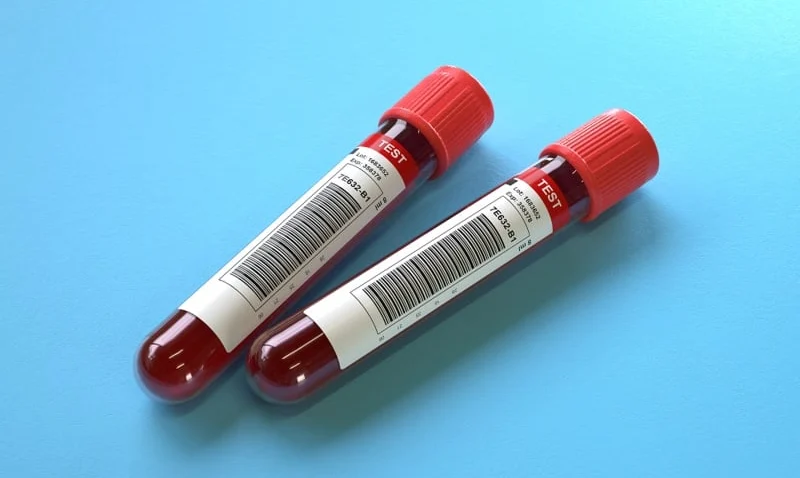
The company's MRD solution requires less than one tube of blood (as low as 3-4 milliliters of blood or 1-2 milliliters of plasma), delivers results in just two weeks from sample to report, and demonstrates superior performance compared to imaging and other molecular tests. Veracyte believes that this capability, combined with its own prognostic and diagnostic tests, will enable physicians to track tumor progression from early diagnosis through patient treatment and follow-up.
Veracyte's first application of C2i Genomics' technology will be for the MRD test in muscle-invasive bladder cancer. The company plans to leverage its robust urology commercial channel and a clear path to anticipated reimbursement. Veracyte intends to develop further MRD tests across several of its key indications.
Veracyte expects the upfront acquisition price to be subject to customary balance sheet adjustments, with the transaction expected to close in the first quarter of 2024.Morgan Stanley & Co. LLC served as the financial advisor to Veracyte, and Fenwick & West LLP served as the legal advisor. Perella Weinberg Partners served as the financial advisor to C2i Genomics, and Meitar served as the legal advisor.
Butterfly Network, a developer of handheld ultrasound devices, announced that its next-generation handheld point-of-care ultrasound (POCUS) system, the Butterfly iQ3, has received FDA approval.This new device is the third iteration of the company’s global first semiconductor-based single-probe whole-body ultrasound system. The Butterfly iQ3, with a brand-new ergonomic design, will offer double the data processing speed to optimize image resolution, sensitivity, and penetration, as well as faster 3D capabilities, powering novel automatic image capture modes: iQ Slice and iQ Fan.

"Butterfly iQ3 is a turning point for digital ultrasound. Butterfly commercialized the world's first fully digital handheld ultrasound in 2018, followed by the commercialization of iQ+ in 2020, sparking an ultrasound revolution," said Joseph DeVivo, President, CEO, and Chairman of Butterfly Network. "Since then, more than 145,000 customers have recognized the value of our chip-based ultrasound. With iQ3, the revolution has truly begun. Doctors across all disciplines now rate our overall image quality as at least comparable to traditional piezo-electric handheld devices, while our new digital capabilities are designed to make ultrasound more accessible and approachable than ever before."
Embecta Corp.Announced the submission of a patch-based, disposable insulin delivery system for FDA review, specifically designed for patients with type 2 diabetes.The company also stated that it plans to develop the pump into a closed-loop version equipped with an insulin delivery algorithm for future submission to the FDA.

Embecta Chief Technology Officer Colleen Riley said, "This patch pump is suitable for people who need insulin to manage diabetes and provides information based on the unique needs of individuals with type 2 diabetes and their healthcare providers. We are working with them to meet the needs of those who may require more daily insulin and are looking for a simplified and convenient automated insulin delivery option that offers the ease of use and discretion of a patch pump, along with a larger 300U insulin reservoir."
Data shows that Embecta Corp., spun off from BD in 2022, is one of the largest pure diabetes management companies in the world.It is dedicated to leveraging 100 years of expertise in insulin delivery, enabling people with diabetes to live their best lives through innovative solutions, partnerships, and the passion of more than 2,000 employees worldwide.
Flagship Biosciences announced the launch of another advanced technology-focused initiative on the first day of the 42nd JPM Healthcare Conference (JPM24).The program builds on the expanded partnership with Thermo Fisher Scientific that the flagship company announced in late November.

Although Thermo Fisher Scientific has long provided hardware and research services to life science startups in Flagship's portfolio, both parties stated at the time that they will now join forces to launch entirely new startups, focusing on developing "new tools and capabilities aimed at powering the biotech ecosystem and accelerating the development of first-class therapies."In addition, the new collaboration with Samsung will also provide momentum for the enabling technology projects, representing another expansion of the existing partnership.
In the latest collaboration, Samsung C&T (the global subsidiary of this manufacturing giant) will provide technical tools to Flagship’s portfolio companies to help accelerate the creation of new therapies.This technical support will cover artificial intelligence, translational medicine, "high-quality clinical samples," and Samsung's existing clinical trial infrastructure. Samsung will also invest in flagship-incubated startups.Flagship Biosciences stated that the partnerships with Thermo Fisher Scientific and Samsung Electronics will become the "foundation" of this new technology-focused functional plan, which will cover its entire list of life science companies.
More exciting content
Welcome to follow WeChat Video Channel


$4.2 Billion: Boston Scientific Acquires "Competitor of Medtronic"
No More Than 4 Billion, GE Healthcare Acquires This Medical Device Company
Baidu Invests, "China's Zeiss" Plans IPO
"Da Vinci Terminator" Partners with Flex
Just now, FDA announced: 10 million AEDs shortage
RMB 485 Million: United Imaging Healthcare's Major Move
Ministry of Education Issues Document: "Medical Device" Major is Here
This Medical Device Company Announces Major Acquisition
Over 600 Million: Dental Instrument Giant's New Layout
Chinese ECMO Leader Secures Over 100 Million Yuan in Financing


BusinessBusiness cooperation email: qxzj@landianyiliao.com