Comprehensive Overview: Profiles and Pipeline Highlights of 30+ Domestic Small Nucleic Acid Therapeutics Companies
Argo
RNAi Drug Developer
Ribo Life Science
Small Nucleic Acid Drug Developer

On January 7, Argo Biopharma announced that it had entered into two exclusive license cooperation agreements with Novartis for RNAi therapies, with a potential total value of up to $4.165 billion.
On January 3, Ribo Life Science and its international R&D center announced a collaboration agreement with Boehringer Ingelheim to jointly develop innovative small nucleic acid therapies for the treatment of non-alcoholic or metabolic dysfunction-associated steatohepatitis (NASH/MASH), with potential...Total transaction amount exceeds 2 billion US dollars。
At the beginning of 2024, domestically producedSmall nucleic acid drugs usher in two major outbound deals,Taking this opportunity, we have compiled a list of 30 small nucleic acid enterprises in China.
01
Small Nucleic Acid Drugs (Oligonucleotide Drugs, Oligonucleotide)Oligonucleotide sequences with a length of less than 30nt can bind to the RNA of target molecules to regulate translation, thereby achieving therapeutic effects.
According to the differences in small nucleic acid structure, drug mechanism, and target of action,The types of small nucleic acid drugs are mainly divided into 5 categories, includingAntisense oligonucleotides (ASO), small interfering RNA (siRNA), microRNA (miRNA), aptamers (Aptamer), and CpG oligonucleotides (CpG oligonucleotides)。
ASO and siRNAIs currently the most researched type of small nucleic acid drug.
In terms of market size, according to statistics from Frost & Sullivan, the global market size for small nucleic acid drugs has grown from US$10 million in 2016 to US$3.25 billion in 2021, with an annual compound growth rate as high as 217.8%.It is estimated that global sales of small nucleic acid drugs will exceed 10 billion US dollars by 2025.
02
A Surge of Small Nucleic Acid Startups in China
It is precisely because of the huge market prospects that many small nucleic acid drug companies have been established in China, mainly distributed in the Yangtze River Delta and the Pearl River Delta. According to the statistics and梳理of the entire network, we have compiled a list of 30 small nucleic acid enterprises under research. If there are any omissions, please补充.。
 Figure 1. Overview of Small Nucleic Acid Enterprises in China
Ribo Life Science and Sirnaomics were among the first batch of small nucleic acid enterprises, both established in 2007, located in Suzhou and Guangzhou respectively.Sirnaomics went public on the Hong Kong Stock Exchange on December 30, 2021, becoming the first RNA therapeutics stock in China.
Early small nucleic acid drugs faced development challenges due to disadvantages such as susceptibility to nuclease degradation, high renal clearance, and significant off-target effects.UntilLNP, GalNac delivery systems, and chemical modification technologies, etc.Now, the small nucleic acid drug field is once again experiencing vigorous development,80% of the small nucleic acid drugs approved for marketing worldwide were approved after 2016.
It is precisely with the breakthroughs in these technologies and the launch of new small nucleic acid drugs that have given investors great confidence, leading to a surge in the establishment of small nucleic acid startups in China.In 2021, the establishment of small nucleic acid companies in China reached 10.Including Aima Biotech, Hengjia, Sihe Gene, Argo, Shengyin Biotech, Spark Therapeutics, Weizhe Moli, Ouli Biotech, Cargene, and Daren Biotech.
03
Chinese Production Under ResearchRepresentativenessSmall Nucleic Acid Drugs
According to incomplete statistics, as of now, 17 small nucleic acid drugs have been approved for marketing globally (including those that have been withdrawn), most of which are from Ionis, Alnylam, and Sarepta. Due to technical barriers, those produced in China...Small nucleic acid drugs started relatively late.,Not yet produced in ChinaSmall nucleic acid drugs have been approved for marketing, but with the breakthroughs in chemical modification and delivery technology,Made in ChinaSmall Nucleic Acid Drugsis also in vigorous development(Figure 2)。
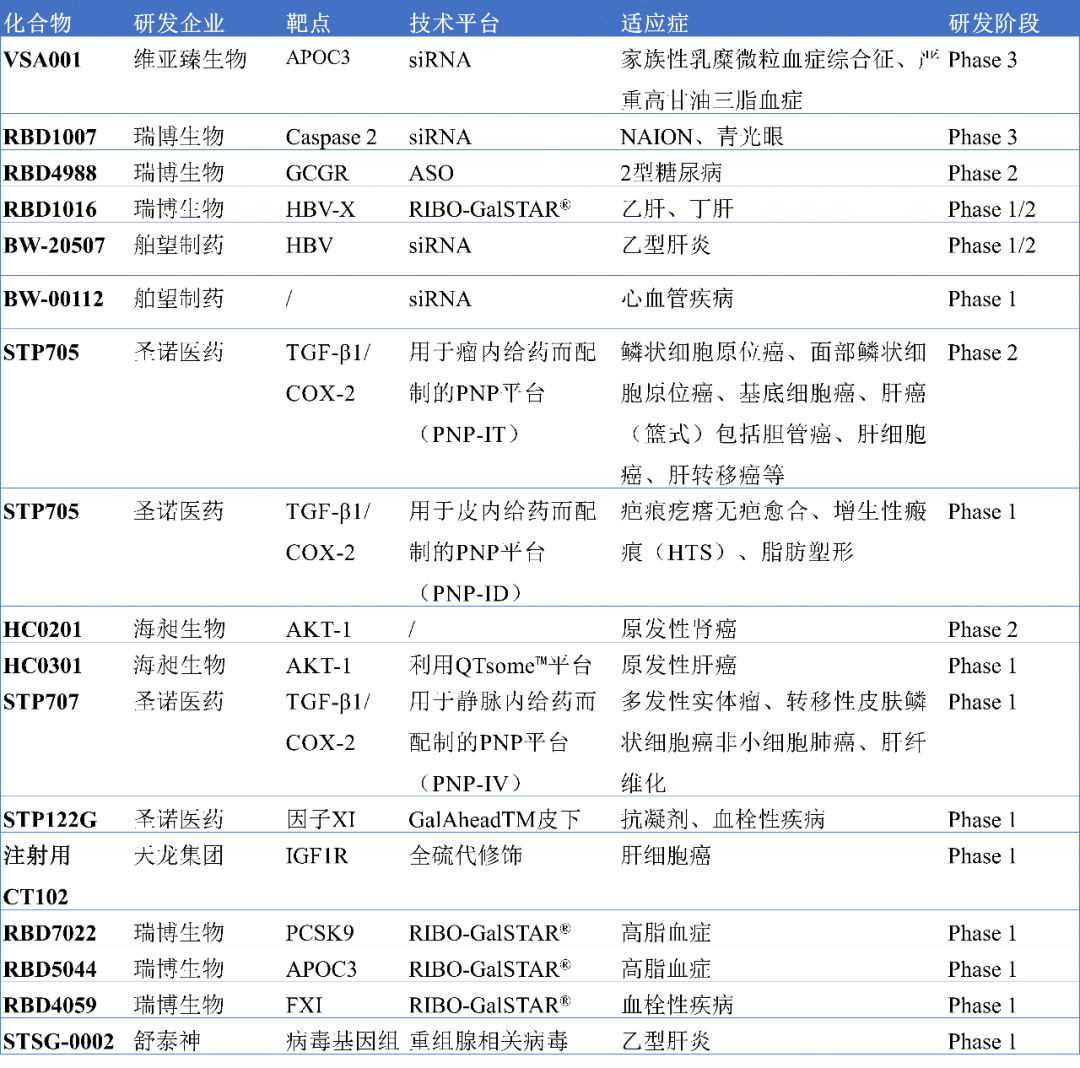 Figure 2. Some domestically produced small nucleic acid drugs under research
Representative Drugs
①VSA001(Viya ZhenRibo Life Science
VSA001It was developed by ViaGen Bio as a targeted apolipoprotein.C-Ⅲ(APOC3)mRNAThesiRNADrug, mainly used for the treatment of familial chylomicronemia syndrome (FCS)and severe hypertriglyceridemia (HTG)。
FCS is a rare genetic disorder.Caused by impaired lipoprotein lipase (LPL) function, while APOC3 can inhibit LPL and regulate plasma serum triglyceride (TG) levels., a key regulator of TG, is primarily synthesized in the liver.
Therefore, throughsiRNADrug ReductionAPOC3Protein Expression, EnhancedLPLFunction, can treatFCSDisease.
Moreover, patients with FCS may experience severe hypertriglyceridemia (HTG) and an elevated risk of TG-induced pancreatitis.
Therefore, Viya Zhen Bio is also conducting a global multicenter VSA001 trial for the treatment of severe hypertriglyceridemia in clinical settings, focusing on two main indications related to dyslipidemia: sHTG (severe hypertriglyceridemia) and ASCVD CVOT (mixed dyslipidemia).
The Phase 3 clinical trial of VSA001 in Chinese adult FCS patients has completed the first patient dosing in July 2023 and is currently proceeding smoothly.。
Subsequently, on September 18, 2023,VSA001 Included in the CDE Breakthrough Therapy Drug List, its research and development and evaluation speed will be further accelerated, and it is expected to become the first effective approved drug for FCS.
ViyaGen Bio is a company founded in2022Year's small nucleic acid drug therapy company, and with internationally leading small nucleic acid drug enterprisesArrowhead PharmaceuticalsEstablish a strategic partnership.
BesidesVSA001, Viya Zhen Bio also has treatments for homozygous familial hypercholesterolemiaVSA003And the treatment of non-alcoholic steatohepatitisVSA006, among whichVSA006 In2023Year9Month ObtainedCDE Clinical Trial Implied Permission (Fig.3)。
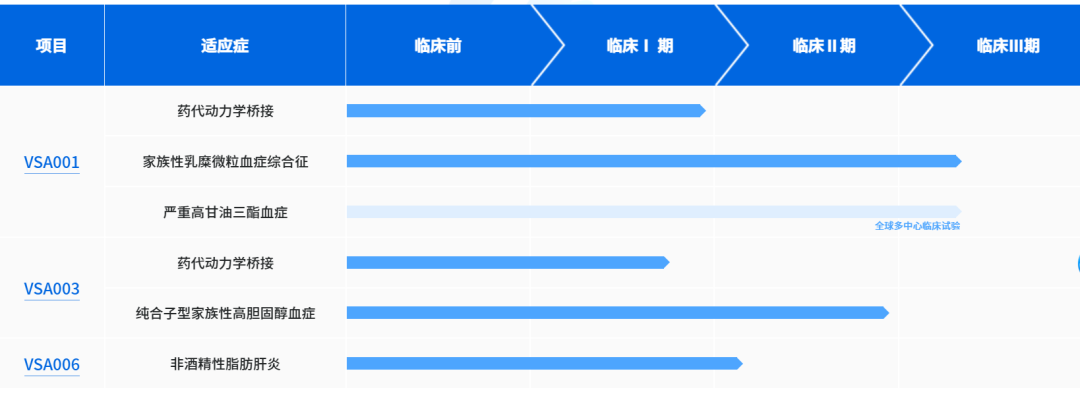 Figure 3. ViyaBio's R&D Pipeline (Official Website)
②RBD1007(Ribo Life Science)
RBD1007 is a product developed by Ribo Life Science.siRNA Drug Targeting Caspases 2 for Optic Nerve Protection,By suppressing the expression of target genes through RNAi, the apoptosis of retinal ganglion cells (RGC) and subsequent neuroaxonal degeneration are prevented, thereby stopping further deterioration of visual acuity and visual field, achieving the therapeutic effect of vision protection.
Ribo Life Science was founded in2007Year, a company focused on innovative small nucleic acid technologies and the research and development of small nucleic acid drugs.
Ribo Life Science has independently developedHighly Efficient and Long-Acting Small Nucleic Acid Drug Delivery Technology RIBO-GalSTAR® Liver-Targeted Delivery Technology, Through independent innovation and international cooperation, has developed a rich pipeline of small nucleic acid drug R&D, covering disease areas including infectious diseases, metabolic diseases, hematological diseases, rare diseases, and ophthalmic diseases (Figure 4).
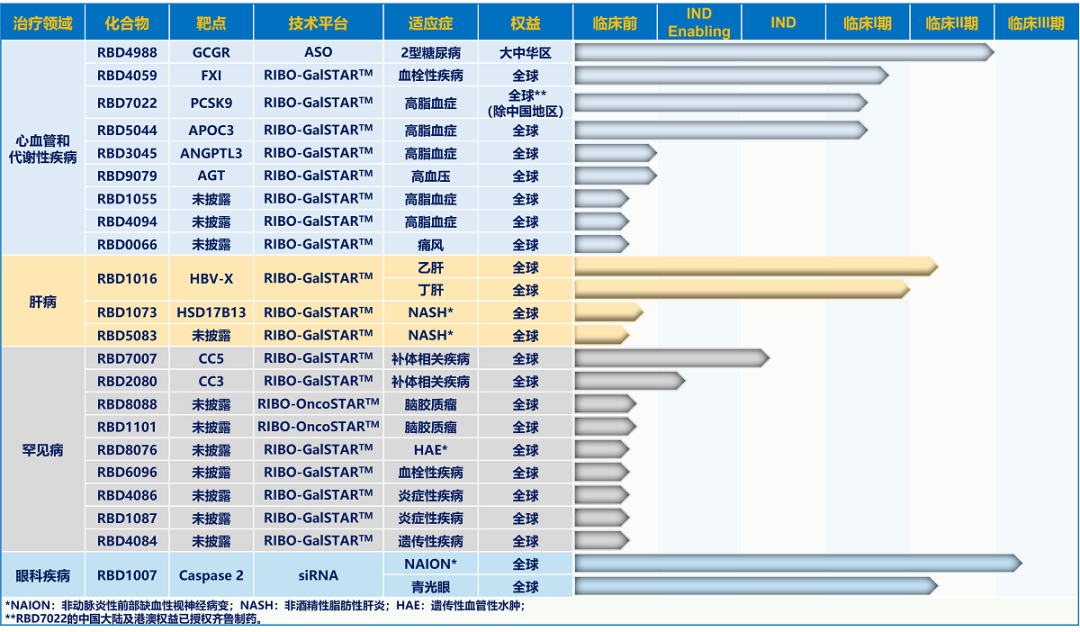 Figure 4. Ribo Life Science Product Pipeline (Official Website)
RBD1007The first clinical indication developed is non-arteritic anterior ischemic optic neuropathy (NAION), for which there is currently no standard clinical treatment.RBD1007 is expected to become the First-In-Class optic nerve protective drug [2].
Currently, one Phase I clinical study and one international multicenter Phase II/III clinical study (including 34 subjects from China) have been completed globally.The results of clinical trial data analysis support the initiation of a Phase III confirmatory clinical study in the NAION subgroup patient population with significant unmet clinical needs.
③RBD1016(Ribo Life Science)
RBD1016The injection solution is developed by Ribo Life Science.N-N-Acetylgalactosamine(GalNAc)Development of delivery technology targeting hepatitis B virus (HBV)siRNADrug for the treatment of chronic hepatitis B.
2023YearEASLRibo Life Science Announced at the ConferenceRBD1016Latest Research Data:0.3 mg/kgSingle Dose Group12Zhou SerumHBsAgThe largest average decrease is0.48 log10 IU/mL,1 mg/kgSingle-Dose Group12Weekly average decline0.75 log10 IU/mL,3 mg/kgSingle-dose Group16Weekly average decline0.97 log10 IU/mL,3 mg/kgMulti-Dose Group12Weekly average decline1.26 log10 IU/mL, placebo group is0.00 log10 IU/mL(Figure5)。
These reductions in HBsAg remained stable at week 24. All participants receiving 1 or 3 mg/kg of RBD1016 experienced at least a 0.5 log reduction in HBsAg.[3]。
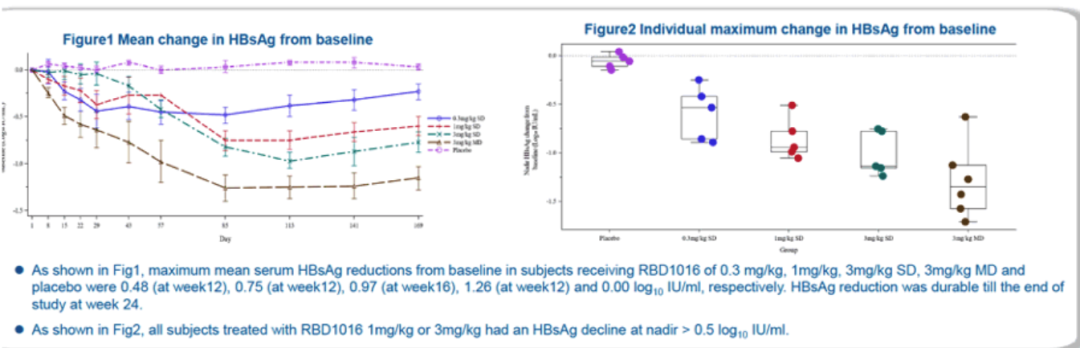 Figure 5. Changes in HBsAg Levels
The greatest mean reduction in HBV RNA was observed in the 3 mg/kg single-dose group and the multi-dose group.At weeks 6 and 12, patients in the multi-dose group receiving 3 mg/kg treatment showed the highest average decline in HBV RNA, with a reduction of 1.28 log10 copies/mL. The greatest average decrease in hepatitis B core-related antigen (HBcrAg), which reflects covalently closed circular DNA (cccDNA) [3], was observed in the 3 mg/kg multi-dose group (0.62 log10 IU/mL at week 12) (Figure 6).
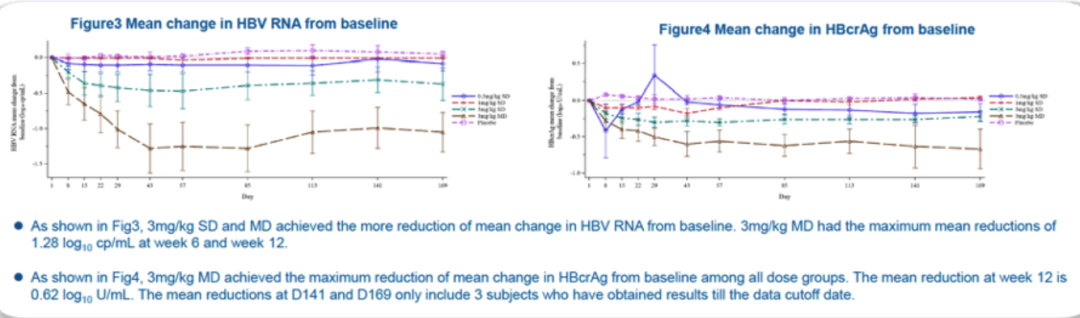 Figure 6. Changes in HBV RNA and HBcrAg Levels
④RBD4988(Ribo Life Science)
RBD4988ByIonisDevelopment of targeted action on glucagon receptor (GCGR)mRNA TheASOThe drug exerts its hypoglycemic effect through a dual mechanism of action, reducing hepatic glucose production while simultaneously increasingGLP-1Pancreatic protective function.
Ribo Life Science obtained the development and commercialization rights in Greater China in 2017, and in February 2022,Ribo Life Science AnnouncesRBD4988The two Phase II clinical trials of the injection solution have been successfully completed as planned.
The research results show:RBD4988The treatment group significantly reduced HbA1c levels compared to the placebo group, achieving the primary endpoint of the study.And it does not increase the incidence of hypoglycemic events or severe hypoglycemic events. Particularly when metformin is used as a background medication, this drug demonstrates a stronger clinically significant ability to reduce HbA1c. The PK characteristics are similar to those observed in earlier clinical trials of the drug. Aside from reversible, mild elevations in liver enzymes observed in some subjects, the drug showed good safety and tolerability [4].
⑤BW-20507(Argo)
BW-20507 isArgo's self-developed siRNA drug targeting HBV, which is currently in Phase I/II clinical trials in Hong Kong, China, Australia, and Thailand to evaluate the safety, tolerability, pharmacokinetics, and efficacy in healthy subjects and patients with chronic hepatitis B.
Argo was founded in2021Year4Month, Focus onsiRNAAs mentioned at the beginning, the development of drugs has led to Argo Biopharma being favored by Novartis less than three years after its establishment, with a total transaction amount reaching40Olive branch worth more than a billion dollars.
ArgoDeveloped the industry-leading RNAi platform technology RADS with superior activity, duration, and safety., with多年专业经验 in the entire process of RNAi drug development, including nucleic acid sequence design, chemical modification, GalNAc delivery technology, extrahepatic delivery technology, oligonucleotide synthesis, and CMC, after the establishment of the companyCompleted multiple rounds of financing, with a cumulative amount of up to 730 million RMB.。
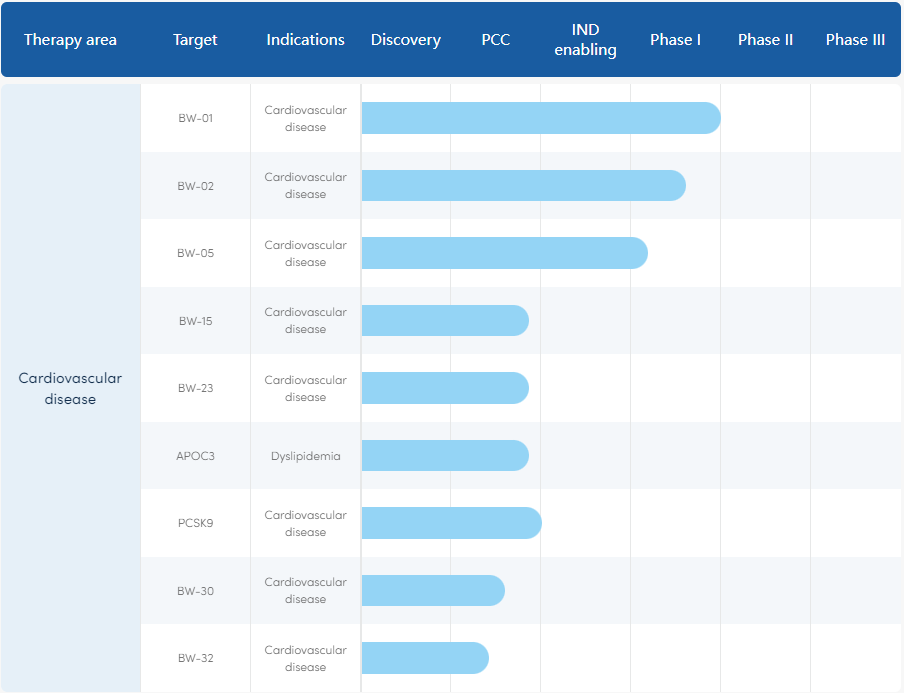
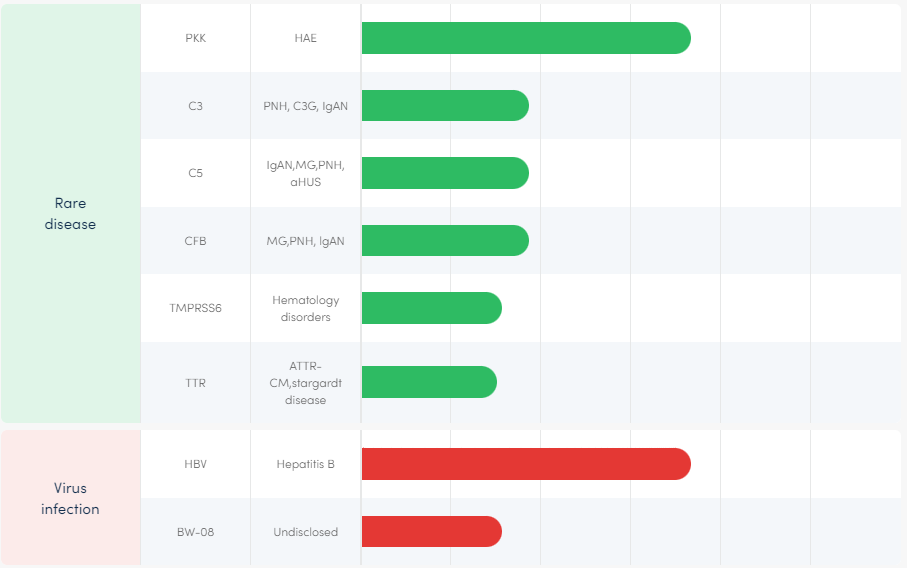
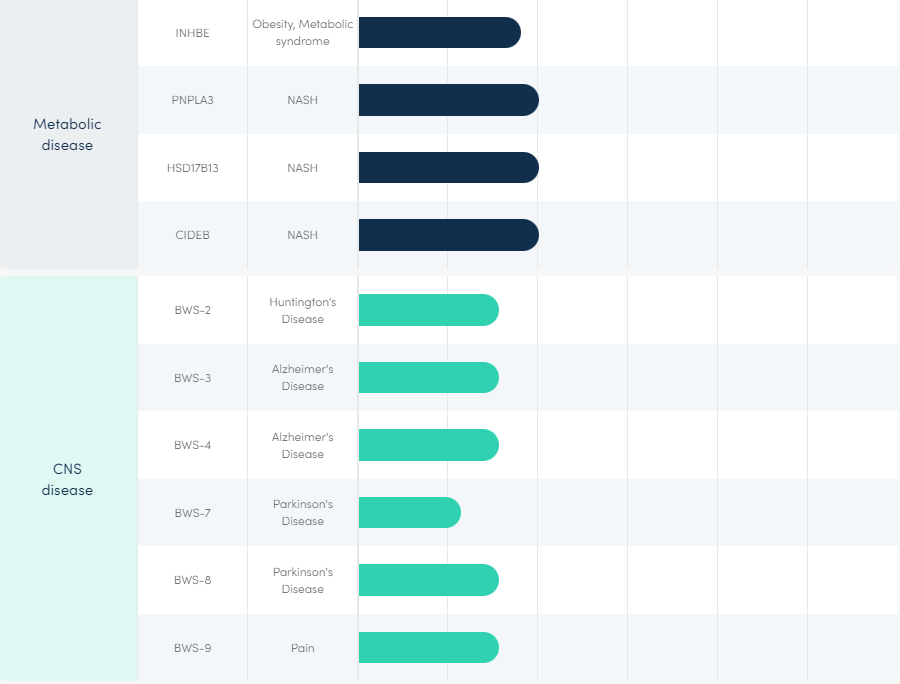 Figure 7. Argo Biopharma R&D Pipeline (Official Website)
⑥BRII-835(Brii Biosciences)
Hepatitis B remains a leading cause of death and disease worldwide. Universal childhood immunization programs have been highly successful, but many adults remain unprotected or not optimally protected.
BRII-835 isVir BiotechnologyDeveloped in collaboration with Alnylam PharmaceuticalsSubcutaneous Injection of siRNA Drug Targeting HBV, which is expected to stimulate an effective immune response and has direct anti-HBV viral activity.
Brii Biosciences obtained the rights to develop and commercialize BRII-835 in Greater China from Vir in 2020 and is currently in Phase II clinical trials.Development Stage.
February 2023,Terns Pharmaceuticals announced interim results from a Phase 2 study, which found that the combination therapy of BRII-835 and BRII-179 (a novel recombinant protein-based HBV immunotherapy candidate) was safe and well-tolerated. Compared to using BRII-835 or BRII-179 alone, the combination therapy induced a stronger anti-HBsAg antibody response and improved HBsAg-specific T-cell responses (Figure 8) [5].
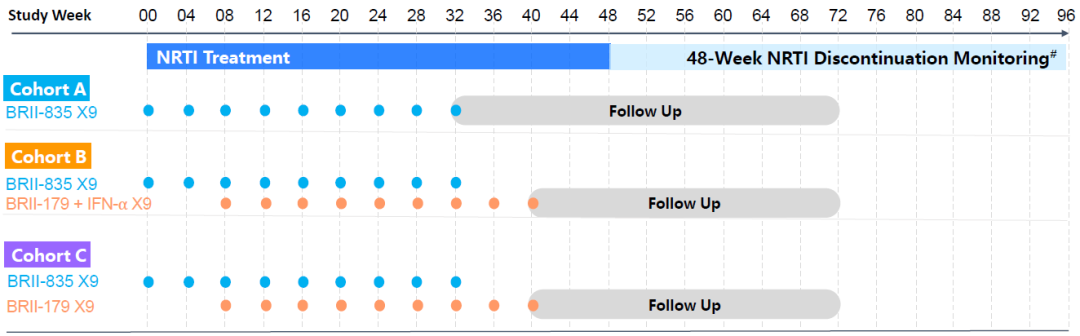 Figure 8. Combination therapy with BRII-835 and BRII-179 shows better efficacy
In addition, Brii Biosciences has many R&D pipelines, including BRII-179 and BRII-837 for the treatment of hepatitis B, as well as BRII-296 for postpartum depression, etc. (Figure 9).
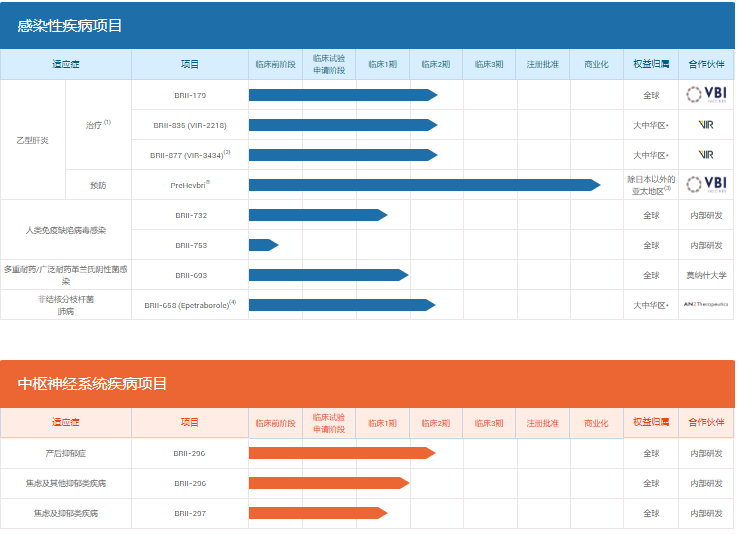 Figure 9. Brii Biosciences' R&D Pipeline (Official Website)
⑦STP705(Sirnaomics)
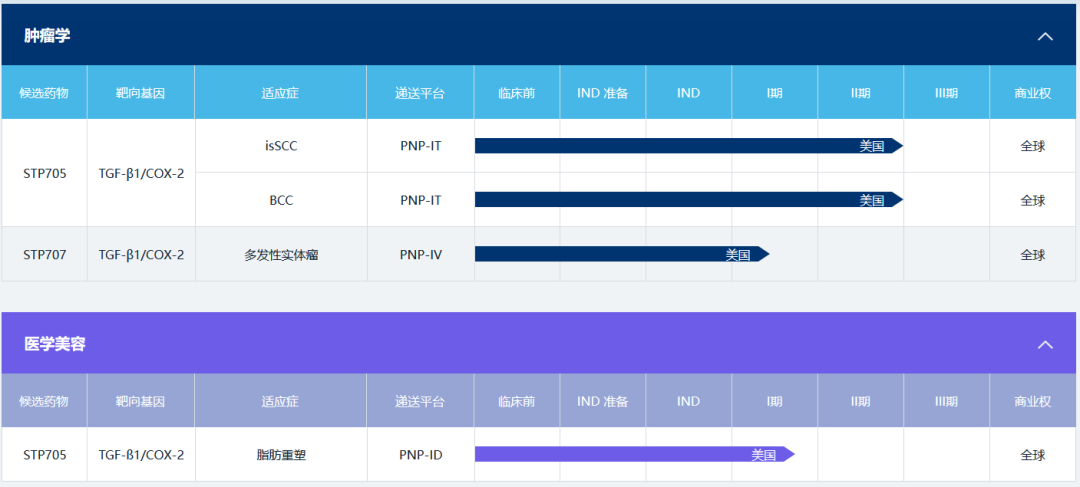
STP705It is a product developed by Sirnaomics.siRNA(small interfering RNA) therapy, consists of twosiRNAComposed of oligonucleotidesTGF-β1/COX-2Dual-target inhibitor.
Sirnaomics has developed two forms of administration, including intratumoral injection (PNP-IT) and intradermal administration (PNP-ID) Two forms, intratumoral administration for the treatment of squamous cell carcinoma in situ, facial squamous cell carcinoma in situ, basal cell carcinoma, liver cancer (basket) including cholangiocarcinoma, hepatocellular carcinoma, liver metastatic cancer, etc., and intradermal administration for scarless healing of keloids, hypertrophic scars (HTS) and fat shaping, etc.
In August 2022, Sirnaomics announced that STP705 had entered Phase II clinical trials for the treatment of basal cell carcinoma (BCC).The cohort receiving a dose of 180μg achieved 100% complete clearance (CR), indicating that the therapy has good feasibility.。
2022Year12Month, Sirnaomics announced ongoingSTP705For the treatment of in situ squamous cell carcinoma of the skin(isSCC)TheⅡbMid-term clinical data from the first phase of the period.
The interim data results show that, in32Name UsageSTP705Among the patients receiving the therapy, the majority(78%)Reached the primary endpoint (complete histological clearance of tumor cells). Among the three cohort groups, the optimal effect group achieved89%Reach the primary endpoint[6]。
On June 5, 2023, Sirnaomics announced the interim data from the Phase I clinical trial of STP705 for medical aesthetic treatment of adult abdominal fat reduction.Preliminary Data from this Phase I Clinical Trial Show that STP705 is Safe and Highly Effective in Reducing Excess Fat[7]。
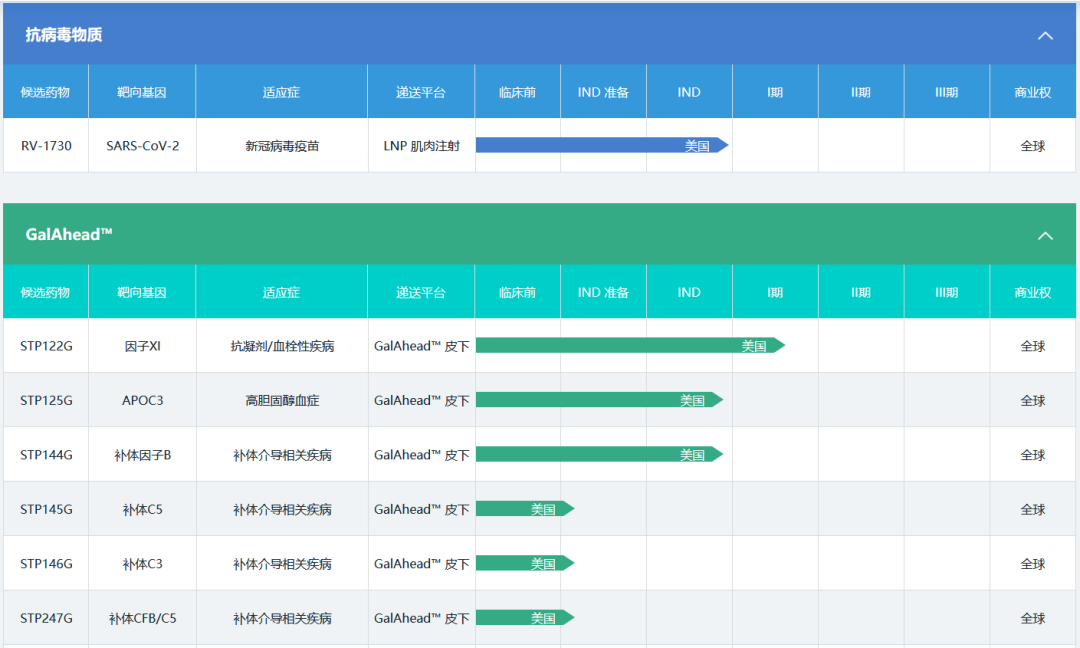
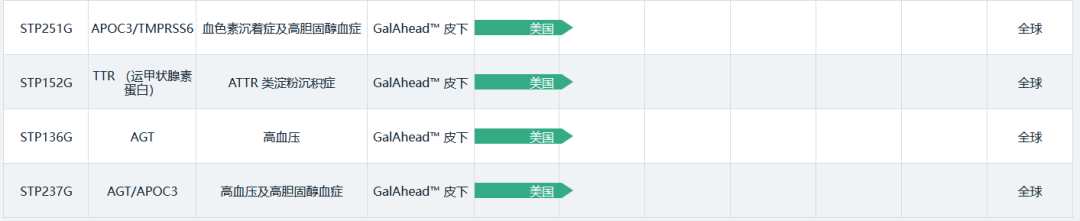
⑧RBD7022(Ribo Life Science)
RBD7022 (SR043) is developed by Ribo Life Science based on its proprietary RIBO-GalSTAR technology.TMThe siRNA drug targeting PCSK9 developed by the platform,It is also the first domestically produced PCSK9 siRNA drug to enter clinical trials in China, and was approved by the NMPA on September 19, 2022, to conduct its first human clinical trial in China for the treatment of hyperlipidemia.。
PCSK9Can bind to low-density lipoprotein receptors (LDL receptors) on the cell surface.LDLR) Combining to transport it to the lysosome for degradationLDLR, thereby making the plasmaLDL-CLevels cannot be degraded due to receptor deficiency, leading to plasmaLDL-CElevated levels, inhibitionPCSK9The function can reduce plasmaLDL-CLevel, thereforePCSK9Become a new generation of lipid-lowering star target.
As of now, there are four approved PCSK9 inhibitor drugs available globally, among which Novartis' Leqvio is the only approved siRNA therapy.
Relative toPCSK9Monoclonal antibody,LeqvioReduced the frequency of administration and extended the dosing interval to six months, surpassing existing monoclonal antibody drugs.LeqvioSelf2021Year12Monthly CoverFDASales have risen sharply since approval,2023Nine months before the yearLeqvioSales volume has reached2.32USD billion, surge in trading volume (Figure11)[8], This shows thatsiRNADrug treatment for hyperlipidemia also has a large market.
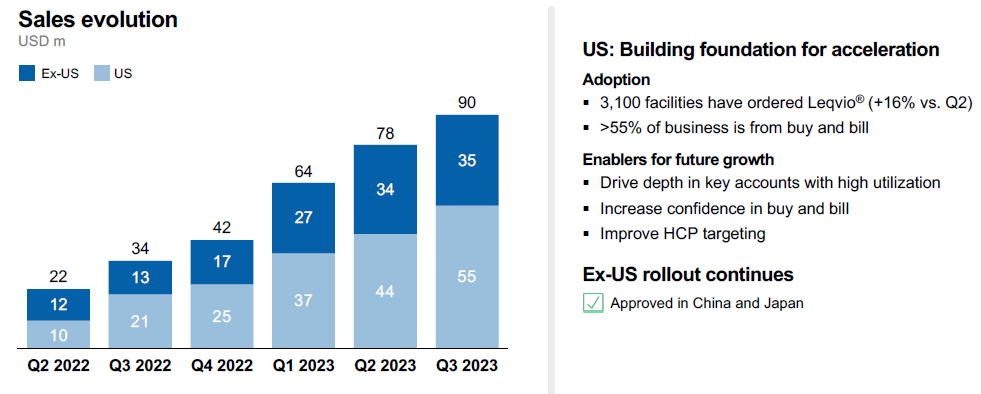 Figure 11. Sales of Leqvio (Official Website)
December 15, 2023Ribo Life Science Announces Signing of Total Amount with Qilu PharmaceuticalMore than 700 million RMBTechnology License Agreement,Authorize Qilu Pharmaceutical to develop, manufacture, and commercialize RBD7022 in Greater China (Mainland China, Hong Kong, and Macao).
RBD7022 is currently in Phase I clinical stage,Aimed to evaluate the safety, tolerability, pharmacokinetics, and preliminary pharmacodynamics of subcutaneous injection of RBD7022 in subjects with normal or elevated low-density lipoprotein cholesterol, currently recruiting.
⑨HC0201 and HC0301(High Chance Bio)
HC0201 is an ASO drug targeting AKT-1 without a delivery system, developed by HaiChang Biotech for the treatment of primary renal cell carcinoma (RCC).
AKT-1Belongs toAKTSerine/Threonine kinase family,AKT-1The abnormality is associated with the growth and proliferation of cancer cells as well as the development of resistance to anticancer agents, andHC0201 For inhibitionAKT-1 The expression is highly selective.
HC0201The original drug delivery method required continuous infusion for 14 days, but after the improvement of the delivery system, it only needs to be injected once a week. In addition, with the continuous improvement of RCC treatment regimens, HaiChang Biotech has started to develop the optimal drug combination regimen for HC0201 to enhance efficacy.
In addition,HaiChang Bio utilizes the QTsome™ platformHC0201 was optimized with nano-liposomes for liver cancer, resulting in the formation of HC0301, a drug against primary liver cancer., both refer to the same nucleic acid API Mychexin.
In October 2023, HC0301 received FDA Orphan Drug Designation (ODD) for the treatment of advanced hepatocellular carcinoma.HC0301 is currently undergoing a Phase I dose-escalation clinical trial for advanced solid tumors in the United States (NCT05267899), which is nearing completion and has demonstrated excellent safety and efficacy.
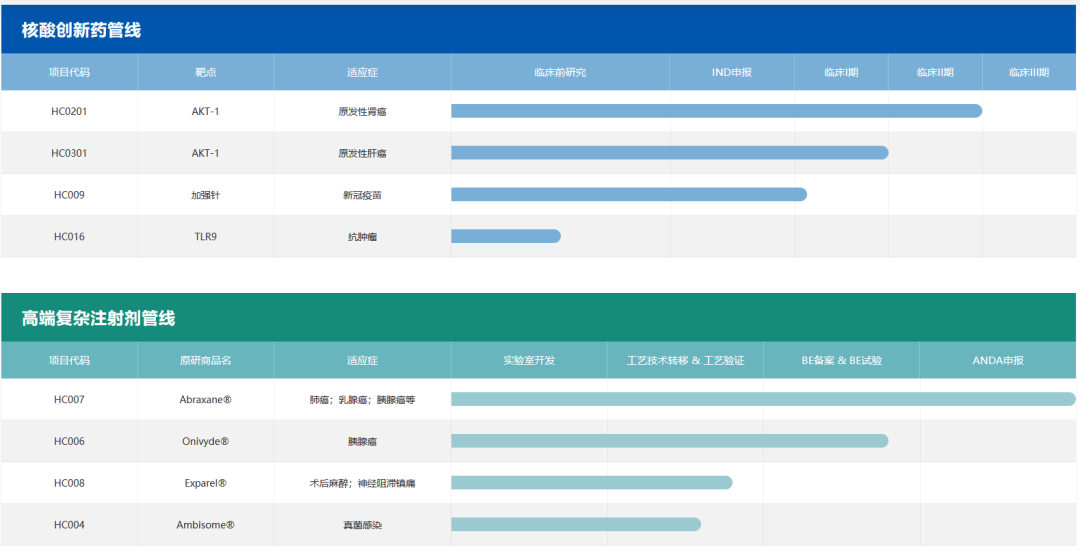 Figure 12. Haichang Biopharmaceutical Product Pipeline (Official Website)
The market scale prospect of small nucleic acid drugs is considerable, and although domestic enterprises are still in the initial stage,With the breakthrough in technology, the future will surely witness more small nucleic acid drugs produced in China.
References
2. RBD1016, an siRNA, Lowers HBsAg for 24 Weeks in Phase 1 Placebo Trial
3. Ribo Life Science Successfully Completes Two Phase II Clinical Trials of Antisense Nucleic Acid Drug for Type 2 Diabetes
6. Sirnaomics Announces Interim Data from Phase I Clinical Trial of STP705 for Medical Aesthetic Treatment of Adult Abdominal Fat Reduction | Sirnaomics
Why Small Nucleic Acid Drugs? Breakthrough Technologies in Fierce Competition
Overview | Global Small Nucleic Acid Drug Clinical Phase II/III Trials
Review | Detailed Classification and Market Status of Small Nucleic Acid Drugs
When CNS Meets Small Nucleic Acid Drugs: An Overview of Marketed and Clinical Development Status
Alnylam: Leading RNAi for Two Decades, Aiming to Become TOP5 Biotech
Founded less than three years ago, what’s behind Argo's $4.1 billion collaboration with Novartis?
2024 Event Preview
January 18, Big Talk JPM! 2024 Biomedical Venture Capital New Year Seminar
Keywords: Highlights of JPM 2024;Biotech Innovation, BD, Financing, and M&A Trends
▼

March 8-9, XDC Innovation Unstoppable! 2024 BiG ADC Special Seminar
Keywords: Clinical Indications Expansion; Target & Project Initiation; Bispecific ADC; Combination Strategies; Next-Generation Linker-Payload; Radiopharmaceuticals
▼

June 13-14, A Decade of Innovation, Sunrise in the East! BiG 10th Anniversary
Keywords: Source Innovation and Transformation, Innovative Technology Platforms (PROTAC/Molecular Glue; Bispecific ADC; Small Nucleic Acid Drugs; AI + Macromolecules), Clinical Research & International Development Strategies (Oncology/CNS/Autoimmune/Metabolic Diseases)
▼